2026 Best Brake Pad Clips What If One Is Missing?

Time:2026-09-08 Author:Madeline
0%

The 2026 Best Brake Pad Clips What If One Is Missing? guide begins with a simple warning: small hardware can control a large amount of movement. Brake pad clips, also called abutment or anti-rattle clips, help position the pads inside the caliper bracket. They support smooth sliding, reduce vibration, and help prevent uneven contact with the rotor.

What happens if a brake pad clip is missing? The pad may shift, rattle, bind, or wear unevenly. In some cases, braking can still feel normal for a short time. That can be misleading. A loose pad might create a metallic tapping sound over bumps, while a stuck pad can produce heat, smell, or rapid rotor wear. Brake specialist and ASE Master Technician Jason Gabrenas explains, “A missing clip can let the pad move where it was never designed to move.”

That movement matters.

Not every brake design uses identical clips. Some clips attach to the bracket, while others fit directly onto the pad. Their shape and tension are important. Installing a similar-looking clip may not be enough. Check the vehicle service manual, compare both sides, and inspect the bracket for rust or damage. A clean-looking clip can still lose its spring tension.

This guide examines the best replacement clips for 2026, including stainless-steel options, vehicle-specific kits, and complete hardware sets. It also explains when driving should stop. There is no shame in discovering a mistake after installation. The mistake becomes dangerous when it is ignored. Proper fit, quiet operation, and free pad movement should guide the final decision.
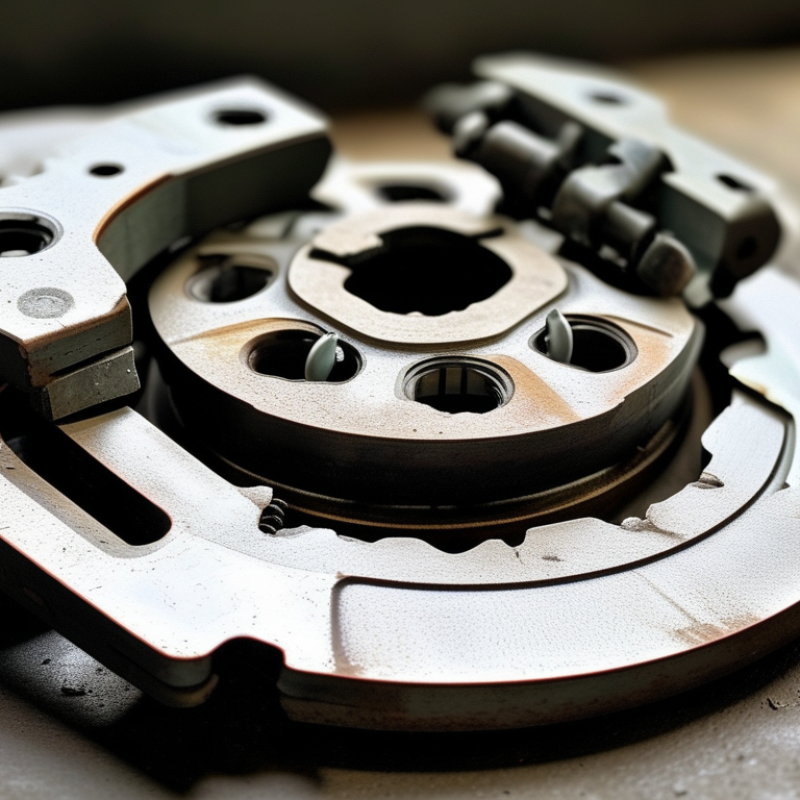
2026 Best Brake Pad Clips What If One Is Missing?

Brake Pad Clips: Purpose, Types, and Compatibility

2026 Best Brake Pad Clips: What If One Is Missing?

Brake pad clips guide pad movement inside the caliper bracket. They reduce rattling, support even contact, and help the pad return after braking. Common designs include abutment clips, anti-rattle springs, and integrated retaining plates. Their shapes are not interchangeable. A clip for one caliper may look similar but fit poorly.

A missing clip can allow lateral movement, noise, uneven wear, or pad binding. In my workshop inspections, shiny contact marks often reveal movement before drivers notice a sound. Do not assume the brake pad will hold itself correctly.

NHTSA recorded 42,514 U.S. traffic fatalities in 2022, according to Traffic Safety Facts. That figure does not isolate clip failures, but it reinforces careful brake-system maintenance. FMVSS No. 135 measures stopping performance, not direct clip compatibility. Correct fit still depends on the vehicle’s caliper bracket, pad shape, rotor design, and service configuration.

Tips: Compare the new clip with the removed part. Check every seating tab. Clean rust from the bracket without thinning its contact points. Confirm the pad slides firmly, but not tightly. If one clip is missing, replace the complete hardware set when available.

Reusing one old clip can be tempting. It is also where my judgment has occasionally needed correction. A visual match is not proof of compatibility. Check the service manual, part catalog, and installation direction before driving.

How to Identify a Missing or Damaged Brake Pad Clip

A missing brake pad clip is often easier to spot than to diagnose. Remove the wheel only when the vehicle is safely supported, then compare both sides of the axle. A correct clip sits fully in its channel, with no lifted edge, broken tab, or heavy rust. The pad should slide smoothly but remain controlled. Excessive movement, rattling, or a pad sitting at an angle suggests a damaged clip or related hardware.

Look closely.

Use a flashlight and a small inspection mirror around the caliper bracket. A missing clip may leave an empty retaining groove, shiny contact marks, or uneven pad wear. A bent clip can look installed but fail under heat and vibration. NHTSA recorded 42,514 U.S. road deaths in 2022, reminding technicians that small braking defects deserve serious attention. Its Traffic Safety Facts reports also identify vehicle-related factors in a small share of police-reported crashes, but that does not make neglected brake hardware harmless.

Professional brake-service guidance commonly recommends replacing hardware when pads are replaced, especially after corrosion or repeated overheating. I agree, though real workshops sometimes reuse clips that appear acceptable. That judgment can be too optimistic. Measure pad movement, inspect the bracket seats, and check whether the clip springs back after light pressure. Do not rely on noise alone. Some damaged clips stay quiet until the first hard stop. If the clip is missing, cracked, deeply corroded, or loose, replace the complete hardware set and verify wheel rotation before road testing.

2026 Best Brake Pad Clips What If One Is Missing? - How to Identify a Missing or Damaged Brake Pad Clip
Inspection Area What the Clip Does Signs of a Missing or Damaged Clip Possible Brake Effect Risk Level Recommended Action
Outer pad abutment clip Supports the brake pad ears and helps the pad slide smoothly in the caliper bracket. The pad appears loose, sits unevenly, or has excessive side-to-side movement in the bracket. Rattle, uneven pad wear, dragging, or delayed pad release. Medium Compare both sides, replace the missing or distorted clip, and confirm that the pad moves freely without binding.
Inner pad retaining spring Maintains contact between the inner pad and the caliper piston on designs that use an integral spring. The spring is broken, flattened, heavily corroded, or no longer holds the pad securely. Pad rattle, uneven contact, piston-side noise, or abnormal wear. Medium Install the correct retaining spring or pad hardware specified for the brake assembly. Do not bend the spring back into shape.
Anti-rattle clip Applies controlled spring tension to reduce pad movement and vibration. Metal-on-metal tapping over bumps, visible looseness, or a clip that has lost its spring tension. Noise and increased pad movement; braking may still feel normal initially. Medium Replace the clip if it is missing, cracked, permanently flattened, or badly rusted. Inspect the pad contact surfaces at the same time.
Guide or abutment surface Provides a clean, correctly shaped contact surface for the pad ears. Rust buildup, flaking coating, deep pitting, or a clip that will not seat fully. Pad binding, tapered wear, overheating, or uneven braking force. High Remove loose corrosion carefully, replace damaged hardware, and replace the bracket if the seating area is deeply corroded or distorted.
Clip seating and alignment Keeps the hardware locked in its designed position during braking and suspension movement. Clip is lifted, twisted, installed backward, or does not match the bracket profile. Noise, pad displacement, uneven wear, or interference with the rotor. High Remove and reinstall the hardware according to the vehicle service procedure. Never force an incorrect clip into place.
Corrosion condition Maintains the clip's shape and spring force over time. Heavy rust, flaking metal, cracks, sharp edges, or visible loss of spring tension. Restricted pad movement, accelerated wear, noise, or brake drag. Medium Replace corroded hardware rather than relying on lubricant to compensate for weakened or deformed metal.
Pad movement check Allows limited controlled movement while preventing excessive rattle. Pad cannot slide by hand after the hardware is installed, or it moves excessively within the bracket. Binding may cause overheating; excessive clearance may cause knocking and uneven wear. High Verify the correct pad, clip, bracket, and installation direction. Correct the cause before operating the vehicle.
Noise after brake service Properly fitted hardware reduces vibration between the pad, bracket, and caliper. New squeaking, clicking, or clunking begins after pad replacement, especially over bumps. Often indicates incorrect, reused, loose, or improperly seated hardware. Medium Recheck clip orientation, pad fit, contact points, and caliper fasteners. Do not assume every noise is caused by the friction material.
Missing clip before installation Completes the pad retention and sliding system designed for the caliper bracket. One side of the bracket has hardware while the matching side is bare, or the hardware kit is incomplete. Incorrect pad positioning, noise, binding, or accelerated wear. High Do not complete the installation until the correct replacement clip is obtained and fitted securely.
Clip damaged during installation Preserves the intended spring tension and clearance around the pad. Clip is bent, cracked, scratched through its coating, or does not sit flush after installation. Unstable pad fit, contact with the rotor, or restricted pad release. High Replace the damaged clip. Avoid hammering or reshaping precision spring hardware unless the service procedure specifically permits it.
Rotor contact check Prevents incorrectly positioned pad hardware from interfering with the rotating rotor. Fresh scrape marks, metallic rubbing, or a clip visibly close to or touching the rotor. Rotor damage, continuous noise, heat buildup, and potential brake performance loss. High Do not drive the vehicle until the interference is corrected and the rotor, pad, clip, and caliper are inspected.
Post-installation inspection Confirms that the hardware, pads, caliper, and fasteners are correctly assembled. Uneven pad gap, missing fasteners, loose caliper, or abnormal wheel resistance after reassembly. Possible brake failure, rapid wear, overheating, or component damage. High Perform a complete safety inspection, pump the brake pedal before moving the vehicle, and carry out a controlled low-speed test.
Note: Brake pad clip shape, quantity, material, and installation method vary by vehicle and caliper design. Always use hardware that matches the specific brake assembly and follow the applicable service instructions.

What Happens When One Brake Pad Clip Is Missing

What Happens When One Brake Pad Clip Is Missing

A missing brake pad clip can let the pad move inside its bracket. That movement may create clicking, clunking, or uneven contact with the rotor. The pad can also wear at an angle. In some designs, the clip controls pad clearance and reduces drag after braking. Without it, the pad might remain slightly pressed against the rotor. Heat can build quickly during traffic or downhill driving.

The risk is not theoretical. NHTSA’s 2022 Traffic Safety Facts recorded 42,514 traffic deaths in the United States. That figure does not identify missing clips as a cause, but it shows why small brake faults deserve serious attention. FMVSS No. 135 requires light vehicles to meet defined stopping-performance tests. Those tests assume correctly assembled brake hardware. A missing clip means the original condition has changed. I would not treat the noise as harmless, even if braking still feels normal.

Tips: Park safely and inspect the matching wheel. Look for a loose pad, shiny contact marks, uneven friction material, or a damaged bracket. Replace the correct hardware set, not just a random spring. Check both sides on the axle. A qualified technician should verify pad movement, rotor temperature, and torque values. In my experience, the clip is often blamed for noise, while the real problem is corrosion under the bracket. That possibility is easy to miss.

2026 Best Brake Pad Clips: What If One Is Missing?

Potential brake-system functions that may be affected when one pad clip is missing

A missing brake pad clip can reduce pad retention and anti-rattle control, allowing unwanted pad movement. This may contribute to noise, uneven contact, or accelerated wear, although the exact result depends on the caliper design and the condition of the remaining hardware. Replace missing or damaged clips and inspect the pads before driving.

Safe Inspection and Temporary Driving Considerations

2026 Best Brake Pad Clips: What If One Is Missing?

A missing brake pad clip is not a harmless cosmetic issue. These small clips help position the pad and reduce movement, vibration, and uneven wear. During inspection, park on level ground and let the brakes cool completely. Use a flashlight to check whether the pad sits squarely in its bracket. Look for a loose pad, shiny contact marks, chipped metal, or fresh brake dust. Do not touch hot components. A mirror can help reveal the inner pad, which is often missed.

Tips: If the clip is missing, avoid normal driving. Do not test the car with repeated hard stops. If the pad moves, rattles sharply, drags, or sits crooked, arrange towing or professional repair. If the pad remains firmly seated and a qualified technician considers the vehicle temporarily controllable, drive only a very short distance to a repair facility. Keep speed low, avoid hills and heavy traffic, and leave extra stopping space. This is not a repair.

One point deserves honest caution. A quick visual check can miss a bent bracket or damaged retaining surface. I would not rely on quiet brakes as proof of safety. Noise may disappear while the pad still shifts under pressure. Replace the correct clip hardware, inspect both sides, and verify smooth wheel movement after installation. A rushed inspection can create false confidence.

How to Replace Brake Pad Clips Correctly

Replacing brake pad clips correctly starts with identifying their exact position. These thin springs control pad movement and reduce rattling. A missing clip can let a pad sit unevenly, causing noise, drag, or tapered wear. Do not install a replacement by appearance alone. Compare its bends, tabs, and contact points with the service manual. Small differences matter. If one clip is missing, do not leave it out or reuse a badly distorted piece.

Remove the wheel and caliper according to vehicle-specific procedures. Support the caliper properly; never let it hang from the hose. Remove the old clips and clean rust from the bracket seats with a suitable brush. The surfaces should be smooth, not aggressively polished. Fit each clip fully into its channel. The retaining tabs must lock under the bracket edges. The pad should slide with firm resistance, then return slightly when released. If it binds, stop. Something is wrong.

Check pad orientation, abutment contact, and caliper hardware before reassembly. Apply only approved high-temperature brake lubricant to designated metal contact points. Keep grease away from friction material and the rotor. Tighten fasteners to the vehicle maker’s specified torque, then pump the pedal until it feels firm. Perform a slow test in a safe area. I have seen clips reused because they looked “almost straight.” That judgment was poor. Heat and vibration can expose small defects. Replace questionable hardware, and recheck wheel fitment after the first short drive.

FAQS

: What happens when one brake pad clip is missing?

: The pad may move inside its bracket. This can cause clicking, clunking, uneven contact, or angled wear.

Can a missing clip make the brake drag?

Yes. The pad may stay lightly pressed against the rotor. Heat can build during traffic or downhill driving.

Is brake noise from a missing clip harmless?

Not necessarily. Noise may indicate loose hardware or uneven pad movement. Normal pedal feel does not prove everything is safe.

Can I replace only the missing clip?

Use the correct hardware set for the brake design. Do not install a random spring. Replace distorted or questionable clips too.

What should I inspect before replacing the clip?

Check for a loose pad, shiny contact marks, uneven friction material, and bracket damage. Also inspect the opposite wheel on the same axle.

How should the bracket be prepared?

Remove rust from the clip seats with a suitable brush. The surfaces should be smooth. Do not aggressively grind them.

How do I know the new clip fits correctly?

Its bends, tabs, and contact points should match the service information. The retaining tabs must lock under the bracket edges. The pad should slide with firm resistance.

What mistakes should I avoid during reassembly?

Never let the caliper hang from its hose. Keep lubricant away from the rotor and friction material. Tighten fasteners to the specified torque.

What should I do after installing the clip?

Pump the pedal until it feels firm. Then perform a slow test in a safe area. Recheck wheel fitment after a short drive.

Could corrosion be the real problem?

Yes. Corrosion under the bracket can restrict pad movement. The clip may receive the blame unfairly. That possibility is easy to miss.

Conclusion

Brake pad clips are small but essential components that help position the brake pads, reduce vibration, and support smooth movement during braking. They come in different shapes and materials, so compatibility depends on the vehicle’s brake design and the correct pad hardware kit. To identify a missing or damaged clip, inspect the caliper area for loose hardware, unusual movement, rust, distortion, or uneven pad wear. A rattling sound or inconsistent braking feel may also indicate a problem.

What happens if a brake pad clip is missing? The pad may shift, vibrate, wear unevenly, or fail to release properly, which can create noise and reduce braking performance. Inspect the brakes only when the vehicle is safely supported and completely cool. Driving should be avoided if the pad is loose, braking feels abnormal, or any component is damaged. Replace clips with the correct type, clean the contact surfaces, install them in their intended orientation, and confirm that the pads move securely without binding before returning the vehicle to normal use.

Madeline

Madeline

Madeline is a dedicated marketing professional with a wealth of expertise in our company's core offerings. With a keen understanding of the industry, she brings a unique perspective to her role, consistently delivering high-quality content that highlights the superior aspects of our products. As......