7 Best Signs of a Bad Brake Master Cylinder?

Time:2026-09-28 Author:Isabella
0%

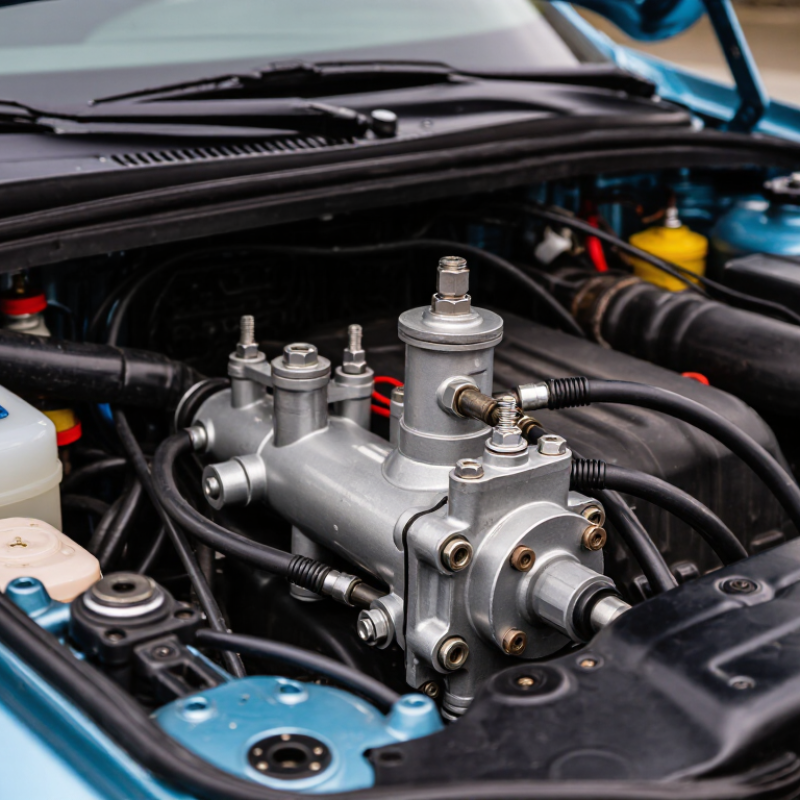
A brake pedal that slowly sinks at a red light can be unsettling. A master cylinder converts pedal pressure into hydraulic pressure, helping the brakes slow or stop the vehicle. When its internal seals wear or fluid leaks, braking may feel different. The change can start subtly.

What are the symptoms of a bad brake master cylinder? Common warning signs include a soft or sinking pedal, reduced braking response, and brake fluid near the cylinder or firewall. Some vehicles may also show a brake warning light or a falling fluid level. These clues matter, but none proves the master cylinder is at fault. Air in the brake lines, worn components, or another hydraulic problem can create similar symptoms. Diagnosis takes more than a quick glance.

This guide covers seven signs to watch for and explains what they may indicate. Notice the details: whether the pedal sinks while you hold steady pressure, whether the reservoir level drops, and whether a leak appears near the brake booster. Small clues can help a qualified technician narrow down the cause. Still, a visual check cannot confirm everything. That distinction is easy to miss.

Brake problems can affect stopping distance and vehicle control. If the pedal feels unusually soft, braking weakens, or fluid is leaking, avoid driving and arrange a professional inspection. Don’t guess. This article offers practical information, not a substitute for a hands-on diagnosis.
7 Best Signs of a Bad Brake Master Cylinder?

Master-Cylinder Function and FMVSS No. 116 Brake-Fluid Requirements

A brake master cylinder turns pedal movement into hydraulic pressure and sends it through separate brake circuits. When its internal seals wear, pressure may leak past them, even without a visible puddle. A pedal that slowly sinks while held is a warning sign. So is a sudden change in pedal feel. Stop safely and arrange a professional inspection; braking faults can worsen quickly.

Brake fluid is part of this system, not just a filler. U.S. Federal Motor Vehicle Safety Standard No. 116 sets performance requirements for motor vehicle brake fluids, including boiling-point, viscosity, and corrosion tests. Its DOT classifications help identify fluid performance, but a higher number is not automatically the right choice for every vehicle. Use the type specified in the owner’s manual or on the reservoir cap. Do not guess.

Moisture can enter fluid over time and lower its boiling point, increasing the risk of vapor and a soft pedal during hard braking. Contaminated or incorrect fluid may also damage hydraulic components. Keep the reservoir cap clean before opening it, and never top off with an unknown fluid. A low reservoir may signal a leak, not merely routine consumption. That distinction is easy to miss. If the pedal feels spongy, fluid looks unusually dark, or a brake warning appears, have the system checked promptly.

Pedal Sinks, Feels Spongy, or Travels Farther Than Usual

A brake pedal that slowly sinks while you hold steady pressure can point to a failing master cylinder. Its internal seals may let brake fluid bypass pressure instead of holding it. The pedal may also feel spongy or travel closer to the floor than usual. That change can appear gradually, then become obvious at a stoplight. Take it seriously.

These symptoms are not proof by themselves. Air in the brake lines, a fluid leak, or other worn components can cause similar pedal behavior. Check the fluid level only when the vehicle is parked safely; a low level needs prompt inspection, not just a top-up. A firm pedal can still hide a developing problem. Diagnosis takes more than a quick guess.

Tips: If the pedal sinks, feels unusually soft, or needs extra travel, avoid driving the vehicle. Pull over somewhere safe and arrange professional inspection or towing. Note when the symptom occurs, whether a warning light is on, and whether you see fluid near a wheel or beneath the car. Small details help a technician narrow down the cause.

Fluid Leaks, a Falling Reservoir Level, or Contaminated Brake Fluid

Brake fluid leaks around the master cylinder often leave wetness beneath the firewall or along the booster. The pedal may feel soft, sink while held, or require extra travel before braking. Check the reservoir level on level ground, but don’t assume a drop proves the master cylinder has failed. Worn brake pads can also lower the level; leaks at hoses, calipers, or wheel cylinders are other possibilities. A falling level needs prompt inspection. Don’t keep driving if the pedal sinks or braking weakens.

Fluid condition matters, too. Healthy brake fluid is usually clear to amber; dark, cloudy fluid or visible particles deserve attention. Moisture can lower fluid’s boiling point and contribute to corrosion inside hydraulic components. NHTSA’s Federal Motor Vehicle Safety Standard No. 116 sets wet boiling-point minimums of 140°C for DOT 3 and 155°C for DOT 4 fluid. Those figures are test thresholds, not a diagnosis of your car. A reservoir that looks clean can still contain moisture. I’d avoid guessing from color alone. Have a qualified technician check for external leaks, test the fluid, and assess whether the master cylinder is bypassing pressure internally.

Brake-Warning Light, Uneven Braking, or Reduced Stopping Performance

A brake-warning light, a pedal that slowly sinks at a red light, or a car that pulls during braking deserves prompt attention. A failing master cylinder may lose hydraulic pressure internally, even when no fluid is visible beneath the vehicle. Check the reservoir only when safe; a low level can also point to a leak elsewhere. Uneven braking is not proof of master-cylinder failure. Air in the lines, a sticking caliper, or a damaged hose can produce similar symptoms. That distinction matters.

Reduced stopping performance is more urgent. The National Highway Traffic Safety Administration’s Federal Motor Vehicle Safety Standard No. 135 uses a 100 km/h service-brake test, with a 70-metre stopping-distance limit for passenger cars under specified conditions. This is a controlled test benchmark, not a safe distance to test on a public road. If the pedal feels spongy, needs repeated pumping, or takes longer to stop the car, avoid driving it and arrange a professional inspection. I would not diagnose the cylinder from one warning alone; a technician should check fluid leaks, hydraulic pressure, and the full brake system. Don’t wait for the pedal to reach the floor.

7 Warning Signs of a Bad Brake Master Cylinder

Brake-warning light, uneven braking, or reduced stopping performance can indicate a brake-system problem.

How to read this chart: Scores are a qualitative inspection-priority guide, not measured failure rates or a diagnosis. These symptoms can have other causes. If braking performance is reduced or the pedal sinks, stop driving and have the vehicle inspected.

Confirming Failure: DOT 3 and DOT 4 Wet Boiling-Point Minimums: 140°C and 155°C

A brake pedal that slowly sinks while you hold steady pressure can suggest an internal master-cylinder seal problem. It is not proof. Air in the lines, an external leak, or another hydraulic fault can feel similar. Check for dampness around the master cylinder and connections, and note whether the pedal changes after repeated applications. Small clues matter. A low or spongy pedal needs prompt inspection.

Brake fluid’s wet boiling point helps assess moisture-related risk, not master-cylinder failure directly. The minimum wet boiling points are 140°C for DOT 3 and 155°C for DOT 4. “Wet” refers to fluid conditioned to represent absorbed moisture; water contamination can lower the boiling point. Under hard braking, overheated fluid may form vapor, which compresses and can make the pedal feel soft. A measured result below the applicable minimum is concerning, but one reading is not a verdict. Testers vary in accuracy, so confirm questionable readings with an appropriate method and inspect the hydraulic system. Fresh-looking fluid can still contain moisture. That detail is easy to miss.

FAQS

What are common signs of a failing master cylinder?

The brake pedal may feel soft, sink while held, or travel farther than usual. These symptoms need prompt attention.

Does a falling brake-fluid level prove the master cylinder is leaking?

No. Worn pads or leaks at hoses, calipers, and wheel cylinders can also lower the level. Check on level ground, when safe.

Where might a brake-fluid leak appear?

Look for wetness beneath the firewall or along the brake booster. A leak may also come from another part of the brake system.

Can brake fluid look clean but still need attention?

Yes. Moisture may be present even when the reservoir fluid looks clear. Color alone is an imperfect clue.

What does dark or cloudy brake fluid mean?

Dark fluid or visible particles deserve inspection. Moisture can lower the fluid’s boiling point and contribute to corrosion.

Does uneven braking always mean the master cylinder has failed?

No. Air in the lines, a sticking caliper, or a damaged hose can cause similar symptoms. One clue is not a diagnosis.

Is it safe to keep driving if the brake pedal sinks?

Avoid driving if the pedal sinks, braking weakens, or stopping takes longer. Arrange a professional inspection.

What should a technician check?

They can inspect for external leaks, test the fluid, and assess hydraulic pressure. The full brake system matters, too.

Conclusion

What are the symptoms of a bad brake master cylinder? Common warning signs include a brake pedal that slowly sinks under steady pressure, feels unusually spongy, or travels farther than normal. You may also notice brake fluid leaking, a reservoir level that keeps dropping, or fluid that looks contaminated. A brake warning light, uneven braking, and reduced stopping performance can occur as well. These symptoms can have other causes, so they should be checked promptly rather than treated as proof of master-cylinder failure.

The master cylinder converts pedal pressure into hydraulic pressure, while brake fluid carries that pressure through the system. FMVSS No. 116 sets requirements for brake fluids, including wet boiling-point minimums of 140°C for DOT 3 and 155°C for DOT 4. A qualified inspection can check the cylinder, lines, and fluid condition to confirm the cause of a problem. Avoid driving if braking is unreliable, and have the system assessed as soon as possible.

Isabella

Isabella

Isabella is a dedicated marketing professional with a sharp focus on driving brand growth and engagement through strategic content creation. With an extensive background in digital marketing, she combines her passion for storytelling with her keen understanding of industry trends to deliver......