Lubricating brake caliper slide pins is a vital task for vehicle maintenance. According to Mike Johnson, an industry expert in brake systems, "Proper lubrication of slide pins enhances brake performance and safety." Knowing how to lubricate brake caliper slide pins can extend the life of your braking system and promote smoother operation.
Many vehicle owners overlook the significance of this simple process. However, improper lubrication can lead to uneven wear and braking issues. Regular maintenance is key. Selecting the right lubricant is also crucial, as not all products are suitable for brake components.
This knowledge ensures that your vehicle remains safe and efficient on the road. By focusing on details like cleanliness during the process, you can achieve better results. A small oversight can lead to bigger problems down the line. Always remember to consult expert advice to stay informed on best practices.
Understanding Brake Caliper Slide Pins and Their Function
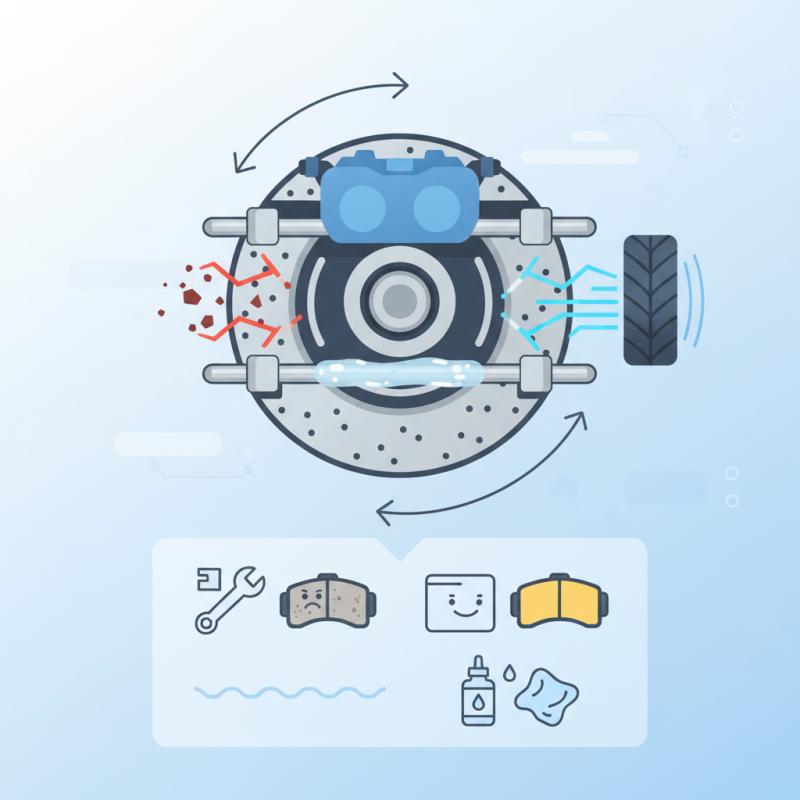
Brake caliper slide pins play a crucial role in the braking system. They allow the caliper to move smoothly as the brakes are applied and released. This movement is essential for even brake pad wear and effective stopping power. When these pins get dry or corroded, problems can arise. The caliper might bind, causing uneven brake wear and potentially dangerous driving conditions.
It's important to check the condition of the slide pins regularly. A visual inspection can reveal rust or contamination that may affect performance. Lubricating them with the right products ensures smooth operation. Use a high-temperature lubricant to withstand the intense conditions within the braking system. Be mindful that over-lubricating can cause dirt and debris to trap, leading to more issues down the line. Simple mistakes like applying the wrong lubricant can cause a chain reaction of failures.
Not all slide pin issues are obvious. Sometimes, there are subtle signs, like squeaking sounds or a stiff brake pedal. Addressing these symptoms early can save you from costly repairs later. Having a keen eye and basic maintenance skills can prolong the lifespan of your braking system. Regular checks can prevent unexpected breakdowns, keeping you safe on the road.
Recommended Lubricants for Brake Caliper Slide Pins
Lubricating brake caliper slide pins is crucial for optimal brake performance. Using the right lubricant can extend the life of these components. It's essential to choose lubricants specifically designed for brake systems. These products often resist high temperatures and repel moisture, which helps maintain their effectiveness over time.
Silicone grease is a popular choice for many automotive enthusiasts. It provides excellent protection against corrosion and high heat. Another option is lithium-based grease, which offers good load-bearing properties. Both of these lubricants can help prevent gluing or seizing of slide pins. However, remember not to overdo it; too much lubricant can attract dirt and grime.
The application process requires attention to detail. Clean the slide pins thoroughly before applying the lubricant. A dirty surface can undermine the benefits of even the best grease. Make sure to use a thin layer; excessive material can create more problems than it solves. Rely on routine inspections to ensure the slide pins stay in good condition, and adjust your maintenance habits if you notice unusual wear or performance issues.
Step-by-Step Guide to Lubricating Brake Caliper Slide Pins
Lubricating brake caliper slide pins is vital for your vehicle's braking efficiency. This process ensures smooth movement of brake components, reducing wear and enhancing safety. According to a study from the Society of Automotive Engineers, effective lubrication can increase the lifespan of brake systems by up to 30%.
To begin, remove the caliper from the wheel assembly. Inspect the slide pins thoroughly for any wear or damage. Clean the pins using a suitable solvent to eliminate dirt and old grease. Apply a thin layer of high-temperature grease, specifically designed for brake components. This is crucial. Excessive grease may attract dirt, causing problems down the line.
Tip: Use a small brush to spread the grease evenly on the pins. After applying, push the pins in and out to ensure they are well coated. Repeat this process periodically during regular maintenance. Keeping an eye on these components can prevent costly repairs.
Don’t overlook the importance of cleanliness during this process. A dirty environment could compromise brake performance. Even small specks of debris may create issues in braking effectiveness. Regular checks are not just advisable; they are essential for your safety on the road.
2026 Best Tips for Lubricating Brake Caliper Slide Pins
| Tip Number |
Tip Description |
Recommended Lubricant Type |
Frequency of Lubrication |
| 1 |
Clean slide pins before lubrication |
Silicone-based grease |
Every 20,000 miles |
| 2 |
Use a torque wrench when reassembling |
Multi-purpose grease |
Every brake pad replacement |
| 3 |
Inspect for corrosion |
Copper grease |
Every 15,000 miles |
| 4 |
Apply lubricant evenly along the pin |
Brake grease |
Every 10,000 miles |
| 5 |
Ensure proper alignment of calipers |
Lithium grease |
With each brake system inspection |
Common Mistakes to Avoid When Lubricating Slide Pins
Lubricating brake caliper slide pins is crucial for maintaining brake function. However, many DIY mechanics make common mistakes. One frequent error is using the wrong type of lubricant. Always opt for a high-temperature grease designed for brake components. Regular grease or oil may break down, leading to more significant issues.
Another mistake is neglecting to clean the pins thoroughly before applying lubricant. Dirt and rust can affect their movement. Make sure to clean the surface with rubbing alcohol or brake cleaner. After cleaning, you should check for any signs of wear. If a pin is worn, replacing it is far better than trying to salvage it.
Additionally, avoid over-lubrication. Applying too much grease can lead to a buildup that risks contamination of the braking system. Remember, a thin layer is usually sufficient. Regularly inspect your brake components to ensure sliding pins function smoothly. Being mindful of these mistakes will help achieve safer braking performance.
Maintenance Tips for Ensuring Longevity of Brake Caliper Components
Brake caliper slide pins play a crucial role in vehicle safety. Proper lubrication and maintenance can extend the lifespan of these components significantly. According to industry reports, well-maintained brake components can last over 60,000 miles. However, neglecting to lubricate the caliper slide pins can lead to uneven wear and premature failure.
Regularly inspecting the slide pins is vital. They should be cleaned and lubricated every 10,000 miles. Use a high-quality brake grease to ensure the pins glide smoothly. This simple step can prevent brake binding, improve response time, and ultimately enhance safety. If the pins show signs of rust or damage, replacement is necessary. Ignoring such issues can lead to serious braking problems.
Consider utilizing a torque wrench during assembly. Proper tightening of caliper bolts is essential. Too loose, and the brakes may vibrate. Too tight, and you risk damaging the pin or caliper body. Find a torque specification suited to your vehicle. Always refer to reliable sources, as discrepancies can exist. Remember, the smallest details can affect performance. Pay attention to these elements during maintenance for optimal brake function.
2026 Best Tips for Lubricating Brake Caliper Slide Pins
FAQS
: It ensures optimal brake performance and extends component lifespan when using the right lubricant.
Silicone grease and lithium-based grease are popular choices that resist moisture and heat.
Every 10,000 miles is recommended for best results and optimal smooth operation.
Excess lubricant can attract dirt, which may cause more issues than it resolves.
No, only specifically designed lubricants for brake systems should be used to ensure effectiveness.
Signs of rust or damage indicate that replacement is necessary for safe brake function.
Neglect can lead to uneven wear, premature failure, and serious braking problems over time.
Yes, it ensures caliper bolts are tightened properly, preventing vibration or damage.
Yes, they can help identify issues early, enhancing the overall safety and performance of your vehicle.
Absolutely, a clean surface is crucial to maximizing the benefits of lubrication.
Conclusion
When learning how to lubricate brake caliper slide pins, it's important to first understand their function in the braking system. Brake caliper slide pins allow for smooth movement of the caliper, ensuring even brake pad wear and effective braking performance. Using the right lubricants designed specifically for this purpose can significantly enhance the longevity and reliability of the brake components.
To properly lubricate brake caliper slide pins, follow a step-by-step guide that includes cleaning the pins, applying the lubricant evenly, and ensuring no excess lubricant is present that could attract dirt. Be mindful of common mistakes, such as over-lubricating or using the wrong type of lubricant, as these can lead to premature wear or brake performance issues. Regular maintenance and attention to these details will help ensure the effectiveness of brake caliper components over time.

 Zizel Auto