When it comes to car maintenance, knowing how to compress a rear brake caliper piston is essential. This process may seem simple, but it requires precision and the right tools. Properly compressing the piston ensures that brake pads fit perfectly, enhancing braking performance.
Many DIY enthusiasts face challenges while attempting this task. Sometimes they lack the right equipment or misjudge the pressure needed. Others may unknowingly damage components in the process. It's vital to approach this process with care and the right knowledge.
Understanding the mechanics behind a rear brake caliper piston makes a significant difference. By following expert tips, you can avoid common pitfalls. Gaining this knowledge will empower you to perform brake work confidently and safely. Let’s explore the best techniques and tools to achieve successful results.
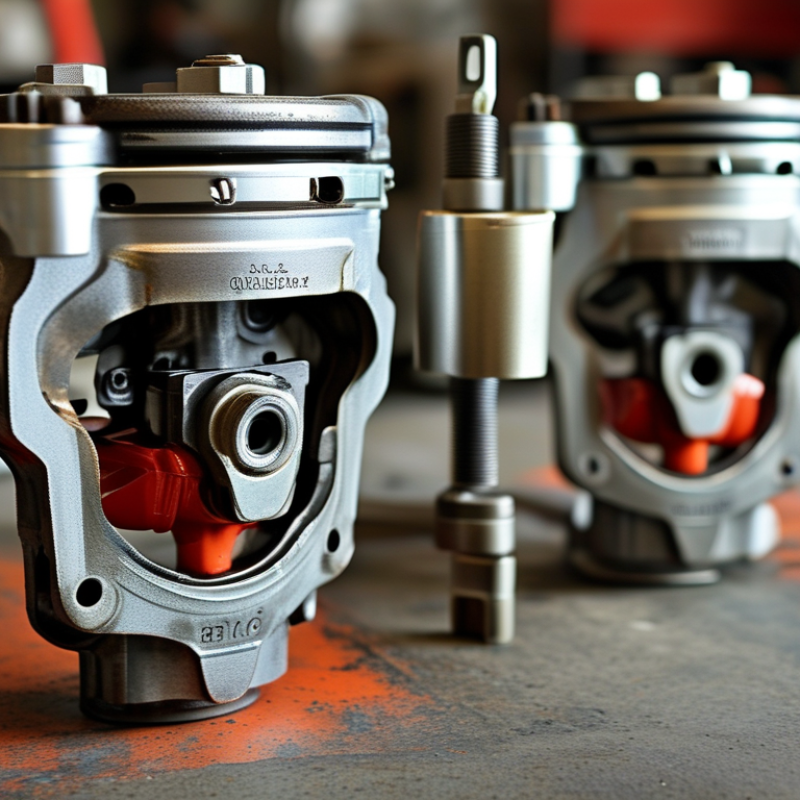
The rear brake caliper piston plays a crucial role in the vehicle’s braking system. It is responsible for applying pressure to the brake pads against the rotor. This pressure slows down the vehicle effectively, ensuring safety during driving. Understanding how this component works can help troubleshoot various braking issues.
When the brake pedal is pressed, hydraulic fluid is pushed through the brake lines. This fluid travels to the caliper piston, forcing it outward. As the piston moves, it exerts force on the brake pads. If the piston is not compressed properly during maintenance, it can lead to uneven wear on the brake pads or even brake failure. This is why adjusting the piston is essential, but it can be tricky.
Many vehicle owners are daunted by this task. The process may require tools like a C-clamp or a specialized caliper tool, which can be a challenge. A lack of practice might result in mishaps, such as damaging the piston seal. It’s important to learn from mistakes and consider seeking expert advice for complex brake systems. Understanding this component’s function empowers drivers to maintain their brakes effectively and keep their vehicles safe on the road.
When it comes to compressing a rear brake caliper piston, having the right tools is crucial. A caliper tool or brake piston compressor is ideal for this task. These devices come in various shapes and sizes. Make sure to select one that fits your vehicle's caliper type. A simple C-clamp can also work in a pinch. However, a proper brake tool is generally more effective and safer.
You'll need some basic hand tools as well. A ratchet set and torque wrench ensure that you can securely fasten everything back in place after the job. Don’t forget to have a brake cleaner ready to remove any debris or dust. Wearing gloves is recommended. It not only protects your hands but also keeps the brake components clean.
Working with brake systems can be tricky. It's important to be cautious, as mistakes can lead to brake failure. Reflecting on your past experiences with DIY projects can help identify areas for improvement. Always double-check your work to ensure that everything is compressed evenly. If you feel uncertain at any point, it's wise to consult a professional.
When compressing a rear brake caliper piston, safety is paramount. Ensuring proper technique can prevent damage to the caliper and the brake system. Before starting, gather necessary tools like a C-clamp or brake caliper tool. Engage the emergency brake; this secures the vehicle and keeps everything stable. Always wear safety glasses to protect your eyes from debris.
Start by removing the wheel. This step reveals the caliper. Inspect the caliper for any leaks or damage. Clean the area around the piston to avoid contamination. Next, gently insert the tool between the caliper and piston. Apply even pressure to compress the piston. Be careful not to rush this process. Too much force can lead to caliper damage.
Here are some tips to keep in mind. Monitor the brake fluid level as you compress the piston. Excess fluid can spill over, creating a mess. Take note of the piston’s position and how it returns. If it gets stuck, reassess your technique. Finally, ensure all connections are tight before moving on. A safe approach leads to effective results.
When compressing a rear brake caliper piston, there are several common mistakes to avoid. Not aligning the caliper properly can lead to uneven pressure. This may cause premature wear on the brake pads and rotors. Always ensure the caliper is squarely positioned against the piston. A misalignment should be checked visually before applying any force.
Using incorrect tools is another frequent mistake. Some people use makeshift tools that can damage the piston or caliper. It’s essential to use the right compression tool or a C-clamp designed for this task. Remember that excessive force can lead to caliper failure. Avoid rushing the process; take your time to ensure everything is done correctly.
Neglecting to check the brake fluid level can be a critical error. When the piston is compressed, fluid levels rise. If the reservoir overflows, it could create a mess and contamination. Always monitor fluid levels during this process. These small details matter and can save time and resources in the long run. Reflect on these aspects for a smoother brake service experience.
When compressing a rear brake caliper piston, ensuring optimal brake performance is crucial. A well-compressed piston directly affects the efficiency of the braking system. According to recent studies, 30% of brake issues arise from improper caliper adjustments. This highlights the importance of careful attention during the compression process.
One practical tip involves using the correct tools. A dedicated brake caliper tool ensures the piston is compressed evenly. Uneven compression can lead to premature wear or even brake failure. It is essential to inspect the piston seals before installation. Damaged seals may result in fluid leakage, compromising braking performance.
After compression, bleed the brake system thoroughly. Air bubbles can hinder performance and create safety risks. Testing brake responsiveness after the work is vital. Some mechanics recommend a simple squeeze test; apply pressure to the brake pedal and check for firmness. If it feels spongy, there may be air still trapped in the system. Ensuring all components are clean and free of debris also plays a significant role in maintaining optimal brake function. Regular inspections help catch potential issues before they escalate. Keep your brakes in top shape by adhering to these guidelines.
| Tip Number | Compression Technique | Recommended Tool | Safety Precautions | Performance Impact |
|---|---|---|---|---|
| 1 | Use a C-clamp | C-clamp | Wear gloves and goggles | Helps ensure even compression |
| 2 | Use a Brake Piston Tool | Brake piston compressor | Check for fluid leaks | Minimizes risk of damage |
| 3 | Rotate while compressing | Adjustable wrench | Avoid pinching fingers | Improves alignment |
| 4 | Soak in brake fluid | N/A | Do not spill fluid | Loosens resistance |
| 5 | Preliminary Bleeding | Screwdriver | Wear eye protection | Ensures no air in the system |
: A brake piston compressor is ideal. A C-clamp can work, but a proper tool is safer.
The correct tool ensures even compression, preventing premature wear and brake failure.
A ratchet set and torque wrench are necessary. Also, have brake cleaner ready.
Wearing gloves protects your hands and maintains the cleanliness of brake parts.
It's wise to consult a professional. Reflecting on past DIY experiences can help.
Damaged seals can lead to fluid leaks, compromising braking performance.
Bleed the brake system thoroughly to remove air bubbles that affect performance.
Apply pressure to the brake pedal. If it feels spongy, air may be trapped.
Inspections catch potential issues early, helping to avoid more serious problems later.
Uneven compression can create issues. Always double-check your work for uniformity.
In the article titled "2026 Best Tips to Compress a Rear Brake Caliper Piston," readers will gain a thorough understanding of how to compress a rear brake caliper piston effectively. It begins by explaining the function of the rear brake caliper piston, essential for the proper operation of your vehicle’s braking system. The article then outlines the tools required, followed by a detailed step-by-step guide to compressing the piston safely, ensuring that the brakes function optimally after the process.
Additionally, the article highlights common mistakes to avoid during the compression procedure, which can lead to potential issues down the line. By following these guidelines, readers will be equipped with practical tips for maintaining optimal brake performance, making the task of compressing a rear brake caliper piston straightforward and effective.

Zizel Auto