Dealing with a stuck brake caliper bolt can be frustrating. Many car enthusiasts and mechanics have faced this challenge. Knowing how to remove a stuck brake caliper bolt is essential for effective brake maintenance. A bolt can seize due to rust, corrosion, or improper installation. Understanding the root cause can help prevent future issues.
When faced with a stuck bolt, patience is key. Rushing the process may result in damage, requiring more extensive repairs. Tools and techniques may vary based on the situation. Researching best practices can save time and energy. Each method has its pros and cons, and what works for one person might not work for another.
Experience plays a crucial role in resolving these issues. Seeking advice from experienced professionals can guide you toward the right approach. However, always proceed with caution. If unsure, consulting a mechanic can prevent costly mistakes. Knowing how to remove a stuck brake caliper bolt can empower you in maintaining your vehicle safely and efficiently.
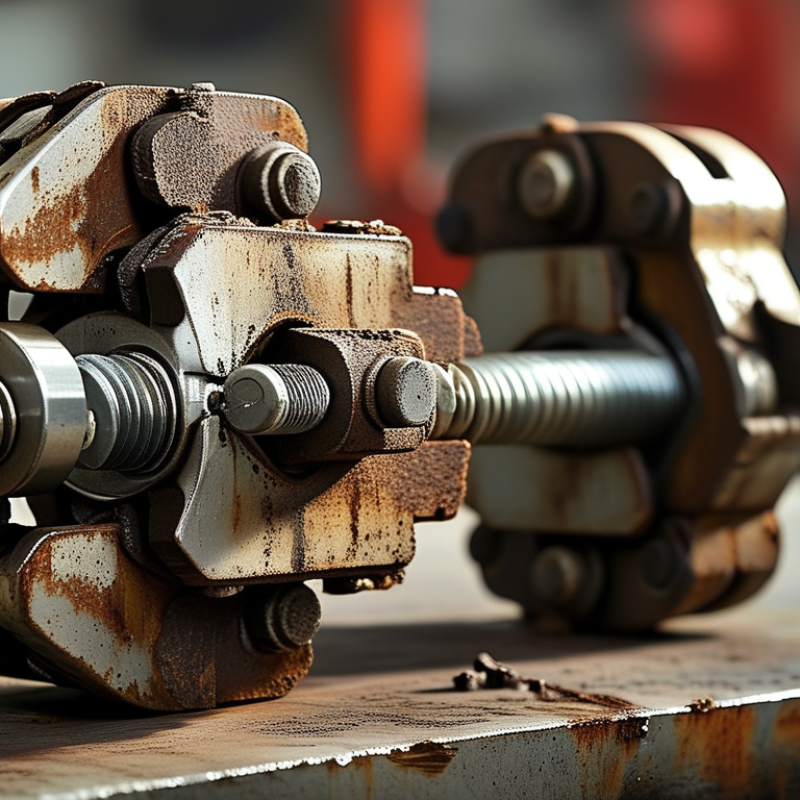
Stuck brake caliper bolts often lead to frustrating repairs. Understanding why these bolts become stuck is crucial. One common cause is corrosion, which accounts for a significant portion of mechanical failures. According to industry reports, about 30% of brake system issues stem from rust buildup. When moisture penetrates the bolt threads, it creates rust and bonds them tightly. This oxidation process can be accelerated by road salt and environmental factors.
Another reason for these stubborn bolts is over-torquing during installation. A study by the Automotive Engineering Society found that improper torque settings contribute to approximately 25% of stuck bolts. When bolts are overtightened, they can stretch and become fused with the caliper or the bracket over time. This can create a challenging scenario for vehicle maintenance, emphasizing the importance of following manufacturer specifications during installation.
Even seasoned mechanics encounter difficulties. In some cases, repeated attempts to remove these bolts can lead to damaged tools or stripped threads. Reflecting on these challenges can help technicians develop better strategies for future repairs. It’s essential to approach such problems with a blend of caution and persistence, as rushing can lead to more significant issues later on.
To remove a stuck brake caliper bolt effectively, having the right tools is essential. Start with a good quality socket set. The sockets should match the bolt size for a snug fit. Using a breaker bar can provide the leverage needed to break free that stubborn bolt. A torque wrench is important for reassembly, ensuring proper tension without over-tightening.
You may also need penetrating oil. Apply it generously and let it sit for a few minutes. This can help loosen rust and corrosion. A rubber mallet comes in handy too. Sometimes a light tap can help dislodge the bolt. Don't forget to have a wire brush ready. It will clean away debris and rust, making the area around the bolt accessible.
Consider using a heat source if the bolt remains stuck. A heat gun can help expand the metal, making removal easier. Safety goggles are a must, as flying debris is a common risk. While patience is key, don't hesitate to reassess your approach. Stuck bolts can be frustrating, but the right tools and techniques can simplify the task.
Removing a stuck brake caliper bolt can be a frustrating task. It often requires patience and the right techniques to avoid damaging your car. Start by ensuring you have the necessary tools on hand. A breaker bar can provide the extra leverage needed to loosen stubborn bolts. Use penetrating oil, applying it generously around the bolt. Allow it to sit for a while to break down rust or corrosion.
Sometimes, the bolt may need a more aggressive approach. Tapping gently with a hammer can help. This vibration may loosen any grip the rust has. If you still face resistance, heat can be a game changer. A heat gun or propane torch can expand the metal enough to break the bond. Always remember to be cautious with heat to avoid damaging nearby components.
If the bolt remains stuck after all this, consider using a bolt extractor. This is a last resort but can save you frustration. Reflecting on this process, it's important to take breaks if you feel overwhelmed. Rushing may lead to mistakes or injuries. Engaging in regular maintenance can prevent bolts from seizing in the future.
| Method | Tools Required | Step Description | Estimated Time |
|---|---|---|---|
| Applying Penetrating Oil | Penetrating oil, rag | Spray penetrating oil on the bolt and let it sit for 10-15 minutes. | 15 minutes |
| Using a Torque Wrench | Torque wrench | Set the wrench to a high torque setting and apply steady pressure. | 10 minutes |
| Heat Application | Heat gun, gloves | Carefully apply heat to the bolt area and then attempt to loosen it. | 10 minutes |
| Using a Hammer | Hammer, punch | Gently tap the bolt's head with a hammer to free it. | 5 minutes |
| Bolt Extractor Tool | Bolt extractor set | Use a bolt extractor to grip and turn the bolt. | 15 minutes |
| Impact Driver | Impact driver, socket | Use an impact driver for applying force to loosen the bolt. | 10 minutes |
| Vise Grips | Vise grips | Clamp vise grips around the bolt and turn. | 5 minutes |
| Left-Handed Drill Bit | Left-handed drill bit, drill | Drill into the bolt using a left-handed bit to extract it. | 20 minutes |
| Chemical Rust Remover | Rust remover solution | Apply chemical rust remover and wait for it to work. | 30 minutes |
Applying heat to a stuck brake caliper bolt can be an effective method for removal. The right technique is crucial to avoid damaging surrounding components. Consider using a propane torch to deliver localized heat. Aim for the bolt itself, heating it to around 200-300°C (392-572°F). This temperature range expands the metal, potentially breaking the bond with rust or corrosion.
Safety is essential when using heat for this purpose. Always wear safety glasses and gloves. Ensure the area is well-ventilated, as burning grease can produce harmful fumes. A study by the National Institute of Standards and Technology indicates that controlled heating of metal parts can reduce the force required for loosening by up to 50%.
Patience is key. After applying heat, let the bolt cool down slightly, then try to unscrew it. If it resists, reapply heat. It's not uncommon for multiple attempts to be necessary. Many technicians report that using a hammer to tap the bolt lightly can help break the rust seal while the bolt cools.
For stubborn bolts, consider using penetrating oil after heating. A report from the Society of Automotive Engineers highlights that oil can penetrate into fine gaps, enhancing the release effect. Keeping an eye on any equipment changes is vital. Each situation is unique, and sometimes the unexpected occurs during the process.
When dealing with stuck brake caliper bolts, safety is paramount. Always wear safety glasses to protect your eyes from debris. Gloves are also essential to avoid cuts and blisters. A well-lit workspace reduces the risk of accidents. Make sure to work on a stable surface. This will help prevent tools from slipping and causing injuries.
Use jack stands to support the vehicle properly. Relying on a hydraulic jack alone is dangerous. If the car slips, it could result in severe consequences. Ensure the brake system is not under pressure while working on it. This can prevent unexpected releases that might occur during your efforts. Always have a fire extinguisher nearby when working with tools that generate heat.
Consider the tools you'll be using. A penetrating oil can help loosen rust and grime. However, it's crucial to ensure proper ventilation. Mistakes can happen if you're in a confined space. Be cautious with tools like impact wrenches. They can create excessive force and cause bolts to snap. It's easy to overlook details in the heat of the moment, so take your time. Always double-check your surroundings and equipment before proceeding.
: Corrosion is a primary reason, often due to rust buildup from moisture.
Studies show that around 30% of brake system issues are linked to rust.
Over-torqued bolts can stretch and fuse with components, making removal difficult.
Yes, even experienced mechanics can damage tools or strip threads during removal.
A quality socket set, breaker bar, penetrating oil, and a rubber mallet are essential.
Applying penetrating oil loosens rust and corrosion, making removal easier.
Consider using a bolt extractor as a last resort.
Rushing can lead to mistakes, damage to the car, or even injury.
Always wear safety goggles to protect yourself from flying debris.
Maintaining your vehicle prevents rust and corrosion, reducing the risk of future seizing.
In the process of understanding how to remove a stuck brake caliper bolt, it is crucial to first identify the causes behind the issue. Common factors include rust, corrosion, or simply over-tightening during installation. To effectively address this problem, having the essential tools at hand, such as penetrating oil, a breaker bar, and a heat source, is vital.
The step-by-step guide to loosening stuck brake caliper bolts emphasizes careful techniques, including applying heat to the bolt to expand the metal and using penetrating oil to facilitate easier removal. It is also important to implement safety precautions during the process to prevent injury and ensure successful removal. By following these strategies, you can confidently tackle the challenge of stuck brake caliper bolts.

Zizel Auto