Understanding brake pad wear is crucial for vehicle safety. One expert in this field, Dr. Emily Thornton, emphasizes, "Uneven wear patterns can often signal underlying issues." This statement brings attention to a common concern: why is one brake pad wearing faster than the others?
Several factors contribute to uneven brake pad wear. For instance, differences in material quality can lead to varying durability. Additionally, misalignment during installation may cause a single pad to face more friction. This leads to quicker degradation than its counterparts. Drivers might overlook these details, assuming all pads wear uniformly.
Moreover, driving habits play a significant role. Aggressive braking techniques can exacerbate wear on one side. Regular maintenance checks could catch these issues early, yet many vehicle owners neglect them. Achieving a deeper understanding of brake pad wear requires awareness and attention to detail. Recognizing why one brake pad is wearing faster than the others can save time and money, ultimately enhancing safety on the road.
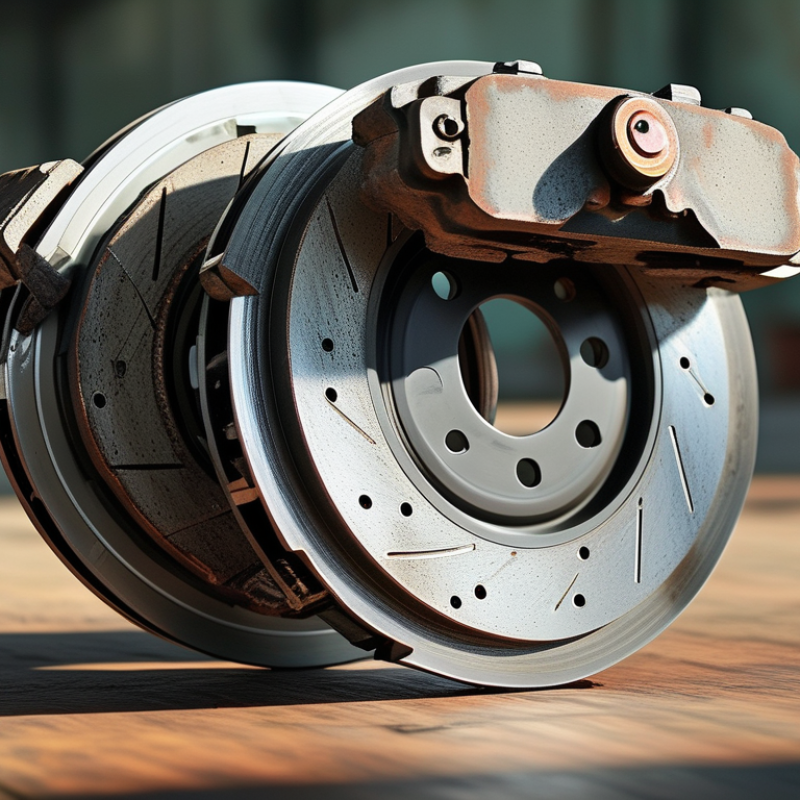
Brake pad wear is a critical aspect of vehicle maintenance. Several factors influence the wear rate, leading to discrepancies among brake pads. Material composition plays a significant role. High-performance pads use advanced materials, which may resist wear better than economy options. According to industry reports, organic pads often wear out 20-30% faster than ceramic alternatives.
Driving habits significantly affect brake pad lifespan. Aggressive driving, such as rapid acceleration and hard braking, causes increased friction. Studies show that city driving can lead to brake pad replacement as much as 60% sooner than highway driving. The cool-down periods in highway travel allow pads to maintain their integrity longer.
Environmental conditions shouldn’t be overlooked. Dust, dirt, and moisture can accelerate wear. In regions with rough terrains or harsh weather, pads face additional stress. Regular inspections can help catch issues early. Many drivers underestimate brake pad inspection, contributing to uneven wear and performance. Ignoring these factors may lead to costly repairs and safety hazards. Proper education on brake maintenance is crucial for every vehicle owner.
Brake pads serve a critical role in vehicle safety. They are essential in the braking process, generating friction that slows or stops a car. However, not all brake pads wear at the same rate. This can be attributed to differences in the materials used and their durability.
Common brake pad materials include organic, metallic, and ceramic compounds. Organic pads offer good stopping power but wear out quickly under heavy use. Metallic brakes are durable and withstand heat well, but they can create more noise. Ceramic pads balance performance and longevity. However, their effectiveness can diminish in extreme conditions.
Driving habits also impact brake pad wear. Aggressive driving can lead to premature wear. In contrast, smooth driving styles may extend pad life. Additionally, installation quality plays a role. Poorly aligned pads can cause uneven wear. Understanding these factors is crucial for maximizing brake system efficiency.
Driving habits play a crucial role in the lifespan of brake pads. Aggressive driving,
which includes rapid acceleration and hard braking, can lead to faster wear. When a driver
constantly applies strong pressure to the brakes, friction increases. This heat generated can degrade the material of brake pads quickly.
In urban areas with frequent stops, the stress on brake pads intensifies.
On the other hand, smooth driving can greatly extend brake pad life. Gentle
acceleration and gradual deceleration help to maintain pad integrity. Regularly maintaining your vehicle also contributes to overall
performance. A well-timed brake inspection can identify issues before they become serious. Flat spots
from repeated hard braking may weaken a pad's surface.
Some mistakes can arise in driving habits. Not all drivers are aware of how their style impacts brake wear. Over time,
bad habits can become the norm. Monitoring driving patterns and practicing more mindful braking can make a significant
difference. Reflecting on how often you brake hard or rush can help. Simple adjustments can lead
to improved brake lifespan.
The weight of a vehicle plays a critical role in brake pad wear. Heavier vehicles exert more pressure on the brake system. This leads to faster wear and tear on specific brake pads. Uneven load distribution can further exacerbate this issue. If the weight is not evenly distributed, the pads on one side may wear quicker than those on the other side.
For instance, consider a truck loaded heavily on one side. The brake pads on that side face increased friction and heat. This can result in premature wear. Even with regular maintenance, the imbalance in weight can challenge the performance of the braking system. Many drivers might not notice this until they experience uneven braking or squeaking sounds.
Understanding how weight and load distribution affect brake pads is crucial. It encourages proper vehicle loading and maintenance. Awareness can lead to wiser decisions during trips. Ignoring these factors can result in costly repairs and safety hazards. Reflection on load management is vital for extending the life of brake pads.
Brake pads are essential for vehicle safety. However, their longevity often varies. Different factors influence wear rates, and maintenance practices play a crucial role. Regular inspection helps identify issues early. Neglecting brake maintenance can lead to uneven wear.
The type of driving also matters. Frequent hard braking can increase wear. City driving usually causes more wear compared to highway driving. Drivers often overlook this aspect, leading to a mismatch in brake pad lifespan. Proper driving habits can extend the life of brake pads significantly.
Quality of installation impacts wear too. DIY installations may lack precision. Misaligned brake components can lead to premature wear. Mechanics with experience can ensure proper fitting. This expertise helps avoid future problems. Establishing a routine maintenance schedule is essential. Regular checks are a reliable way to prolong brake pad life. Adjusting driving habits and ensuring proper installations can make a significant difference in brake performance.
| Brake Pad Type | Material | Vehicle Type | Average Lifespan (miles) | Driving Conditions | Noise Level (dB) |
|---|---|---|---|---|---|
| Ceramic | Ceramic Composite | Sedan | 30,000 | Urban | 65 |
| Metallic | Metallic Alloy | SUV | 25,000 | Off-road | 75 |
| Organic | Organic Materials | Coupe | 20,000 | Mixed | 55 |
| Semi-Metallic | Metal and Organic | Truck | 35,000 | Highway | 70 |
: Several factors include material composition, driving habits, and environmental conditions. Each affects how quickly pads wear.
Different materials, like organic vs. ceramic, have varying wear rates. For example, organic pads may wear out 20-30% faster.
Aggressive driving leads to increased friction and faster wear. Smooth driving can significantly extend the life of brake pads.
Yes, dust, dirt, and moisture add stress to brake pads. Rough terrains and harsh weather can lead to quicker wear.
Many drivers underestimate the need for inspections. Early detection of wear can prevent costly repairs and safety issues.
Poorly aligned pads can cause uneven wear. It's crucial to have proper installation for optimal brake performance.
City driving often requires replacement up to 60% sooner than highway driving due to frequent stops and starts.
No, some materials, like ceramic pads, may lose effectiveness in extreme conditions compared to others.
Aggressive driving accelerates wear, while smooth driving can help maintain brake pad integrity longer.
Drivers often overlook brake inspections, leading to uneven wear. Regular checks are essential for safety and performance.
In exploring the question of "Why is one brake pad wearing faster than the others," several key factors come into play. First, the materials used in brake pads significantly influence their durability and wear rate; some compounds offer better performance but may wear down quicker under certain conditions. Additionally, driving habits can greatly impact brake pad lifespan; aggressive braking and frequent stop-and-go traffic can lead to accelerated wear.
The vehicle's weight and how the load is distributed across its axles also affect brake pad wear. Heavier vehicles or those with uneven weight distribution may experience uneven wear between pads. Lastly, regular maintenance practices play a crucial role in prolonging the life of brake pads. Proper inspection, timely replacement, and ensuring that the braking system is in good condition can help mitigate excessive wear, ultimately answering the question of differential wear among brake pads.

Zizel Auto