Understanding why your brake pedal feels soft after bleeding is crucial for safe driving. Proper brake function is essential for vehicle safety, yet many motorists face this issue. According to the Brake Manufacturers Council, about 20% of brake-related accidents are linked to poor maintenance, including bleeding issues.
Expert brake technician John Smith highlights, "If your brake pedal feels soft after bleeding, it often points to air in the lines or a leak in the system." This echoes the findings of the National Highway Traffic Safety Administration, which emphasizes the importance of regular brake system checks. Motorsports professionals often stress that even a minor brake issue can lead to significant safety concerns on the road.
When bleeding brakes, the goal is to remove air, ensuring a firm pedal. However, if the pedal is still soft, it may indicate underlying problems. This requires a deeper investigation into potential leaks or faulty master cylinders. Addressing these issues promptly is vital for maintaining vehicle control and preventing accidents.
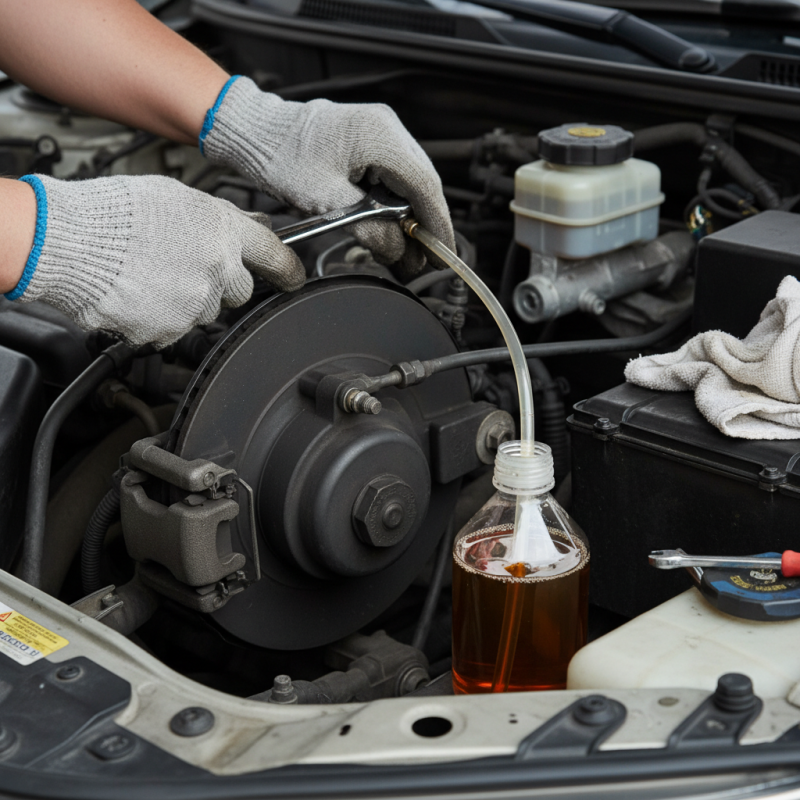
Understanding the Brake System: Key Components and Their Functions
The brake system is a critical part of any vehicle's safety. It consists of several key components, including the master cylinder, brake lines, and calipers. Each component plays an essential role in ensuring proper brake function. The master cylinder generates hydraulic pressure when the brake pedal is pressed. This pressure travels through brake lines and activates calipers, which clamp down on brake rotors. If any part of this system fails, it can lead to soft brake pedals.
Understanding the brake fluid is also vital. According to industry reports, nearly 90% of brake problems are linked to insufficient or contaminated brake fluid. Brake fluid transfers pressure effectively throughout the system. If air enters the lines, it can create sponginess in the pedal. Regular maintenance is crucial in preventing such issues. Checking fluid levels and replacing old fluid can enhance the system's reliability.
Moreover, common oversight in brake troubleshooting is not verifying the condition of brake components. Worn-out or damaged calipers can significantly affect performance. Many drivers overlook this aspect, focusing solely on fluid issues. A visual inspection of brake parts should become a routine practice. Taking these steps can lead to a more responsive braking system and a safer driving experience.
Brake Pedal Pressure Analysis
This chart illustrates the pressure levels associated with different brake pedal conditions. A normal brake pedal pressure typically measures around 30 psi, while conditions such as "soft" and "very soft" indicate lower pressure, which may require further investigation to ensure brake system efficiency and safety.
Common Causes of a Soft Brake Pedal After Bleeding
A soft brake pedal after bleeding can be frustrating. Many drivers experience this issue, but understanding its causes can help with troubleshooting. One common cause is air trapped in the brake lines. Air bubbles can form during the bleeding process, leading to a spongy feel. A thorough and methodical bleeding procedure is essential. Skipping steps or rushing through the process often results in inadequate removal of air.
Another issue could be worn brake components. Brake pads, calipers, or even the master cylinder can cause a soft pedal if they are damaged. Inspect these parts closely for signs of wear or leakage. Even the brake fluid itself can be a factor. Old or contaminated fluid can lose its effectiveness, impacting pedal feel. Regular maintenance of the brake system can prevent these problems.
It's also worth considering the brake fluid level. A low fluid level can cause the pedal to feel soft. Always check the reservoir and top it off with the correct type of fluid. If you've checked everything and the issue persists, it might be time for professional help. Encountering a soft brake pedal can be an opportunity to reflect on braking practices. Ensure you regularly check your vehicle to maintain optimal performance.
Step-by-Step Troubleshooting for Soft Brake Pedal Issues
Experiencing a soft brake pedal can be concerning. After you bleed the brakes, there are several possible reasons for this issue. One common problem is air trapped in the brake lines. Even with proper bleeding techniques, small bubbles can remain. It's crucial to check the method used when bleeding. Ensure you follow the correct sequence and allow enough time for the fluid to escape.
Another reason might be a worn master cylinder. A failing master cylinder can lead to a sponge-like feel when you press the brake pedal. Inspect the hydraulic system for leaks or signs of wear. Pay attention to fluid levels as well; low fluid can contribute to a soft pedal.
Lastly, check the brake pads and calipers. Worn components can affect pedal feel. Sometimes, people overlook these parts, focusing solely on bleeding. Taking a comprehensive approach can reveal hidden issues. Regular inspections enhance safety and performance. This proactive mindset will lead to better braking experiences.
Tips to Ensure Proper Brake Bleeding Technique
Brake bleeding is a crucial process for maintaining optimal braking performance. To ensure that your brake pedal feels firm and responsive, having the right technique is essential. One common issue is air trapped in the brake lines. This can lead to a soft brake pedal. A proper bleeding technique involves starting with the wheel farthest from the master cylinder. It's important to keep your brake fluid reservoir topped up during the process.
Utilizing the correct tools is vital. A one-person brake bleeder kit can help, but practice caution. Pump the brake pedal slowly and steadily, holding it down while loosening the bleeder valve. Observe if bubbles emerge, indicating air escaping. If you see bubbles, continue bleeding until only clear fluid flows. Afterward, ensure you close the valve securely to avoid leaks and potential soft pedal issues.
Sometimes, despite following these steps, a soft pedal persists. This could mean there are underlying problems with the master cylinder or brake pads. Regular checks can identify issues early. The process can be messy and requires patience, but refining your technique is crucial. Documenting your steps may help you improve next time. Every small adjustment leads to better performance and safety.
When to Seek Professional Help for Brake Problems
A soft brake pedal can signal a serious issue. If you've recently bled your brakes and still feel a spongy response, it’s time to take a close look. According to the NHTSA, brake problems account for over 22% of vehicle crashes. Understanding when to seek professional help can be critical for safety.
Check for air bubbles trapped in the brake lines. This occurs if bleeding isn’t done correctly. The recommended method involves using a pressure bleeder or following the correct sequence for each wheel. If checking doesn’t resolve the issue, consider consulting a certified technician. Many reliable reports suggest that almost 40% of DIY brake jobs lead to incomplete solutions.
An expert's insight can save time and ensure safety. If your brake light remains on, or if you hear grinding noises, it’s essential to seek help immediately. Professionals can perform a thorough inspection, which is crucial if you notice any inconsistencies in braking performance. Always prioritize your safety over potential DIY savings.
Tips: Regular maintenance can prevent soft pedal problems. Ensure your brake fluid is fresh and levels are correct. Inspect brake components for wear. When in doubt about your abilities or safety, don't hesitate to reach out.
Conclusion
When facing the question, "Why is my brake pedal soft after bleeding," it's essential to understand the key components of a brake system and their functions. A soft brake pedal can often indicate issues such as air trapped in the brake lines, old or contaminated brake fluid, or worn-out brake components. Identifying these common causes is crucial for effective troubleshooting.
To resolve a soft brake pedal, one should follow a systematic approach to troubleshooting. This includes re-evaluating the bleeding process to ensure all air has been removed and checking for leaks or damage in the system. Additionally, applying proper brake bleeding techniques can significantly impact the overall performance of the brakes. In cases where these steps don’t solve the problem, seeking professional assistance is advisable to ensure safe and reliable braking performance.

 Zizel Auto