Understanding the question, "Why are my brakes overheating on long descents?" is crucial for drivers, especially in mountainous regions. Brakes are essential for vehicle safety, and their performance is vital in preventing accidents. Reports indicate that overheating can reduce braking efficiency by up to 30%.
When traveling downhill, braking systems endure excessive heat. The friction between brake pads and rotors generates high temperatures. According to the Society of Automotive Engineers (SAE), sustained braking can elevate brake temperatures significantly above their design limits. Inadequate cooling and prolonged braking on steep descents exacerbate this issue. Drivers often overlook these factors, leading to brake fade and potential system failure.
Moreover, maintaining proper brake fluid levels and using high-quality components can mitigate overheating risks. However, many drivers neglect these essential checks. Implementing preventive measures and understanding thermal dynamics can enhance safety on steep roads. Ignoring this knowledge may result in costly repairs or, worse, accidents.
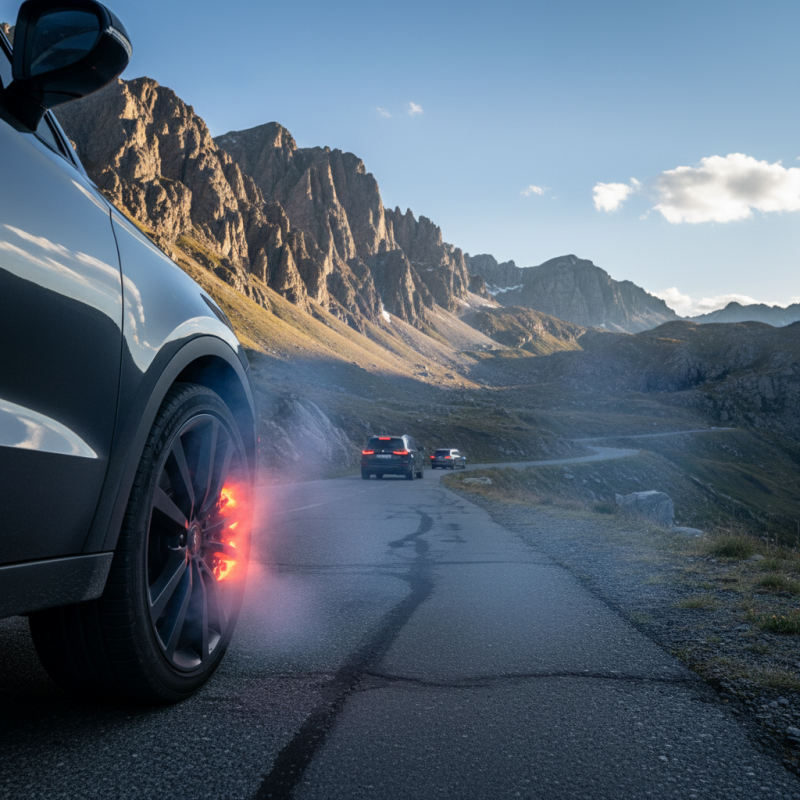
Braking on steep mountain descents generates significant heat. This heat can lead to brake overheating, affecting performance and safety. The weight of the bike and rider creates pressure on the brakes. Long descents result in continuous braking, which increases the temperature. The materials used in brake pads and rotors also play a role. When they reach high temperatures, they can begin to fade, leading to reduced stopping power.
Understanding how heat affects brakes is crucial. Brake fluid can boil if excessive heat is generated. This issue can cause a complete brake failure, which is dangerous. Riders should pay attention to brake feel during long descents. If the brakes feel spongy or unresponsive, it’s a sign of overheating. Maintaining a proper speed and using engine braking can help manage heat levels. Regular checks of brake components are essential for safe riding.
It’s important to reflect on your riding habits. Some riders brake excessively, which increases heat buildup. Learning to anticipate turns and terrain can reduce braking needs. Using brakes less and planning your descent can improve safety and maintain control. Riders must understand their limits and their bike’s capabilities. Balancing speed and brake usage will enhance the overall riding experience.
| Cause of Overheating | Description | Preventive Measures | Symptoms |
|---|---|---|---|
| Excessive Braking | Frequent and prolonged use of brakes during descents causes heat build-up. | Use engine braking, shift to lower gears on descents. | Fading brake response, burning smell. |
| Poor Brake Pad Quality | Low-quality brake pads may not dissipate heat effectively. | Upgrade to higher quality brake pads designed for heavy use. | Squeaking noises, reduced stopping power. |
| Overloaded Vehicle | Excess weight from passengers or cargo puts additional strain on brakes. | Adhere to vehicle weight limits and distribute weight evenly. | Increased brake temperature, longer stopping distances. |
| Poor Brake Cooling | Brakes may not have adequate airflow to cool properly. | Upgrade to ventilated disc brakes or ensure proper airflow. | Overheating warnings, brake fluid boiling. |
| Brake Fluid Issues | Moisture in brake fluid can lower boiling point, leading to vapor lock. | Flush and replace brake fluid regularly. | Soft or spongy brakes, reduced responsiveness. |
: Brake overheating occurs due to continuous pressure and friction, generating high heat on long descents.
If the brakes feel spongy or unresponsive during a descent, it may indicate overheating.
It's important to reassess your braking method and reduce your speed. Consider taking a break.
Regular inspection of brake pads and rotors is essential. Check at least once before long rides.
Opt for high-performance brake pads that can handle intense heat more effectively than standard options.
Engine braking helps reduce reliance on brake pads, dispersing heat and lowering the risk of overheating.
Yes, the combined weight of the bike and rider increases pressure on the brakes, generating more heat.
Anticipate turns and terrain to minimize braking needs. This helps maintain control and enhance safety.
Excessive braking can lead to overheating. Understanding your limits can improve safety and riding experience.
Excessive heat can boil brake fluid, risking complete brake failure, which is extremely dangerous.
When tackling the question, "Why are my brakes overheating on long descents?", it's crucial to understand the mechanics behind brake performance during mountain driving. Brake overheating typically occurs due to excessive use, leading to diminished braking power and potential brake failure. Common causes include prolonged braking, misuse of engine braking, and inadequate cooling of the brake components.
Signs of overheating can manifest as a burning smell, reduced braking efficiency, or visible discoloration of brake components. To prevent brake overheating, drivers should maintain a safe speed, utilize engine braking effectively, and inspect their braking system regularly. If symptoms persist, seeking professional assistance is essential to ensure safety and addressing underlying issues effectively. By being proactive and informed, drivers can enjoy safer journeys on long mountain descents.

 Zizel Auto