Why Do My Brakes Squeak After New Pads in 2026?

Time:2026-05-05 Author:Mason
0%

When you install new brake pads, hearing squeaking can be puzzling. Many drivers ask, "Why do my brakes squeak after new pads?" This common issue can stem from several reasons, and understanding them may help you address the problem effectively.

Firstly, brake pads may need a break-in period. During this time, the sound might fade. However, continued squeaking can indicate other underlying issues. Make sure your brake pads are high-quality and compatible with your vehicle. Cheap or incorrect pads are more prone to noise.

Additionally, dust and debris can accumulate between the pads and rotors. This buildup can lead to squeaking sounds. Regular cleaning can help maintain brake silence. It’s vital to inspect the entire braking system if squeaking persists. This ensures safety and proper functioning. Keep in mind, occasional noises aren't always alarming, but consistent squeaks warrant investigation.
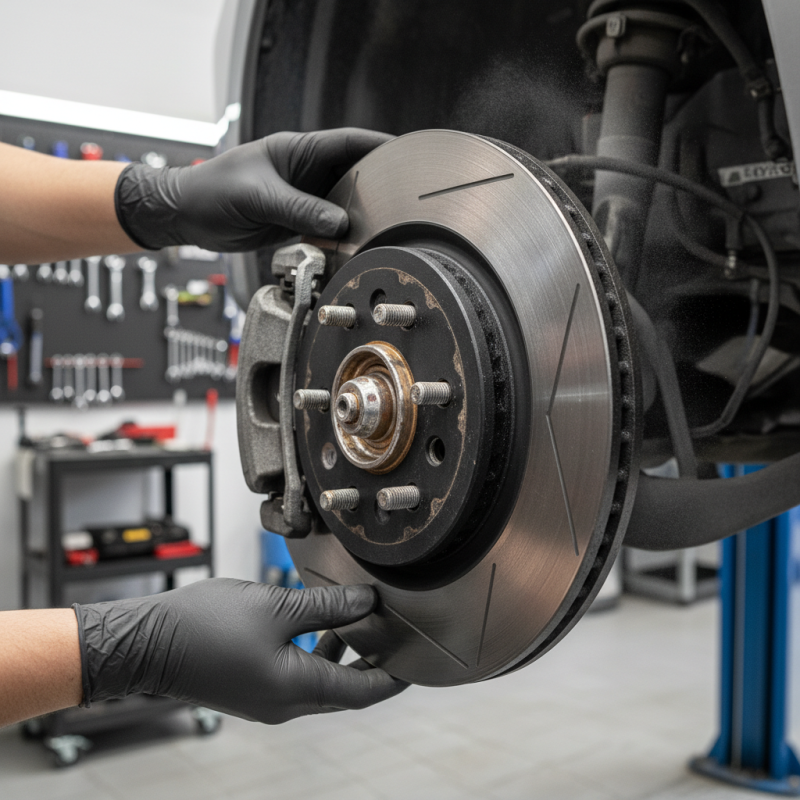
Why Do My Brakes Squeak After New Pads in 2026?

Understanding Brake Pad Composition and Its Impact on Squeaking

Brake pad composition plays a crucial role in the overall performance of your vehicle's braking system. New pads may squeak due to the materials used in their construction. Many pads utilize metal shavings for strength, which can create noise during braking. Copper, for example, can lead to unwanted sounds if not paired effectively with rotors.

Another factor to consider is the installation process. Improper alignment can cause pads to rub against the rotor unevenly. Dust or debris may also accumulate, leading to squeaks. This buildup might go unnoticed initially but can indicate a need for maintenance. Therefore, regular inspections are essential to maintain quality performance.

Environmental conditions can also contribute to brake noise. Humidity and temperature changes can affect pad behavior significantly. If you live in a rainy area, moisture can cause temporary squeaking. Paying attention to these details can help address the noise sooner. Being mindful of these issues ensures a smoother and quieter ride.

Brake Squeaking Analysis After New Pads Installation (2026)

Common Causes of Brake Squeaking After Pad Replacement in 2026

Brake squeaking after replacing pads in 2026 can frustrate drivers. It often occurs due to insufficient bedding of new pads. Proper bedding helps establish a uniform layer of brake pad material. If not done correctly, this may lead to noise.

Another common cause is dust and debris accumulation. Even new pads can attract particles during installation. These particles may interfere with the braking surface, causing squeaks. Regular cleaning of the brake assembly can help minimize this issue.

Additionally, the type of brake pads used plays a role. Some pads are designed to be quieter, while others may produce noise under certain conditions. It's essential to consider the material composition when installing new pads. Remember, over-adjusted calipers can also lead to brakes contacting too tightly, resulting in noise. Addressing these factors is crucial for a quiet, safe ride.

The Role of Brake Hardware and Lubrication in Reducing Noise

When new brake pads are installed, noisy brakes can still occur. This often stems from inadequate brake hardware or improper lubrication. Brake pads rely on a system designed to minimize noise. Missing or worn-out hardware can lead to vibrations. This vibration can cause the pads to squeak.

Proper lubrication is crucial in this context. Lubricating the caliper slides, backing plates, and hardware helps reduce friction. When these components are dry, they can create noise as they move. A thin layer of high-temperature grease is often appropriate. However, using too much can attract dust and dirt, which can worsen noise problems.

It's also worth considering how brake pads are seated in their calipers. Incorrect installation may create pressure inconsistencies. This can cause the pads to wear unevenly, leading to further noise. Regular maintenance checks can help identify these issues. Paying attention to brake performance can save time and money in the long run.

How Environmental Factors Influence Brake Performance and Sound

Brake squeaking after new pad installation can be frustrating. It's common for drivers to notice unusual sounds from their brakes. While new pads should improve braking performance, environmental factors play a significant role in overall brake function. These factors can cause noise even when components are in good condition.

Moisture is a primary factor. Rain or high humidity can cause rust to form on brake rotors. This rust can lead to a temporary squeaking sound until it wears away. Dust and debris are other culprits. Road grime can accumulate between brake components, creating noise upon engagement. Temperature fluctuations also affect brake performance. When it’s hot, brake materials may expand. When it cools, they contract, leading to potential squeaks.

In urban areas with heavy traffic, brake wear may differ. Constant stop-and-go driving generates heat. This can warp components, making them rubbery and prone to noise. Poor air quality can also affect the brake system. Pollutants can corrode metal parts, impacting performance. Balancing maintenance and understanding your driving environment is essential. Reflect on these factors to better troubleshoot squeaking brakes after replacements.

Industry Standards for Brake Performance: Insights on Squeaking Issues

Brake performance is critical for vehicle safety. New brake pads should ideally function smoothly. However, many drivers notice squeaking noises after installing new pads. This issue can arise due to several factors.

One common reason for squeaking is inadequate bedding. When new pads are not properly bedded to the rotors, friction material may not bond effectively. This can lead to noise during braking. Another factor is moisture. Water on the brake components can cause temporary squeaking until it evaporates. Environmental conditions like humidity may enhance this issue.

Quality control in brake manufacturing also plays a role. Not all pads meet industry standards for noise reduction, contributing to unwanted sounds. Inconsistent materials or construction can lead to performance problems. Drivers should ensure they use reputable sources for brake components. Paying attention to the signs can help address potential problems.

FAQS

: Why do my brakes squeak after installing new pads?

: Squeaking can be due to inadequate bedding or environmental factors like moisture.

How does moisture affect brake performance?

Moisture can lead to rust on rotors, causing squeaking sounds until it wears off.

What role does dust play in brake noise?

Dust and debris can accumulate and create noise when brakes engage, affecting performance.

Can temperature changes impact my brakes?

Yes, temperature fluctuations can cause brake materials to expand and contract, leading to squeaks.

How does urban driving affect brake wear?

Constant stop-and-go traffic generates heat, which can warp brake components and cause noise.

What should I consider for brake maintenance?

Regular maintenance and understanding your driving environment are key to preventing brake issues.

Does air quality influence brake performance?

Poor air quality can corrode metal parts, negatively impacting braking efficiency and causing noise.

What are the industry standards for brake components?

Not all brake pads meet noise reduction standards, leading to potential squeaking issues.

What can I do about inadequate bedding?

Ensure proper bedding of new pads to rotor surfaces to minimize noise during braking.

How can I ensure I’m using quality brake components?

Choose reputable sources for brake parts to avoid issues related to inconsistent materials.

Conclusion

Understanding the question "Why do my brakes squeak after new pads?" involves examining several factors that contribute to this common issue. One main reason is the composition of the new brake pads, which can vary in materials that may not be perfectly compatible with the existing braking system, leading to noise. Additionally, improper installation or lack of adequate lubrication on brake hardware can amplify squeaking sounds, making it essential to pay attention to these details during replacement.

Environmental factors, such as humidity or temperature changes, can also play a significant role in brake performance and noise production. Moreover, industry standards highlight the importance of effective brake function, providing insights into the frequency of squeaking after pad replacements. By addressing these components, drivers can gain a better understanding of their braking system and mitigate the annoyance of brake noise following new pad installation.

Mason

Mason

Mason is a seasoned marketing professional with a deep expertise in the company's offerings and a passion for driving brand awareness. With a strong background in digital marketing strategies, he has an innate ability to connect with diverse audiences and effectively communicate product benefits.......