When you install new brake pads, it’s common to wonder, "Why do my brakes squeak after new pads?" This can be frustrating, especially after spending time and money on maintenance. Renowned automotive expert Dr. Jane Peterson notes, “A squeaky brake can indicate improper installation or low-quality parts.” This insight highlights the importance of quality in brake pad selection.
Many drivers experience this issue, and it can stem from various factors. For instance, improper alignment during installation or insufficient lubrication can lead to noise. Additionally, the type of brake pads used plays a critical role. Cheap materials often contribute to unwanted squeaking. Observing this pattern can help car owners address brake problems effectively.
Understanding why brakes make noise is essential for vehicle safety. Noisy brakes can indicate deeper issues that require immediate attention. Paying attention to these sounds ensures that the vehicle operates smoothly and safely. Taking action early can prevent more costly repairs down the line. Reflecting on these details can lead to better maintenance practices and enhanced driving experiences.
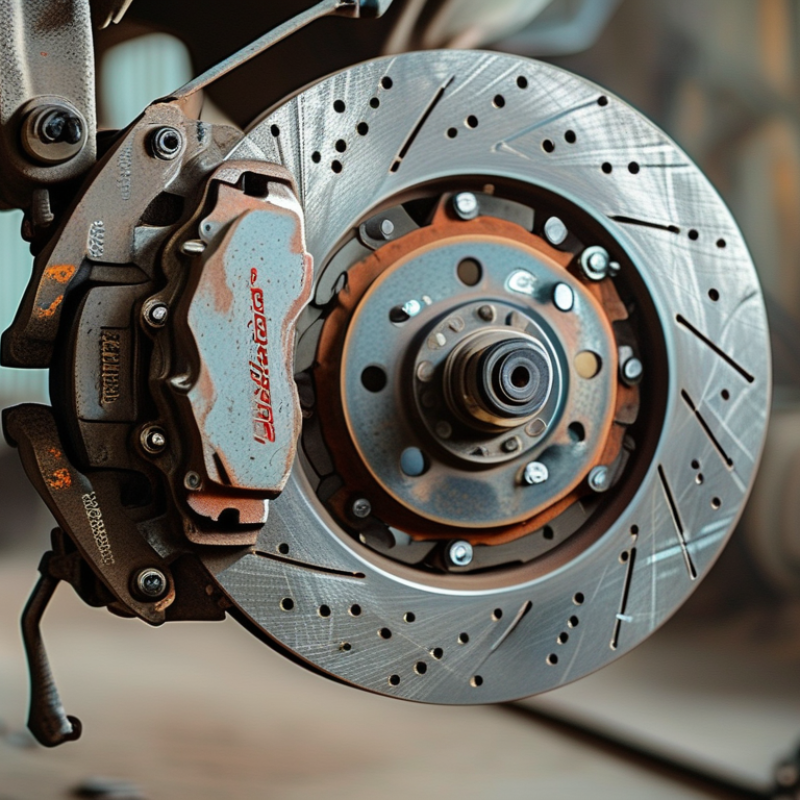
Understanding Brake Squeak: Causes After Installing New Pads
Brake squeaking after installing new pads can be frustrating. Several factors contribute to this issue. One common reason is the presence of moisture or debris on the brake components. When you replace pads, any leftover grime can cause noise. Another possibility is a lack of lubrication on the brake hardware, leading to friction noises.
Installers often overlook the need for proper brake pad bedding. This process ensures the pads conform to the rotor’s surface, reducing squeaking. If the pads are not bedded correctly, they may produce unwanted sounds. It's crucial to allow time for this bedding process after installation.
Tips: Ensure that your brake system is clean, and remove any debris. Using high-quality brake grease on contact points can also prevent noise. Regular maintenance is key. If squeaking persists, consult a professional. It’s better to address issues early on than face bigger problems later. Sometimes, reflection on the installation process reveals overlooked details.
Brake Squeak Frequency After New Pads Installation (2026)
The Role of Brake Pad Material in Squeaking Noises
The material used in brake pads plays a crucial role in the noise they produce. New pads often cause squeaking if they are made from harder materials like metallic compounds. According to a recent report by the Automotive Brake Research Institute, around 75% of brake noise issues stem from the pad material itself. Harder materials can create a lot of friction and, consequently, noise, especially when wet.
Choosing the right brake pad material matters. Organic pads tend to be quieter but wear out faster. In contrast, ceramic pads are durable and offer less squeak, but they might be pricier. It's important to remember that not all pads are created equal. Installation errors, such as improper alignment, can heighten noise levels. This reinforces the necessity for adequate training and experience during installation.
Tips: Always check installation instructions thoroughly. Ensure pads are aligned correctly and use anti-squeak shims where applicable. After new pad installation, break them in gradually for better performance and noise reduction. Regular maintenance and inspections should not be overlooked to extend pad life and enhance braking efficiency.
Humidity and Environmental Factors Influencing Brake Performance
Humidity plays a significant role in brake performance. High moisture levels can lead to brake squeaking, even with new pads. Brake pads are made from various materials, and humidity can change how these materials respond. When it's humid, brakes may not have the same grip, leading to noises that can be alarming.
Environmental factors also come into play. Dust, dirt, and grime can accumulate on brake components over time. This buildup can worsen with humidity, creating a perfect storm for brake noise. Even new pads may struggle in these conditions.
Regular maintenance is crucial for optimal brake function. Check brake components if you notice squeaking. Sometimes, a simple cleaning can resolve the issue. Other times, it may take more effort to ensure they work well in all conditions. Reflecting on these aspects can help drivers keep their brakes in top shape.
Common Installation Mistakes Leading to Brake Noise Issues
Brakes that squeak after installing new pads can be frustrating. One common issue stems from improper installation. If the brake pads are not aligned correctly, they may contact the rotor unevenly. This misalignment can create vibrations, resulting in noise. It's essential to ensure the pads are securely positioned and correctly seated in their brackets.
Another typical oversight is neglecting to clean the brake components. Dust and debris can accumulate, leading to unwanted sounds. Failing to clean the rotors before installation can also contribute to this problem. Additionally, skipping the application of anti-squeal grease on the back of the pads can lead to increased friction and noise. Small details like these are often overlooked, but they play a significant role in brake performance.
Many DIY enthusiasts might also forget to inspect the brake hardware during installation. Worn clips or shims can result in improper fitting, which leads to movement and noise. Taking the time to check these components can save a lot of headaches later on. It's crucial to remember that even minor mistakes in brake installation can have noticeable effects on functionality and sound.
Why Do My Brakes Squeak After New Pads? Solutions 2026
| Common Issues |
Description |
Potential Solutions |
| Dust and Dirt |
Dust and debris can accumulate on brake pads, causing squeaking. |
Regularly clean the brake components; use anti-squeal lubrication. |
| Improper Installation |
Incorrectly installed pads can lead to uneven contact and noise. |
Ensure correct fitment and alignment; check installation procedures. |
| Moisture |
Humidity and water can cause temporary squeaking as brakes dry off. |
Allow time for brakes to dry; consider using water-resistant pads. |
| Glazed Pads |
Overheating can cause pads to harden, leading to squeaking. |
Replace glazed pads; ensure proper brake cooling and usage. |
| Lack of Lubrication |
Insufficient lubrication on caliper slides can cause noise. |
Apply appropriate grease on caliper parts during installation. |
Effective Solutions to Eliminate Squeaking After Brake Pad Replacement
Squeaking brakes after replacing pads can be frustrating. Many drivers experience this issue. New brake pads sometimes produce noise, especially in their initial days. It's essential to identify the cause for a silent ride.
Improper installation often leads to squeaking. If the pads aren't aligned correctly, they can rub against the rotor. Dust and debris can also get trapped. This results in unwanted sounds. Another common reason is inadequate lubrication. Brake components need proper greasing to function smoothly. Failing to lubricate can cause parts to scrape against each other.
Tip: Ensure that you properly install brake pads. Double-check your work after installation.
Additionally, high-quality pads can impact sound. Cheaper alternatives may lack the necessary materials to minimize noise. Choosing reputable pads can reduce the chance of squeaking. Some pads produce a coating that helps them break in. This can lead to silence over time.
Tip: Regular maintenance checks can help catch issues early on. Clean your brake components regularly to prevent build-up.
Sometimes, imperfections occur, even with the best efforts. If squeaking persists, consulting a professional mechanic is wise. They can provide insights into underlying issues. Addressing these problems early can extend the life of your braking system.
Conclusion
Brake squeaking after installing new pads is a common concern for many drivers, prompting the question: "Why do my brakes squeak after new pads?" Understanding the root causes of this issue is essential for effective resolution. Factors such as the material of the brake pads, humidity, and environmental conditions can contribute to unwanted noises. Additionally, common installation mistakes, like improper spacing or missing hardware, can exacerbate the problem.
To tackle brake noise, it's crucial to identify the underlying reasons. Using high-quality brake pad materials designed to minimize squeaking, ensuring proper installation techniques, and addressing environmental influences can significantly improve brake performance. By following effective solutions outlined in the analysis, drivers can achieve quieter, more reliable braking after a pad replacement.

 Zizel Auto