Understanding what causes a brake pedal to pulse or vibrate is essential for safe driving. When a driver presses the brake pedal, they expect smooth and responsive braking. However, pulsation or vibration can indicate underlying issues.
Expert mechanic John Smith states, “A pulsing brake pedal often reflects problems with the brake rotor or pad.” His insight highlights the importance of regular maintenance. When rotors become warped or uneven, they create irregular contact with the brake pads. This can lead to a jarring sensation in the brake pedal, alarming for any driver.
Issues can vary from worn-out components to improper installation of parts. Even a small amount of rust on brake rotors can cause significant vibration. Many drivers might overlook these sensations, attributing them to normal wear. However, understanding what causes a brake pedal to pulse or vibrate is crucial. Ignoring these signs can lead to more severe problems and safety hazards. Therefore, recognizing the symptoms early ensures better performance and driver safety.
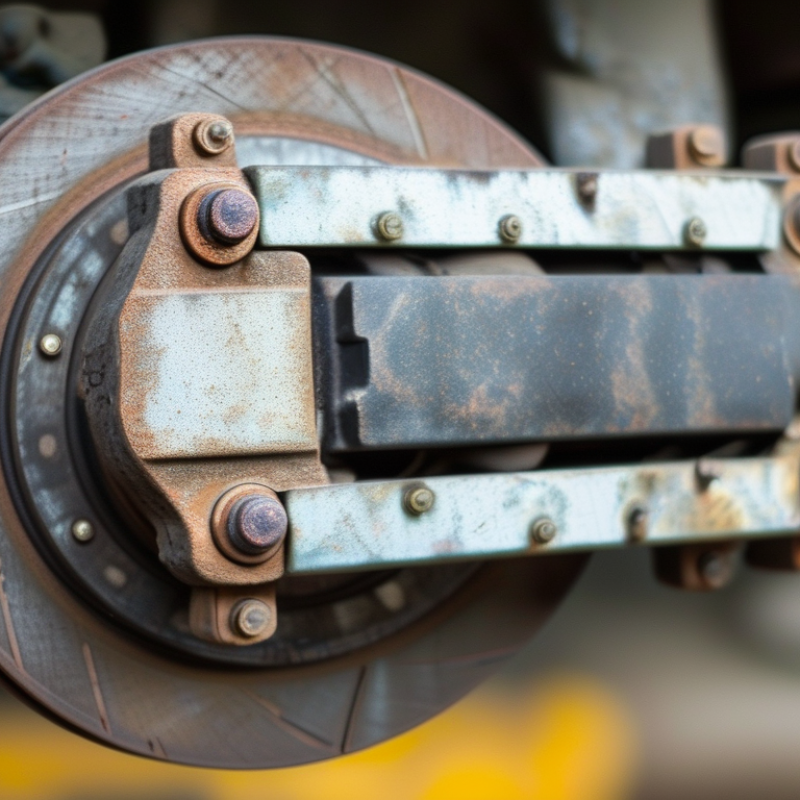
Brake pedal pulsation can be a frustrating experience for drivers. Understanding why it happens is key to addressing the issue. Most commonly, pulsation occurs due to uneven brake rotors. When rotors wear unevenly, they can create a bumpy surface. This leads to vibrations that travel through the brake pedal when you apply the brakes.
Another reason for brake pedal vibration is the buildup of brake dust or debris. Over time, contaminants can accumulate between the brake pads and rotors. This can cause inconsistent friction, leading to pulsation. Regular maintenance can help prevent these issues.
Tips: Regularly check your brake system for wear. Look for signs of uneven rotor wear. If you feel vibrations, have your brakes inspected immediately. Keeping your brake components clean is essential. A clean system ensures proper functioning and can prevent annoying pulsations.
Brake pedal vibration can indicate several underlying issues. One common cause is warped brake rotors. When rotors are not perfectly flat, they create an uneven surface. This leads to a pulsating sensation when you apply the brakes. It's essential to address this issue promptly to ensure safe braking performance.
Another reason for pedal vibration is worn brake pads. Over time, pads can become uneven or develop hotspots. This irregular wear can result in vibrations during braking. Regular inspections can help catch this early. Ensuring that pads are replaced in pairs can also help maintain smooth braking.
Finally, air in the brake lines can affect the system's pressure. If your vehicle feels spongy or the pedal pulses, it's worth checking for air pockets. Bleeding the brake system may be necessary. Each of these issues requires attention. Braking systems are critical for safety, so any noticeable change should prompt further investigation.
A pulsating or vibrating brake pedal can indicate several underlying issues in a vehicle. One common symptom is the sensation that the pedal is rhythmically pushing back against your foot. This can be unsettling, especially when you are trying to slow down. Often, this issue arises when brake rotors become warped or uneven due to excessive heat or wear. You might notice a vibration that intensifies with speed and lessens when you apply light pressure.
Another effect of a vibrating brake pedal is reduced braking efficiency. This can lead to longer stopping distances, increasing the risk of accidents. Drivers may find themselves pressing harder on the pedal, which can amplify the pulsation feeling. Additionally, the sound of grinding or squeaking brakes may accompany the pedal's irregular motion. These signs should not be ignored as they indicate a need for immediate attention. Regular maintenance of the braking system is crucial to prevent such conditions. However, some drivers may overlook small issues until they escalate, reflecting a need for greater awareness and proactive care.
A vibrating brake pedal can signal various issues. Diagnosing these problems requires keen observation and step-by-step checks. Start by listening for unusual noises when you apply the brake. A grinding sound may indicate worn brake pads. If there's a pulsing feel, it might suggest warped rotors. Take a moment to check the brake fluid level. Low fluid can impact brake performance significantly.
Tips: Always inspect your brake components regularly. If you notice any changes in how the brake feels, address them promptly. Ignoring symptoms can lead to more severe issues down the road.
Next, examine the brake lines for leaks. Any fluid leak can compromise your system. Additionally, assess your tires' condition; uneven wear can cause vibration. When testing the brakes, apply steady pressure. If the pedal still vibrates, it might be time for a professional inspection.
Tips: Maintain your car's braking system with routine maintenance. Clean and replace parts as needed. Do not overlook any signs of wear and tear; they matter.
Brake vibrations can be a troubling sign for any driver. Common causes include worn brake pads and warped rotors. These issues lead to uneven braking, making the pedal pulse or vibrate. Identifying the cause early can save you from more major repairs. Regular vehicle inspections can help catch these problems before they escalate.
To prevent brake vibration, ensure you change brake pads according to manufacturer guidelines. Using high-quality parts plays a significant role in maintaining brake integrity. Another preventive measure is having your rotors resurfaced or replaced when necessary. Consistent tire rotations and alignments contribute to smoother braking. Unexpected vibrations might indicate underlying issues needing your attention.
It's vital to listen to your vehicle. Unusual brake behavior can arise from various factors. Pay attention to sounds and feel while braking. If you notice persistent vibrations, consulting a trusted mechanic is important. They can assess the situation accurately. Simplifying maintenance can often lead to unexpected improvements in performance. Reflect on your driving habits and how they affect your car's health.
This chart displays the common causes of brake pedal vibration in vehicles, measured by the percentage of drivers who reported experiencing each issue.
: Uneven brake rotors are a common cause. They create a bumpy surface, leading to vibrations.
Buildup of brake dust can cause inconsistent friction. This may lead to pulsation when braking.
You may feel the pedal rhythmically pushing back against your foot. This can be unsettling.
Regular maintenance can prevent wear and buildup. This ensures proper functioning and minimizes pulsation.
Ignoring vibrations can reduce braking efficiency. This may lead to longer stopping distances and accidents.
Inspect for signs of uneven rotor wear. Look for vibrations when braking and sounds like grinding.
Have your brakes inspected immediately. Don’t wait for small issues to escalate into bigger problems.
Yes, it can increase the risk of accidents. Reduced braking efficiency means longer stopping times.
Some vibration is normal, but consistent pulsation indicates a problem. Regular checks are essential.
A dirty brake system can lead to more severe issues. This lets pulsation and other problems develop.
Brake pedal pulsation or vibration can be a concerning issue for vehicle owners, prompting the question: "What causes a brake pedal to pulse or vibrate?" Several common causes contribute to this phenomenon, including warped brake rotors, uneven brake pad wear, and issues related to the brake system's hydraulic components. These factors not only affect the feel of the brake pedal but can also lead to decreased braking efficiency and safety concerns.
Identifying the symptoms of brake pedal vibration is crucial for timely diagnosis. Drivers may experience a shaking sensation when applying the brakes, which can indicate underlying problems. A step-by-step guide to diagnosing brake pedal issues can help vehicle owners pinpoint the source of the vibration. Preventive measures such as regular maintenance and timely brake inspections can mitigate these issues, ensuring a smoother and safer driving experience. By understanding the causes and effects of pulsating brake pedals, drivers can take proactive steps to address and resolve the problem.

Zizel Auto