Ensuring brake system integrity is crucial for vehicle safety. One common issue is the presence of air bubbles in the brake lines. Understanding "how to check brake line for air bubbles" is essential for any vehicle owner. According to the National Highway Traffic Safety Administration, approximately 20% of accidents result from brake system failures. Regular maintenance can help reduce this statistic.
Air in the brake lines can lead to a spongy brake pedal and reduced stopping power, creating serious safety risks. Research indicates that even small amounts of air can significantly impair a vehicle's braking performance. A simple visual inspection and testing can reveal the presence of air bubbles.
Being proactive about brake maintenance promotes vehicle reliability. Neglecting this aspect can lead to costly repairs or hazardous situations. Drivers should educate themselves on effective inspection methods. This knowledge fosters safe driving practices and empowers owners to maintain their vehicles properly.
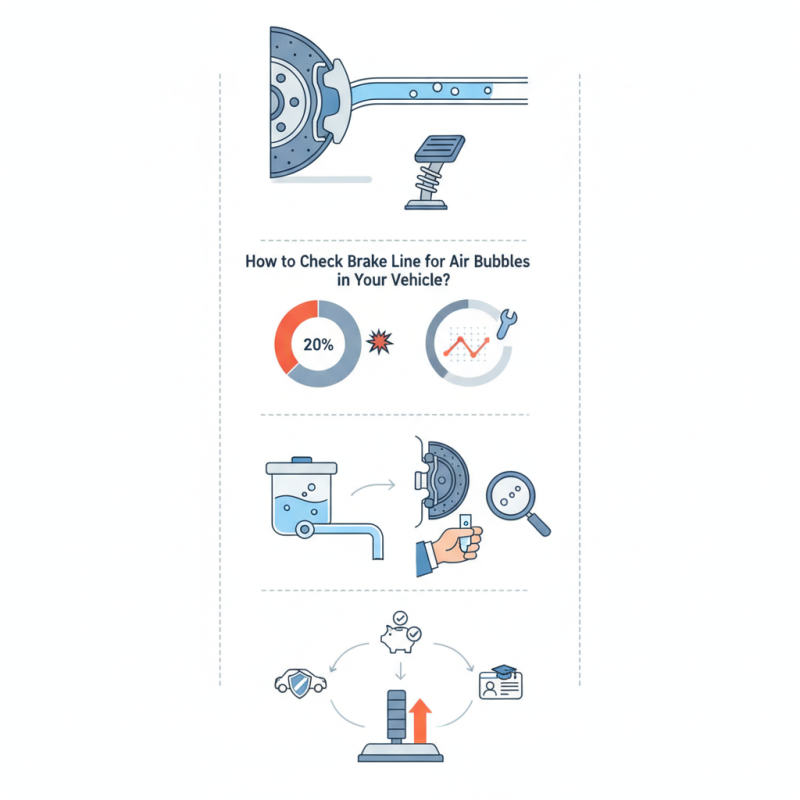
Brake lines play a crucial role in vehicle safety. They are responsible for transferring brake fluid from the master cylinder to the brake components. A failure in this system can lead to catastrophic results. According to the National Highway Traffic Safety Administration (NHTSA), nearly 20% of vehicle accidents are due to brake system failures. This statistic emphasizes the need for regular inspection and maintenance of brake lines.
Understanding how to check for air bubbles in brake lines is essential. Air in the system can reduce braking efficiency, leading to longer stopping distances. A study by the Society of Automotive Engineers (SAE) indicated that the presence of air can decrease braking performance by 30%. Familiarizing yourself with the signs of air bubbles can enhance your vehicle's safety.
When checking for air bubbles, keep this in mind: inspect your brake line connections for leaks. Look for any signs of corrosion or damage. Don't overlook the importance of flushing your brake fluid every 1-2 years to prevent air entrapment. Regular maintenance is vital for safe driving.
Tip: Always test your brakes after maintenance. If they feel spongy, air might be present in the line. Be proactive—schedule a professional inspection if unsure.
Air bubbles in brake lines can lead to serious safety issues. Identifying symptoms is crucial. One common indicator is a spongy or soft brake pedal. When you press the pedal, it may feel less responsive. This happens because air compresses, reducing hydraulic pressure. According to data from industry reports, up to 30% of brake-related accidents may stem from poorly maintained systems.
Another symptom to watch for is inconsistent braking. You might notice a lag in response or uneven braking when applying pressure. This can compromise your vehicle’s ability to stop efficiently. Research indicates that nearly 50% of drivers neglect regular brake system checks, increasing the risk of brake failure. Ignoring these signs can lead to more severe problems, causing costly repairs or accidents.
Additionally, listen for unusual sounds when braking. If there are squeaks or grinding noises, it could suggest issues with the brake system. Addressing these symptoms promptly can enhance vehicle reliability. Regular maintenance, such as bleeding brake lines, can help prevent the formation of air bubbles and ensure optimal performance. Consider frequent checks to maintain safety and vehicle efficiency.
Checking for air bubbles in your vehicle's brake lines is crucial for maintaining safe braking performance. Start by gathering essential tools. You will need a clear plastic tube, a wrench, and brake fluid. These items will help in identifying air bubbles effectively.
Begin the process by locating the brake bleeder valves on your brake calipers. Attach the clear tube to the valve and place the other end in a container filled with brake fluid. This setup prevents air from re-entering the system. As you open the valve, watch for fluid flow. Small air bubbles will rise through the tube if present. A maneuver that’s often overlooked is to press the brake pedal while the valve is open. This action helps release more trapped air.
During this inspection, you might notice unexpected results. Sometimes, air bubbles persist even after multiple attempts. This could indicate a larger issue within the brake system. If problems continue, consider seeking professional help. Missteps in this process can be costly. Recognizing these early signs will save you from potential failures on the road. Trust your instincts and verify the brake line regularly for optimum safety.
Checking your brake line for air bubbles is crucial for vehicle safety. To conduct a thorough inspection, you need specific tools and equipment. This ensures a reliable assessment of your braking system.
Essential tools include a brake bleeder kit. These kits come with hoses and a container for fluid, making it easier to detect air bubbles. A wrench for loosening bleeder valves is also necessary. A transparent tube can help visualize the fluid as it flows. Always use gloves to maintain hygiene and avoid contamination.
Having a reliable flashlight can shed light on hard-to-see areas. As you inspect the brake lines, look for any leaks or damage. Pay close attention to connections and fittings. It’s easy to miss small details that could indicate problems. If you find air bubbles, you might need to bleed the brakes repeatedly. This requires patience and careful work. Keep track of what you discover to guide future inspections.
Detecting air bubbles in your brake lines is crucial for safe vehicle operation. If you find air bubbles during inspection, it's vital to address the issue immediately. Air within the system compromises braking efficiency. You might notice a spongy brake pedal or inconsistent braking response. Such symptoms indicate that air is present, and prompt action is needed.
Once air bubbles are detected, the first step is to bleed the brake lines. This process expels trapped air, restoring proper brake function. Ensure you have the right tools and brake fluid on hand. It's often a two-person job: one to pump the brakes while another opens and closes the bleeder valve. Be careful to keep the fluid reservoir filled. If the problem persists, check for leaks or consult a professional. Sometimes, a deeper inspection of the brake system is warranted.
Improperly addressing air in brake lines can lead to serious safety risks. It's essential to reflect on your DIY capabilities. If you're unsure about the process, seeking expert advice is wise. Remember that brakes are critical to vehicle safety, and taking the right steps is key. Don’t hesitate to ask for help if needed.
This chart illustrates the presence of air bubbles detected in the brake lines of vehicles. Out of a sample size of 100 vehicles, 75 had no air bubbles, while 25 detected some, highlighting the importance of regular brake line checks.
: Brake lines transfer brake fluid, crucial for effective braking. Failures can lead to serious accidents.
Nearly 20% of vehicle accidents are due to brake system failures, highlighting the need for maintenance.
Air in brake lines can reduce efficiency, leading to longer stopping distances. Performance can drop by 30%.
Inspect brake line connections for leaks, corrosion, or damage. Regular maintenance is essential for safety.
Flush brake fluid every 1-2 years to prevent air entrapment and ensure optimal brake system performance.
Essential tools include a clear plastic tube, wrench, brake fluid, and a brake bleeder kit for effective checks.
If air bubbles persist, consider professional help. It may indicate a larger issue within the brake system.
Testing brakes ensures they function well. A spongy feel may mean air is present, requiring immediate attention.
Persistent bubbles indicate potential issues. Seek help to avoid costly mistakes and ensure safe driving.
It's easy to overlook details. Regular checks and staying attentive can prevent future brake failures.
The article "How to Check Brake Line for Air Bubbles in Your Vehicle?" emphasizes the crucial role brake lines play in ensuring vehicle safety. It discusses how air bubbles can compromise brake performance, highlighting symptoms such as spongy brakes or decreased stopping power that indicate potential issues.
The article provides a detailed step-by-step guide for checking brake lines for air bubbles, emphasizing the necessary tools and equipment for a thorough inspection. If air bubbles are detected, it advises on the appropriate actions to take, ensuring that drivers can maintain their vehicle's braking system effectively and safely. Overall, understanding how to check brake line for air bubbles is vital for vehicle maintenance and safety on the road.

Zizel Auto