Proper lubrication of brake caliper slide pins is crucial for vehicle safety and performance. A report by the Automotive Research Institute indicates that 30% of brake-related failures stem from inadequate maintenance of these components. Many vehicle owners overlook this important aspect. However, understanding how to lubricate brake caliper slide pins can prevent costly repairs and ensure effective braking.
According to industry expert Dr. James Albright, a renowned automotive engineer, “Regular lubrication of brake caliper slide pins can enhance braking efficiency and prolong component life.” His insights emphasize the significance of using the right lubricants and techniques. Neglecting this task can lead to uneven brake wear and reduced responsiveness.
Focusing on the best methods to lubricate these pins is essential. Selecting high-quality lubricants and applying them correctly can lead to better vehicle safety. As more drivers recognize the importance of this maintenance, the automotive industry is seeing a push towards standardized practices. Ignoring lubrication may introduce risks that could have easily been mitigated.
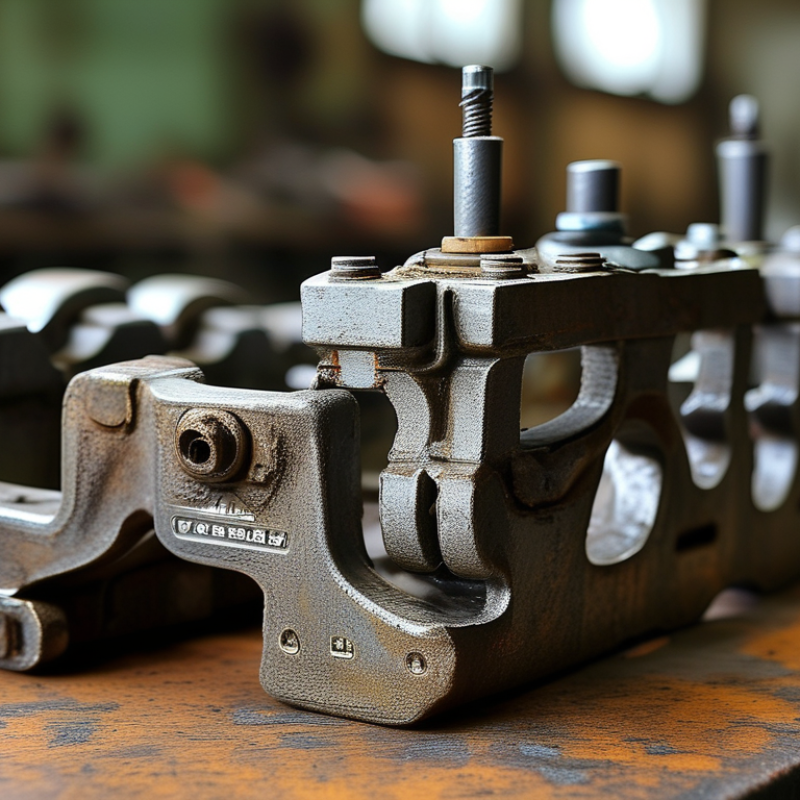
Lubricating brake caliper slide pins is crucial for vehicle performance. In China, many car technicians recommend using high-temperature brake grease. This type of lubricant withstands heat generated during braking. Proper lubrication helps ensure smooth operation of brake components. It reduces friction and wear over time.
When applying grease, cleanliness is vital. Dirt can compromise lubrication quality. Technicians often advise wiping the pins and sleeves thoroughly before applying the product. A thin, even layer should be spread on the pins. Too much grease can attract dirt, causing issues later. It’s not uncommon to see technicians overlook this detail. Regular inspection is also essential.
Using the correct method minimizes future problems. Monitoring the condition of slide pins can prevent brake failures. If slide pins are corroded or damaged, replacing them is necessary. Some might skip this step, thinking it's minor. However, neglecting this can lead to safety hazards. Reflecting on these practices can enhance both reliability and safety on the road.
When lubricating brake caliper slide pins, selecting the right lubricant is crucial for ensuring optimal performance. High-temperature greases are recommended due to their ability to withstand extreme conditions. Many industry reports highlight the importance of using lubricants with specific properties. For example, lubricants with a high drop point can maintain stability in elevated temperatures. Generally, greases with a drop point above 200°C are ideal for brake systems.
Silicone-based greases are known for their water resistance and thermal stability. They prevent moisture ingress, which can lead to corrosion. Testing indicates that silicone lubricants remain effective in temperatures ranging from -40°C to 200°C. Such versatility makes them suitable for various environments. However, users should be aware that excessive application may attract contaminants.
Additionally, molybdenum disulfide-based lubricants offer excellent anti-friction properties. These can enhance the performance of slide pins under load. Studies show that they reduce wear by more than 25% compared to standard lithium-based greases. Balancing between performance and application methods is vital. Too little lubricant can lead to sticking, while too much can create a mess. Each choice impacts braking efficiency.
Lubricating brake caliper slide pins is crucial for optimal brake performance. Over time, these pins can become dry or rusty. This can lead to uneven braking or sticking calipers. A regular maintenance routine can help prevent these issues.
Start by removing the caliper from the brake assembly. Clean the slide pins thoroughly using a brake cleaner. Make sure to remove any old grease or dirt. Inspect the pins for damage or wear. If they are damaged, replacement may be necessary.
Apply a small amount of high-temperature brake grease to the pins. Be careful not to use too much; excess grease can attract dirt. Reinsert the pins, ensuring they move freely. It’s always a good idea to check your work.
After reassembly, test the brakes to ensure smooth operation. If you notice any sticking or unusual noises, recheck your lubrication. Proper lubrication is as much about technique as it is about the materials used. Consider documenting your process for future reference. Small mistakes can lead to bigger issues down the road. Regular maintenance can significantly extend the life of your brake system.
One common mistake when lubricating brake caliper slide pins is using the wrong type of lubricant. Many mechanics ignore the specifications for the lubricant recommended for slide pins. As a result, they may choose products that can degrade rubber bushings or lead to corrosion. A study by the Society of Automotive Engineers shows that inadequate lubrication can decrease brake performance by 30%. This indicates the importance of using the right lubricant consistently.
Another mistake occurs during the application process. Over-applying lubricant can attract dirt and debris, leading to premature wear. Many technicians fail to clean the slide pins thoroughly before lubricating, which can cause dirt trapped under the lubricant to create friction. Proper cleaning is essential. A clean pin will ensure smooth movement within the caliper assembly. Many professionals recommend using a precision applicator to control the amount of lubricant applied.
Lastly, neglecting to inspect the slide pins regularly is a critical error. Regular inspections can mitigate bigger issues, such as brake failure. Experts suggest checking slide pin condition every time brake pads are replaced. Many drivers do not consider slide pin maintenance as part of their brake system. This oversight can jeopardize vehicle safety. Such practices should be re-evaluated to improve overall vehicle reliability.
| Method | Description | Common Mistakes | Tips for Success |
|---|---|---|---|
| Grease Application | Use high-temperature brake grease specifically designed for calipers. | Over-applying grease leading to slippage. | Apply a thin, even layer to avoid excess. |
| Cleaning Pins | Thoroughly clean slide pins before lubrication. | Skipping cleaning or using harsh chemicals. | Use a brake cleaner for safe and effective results. |
| Proper Lubrication Technique | Apply grease only to the contact points. | Lubricating the entire pin excessively. | Use a small brush for precision application. |
| Inspection | Regularly check the condition of slide pins and boots. | Neglecting regular inspections. | Schedule inspections every oil change. |
Brake caliper lubrication plays a crucial role in vehicle safety and performance. Proper lubrication of slide pins minimizes friction, ensuring effective braking and smoother operation. Following industry standards for lubrication is essential. These standards dictate the type of lubricant to use and the application process. Adhering to these requirements helps to maintain consistent braking performance.
In practice, many technicians overlook the importance of cleanliness during the lubrication process. Contaminants can compromise the effectiveness of the lubricant. A clean workspace and pre-lubrication preparations are vital. Additionally, some may rush the application, leading to uneven coating. This can cause premature wear on the pins and related components.
Quality control is another key aspect of brake caliper lubrication. Regular inspections should be implemented to assess lubrication effectiveness. Technicians should look for signs of wear or inadequate lubrication. Drawing from industry best practices enhances reliability and safety. Continuous learning and feedback from experiences can help refine the lubrication process further.
: The right lubricant ensures optimal performance and prevents brake performance degradation. Choosing poorly can lead to issues.
High-temperature greases with a drop point above 200°C are ideal for maintaining stability during extreme conditions.
Silicone greases are water-resistant and thermally stable. They help prevent moisture ingress and corrosion effectively.
Excessive application may attract contaminants, potentially harming the performance of the brake system. Less is often more.
They offer excellent anti-friction properties and reduce wear by over 25% when compared to standard lithium-based greases.
Over-applying lubricant can lead to dirt attraction, which causes premature wear. It's crucial to apply the right amount.
Properly cleaning slide pins before lubrication is essential. It prevents dirt from causing friction during operation.
Many drivers neglect regular inspections of slide pins, which can lead to serious safety issues like brake failure.
Experts recommend inspecting slide pins every time brake pads are replaced to ensure vehicle safety and reliability.
Yes, inadequate lubrication can decrease brake performance by up to 30%, making it crucial to use the recommended lubricant.
Proper lubrication of brake caliper slide pins is crucial for ensuring the optimal performance and safety of vehicle braking systems. In the article titled "China Best Methods to Lubricate Brake Caliper Slide Pins," best practices are outlined, emphasizing the importance of using the right lubricants and understanding their properties. A step-by-step guide is provided to help mechanics and DIY enthusiasts effectively execute the lubrication process, highlighting common mistakes to avoid to ensure longevity and reliability.
Additionally, the article discusses the industry standards and quality control measures necessary for brake caliper lubrication. By adhering to these guidelines, one can learn how to lubricate brake caliper slide pins efficiently and maintain the functionality of the braking system, ultimately contributing to safer driving experiences.

Zizel Auto