Why is one brake pad wearing faster than the others? The answer is rarely as simple as “bad pads.” Uneven wear can point to a sticking caliper, seized slide pins, a restricted brake hose, or pads that do not move freely in their bracket. It can also reflect normal differences between inner and outer pads, or between the front and rear axles. The clues are practical: one wheel may feel hotter after a short drive, the car may pull during braking, or a pad may look markedly thinner through the wheel spokes. These signs deserve inspection, not guesswork.
Automotive educator and textbook author James D. Halderman is a recognized voice in vehicle diagnostics. I can’t verify a verbatim statement from him on this exact question, so this is a paraphrase, not a direct quote: “Uneven wear is a clue; inspect the complete brake system before replacing parts.” That caution matters when comparing China’s top 10 brake pad suppliers. A reputable supplier should provide clear material specifications, consistent dimensions, and product traceability—but even a quality pad cannot correct a seized caliper or poor installation. Ask what friction material suits your vehicle and driving conditions. Check both sides of the axle. Measure pad thickness, inspect hardware, and follow the vehicle maker’s service procedure. Small details matter. This guide examines common causes, useful checks, and supplier factors, while recognizing that wear patterns alone cannot confirm a fault. Sometimes the first diagnosis is wrong. That is worth remembering.
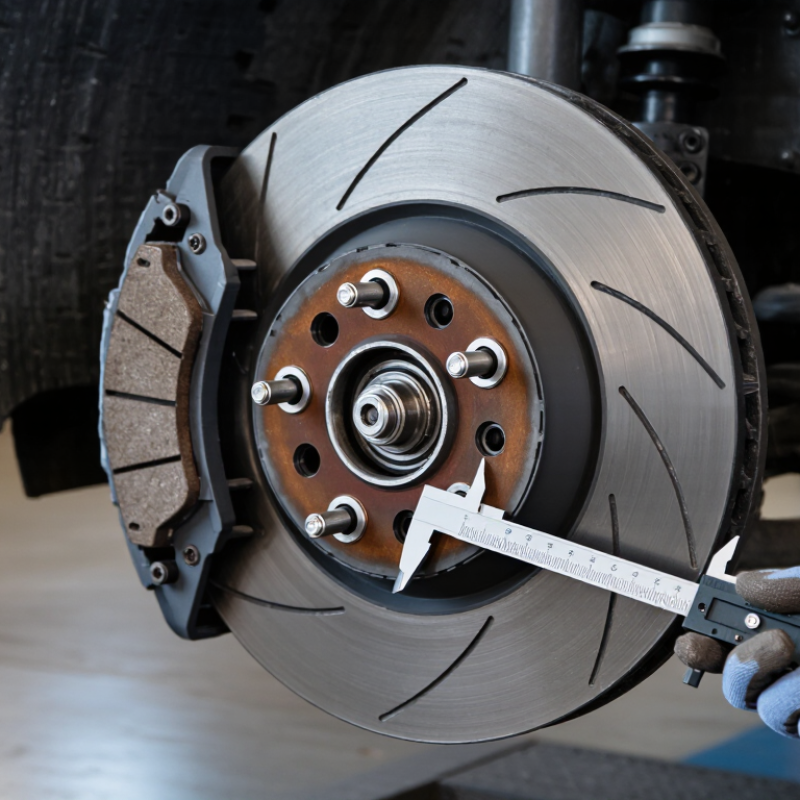
China’s brake pad supplier landscape is diverse, spanning large production facilities and smaller specialists. Their catalogs may cover passenger cars, light commercial vehicles, and heavy-duty applications. Common offerings include ceramic, semi-metallic, and low-metallic friction materials, with backing plates, shims, and wear indicators varying by specification. Fit matters.
Export-focused suppliers often support custom packaging, product labeling, and application matching. More capable manufacturers can provide material testing, batch records, and dimensional checks. Ask for test conditions, not just a certificate. Results are meaningful only when the method and product specification are clear.
Markets differ in vehicle models, driving conditions, and service expectations. A pad suited to frequent city stops may behave differently on long downhill routes. Faster wear does not always point to poor material; incorrect fit, a sticking caliper, rotor condition, or driving pattern can also contribute. A tidy catalog can hide gaps in application data. Buyers should compare verified fitment, noise and wear testing, production consistency, and technical support—not price alone. Even careful checks cannot predict every vehicle’s real-world performance.
Comparing China’s leading brake-pad suppliers starts with evidence, not catalog claims. Ask for batch-level friction data, compressibility, shear strength, and hot-fade results. Check whether tests follow SAE J2522 or another documented dynamometer procedure. The European Environment Agency’s 2023 briefing, Non-exhaust emissions from road transport, reports that non-exhaust sources produced 77% of EU road-transport PM10 emissions in 2020. Brake wear is only one part. Still, it makes durability and dust control worth checking. Ask for test temperature and rotor condition, too.
Compare suppliers using the same vehicle, rotor, bedding process, and duty cycle; otherwise, results can mislead. Request wear per test distance, friction-coefficient range, noise records, and production-lot variation—not one best result. Check traceability from material formulation to finished batch, along with incoming-material controls and audit scope. A certificate alone proves little. Very little. In field returns, uneven inner-to-outer pad wear may point to caliper or fit issues, not just compound quality. Ask suppliers to explain test deviations and share corrective-action records. Polished samples are easy to admire. Consistent batches matter more, though they are less photogenic.
Brake pad wear depends on more than driving style. Friction materials blend fibers, abrasives, lubricants, and binders, and each recipe responds differently to heat and pressure. A harder compound may last longer in some conditions, yet it can feel less responsive when cold or produce more rotor noise. Softer compounds often bite quickly, but repeated heavy braking can wear them sooner. There is no universal “longest-lasting” material.
Design matters, too. Pad thickness, backing-plate stiffness, friction-layer shape, and the contact area all influence how pressure spreads across the rotor. Uneven contact can leave one edge visibly thinner. Small details count. In workshop inspections, technicians compare inner and outer pads on both sides, then check for tapered wear, glazing, or cracks. One pad wearing faster may reflect a sticking caliper or restricted movement, not simply a poor material choice. That distinction is easy to miss. A useful comparison considers the vehicle, rotor condition, temperature range, and actual wear pattern together; material labels alone rarely tell the whole story.
| Factor | Common Material or Design Choice | Potential Effect on Pad Wear | Important Context |
|---|---|---|---|
| 1. Friction-material formulation | Organic, semi-metallic, or ceramic-based blends | Wear depends on the complete formulation; no material category is automatically the longest-lasting in every application. | Friction, temperature stability, noise, rotor wear, and durability must be balanced for the vehicle and duty cycle. |
| 2. Abrasive ingredients | Abrasive particles used to help maintain friction and clean the contact surface | A more aggressive abrasive balance can increase pad or rotor wear, depending on the pairing and conditions. | Ingredient type, particle size, concentration, and rotor material all matter. |
| 3. Lubricants and modifiers | Friction modifiers and lubricating components within the compound | The formulation can influence friction consistency, noise, and wear at different temperatures. | Performance depends on the combined recipe rather than one ingredient in isolation. |
| 4. Pad density and porosity | Controlled compaction and a consistent internal structure | Variation in density or porosity can affect strength, heat transfer, and wear consistency. | Quality control and process consistency are important; density alone does not predict service life. |
| 5. Thermal stability | A compound designed for the expected operating-temperature range | Repeated high-temperature braking can accelerate wear or alter friction behavior if the application exceeds the pad’s suitable range. | Mountain driving, towing, heavy loads, and frequent hard stops increase thermal demand. |
| 6. Pad geometry and contact area | Shape and dimensions matched to the caliper and rotor | Incorrect fit or uneven contact can cause localized wear and reduce usable pad life. | Correct vehicle-specific fitment is essential; a larger pad does not necessarily last longer. |
| 7. Chamfers and slots | Edge chamfers and surface slots used in some pad designs | These features can affect contact, noise, and heat or gas management, but do not guarantee lower wear. | Their value depends on the pad, rotor, caliper, and intended use. |
| 8. Backing plate and bonding | A correctly specified backing plate and secure friction-material bond | Poor bonding or dimensional quality can compromise pad integrity; it is not a normal way to explain gradual, even wear. | Inspection should distinguish material wear from cracking, separation, or fitment problems. |
| 9. Rotor and caliper condition | Compatible rotor surface and freely moving caliper components | A sticking caliper, restricted slide, or unsuitable rotor surface can create drag or uneven, rapid wear. | Vehicle hardware condition can outweigh differences between pad compounds. |
| 10. Driving conditions and bedding-in | Stop-and-go traffic, vehicle load, braking habits, and installation procedure | Frequent braking, high loads, and improper installation or bedding-in can contribute to faster or uneven wear. | Compare wear only under similar vehicle, route, load, and maintenance conditions. |
One brake pad can wear faster because the two sides of a braking system do not always release pressure equally. A sticking caliper piston or dry slide pin may keep one pad lightly pressed against the rotor. The wheel can feel unusually warm after a short drive. Sometimes there is a faint burning smell. These clues matter, but they do not confirm the cause by themselves.
Wear patterns offer more useful detail. If the inner pad is much thinner, the piston or caliper movement deserves inspection. If the outer pad wears faster, seized guide pins or poor pad movement may be involved. A damaged brake hose can also hold pressure, though it is less common. Compare pad thickness on both sides of the same axle, and check the rotor for grooves or uneven contact. Small differences happen. Large differences need attention.
Driving habits and vehicle conditions can add to the imbalance. Frequent hard stops, steep roads, heavy loads, or corrosion around pad supports may speed wear on one side. I have seen a replacement pad blamed too quickly when the real issue was restricted caliper movement. That is an easy mistake. Ask a qualified technician to inspect the pads, caliper, rotor, and mounting points together. Replacing pads alone may not solve the problem, and the same uneven wear can return.
Brake-pad thickness benchmarks provide context for checking uneven wear. A sticking caliper piston or slide pin, restricted pad movement, or uneven rotor contact can cause one pad to wear faster.
Thickness benchmarks are general: specifications vary by vehicle and pad design. Compare the inner and outer pads on each wheel; have a qualified technician inspect any uneven wear.
Uneven brake-pad wear is a clue, not a diagnosis. Compare inner and outer pads on both sides of the axle. Measure thickness at several points; a tapered edge can indicate a sticking caliper or restricted movement. Check slide pins, clips, rotor condition, and signs of fluid leakage. Measure both sides. If one wheel runs unusually hot, have a qualified technician inspect it before further driving.
When comparing brake-pad suppliers in China, ask for application-specific friction data, dimensional tolerances, batch traceability, and inspection records. Request details on how materials and production consistency are checked. A low quotation tells little about performance. Ask how the supplier handles fitment questions, returns, and recurring wear complaints. Clear technical answers matter.
Test pads under comparable vehicle, load, and route conditions, then record mileage and wear at regular intervals. Avoid judging a supplier from one vehicle or one short test; driving style and rotor condition can distort results. Even a tidy test plan has limits. That part is easy to underestimate.
Friction materials, heat, pressure, pad shape, and contact area all matter. Driving style is only part of the picture.
There is no single longest-lasting material for every vehicle. Harder pads may last longer in some conditions but feel less responsive when cold. Softer pads can grip quickly and wear sooner under repeated heavy braking.
A sticking caliper piston or dry slide pin may keep a pad lightly pressed against the rotor. One thin pad is a clue, not a diagnosis.
A much thinner inner pad may point to restricted piston or caliper movement. Faster outer-pad wear may involve seized guide pins or poor pad movement.
Yes. Frequent hard stops, steep roads, heavy loads, and corrosion near pad supports can speed wear. Small differences happen.
They can compare inner and outer pads on both sides of the axle. They should also check the caliper, rotor, mounting points, grooves, and uneven contact.
No. A warm wheel or faint burning smell can be a warning clue, but neither confirms the cause. Other checks are needed.
Not always. If restricted caliper movement remains, uneven wear may return. Replacing pads alone can miss the real problem.
China’s brake pad market includes suppliers serving passenger cars, commercial vehicles, and export markets, with differences in product range, manufacturing capabilities, quality controls, and customization. Comparing suppliers involves looking beyond price to assess material options, product consistency, testing practices, technical support, and suitability for the vehicle and driving conditions. Brake pad design and friction materials influence braking performance, noise, heat handling, and service life, so a suitable choice depends on how these factors match the intended application.
Why is one brake pad wearing faster than the others? Uneven wear can result from differences in driving habits, operating temperatures, pad composition, installation, or the condition of related braking components. A careful diagnosis should compare wear across wheels and inspect the braking system before replacement. By identifying the likely cause and matching product specifications to the vehicle’s needs, buyers can make a more informed supplier choice and help reduce premature or uneven wear.

Zizel Auto