How to choose the right brake fluid for my car begins with one fact: fluid is not universal. A clear bottle, a damp reservoir cap, or a soft pedal can reveal important clues. Yet appearance alone cannot confirm the correct specification. Your owner’s manual and reservoir label remain the most reliable starting points. They identify the required DOT classification, such as DOT 3, DOT 4, or DOT 5.1. Do not guess.
Brake fluid absorbs moisture over time, even when the system looks clean. That moisture can lower boiling performance and promote corrosion inside calipers, lines, and wheel cylinders. A mountain descent, repeated towing, or a hot summer commute may expose weak fluid quickly. Qualified technicians typically check the manufacturer’s specification, service history, fluid condition, and pedal response together. They also inspect for leaks before recommending a flush. Replacing fluid too often may waste money, but delaying service can reduce braking confidence. That balance deserves attention.
This guide explains how fluid types differ, why mixing products can cause confusion, and when professional service makes sense. It considers vehicle age, driving conditions, climate, and the brake system’s design. Certified product markings matter. However, labels can be misunderstood, and online advice may omit a vehicle-specific detail. It is easy to trust a familiar bottle and overlook one small warning. That mistake deserves reflection. A careful choice uses the manual, reputable fluid data, and an inspection by a trained professional. Small uncertainty is worth investigating. The right fluid should support the braking system, not merely fill its reservoir.
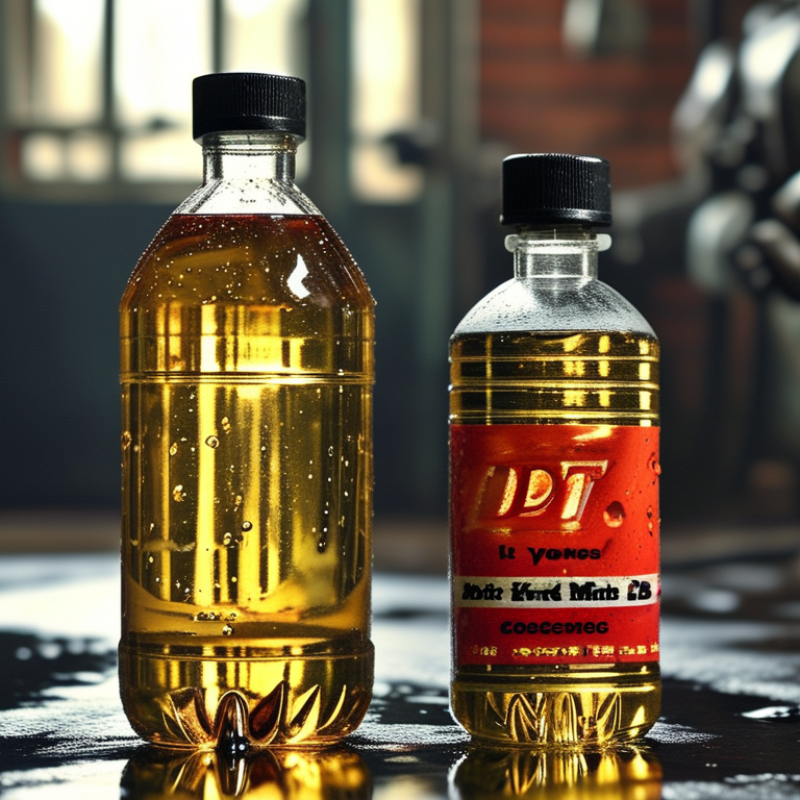
Understand Brake Fluid Types and Their Key Differences
How to Choose the Right Brake Fluid for Your Car?
Brake fluid types differ in chemistry, boiling point, and moisture behavior.
DOT 3, DOT 4, and DOT 5.1 use glycol-based chemistry.
They absorb water over time.
DOT 5 uses silicone fluid and should not be mixed with glycol fluids.
Always follow the vehicle manual.
The U.S. National Highway Traffic Safety Administration’s FMVSS No. 116 lists minimum dry boiling points of
205°C for DOT 3,
230°C for DOT 4, and
260°C for DOT 5 and DOT 5.1.
Their minimum wet boiling points are
140°C, 155°C, and 180°C, respectively.
These figures matter during repeated braking, where heat can create vapor and reduce pedal firmness.
SAE J1703 and SAE J1704 also define performance requirements for glycol-based brake fluids.
Higher numbers do not automatically mean better compatibility.
The wrong fluid can damage seals or alter system performance.
That detail is easy to overlook.
Tips:
Check the reservoir cap and service manual first.
Never select fluid by color alone.
DOT 5.1 may suit a system requiring DOT 4, but confirm approval.
Replace an opened bottle if it has absorbed moisture.
I would also inspect the fluid for cloudiness, sediment, or a soft pedal.
Brake fluid testing is useful, yet test results can vary.
A mechanic’s inspection remains sensible.
Check Your Vehicle Manufacturer’s Brake Fluid Requirements
Your car’s brake fluid requirement starts with the owner’s manual, not the fluid shelf. Check the manual, reservoir cap, and service information for the exact specification. The required class may be DOT 3, DOT 4, DOT 5, or DOT 5.1. Do not choose by color alone. Similar-looking fluids can have different chemical bases and performance limits.
The figures matter. U.S. Federal Motor Vehicle Safety Standard No. 116 sets minimum dry and wet boiling points. DOT 3 requires 205°C dry and 140°C wet boiling points. DOT 4 requires 230°C and 155°C. DOT 5 requires 260°C and 180°C, while DOT 5.1 uses the same minimum temperatures. These numbers describe laboratory performance, not permission to substitute one type freely. Your manufacturer’s specification remains the controlling requirement.
Read carefully. Small details matter. A vehicle used on steep roads, in heavy traffic, or during towing can heat its brakes repeatedly. That may increase the need for the specified high-temperature fluid, but it does not justify an unapproved upgrade. Never pour silicone-based fluid into a system designed for glycol-based fluid. Check the container’s certification language and the vehicle’s service schedule. A dark reservoir can suggest aging or contamination, yet appearance alone cannot confirm fluid condition. Many owners replace fluid too late. I have also seen recommendations treated as universal, which is a mistake worth reconsidering. The safest choice is the specification printed for your exact vehicle, model year, and braking system.
How to Choose the Right Brake Fluid for Your Car? - Check Your Vehicle Manufacturer’s Brake Fluid Requirements
| Brake Fluid Grade |
Fluid Base |
Minimum Dry Boiling Point |
Minimum Wet Boiling Point |
Common Vehicle Requirements |
Compatibility and Selection Guidance |
| DOT 3 |
Glycol ether |
205°C (401°F) |
140°C (284°F) |
Common in many standard passenger-car braking systems. |
Use only when the vehicle manufacturer specifies DOT 3 or permits it. It absorbs moisture over time and should be replaced according to the maintenance schedule. |
| DOT 4 |
Glycol ether, usually with borate esters |
230°C (446°F) |
155°C (311°F) |
Frequently specified for vehicles with higher braking temperatures or demanding braking systems. |
Often suitable for systems designed for DOT 3, but the owner’s manual is the final authority. Do not select it solely because its boiling point is higher. |
| DOT 5 |
Silicone |
260°C (500°F) |
180°C (356°F) |
Used only in systems specifically designed for silicone brake fluid. |
Do not mix with DOT 3, DOT 4, or DOT 5.1. It is not an automatic upgrade and may be unsuitable for vehicles equipped with anti-lock braking systems. |
| DOT 5.1 |
Glycol ether |
260°C (500°F) |
180°C (356°F) |
Used in some systems requiring high-temperature performance and, where specified, low-temperature fluid performance. |
It is chemically different from DOT 5 despite the similar number. Use only when approved by the vehicle manufacturer; never confuse DOT 5.1 with silicone-based DOT 5. |
| Manufacturer-Specified Fluid |
Determined by the vehicle design |
Varies by specification |
Varies by specification |
Some vehicles require a particular DOT grade, performance standard, or fluid formulation. |
Always check the owner’s manual, the brake-fluid reservoir cap, or the official service information before purchasing or adding fluid. |
Important: The boiling-point figures shown are minimum requirements under U.S. Federal Motor Vehicle Safety Standard No. 116. Brake fluid grades are not interchangeable in every vehicle. Keep the container sealed, use fluid from a clean container, and avoid adding fluid if the system may be contaminated or requires inspection.
Evaluate Climate, Driving Conditions, and Brake System Demands
How to Choose the Right Brake Fluid for Your Car?
Evaluate Climate, Driving Conditions, and Brake System Demands
Brake fluid should match your vehicle’s specifications, not just the label on a store shelf. Check the owner’s manual or the reservoir cap first. Most vehicles use glycol-based fluids, such as DOT 3, DOT 4, or DOT 5.1. These fluids absorb moisture over time, which can lower their boiling point. Silicone-based DOT 5 fluid is different and must not be mixed with glycol-based types.
Climate affects fluid performance. In humid coastal areas, moisture enters the system faster, even when the reservoir cap appears secure. Cold weather can also expose weak fluid or contaminated components. Mountain roads, towing, heavy traffic, and repeated hard braking create more heat. A fluid with a higher dry and wet boiling point may suit these demands, but compatibility remains essential.
Think about your brake system, too. Vehicles with anti-lock braking and electronic stability systems require fluid that meets the specified standard. Using an unsuitable type can damage seals or affect pedal response. Small details matter.
During inspections, look for dark fluid, a soft pedal, or reduced braking confidence. These signs do not identify the exact cause, so professional testing is safer than guessing. I once assumed fresh-looking fluid was healthy; moisture testing proved otherwise. That mistake changed my maintenance habits. Replace fluid according to the service schedule, especially after demanding driving or prolonged exposure to damp conditions.
Select, Store, and Replace the Right Brake Fluid Safely
How to Choose the Right Brake Fluid for Your Car?
Select fluid by your vehicle manual, not by color or price. DOT 3 and DOT 4 fluids are glycol-based and absorb moisture over time. DOT 5 is silicone-based and must not be mixed with glycol fluids. DOT 5.1 is glycol-based, despite its confusing name. U.S. Department of Transportation FMVSS No. 116 sets minimum dry boiling points at 205°C for DOT 3 and 230°C for DOT 4. SAE J1703 and J1704 provide similar performance classifications. Higher boiling points help under severe braking, but they do not make an unsuitable fluid safe.
Check the reservoir cap and service instructions before opening the bottle. Use a factory-sealed container with the correct specification. Keep it sealed. Moisture can enter an opened container, even on a humid garage shelf. Never pour leftover fluid back into a new bottle. Keep the fluid away from paint, skin, and children. I once saw a small spill damage painted trim within minutes. It looked harmless. It was not.
During replacement, protect the reservoir from dirt and use the correct bleeding sequence. Do not let the reservoir run dry, or air may enter the hydraulic system. A clear hose and clean catch bottle make bubbles easier to spot. Dispose of used fluid through an approved collection service. Replace fluid at the interval recommended for your vehicle, especially after repeated mountain driving or track use. Some advice online sounds universal, but brake systems differ. When the manual is unclear, a qualified technician should verify compatibility before any fluid is added.
Conclusion
Choosing the right brake fluid is essential for reliable braking performance and long-term system protection. To answer the question, “How to choose the right brake fluid for my car,” begin by understanding the main fluid types and their differences, including boiling points, moisture absorption, and compatibility with specific braking systems. Always check your vehicle manufacturer’s requirements in the owner’s manual or service information before purchasing. Using an unsuitable fluid may reduce braking efficiency or damage system components.
Your choice should also reflect your climate, driving habits, and brake system demands. Vehicles used in hot weather, mountainous areas, heavy traffic, or demanding driving conditions may require fluid with stronger heat resistance. Compare product quality, recognized safety standards, and system compatibility rather than relying only on price. Store brake fluid in a tightly sealed container away from moisture and extreme temperatures, and replace it according to the recommended maintenance schedule. During replacement, keep the fluid clean, avoid mixing incompatible types, and follow safe handling procedures.

 Zizel Auto