Brake rubber seals are a crucial aspect of vehicle safety. Knowing "how often should I replace brake rubber seals" is essential for maintaining optimal brake performance. Over time, exposure to heat and contaminants can degrade these seals. This degradation can lead to brake fluid leaks, which may compromise your brakes.
Experts suggest regular inspections of your brake seals. If you notice any signs of wear, it’s vital to act promptly. Replacing worn seals can prevent more severe damage to your braking system. The recommendation is typically every two to three years. However, factors like driving conditions can influence this timeline. Harsh environments or frequent driving can accelerate seal wear, so pay close attention.
Trust your instincts when assessing brake performance. If your brakes feel less responsive, check the seals. Reflection on your driving habits is helpful. Regular maintenance can save you from costly repairs. Don't wait for a major issue to arise; proactive care reflects responsible vehicle ownership.
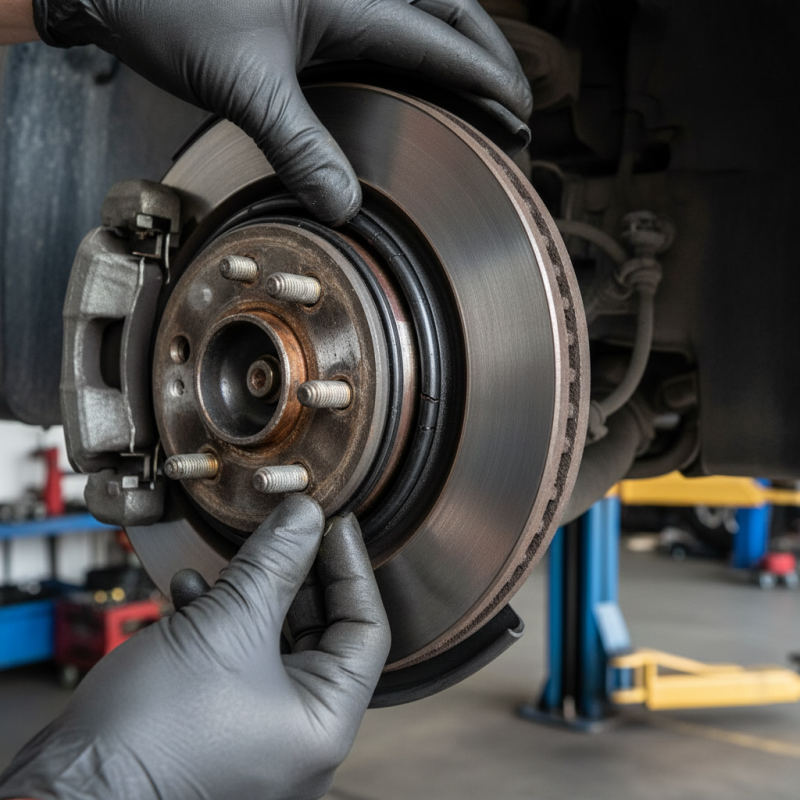
Brake rubber seals play a crucial role in the overall performance of a vehicle's braking system. They prevent brake fluid leaks and maintain proper pressure within the brake lines. When functioning correctly, these seals ensure that the brakes respond effectively. Poorly maintained seals can lead to reduced braking efficiency and may increase the risk of accidents.
Understanding the materials used in brake rubber seals is essential. These seals are typically made from synthetic rubber compounds designed to withstand extreme temperatures and high pressure. Over time, environmental factors—like heat and moisture—can deteriorate these seals. Signs of wear include cracks, swelling, or discoloration. Regular inspections are vital to avoid sudden failures.
Many car owners overlook brake seal maintenance. It’s easy to forget these unseen components. Drivers should develop a habit of checking them periodically or during routine vehicle servicing. Ignoring this aspect can lead to costly repairs. Reflecting on one’s vehicle care habits can avoid unnecessary risks on the road.
Brake rubber seals play a crucial role in ensuring that your braking system operates smoothly. Their lifespan can vary significantly based on several factors. One major influence is the quality of materials used. High-quality seals resist wear and tear better than cheaper alternatives. Environmental factors also have an impact. Extreme temperatures and exposure to moisture can degrade rubber more quickly. Regular inspections are essential.
Another factor is driving habits. Aggressive driving can lead to faster degradation of seals. Frequent hard braking creates more heat and stress on the rubber. If you often drive in stop-and-go traffic, be mindful. The seals might wear out sooner. A careful driving style can extend their life.
Tips: Always check your brake fluid level. Low fluid can indicate seal issues. Keep your braking system clean. Dirt can cause unnecessary wear. Consider a professional inspection regularly. They can identify potential issues early. Taking these steps helps maintain the integrity of your brake rubber seals.
Brake rubber seals play a critical role in vehicle safety. Over time, these seals can wear out or become damaged. This can lead to brake fluid leaks, reducing braking efficiency. Regularly changing these seals is essential to ensure optimal performance.
The recommended frequency for changing brake rubber seals varies. Generally, it’s suggested to inspect them every two years. If you notice any signs of wear, such as cracks or deformation, replace them immediately. High-performance vehicles may need more frequent checks due to the intense use of brakes.
Tips: Always check your seals before long trips. Regular maintenance can prevent costly repairs later. If you’re unsure about the condition of your seals, consult a professional. It’s better to be safe than sorry. Small issues today can lead to bigger problems tomorrow.
Remember, the importance of brake seal maintenance cannot be overstated. A minor oversight could turn into major vehicle issues. Always prioritize safety when it comes to your braking system. Regular inspections and timely replacements are key to reliable performance on the road.
Brake rubber seals are crucial for your vehicle's braking system. Over time, these seals can wear out or become damaged. Recognizing the signs of this wear is essential for safe driving. A recent industry report indicates that nearly 20% of braking issues stem from faulty rubber seals.
Look for leaks around the brakes. If you notice fluid dripping, that's a sign of seal failure. Additionally, inspect for cracks or brittleness in the rubber. A softening of the material often indicates excessive wear. It’s worth noting that seals should be replaced every two to three years as a preventative measure. This interval can vary based on driving conditions and vehicle usage.
Another critical sign to observe is decreased braking performance. If your brakes feel spongy or unresponsive, worn seals may be to blame. Many professionals advise checking rubber seals during routine maintenance. If neglected, this could lead to more significant problems and costly repairs. Regular inspection and timely replacement can keep your vehicle safe and reliable.
Brake rubber seals play a crucial role in ensuring the efficiency of your braking system. Regular maintenance is essential to extend their lifespan. To keep these seals in good condition, inspect them frequently for wear and tear. Look for cracks, discoloration, or swelling. Such signs indicate the seals may need replacement. A proactive approach can save you from costly repairs later.
Additionally, using a silicone-based lubricant can help maintain the elasticity of rubber seals. Apply it carefully to avoid over-saturation, which can lead to issues. Clean the sealing surfaces with a soft cloth to remove dirt and debris. This minor task can significantly enhance their durability. Don’t ignore environmental factors, either. High temperatures and exposure to chemicals can deteriorate seals faster than you think. Regular checks and proper care can lead to better performance and increased safety.
: Brake rubber seals prevent fluid leaks and maintain pressure in the brake lines.
They are typically made from synthetic rubber compounds that resist extreme temperatures.
Heat and moisture can deteriorate seals, leading to wear and potential failure.
Common signs include cracks, swelling, and discoloration of the seals.
It's suggested to inspect them every two years or during routine vehicle maintenance.
Aggressive driving and frequent hard braking can lead to faster seal degradation.
Low brake fluid levels may indicate seal problems; check them promptly.
Replace them immediately if you see any signs of wear, such as cracks.
Regular maintenance can prevent costly repairs and enhance braking performance.
Many drivers forget to inspect these unseen components, risking safety.
Brake rubber seals play a crucial role in ensuring the effective functioning of brake systems by preventing fluid leaks and maintaining pressure. The lifespan of these seals can be influenced by various factors, including environmental conditions, usage frequency, and the type of brake fluid used. To address the common question, "How often should I replace brake rubber seals," many experts recommend inspecting them regularly and replacing them every 3-5 years, or sooner if signs of wear such as cracking, swelling, or leaks are observed.
To extend the life of brake rubber seals, proper maintenance is essential. This includes regular checks for any damage and keeping the brake components clean and free of debris. By adhering to these guidelines and being attentive to the condition of your brake rubber seals, you can ensure optimal brake performance and safety.

Zizel Auto