Understanding how to tell if brake pads are worn out is crucial for safe driving. Brake pads play a vital role in your vehicle's braking system. Over time, they wear down and can affect your stopping ability. Ignoring this issue could lead to serious accidents.
Many drivers overlook the signs of worn-out brake pads. You'll want to be aware of any unusual noises when braking. Squeaking or grinding sounds indicate that your brake pads need immediate attention. Another sign is a decrease in braking power. If the car takes longer to stop, it’s time to investigate.
Regular maintenance checks can prevent costly repairs. However, not everyone takes their car for frequent inspections. Understanding the signs can empower drivers. It can avoid last-minute panic. Braking safety is non-negotiable. Your life and the lives of others depend on it. Taking action when you notice these signs can save you from potential danger on the road.
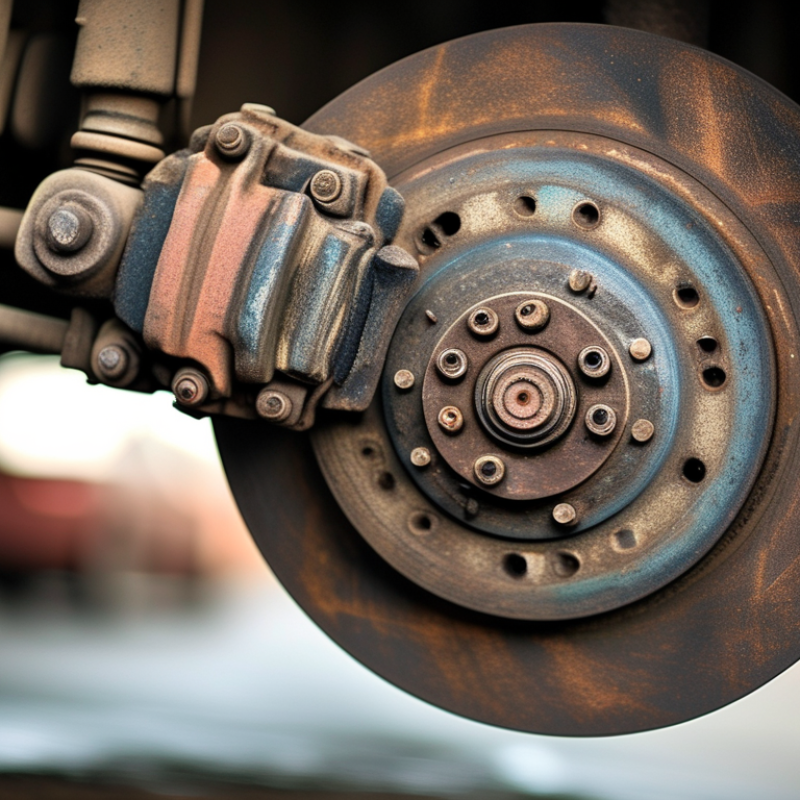
Brake pads wear down over time due to friction. Recognizing the signs of worn-out brake pads is essential for safe driving. You might hear squeaking or squealing sounds when you brake. If this happens, it’s time to check your brake pads. A high-pitched noise often indicates that the pads are getting thin.
Another sign is a grinding noise. If you hear this, it’s crucial to inspect them immediately. This sound suggests that the pads are worn down to the metal, which can damage your rotors. Feeling vibrations when braking may also signal worn pads. This could indicate uneven wear or a more significant brake issue.
Tips: Regularly inspect your brake pads for grooves or uneven surfaces. If the thickness is less than a quarter of an inch, consider replacing them. Also, pay attention to your brake pedal feel. If it sinks lower than usual, it might not be just the pads needing replacement. Keep an eye on your brake fluid level and monitor it for any drops. Safety can’t be compromised.
Regular brake inspections are crucial for vehicle safety. They help identify worn brake pads before they fail. Ignoring brake maintenance can lead to accidents and higher repair costs. Drivers should make it a habit to check their brakes periodically. This proactive approach can prevent dangerous situations.
Here are some tips for assessing your brake pads. Listen for unusual noises when braking. Squeaking or grinding sounds often indicate wear. Pay attention to your car's performance. If your vehicle pulls to one side, you may need a brake inspection. Check your brake lights. If they don’t illuminate correctly, it could signal an underlying issue.
Consider scheduling a professional inspection every few months. Trained mechanics can detect issues most drivers may overlook. They can assess the thickness of brake pads accurately. Don't wait for warning signs; make brake inspections a regular part of your vehicle maintenance routine.
| Indication | Description | Recommended Action |
|---|---|---|
| Squeaking or Screeching Noise | A high-pitched sound when braking, often indicating worn brake pads. | Inspect brake pads and replace if necessary. |
| Grinding Noise | Metal-on-metal contact sound, suggesting the pads are severely worn. | Stop using the brakes and have them checked immediately. |
| Vibration or Pulsation | Feel vibrations through the pedal when braking, indicating uneven wear. | Inspect brake components for wear and alignment. |
| Warning Light | Dashboard warning light signaling brake pad wear. | Consult the vehicle manual and schedule an inspection. |
| Thickness of Brake Pads | Brake pads should be at least 1/4 inch thick; thinner may need replacement. | Measure pad thickness during routine inspections. |
When it comes to brake pads, understanding material wear indicators is crucial. Brake pads often include built-in indicators that signify when they are worn down. These indicators typically emit a squeaking or squealing sound when the pads have reached a certain level of wear. This is a clear signal to inspect your brakes.
Pay close attention to the thickness of your brake pads. If they are less than a quarter of an inch, it’s time to consider replacement. Monitor how your vehicle responds during braking. If you notice vibrations or a pulling sensation, your brake pads may be worn unevenly.
Tips for maintaining brake pads include regularly inspecting them at every oil change. Keeping your brake system clean helps prolong pad life. Listen to your vehicle’s sounds; they often communicate wear issues before they become serious. Remember, overlooking these signs can lead to costly repairs. Your safety depends on proper brake function.
When it comes to brake pads, listening for unusual noises is essential. Many drivers overlook this crucial aspect of vehicle maintenance. According to the International Journal of Automotive Technology, about 60% of brake issues stem from worn-out pads. If your brakes make a screeching or grinding sound, it’s a clear warning sign. These noises occur when the brake pads wear down to their metal backing. Ignoring these sounds can lead to larger, more expensive repairs.
In addition to sounds, pay attention to how your vehicle feels while braking. Pulsations or vibrations indicate a problem beyond merely worn pads. These sensations can suggest warped rotors or uneven wear. Regular inspections and maintenance are vital. A study by the National Highway Traffic Safety Administration reported that proper brake maintenance could reduce accidents by up to 30%. Actively listening and observing your vehicle can prevent accidents and extend the life of your brakes. Remember, your safety relies on this simple yet effective action.
Checking brake pad thickness and condition is crucial for vehicle safety. Worn-out pads can lead to reduced braking efficiency. To inspect your brake pads, start by removing the wheel. Look through the calipers to see the brake pads. The thickness of the pads should be at least a quarter of an inch. If they appear thinner, it's time for replacement.
It’s important to also check the surface condition. Look for any cracks, grooves, or excessive wear. These signs indicate that your brake pads are compromised. Sometimes, pads may wear unevenly due to various factors like misalignment. This can affect how they grip the rotor, leading to safety issues.
Tips: Regular inspections can prevent costly repairs. Don’t rely solely on dashboard warnings; they may not always trigger. A visual inspection every few months can ensure your brakes function optimally. If you're unsure about the thickness or condition, consult a professional. Addressing brake pad wear early can save time, and enhance your vehicle’s performance.
: Listen for squeaking or squealing sounds when braking.
Grinding noise suggests pads are worn to the metal. Inspect them immediately.
Vibrations may indicate uneven wear or a bigger brake issue. Check your pads.
Regular inspections should occur during each oil change.
If they are less than a quarter of an inch, consider replacing them.
Drops in brake fluid can indicate underlying brake issues that require attention.
Yes, some pads have wear indicators that emit sounds when they are worn.
This could indicate more than just worn pads; have it evaluated.
Keep your brake system clean and listen for unusual sounds while driving.
Overlooking these signs can lead to costly repairs and compromise safety.
Knowing how to tell if brake pads are worn out is essential for maintaining vehicle safety. Key signs include reduced braking effectiveness, a squealing or grinding noise when braking, or vibrations felt through the brake pedal. Regular brake inspections can help identify these issues early, as brake pad material often comes with wear indicators that signal when replacement is needed.
It's important to check the thickness and overall condition of your brake pads periodically. Observing these factors not only ensures optimal braking performance but also extends the lifespan of your braking system. By staying attentive to these signs and conducting regular maintenance, drivers can ensure a safer driving experience.

Zizel Auto