When it comes to vehicle safety, choosing high-quality brakes is crucial. According to John Smith, an industry expert at Brake Systems International, “The right aftermarket parts can mean the difference between safety and disaster.” This statement underlines the importance of understanding how to identify high-quality aftermarket brake parts.
Identifying high-quality brake parts involves several factors. First, look for reputable brands known for their durability and performance. Genuine reviews and ratings from other consumers can provide insight into the product's reliability. Additionally, materials used in the brake components, such as ceramic or metallic compounds, indicate their effectiveness.
Moreover, compatibility with your vehicle’s make and model is essential. Parts that are not specifically designed for your vehicle may lead to unsafe driving conditions. Moreover, pay attention to warranties offered by manufacturers; they often reflect the quality of the product. This process may require research and time, but ensuring your vehicle's safety is worth the effort.
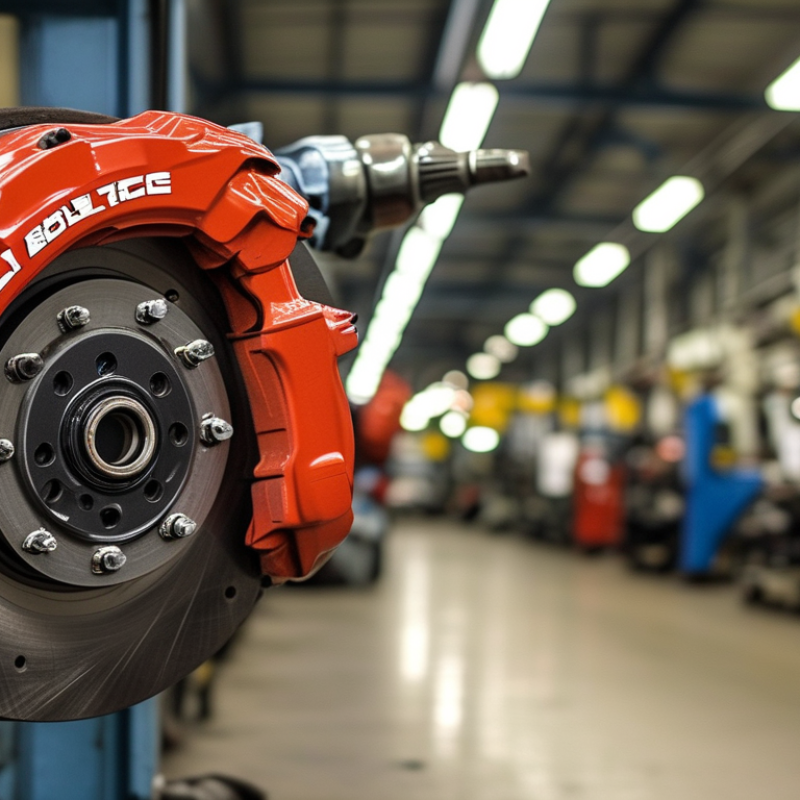
Brake parts are critical for vehicle safety. A study from the National Highway Traffic Safety Administration (NHTSA) shows that brake failures contribute to about 22% of all accidents involving heavy trucks. This statistic highlights the significant impact of quality components on overall safety. High-quality aftermarket brake parts enhance a vehicle's braking efficiency, reducing stopping distances and improving response times.
Poor-quality brake components can lead to catastrophic failures. Many drivers underestimate the risks associated with subpar parts. The Automotive Aftermarket Industry Association (AAIA) reported that using inferior brake parts triples the chance of total brake failure. Investing in reliable brake systems is essential. A reliable part made from quality materials can stand up to heat and wear much better than a low-cost option.
When selecting aftermarket brake parts, consider the materials and certifications. Look for components that meet industry standards. However, even certified parts can vary in performance. It's advisable to research and consult with professionals when uncertain. Taking the time to understand the nuances of brake components can save lives and enhance vehicle performance.
When searching for high-quality aftermarket brake parts, certain characteristics stand out. Durability is crucial. Quality materials must withstand extreme conditions. Look for parts made from high-grade metals or composites that resist wear. Check for certifications and compliance with safety standards. Reliable parts contribute to your vehicle's safety.
Tips: Always inspect the brake parts for visible flaws. Look for signs of corrosion or damage. A thorough examination can save you from costly repairs down the line.
Another key characteristic is design compatibility. Aftermarket parts should fit your vehicle model without issues. Poor installation can lead to brakes that perform poorly. Research your vehicle's specifications to ensure a proper match. User reviews can provide insights into compatibility experiences.
Tips: Don’t ignore the importance of reviews. Reading what others experienced can guide your choices significantly. Consider professional recommendations when in doubt.
| Characteristic | Description | Importance |
|---|---|---|
| Material Quality | High-grade materials such as ceramic or premium metallic compounds. | Ensures durability and performance under various conditions. |
| Licensing and Certification | Parts should meet ISO or other recognized standards. | Guarantees safety and reliability in performance. |
| Warranty | Long warranty periods indicating manufacturer confidence. | Reflects product trustworthiness and longevity. |
| Brand Reputation | Well-reviewed brands with a history of quality products. | Lower risk of poor quality or performance issues. |
| Compatibility | Parts that match OEM specifications for your vehicle. | Ensures proper fit and seamless integration into the braking system. |
When sourcing reliable aftermarket brake parts, the first step is understanding where to look. A solid starting point is online marketplaces that specialize in auto parts. Many websites provide customer reviews, enhancing transparency. However, be cautious; not all reviews are genuine. Look for detailed feedback that mentions either quality or performance under specific conditions.
Another reliable source is local auto parts stores. Speaking directly with knowledgeable staff can yield valuable insights. They can recommend products that fit your vehicle's specifications. Always ask about warranties or guarantees. This reflects the seller's confidence in their parts and offers you security.
Consider online forums or community groups related to automotive repairs. Engaging with experienced mechanics can provide firsthand recommendations. Be ready to sift through mixed opinions. Not every suggestion will suit your needs perfectly. Rich discussions often lead to discovering lesser-known but reliable suppliers. Stay informed and trust your instincts when assessing feedback.
Evaluating aftermarket brake parts brands requires in-depth research. Start by checking for certifications. Brands that meet ISO standards often produce reliable products. Trustworthy manufacturers invest in rigorous testing. According to industry data, quality control processes can reduce failure rates by up to 30%. This statistic highlights the importance of thorough evaluation.
Another crucial aspect is customer reviews. Look for feedback on performance and longevity. A brand with consistently positive reviews demonstrates reliability. Studies indicate that 78% of consumers consider online reviews important. However, watch for overly positive reviews. They may not reflect true product performance, suggesting the need for balanced assessments.
Lastly, consider warranty offerings. A strong warranty often indicates confidence in product durability. Brands that offer extended warranties typically stand behind their products. Yet, it’s important to read the fine print. Some warranties may have limitations that could affect your purchase decision. This aspect can sometimes be overlooked, but it is essential in the evaluation process.
When installing aftermarket brake parts, safety is crucial. Proper tools and preparation can make a big difference. Gather all necessary tools before starting. Check your vehicle’s manual for specific instructions. Double-check everything before you begin. This prevents mistakes that could lead to dangerous situations.
Ensure you have a clean workspace. Dirt or debris can cause parts to misalign. Wear safety glasses and gloves to protect yourself. Be cautious when removing old parts. Don’t rush through disconnecting brake lines. Take note of how everything is assembled. This will help during reinstallation.
Follow the manufacturer's guidelines closely. Even slight deviations can lead to performance issues. Consider the torque specifications for each component. Tighten bolts securely, but avoid over-tightening. It is easy to make this error. After installation, perform a quick brake test in a safe, open area. Listen for unusual sounds and check for vibrations. Observing these details can prevent larger problems later.
: Look for durability and high-grade materials that resist wear. Certifications and safety compliance are also important.
Research your vehicle's specifications. User reviews can guide you on compatibility with your model.
Online marketplaces specializing in auto parts are a solid start. Local auto parts stores can also provide valuable advice.
Detailed feedback helps identify quality and performance. Ignore vague comments; look for specific experiences.
Gather necessary tools and check the vehicle’s manual. Preparation can prevent mistakes during installation.
A clean space prevents misalignment of parts. Dirt can lead to installation errors and performance issues.
Follow manufacturer guidelines closely. Ensure bolts are tightened properly but avoid over-tightening.
Perform a brake test in a safe area. Listen for unusual sounds and check for vibrations.
Wear safety glasses and gloves. Be cautious when disconnecting brake lines to avoid damage.
Mixed opinions can be confusing. Staying informed and trusting your instincts leads to better decisions.
In the quest to ensure vehicle safety, understanding how to identify high-quality aftermarket brake parts is crucial. High-quality components significantly contribute to effective braking, reducing the risk of accidents and ensuring reliable vehicle performance. Key characteristics include materials that withstand wear, compliance with safety standards, and certifications.
Sourcing reliable aftermarket brake parts can typically be done through reputable retailers or specialized suppliers known for their adherence to quality. Evaluating brands and manufacturers involves researching customer reviews, warranties, and product performance ratings. Additionally, safe and effective installation tips are essential for maintaining the integrity of brake systems. By following these guidelines, vehicle owners can confidently enhance their braking systems with high-quality aftermarket parts.

Zizel Auto