Why You Should Learn How to Bleed Brakes Yourself?

Time:2026-06-10 Author:Mason
0%

Learning to bleed brakes is an essential skill every vehicle owner should consider. A report from the National Highway Traffic Safety Administration highlights that nearly 20% of all vehicle crashes involve brake system failures. With proper knowledge, you can ensure your vehicle’s safety. Expert mechanic John Miller states, "Understanding how to bleed brakes by yourself without a kit empowers you to maintain your vehicle effectively."

When you bleed brakes yourself, you save time and money. Typical repair shop rates for this service can exceed $100. However, with a little patience and the right instructions, you can perform this task at home. Not having a kit may seem daunting, but it’s possible with common tools like a wrench and a container.

Self-maintenance not only builds your confidence but also fosters a deeper understanding of your vehicle. Mistakes can happen, and learning from them is part of the process. Perhaps you might accidentally introduce air back into the system, creating a spongy pedal feel. Reflecting on these experiences will ultimately make you a better mechanic.
Why You Should Learn How to Bleed Brakes Yourself?

Benefits of Learning Brake Bleeding at Home

Learning to bleed brakes at home offers various benefits that go beyond just saving money. It provides a hands-on experience and deepens your understanding of your vehicle’s brake system. Many car owners feel intimidated by brake maintenance. However, taking this task into your own hands can be empowering. Mistakes might happen during the process, but they lead to valuable lessons.

One major advantage is the improvement of your mechanical skills. Each time you attempt to bleed the brakes, you enhance your knowledge. You learn about the components involved and how they function together. Communicating with professionals may be tough, but understanding the process makes it easier. If you do encounter issues, having prior experience will help you ask the right questions.

Furthermore, learning to bleed brakes helps build confidence in other car maintenance tasks. It’s a step toward becoming more self-reliant. Many people find themselves frustrated with car problems. Being proactive can change that mindset. Though it may not be perfect initially, each attempt brings you closer to mastery. Overcoming hesitations around maintenance tasks can also save time in the long run.

Understanding the Brake Bleeding Process: A Step-by-Step Guide

Bleeding brakes is an essential maintenance task for vehicle safety. This process removes air bubbles from the brake lines, which can hinder braking performance. Air in the system can lead to a spongy brake feel and reduced stopping power. Understanding how to bleed brakes yourself can save money and time, giving you greater control over your vehicle's maintenance.

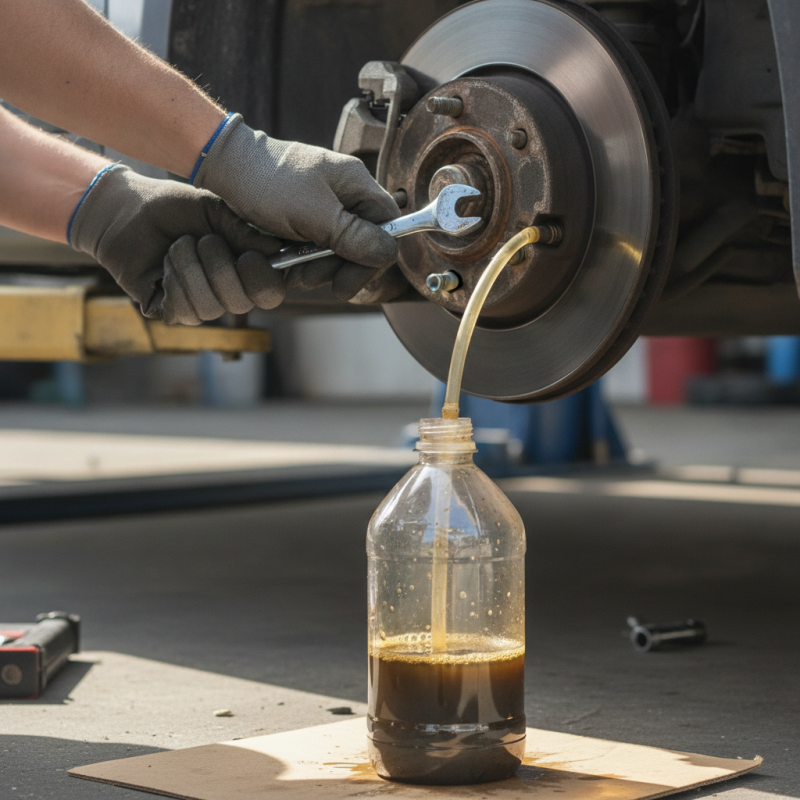
To begin, gather your tools: a wrench, brake fluid, and a clear tubing. Start by checking the brake fluid level in your master cylinder, and top it up if necessary. Working in a well-ventilated area is crucial, as brake fluid can be harmful. Make sure to wear gloves, as it can damage paint and skin. Identify the brake bleeder valve on each caliper or drum. Connect the tubing to the valve and place the other end in a container to catch the fluid.

As you begin the bleeding process, have someone pump the brake pedal while you open the bleeder valve. Watch for air bubbles in the fluid flowing out. Once the stream is clear, close the valve and instruct your helper to hold the pedal down. Repeat this process on all brakes, starting from the farthest from the master cylinder, usually the passenger side rear. This method ensures that air is expelled effectively, enhancing overall brake performance. If you encounter difficulties, reflect on the steps and ensure proper connections and fluid levels.

Brake Bleeding Process Understanding

This chart illustrates the approximate time taken for each step in the brake bleeding process. Understanding these steps can help you efficiently manage the task at home, ensuring your vehicle's braking system functions properly.

Tools and Supplies Needed for DIY Brake Bleeding

Bleeding brakes is a critical maintenance task that ensures your vehicle's braking system operates effectively. To tackle this DIY project, you will need some specific tools and supplies. Start with a brake bleeder kit, which usually includes a one-way valve, tubing, and a container. The one-way valve prevents air from entering the system while allowing old brake fluid to escape. A basic hand pump can also be handy if you work solo.

You will need a wrench to loosen the bleeder screws on the brake calipers. Make sure you also have clean, fresh brake fluid. It’s important to use the correct type for your vehicle. A catch basin is essential to avoid spills. Safety goggles and gloves will protect your eyes and skin during the process.

Gather your supplies in a well-lit area. Familiarize yourself with your car's braking system, but don't hesitate to seek guidance. Mistakes happen. If you're unsure about any step, take a moment to reread instructions or consult reliable online resources. Completing this task can save money and improve your car's safety. However, ensure you pay attention to detail. A small oversight can lead to serious issues.

Common Mistakes to Avoid When Bleeding Brakes

Learning to bleed brakes yourself can save time and money. However, it’s crucial to avoid common mistakes during the process. A poorly done brake bleed can lead to air bubbles in the system or even unsafe braking performance.

One common mistake is not thoroughly cleaning the brake components before starting. Dirt or debris can compromise the brake fluid. Ensure that the area around the bleeder valve is clean before you open it. Use a clean cloth to wipe away any grime. Also, check the brake fluid level before and during the process.

Another issue arises from using the wrong tools. Always have the right-sized wrench for your bleeder screws. A tool that doesn't fit can strip the screws and create leaks. BLEEDING TIP: Use a clear vinyl tube attached to the bleeder valve. Place the other end in a container of brake fluid to catch spills and keep the system airtight.

Lastly, be mindful of the brake fluid you use. Not all fluids are compatible with every system. Using the wrong type can cause corrosion or damage. Take a moment to read the specifications before making a choice. Minor oversights can lead to significant issues down the line.

When to Seek Professional Help for Brake Issues

Brakes are essential for vehicle safety. Knowing when to seek professional help can prevent accidents and costly repairs. If you hear grinding noises or feel your brake pedal vibrating, it’s time to consult a mechanic. Do not ignore these signs. A brake problem can worsen quickly.

Regular maintenance can sometimes resolve minor issues. However, you should be cautious. If you lack the experience, attempting complex repairs can lead to serious mistakes. Seek help when you feel unsure. A certified technician can assess potential problems effectively.

Tips: Always check your brake fluid level. Low fluid can indicate a leak. It’s vital to address this early. Also, if your brake warning light is on, stop driving. Ignoring it may cause further damage. Trust your instincts. If a problem feels beyond your ability, reach out for professional assistance.

FAQS

: What tools do I need for DIY brake bleeding?

: You need a brake bleeder kit, a wrench, fresh brake fluid, and a clean catch basin.

Why is cleanliness important before bleeding brakes?

Dirt can compromise brake fluid quality. Clean the area around the bleeder valve thoroughly.

What should I do if I'm unsure of a step?

Reread instructions or consult reliable online resources. Don’t rush; mistakes can happen.

How can I prevent air bubbles during the process?

Use a clear vinyl tube attached to the bleeder valve. This keeps the system airtight.

When should I seek professional help for brake issues?

Consult a mechanic if you hear grinding noises or feel vibrations from the brake pedal.

What if my brake fluid is low?

Low fluid can indicate leaks. Address this immediately to avoid further problems.

Can I use any brake fluid for my vehicle?

No, using the wrong type can cause corrosion and damage. Check your vehicle’s specifications.

What is a common mistake when bleeding brakes?

Using the wrong-sized wrench can strip screws and create leaks. Ensure tools fit properly.

How can I ensure my brakes are safe after bleeding?

Pay attention to detail during the process. A small oversight can lead to serious issues.

Is regular maintenance enough for brake issues?

Regular checks help, but complex repairs may need expert evaluation, especially if unsure.

Conclusion

Learning how to bleed brakes by yourself without a kit can be an invaluable skill for any car owner. This DIY approach offers several benefits, including saving money on labor costs and gaining a deeper understanding of your vehicle's braking system. The brake bleeding process involves a step-by-step approach that ensures your braking fluid is free from air bubbles, ultimately enhancing the safety and performance of your brakes.

To successfully perform brake bleeding at home, you'll need specific tools and supplies, such as a wrench and a clean reservoir for the brake fluid. It's important to be aware of common mistakes that can occur, such as introducing air back into the system or using the wrong fluid. While many issues can be resolved with DIY methods, knowing when to seek professional help is essential, particularly for complex brake problems that may require expert intervention.

Mason

Mason

Mason is a seasoned marketing professional with a deep expertise in the company's offerings and a passion for driving brand awareness. With a strong background in digital marketing strategies, he has an innate ability to connect with diverse audiences and effectively communicate product benefits.......