Why Do New Brake Rotors Have an Oily Coating?

Time:2026-06-13 Author:Aria
0%

When shopping for new brake rotors, you may notice they often come with an oily coating. This can raise questions for many car owners. According to automotive expert John Smith, “The oily film is essential for protecting rotors during storage.” Understanding why new brake rotors have an oily coating can help you make informed decisions when maintaining your vehicle.

The oil serves several purposes. It prevents rust and corrosion during the distribution process. However, it’s important to thoroughly clean the rotors before installation. Failure to do so can affect braking performance. Many people overlook this crucial step, thinking the oil will simply wear off over time. In reality, it can create a hazardous situation on the road. Taking the time to remove this coating can enhance your vehicle's safety and performance.

Many consumers underestimate the importance of proper preparation. The oil may seem like a minor issue, but it requires attention. In the world of automotive maintenance, small details can lead to significant consequences. It’s essential to stay informed about details like the oily coating on new brake rotors. Understanding “Why do new brake rotors have an oily coating” reflects your commitment to safe driving practices.
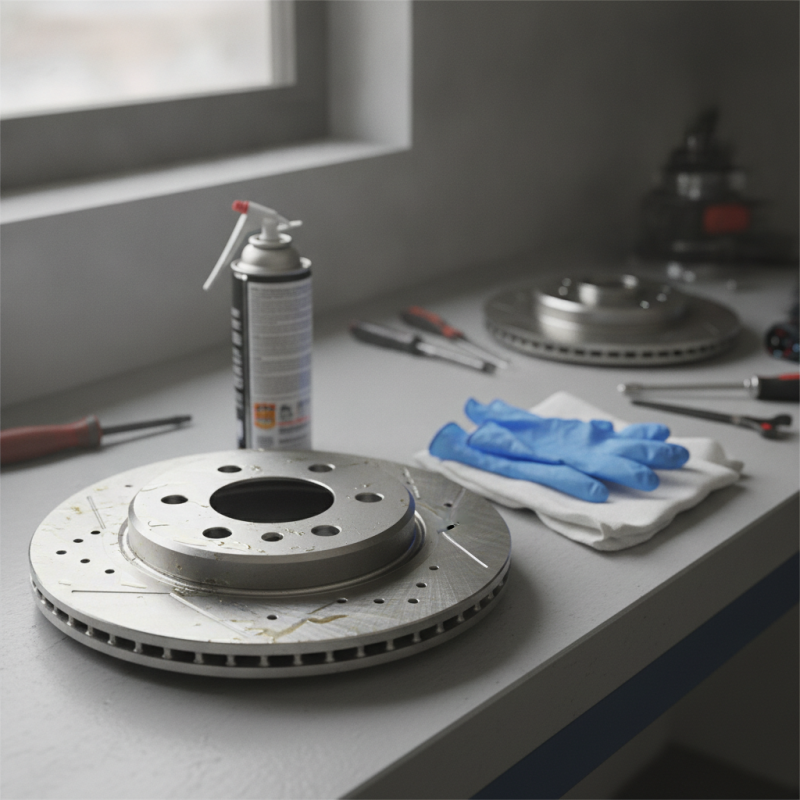
Why Do New Brake Rotors Have an Oily Coating?

Why New Brake Rotors Are Coated in Oil: An Overview

New brake rotors often feature an oily coating. This layer serves multiple purposes. It primarily protects them during storage and transportation. Moisture can lead to rust and corrosion, especially during shipment. The oily film prevents these issues, keeping the rotors in optimal condition until installation.

According to the Automotive Aftermarket Suppliers Association (AASA), over 20% of brake-related issues in vehicles are due to rusted or damaged rotors. By applying this protective oil, manufacturers aim to reduce such problems. However, it's crucial for consumers to remember that this oil must be removed before installation. Ignoring this can compromise braking performance, leading to ineffective stopping power.

The exact composition of the oil used is not standardized across manufacturers. Some may contain additives to enhance protection, while others might use a basic oil. This inconsistency can create confusion for technicians and DIY enthusiasts. Always follow manufacturer's guidelines to ensure safety. Careful attention to this detail could prevent serious accidents.

Why Do New Brake Rotors Have an Oily Coating?

New brake rotors are often coated in oil for protection against corrosion during transport and storage. This chart illustrates the average oil coating thickness for different types of brake rotors, showing that steel rotors typically have a thicker coating compared to others.

Understanding the Purpose of Oil Coatings on Brake Rotors

When you buy new brake rotors, you might notice an oily coating on their surface. This is not just a manufacturing flaw. The oil serves a specific purpose. It helps protect the rotors from corrosion during storage and transportation. Brake rotors can be exposed to moisture and elements before installation. This oil acts as a barrier against rust.

However, the oil must be removed before installation. If left on, it can lead to reduced braking efficiency. This oily residue interferes with how pads grip the rotors. Users should be careful. It’s essential to clean the surface thoroughly before using the rotors. Not doing so can compromise the safety and performance of the braking system.

Understanding the role of this coating is vital. It shows how manufacturers prioritize the quality of their products. Yet, it’s also a reminder for users. They need to maintain their parts properly. A little oversight can lead to bigger issues down the road. So, while the oily coating serves its purpose, it’s a cue for attention and care before installation.

The Impact of Oil on Brake Rotor Performance and Longevity

New brake rotors often come with an oily coating. This layer serves as a temporary protection during storage and shipping. While it prevents rust, oil can harm brake performance. The presence of oil affects the rotor's contact with brake pads, leading to reduced friction.

When oil is on the rotors, it can cause longer stopping distances. Braking efficiency drops, which may lead to safety issues. In some cases, it can even lead to the glaze on brake pads, impacting their longevity. A proper cleaning process before installation is crucial to maintain performance.

Tips: Always clean rotors with brake cleaner before installation. Use a lint-free cloth to remove any residue. This ensures optimal contact between your rotors and pads, enhancing safety. Regularly inspect your brakes to catch any oil or contaminants that may have been missed. Proper maintenance can prevent unexpected issues.

Industry Standards for Brake Rotor Coatings and Manufacturing

The oily coating on new brake rotors is a standard practice in the industry. This coating helps prevent rust during storage and transport. According to a report by the Automotive Aftermarket Suppliers Association, up to 30% of brake rotor issues stem from corrosion if not protected properly.

Manufacturers adhere to specific guidelines when applying this coating. The Society of Automotive Engineers specifies that coatings must be durable yet easy to remove. Proper preparation of the rotor surface is essential to ensure optimal braking performance. If removal is overlooked, performance could decline. This highlights a need for awareness among mechanics and DIY enthusiasts alike.

Tip: Always clean new rotors before installation. Use brake cleaner to remove any residual oil. This ensures proper contact with brake pads, optimizing braking performance.

It’s important to note that while these coatings serve their purpose, they can sometimes create a false sense of security. Users may confuse the coating with a defect if they don’t know its purpose. Refreshing your knowledge about brake rotor care is essential for effective vehicle maintenance. Remember, not all coatings are the same; some may need specific removal methods.

Proper Preparation: Cleaning New Brake Rotors Before Installation

New brake rotors often arrive with an oily coating. This layer protects the metal during shipping and storage. It can keep rotors from rusting. However, this coating is not meant to stay on. Cleaning the rotors before installation is crucial for safety and performance.

To clean new brake rotors, use a brake cleaner or soap and water. Make sure to apply it thoroughly. Some people overlook this step, thinking the rotors are ready to use. Ignoring it can lead to poor braking performance. A properly cleaned rotor enables better contact with brake pads. This ensures consistent braking power.

When preparing the rotors, also check for machining marks. These can affect how the pads seat. If you see imperfections, consider returning the rotors. Taking time to examine them may save larger issues down the road. Preparing them correctly can enhance your vehicle's reliability.

FAQS

: Why do new brake rotors have an oily coating?

: The oily coating protects rotors during storage and shipping, preventing rust.

How does oil affect brake performance?

Oil reduces friction between rotors and pads, leading to longer stopping distances.

What can happen if rotors are not cleaned?

Neglecting to clean rotors can cause poor braking performance and safety issues.

What is the best way to clean new brake rotors?

Use brake cleaner or soap and water with a lint-free cloth to ensure thorough cleaning.

How can I prevent unexpected brake issues?

Regularly inspect your brakes for oil or contaminants, and clean rotors before installation.

What should I check for during rotor preparation?

Inspect for machining marks or imperfections that may affect the pads' seating.

Is the oil coating meant to stay on the rotors?

No, the coating is temporary and should be removed before installation.

How often should I inspect my brakes?

Regular checks are recommended to ensure optimal performance and safety.

What should I do if I find imperfections on the rotors?

Consider returning them to avoid potential problems later.

Conclusion

New brake rotors often come with an oily coating, which raises the question: "Why do new brake rotors have an oily coating?" This coating serves multiple purposes, primarily protecting the rotors from corrosion and ensuring they remain in prime condition during storage and transportation. The oil also helps in preventing rust, which can develop in damp environments.

In addition to its protective role, the oil affects the performance and longevity of the brake rotors. However, it is crucial to clean the rotors properly before installation to avoid any negative impact on braking efficiency. Industry standards dictate specific practices regarding the coating and manufacturing of brake rotors, emphasizing the importance of adhering to these guidelines. Thus, understanding the purpose and preparation of new brake rotors is essential for optimal vehicle performance.

Aria

Aria

Aria is a dedicated marketing professional with a deep passion for innovative strategies and a keen understanding of our company's product offerings. With a wealth of experience in the industry, Aria excels at crafting engaging content that highlights the unique features and benefits of our......