How to Prevent Rust on Brake Caliper Bolts Effectively?

Time:2026-07-05 Author:Sophia
0%

Rust on brake caliper bolts is a common issue faced by vehicle owners. It can significantly compromise brake performance and safety. According to a recent report by the Automotive Research Network, about 30% of vehicles experience brake system failures due to rust-related problems. Thus, understanding how to prevent rust on brake caliper bolts is essential.

To combat this problem, several preventive measures can be taken. Protective coatings have been shown to reduce rust formation by nearly 50%, according to industry studies. Additionally, regular inspections can help identify early signs of rust, allowing for timely interventions. However, many vehicle owners overlook these steps, leading to increased maintenance costs and safety hazards.

It's clear that proactive care is key. Simple practices, like applying rust inhibitors or using stainless steel bolts, can make a significant difference. Nevertheless, determining the best methods can be tricky, and some solutions may not yield the expected results. It’s important to stay informed and continuously seek effective strategies for rust prevention.
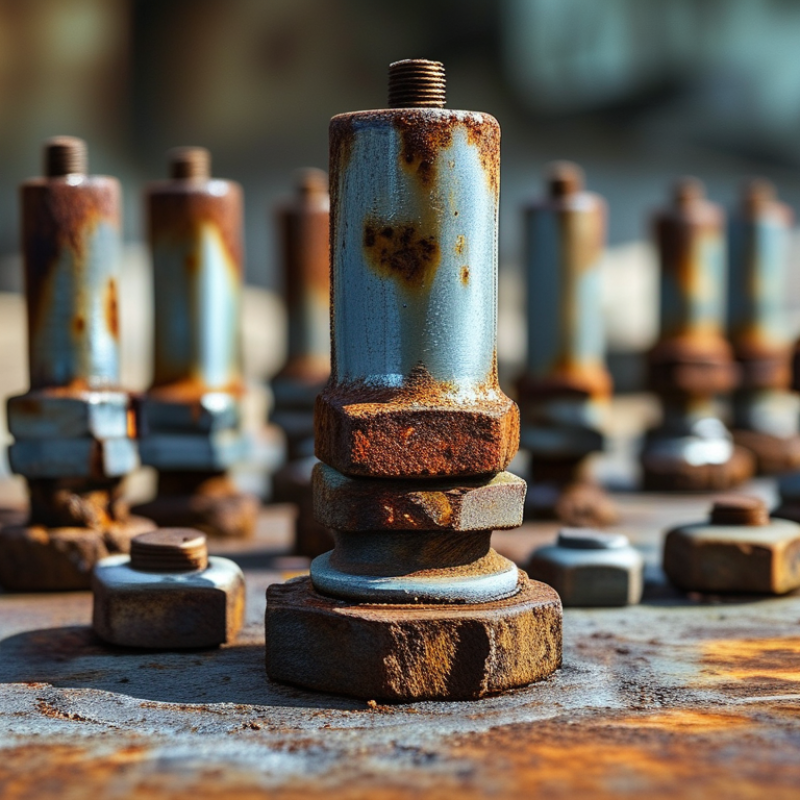
How to Prevent Rust on Brake Caliper Bolts Effectively?

Understanding the Causes of Rust on Brake Caliper Bolts

Rust on brake caliper bolts is a common issue that vehicle owners face. Understanding its root causes is essential. Moisture is a primary culprit. Water can accumulate around bolts, especially after rain or washing. This trapped moisture creates a perfect environment for rust formation.

Another factor is the type of materials used in bolts. Some metals are more susceptible to corrosion than others. Salt, often used in winter maintenance, accelerates rusting too. Regular exposure to road debris and varying temperatures can also lead to deterioration. These environmental factors create wear and tear, compromising the bolts' integrity over time.

Neglecting preventive measures can lead to significant problems. Rusty bolts can weaken the brake system. Regular inspections and maintenance can help catch issues early. It’s crucial to consider all these factors when protecting brake caliper bolts. Rust is not just unsightly; it can endanger safety.

How to Prevent Rust on Brake Caliper Bolts Effectively?

Choosing the Right Materials for Brake Caliper Bolts

Choosing the right materials for brake caliper bolts is crucial for vehicle safety and performance. The most common materials include steel and stainless steel. Steel offers high strength but can rust if not properly treated. Stainless steel does not rust easily but can be more expensive. A study by the Automotive Engineering Society highlights that about 35% of brake system failures are related to corrosion in components, including caliper bolts.

Another factor is the coating applied to the bolts. Many manufacturers use zinc or other coatings to enhance corrosion resistance. According to research from the Society of Automotive Engineers, coated bolts can extend service life by up to 50%. However, it is important to ensure that the coatings are compatible with the operating environment. In high-temperature situations, some coatings may break down, leading to rust.

Quality matters in bolt selection. Using lower-grade materials may save money initially but can lead to greater costs later. There’s a trade-off between immediate savings and long-term reliability. An informed choice based on material properties, environmental conditions, and vehicle demands can significantly impact the integrity of the braking system. Remember, safety should always come first. Regular inspection and maintenance of bolts are equally important to ensure ongoing performance.

Applying Protective Coatings to Prevent Rust Formation

Brake caliper bolts play a crucial role in the safe operation of vehicles. To prevent rust on these vital components, applying protective coatings is essential. A variety of coatings can be used. Some offer a thick layer of protection, while others may feel less robust. Choosing the right type can be tricky.

Before applying any coating, proper surface preparation is necessary. Clean the bolts thoroughly to remove dirt and old grease. A clean surface ensures the coating adheres well. Pay attention to areas where water tends to accumulate. These spots may require additional coating for more protection. It's crucial to follow each coating manufacturer's instructions closely to avoid misapplication.

Regular inspections are important too. A well-applied protective coating can still wear over time. Inspect the caliper bolts for any signs of corrosion. Do this during routine maintenance checks. Ignoring minor rust spots can lead to larger problems later. Remember, a proactive approach helps maintain the integrity of brake caliper bolts.

Regular Maintenance Routines to Avoid Brake Caliper Bolt Rust

Regular maintenance is crucial to prevent rust on brake caliper bolts. Start by inspecting the bolts during routine checks. Look for signs of wear or corrosion. If you notice any rust, address it immediately. Clean the bolts with a wire brush to remove surface rust. This should be part of your regular maintenance schedule.

Applying rust-resistant coatings can also help. These coatings provide a barrier against moisture. Regularly lubricating the bolts helps as well. Use a high-quality grease that withstands high temperatures. Make sure to follow manufacturer recommendations to ensure compatibility.

Lastly, storing your vehicle properly can prevent moisture accumulation. Parking in a dry, ventilated area reduces rust formation. If the vehicle sits for long periods, consider using a rust inhibitor. Regular checks and preventative measures can mitigate rust issues effectively. Ignoring these steps may lead to more severe problems down the line.

How to Prevent Rust on Brake Caliper Bolts Effectively? - Regular Maintenance Routines to Avoid Brake Caliper Bolt Rust

Maintenance Routine Frequency Recommended Products Notes
Visual Inspection Monthly N/A Check for signs of rust or damage
Cleaning Every 6 months Brake Cleaner Remove dirt and debris
Lubrication Yearly Anti-seize Compound Apply to threads to prevent corrosion
Rust Prevention Coating Every 2 years Rust Inhibitor Spray Protects against moisture
Replacement As needed OEM Caliper Bolts Replace if rust is extensive

Identifying Signs of Rust and Taking Preventive Action

Brake caliper bolts are crucial for vehicle safety. They hold the calipers in place, allowing for proper braking. Rust can weaken these bolts, leading to severe issues. Identifying early signs of rust can prevent costly repairs. Look for discoloration, flaking, or pitting on the bolts. Even slight rust can indicate a problem.

Another key aspect is maintaining a clean environment for your brake components. Regularly washing your vehicle undercarriage helps remove dirt and moisture. This builds a barrier against rust. If rust is found, immediate action is essential. You can clean the area with a wire brush and apply a rust prevention spray. However, if the rust is extensive, replacing the bolts may be necessary.

Regular inspections can save you from unexpected breakdowns. Schedule these checks when changing your oil or tires. During these inspections, examine the bolts closely. A small investment of time can yield big rewards in safety and costs. Neglecting rust on brake caliper bolts poses serious risks. Prioritize this maintenance to keep your vehicle running smoothly.

FAQS

: Why is the choice of materials for brake caliper bolts important?

: The right materials affect vehicle safety and braking performance.

What are the most common materials for brake caliper bolts?

Steel and stainless steel are widely used materials.

Does steel offer any disadvantages?

Yes, steel can rust if not treated properly.

How does stainless steel compare to regular steel?

Stainless steel resists rust better but can be more costly.

What role do coatings play in brake caliper bolts?

Coatings enhance corrosion resistance, extending service life significantly.

What should I do before applying a coating?

Clean the bolts thoroughly to ensure good adherence of the coating.

How often should I inspect brake caliper bolts?

Regular inspections should be part of your maintenance routine.

What happens if rust is ignored on caliper bolts?

Ignoring rust can lead to severe problems later on.

What can I do to prevent moisture accumulation on my vehicle?

Store your vehicle in a dry, ventilated area to minimize rust risks.

What should I do if I see signs of corrosion?

Clean the bolts immediately with a wire brush and address any issues.

Conclusion

To effectively address the question of **how to prevent rust on brake caliper bolts**, it is essential to understand the underlying causes of rust formation. Factors such as moisture exposure, road salts, and lack of proper maintenance can significantly contribute to rust. By selecting the right materials for brake caliper bolts, particularly those with corrosion-resistant properties, you can enhance their longevity.

In addition to material selection, applying protective coatings serves as a barrier against moisture and corrosive agents. Establishing regular maintenance routines, such as inspecting and cleaning brake components, can help detect early signs of rust and mitigate any potential damage. By understanding these strategies, car owners can take proactive measures to keep their brake caliper bolts rust-free and ensure optimal vehicle performance.

Sophia

Sophia

Sophia is a dedicated marketing professional with an exceptional depth of knowledge about her company's products and services. With a keen understanding of market trends and customer needs, she crafts insightful blog posts that not only inform but also engage readers, enriching the company’s online......