When Should You Replace Brake Caliper Pistons for Safety?

Time:2026-08-04 Author:Isabella
0%

When it comes to vehicle safety, understanding "when to replace brake caliper pistons" is crucial. According to John Hartman, an automotive expert with over 20 years of experience, “Ignoring signs of caliper piston wear can lead to serious braking failures.” This statement emphasizes the importance of timely maintenance.

Brake caliper pistons play a vital role in your car's braking system. They push the brake pads against the rotors, creating friction to slow down or stop the vehicle. If you notice uneven pad wear, leaking fluid, or any unusual noises, it may be time to assess these pistons.

Regular inspection ensures safety on the road. A simple check can prevent costly repairs and dangerous situations. Many drivers underestimate the significance of brake components, yet their performance is essential for safe driving. Don't wait until a malfunction occurs. Being proactive can save lives and provide peace of mind on every journey.
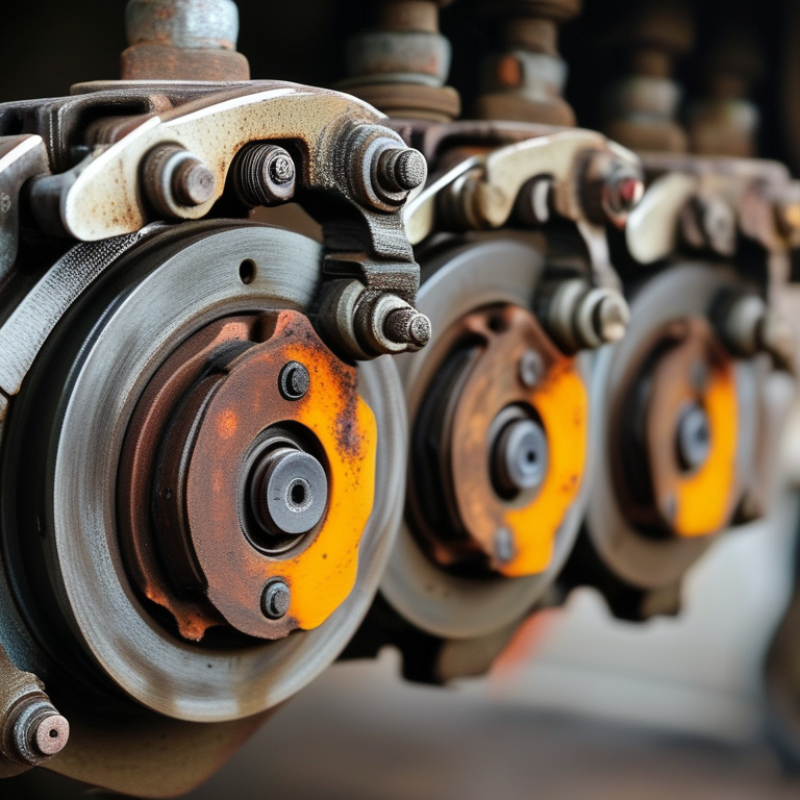
When Should You Replace Brake Caliper Pistons for Safety?

Understanding Brake Caliper Pistons and Their Function

Brake caliper pistons play a crucial role in your vehicle's braking system. They help press the brake pads against the rotors. This action is vital for slowing down and stopping your car safely. Over time, these pistons can wear out or become faulty. When this happens, your brakes may not function effectively.

Regular inspection of brake caliper pistons is essential. Look for signs of corrosion or leakage. If you notice fluid around the caliper, it’s a warning sign. Remember, your safety depends on the performance of these components. If you feel a decline in braking efficiency, it may be a sign that the pistons need replacing.

**Tip:** Always listen for unusual noises when braking. A grinding sound can indicate a problem.

Consider the environment when replacing these parts. Humidity and road salt can accelerate wear. Regular maintenance is a must to avoid costly repairs.

**Tip:** Clean any dirt or debris around the caliper during inspections. This helps prolong the life of your pistons.

Brakes should always perform well. Ignoring potential issues can lead to dangerous situations. Trust your instincts; if something feels off, it's best to have a professional assess your brake system.

Signs Indicating the Need for Brake Caliper Piston Replacement

Brake caliper pistons play a crucial role in vehicle safety. They help apply pressure to the brake pads, ensuring effective stopping power. However, there are signs that indicate it may be time to replace them. One common sign is uneven wear on brake pads. If you notice that one pad is significantly more worn than the other, it could mean the piston isn't functioning properly. Reports indicate that brake pads should wear evenly for optimal performance.

Another important indicator is brake fluid leakage. If you find fluid leaking from the calipers, it’s a sign of a failing piston seal. According to the National Highway Traffic Safety Administration, brake failure contributes to a significant number of accidents. Properly functioning calipers are essential for safety.

Additionally, strange noises when braking, such as a squeaking or grinding sound, can signal the need for inspection. These noises often hint at worn or damaged components. Regular brake inspections can help identify these issues early. A survey by the AAA revealed that nearly 30% of drivers neglect regular brake maintenance. Staying vigilant is key to ensuring your vehicle's braking system remains reliable.

Safety Risks of Driving with Worn or Faulty Caliper Pistons

Driving with worn or faulty brake caliper pistons poses significant safety risks. These critical components ensure even pressure on the brake pads. When they fail, uneven braking occurs, leading to longer stopping distances. This can endanger both the driver and others on the road.

Signs of trouble include unusual noises, vibrations, or brake fluid leaks. Ignoring these symptoms can escalate into severe brake failure. In some cases, the brakes may seize or lock up, causing loss of control. Regular inspections are vital to catch these issues early.

Considering the importance of brake performance, maintaining caliper pistons should not be overlooked. Investing time in routine checks helps ensure safety. Rely on experienced mechanics for thorough evaluations. Their expertise allows for proper diagnosis and timely repairs. Remember, neglecting this aspect of vehicle maintenance can have serious consequences.

When Should You Replace Brake Caliper Pistons for Safety?

Criteria Signs of Worn Caliper Pistons Safety Risks Recommended Actions
Visual Inspection Cracks or worn surfaces on piston Decreased braking efficiency Replace caliper piston if damaged
Brake Performance Uneven braking or pulling Increased stopping distance Inspect and replace if necessary
Fluid Leaks Brake fluid around the caliper Potential brake failure Check for leaks and replace pistons
Noise Grinding or squeaking noises Increased wear on brake components Examine calipers and replace if noisy
Piston Movement Sticking or jammed pistons Loss of control during braking Replace seized pistons

Step-by-Step Guide to Replacing Brake Caliper Pistons

Replacing brake caliper pistons is crucial for vehicle safety. When you notice uneven brake wear or leaking brake fluid, it might be time for a replacement. Begin by gathering the necessary tools: a socket set, brake grease, and a caliper tool. Safety gear like gloves and goggles can protect you during the process.

Start with removing the wheel and brake caliper assembly. Taking care to support the caliper properly prevents strain on the brake line. Next, carefully remove the piston using the correct tools. A stuck piston can be a challenge, requiring persuasion and some patience. Inspect the caliper for damage or corrosion while also checking the rubber seals. After replacing the piston, ensure you use lubrication on seals and guides.

Reassemble the brake caliper and wheel, making sure everything is tight and secure. Test the brakes gently before driving. This careful approach is essential. Small mistakes can lead to larger issues, affecting performance and safety. Always listen for unusual sounds or feel for differences in braking after the installation. Maintain awareness of how your vehicle behaves post-replacement.

Maintenance Tips to Extend the Life of Brake Caliper Pistons

Brake caliper pistons play a crucial role in your vehicle's safety. They ensure that the brake pads press against the rotors effectively. Over time, wear and tear can lead to performance issues. It's important to recognize when to replace these components.

Regular inspection can help prolong the life of brake caliper pistons. Look for signs of leakage or corrosion. A stuck piston can indicate that it’s time for a replacement. Cleaning the pistons can also prevent dirt build-up, which leads to malfunction. This maintenance can enhance braking efficiency and overall safety.

Maintaining the brake system is both an art and a science. While you may follow guidelines, real-world stress can alter your results. Simple tasks like applying brake grease or ensuring proper alignment can make a substantial difference. Remember, neglect might save time now but can lead to costly repairs later. Always prioritize safety above convenience.

When Should You Replace Brake Caliper Pistons for Safety?

This chart illustrates the average lifespan of brake caliper pistons based on different driving conditions and maintenance practices. Understanding these factors is crucial for maintaining vehicle safety.

FAQS

: What is the function of brake caliper pistons?

: Brake caliper pistons press the brake pads against the rotors, essential for vehicle stopping.

What happens if brake caliper pistons fail?

Failure leads to uneven braking, increasing stopping distances and safety risks on the road.

How can I identify problems with brake caliper pistons?

Look for noises, vibrations, or brake fluid leaks around the calipers.

How often should I inspect brake caliper pistons?

Regular inspections are crucial. Check for corrosion, leakage, or any unusual symptoms frequently.

What environmental factors affect brake caliper pistons?

Humidity and road salt can accelerate wear and reduce their lifespan significantly.

What should I do if I notice a decline in braking efficiency?

Trust your instincts. Have a professional evaluate your brake system as soon as possible.

What maintenance can help prolong the life of caliper pistons?

Clean dirt or debris around the caliper during inspections to extend their lifespan.

Can ignoring brake issues lead to severe consequences?

Yes, neglecting brake maintenance can result in dangerous situations and possibly lead to crashes.

Should I replace the caliper pistons myself?

It’s better to rely on experienced mechanics for a thorough evaluation and repairs.

What is a sign that brake caliper pistons need replacement ?

A grinding sound when braking often signals issues that could lead to caliper piston failure.

Conclusion

Brake caliper pistons play a crucial role in the braking system by applying pressure to the brake pads. Understanding when to replace brake caliper pistons is vital for maintaining vehicle safety. Signs such as reduced braking performance, uneven wear on brake pads, or visible leaks can indicate that a replacement is necessary. Driving with worn or faulty caliper pistons can lead to serious safety risks, including longer stopping distances and brake failures.

To ensure the longevity of brake caliper pistons, it's important to follow a step-by-step guide for replacement and adhere to maintenance tips that can help extend their life. Regular inspections and timely replacements are key to a reliable braking system. Ultimately, knowing when to replace brake caliper pistons not only enhances vehicle safety but also contributes to a smoother driving experience.

Isabella

Isabella

Isabella is a dedicated marketing professional with a sharp focus on driving brand growth and engagement through strategic content creation. With an extensive background in digital marketing, she combines her passion for storytelling with her keen understanding of industry trends to deliver......