7 Tips How to Clean Brake Dust Off Wheels Safely?

Time:2026-10-03 Author:Liam
0%

Brake dust is more than an unattractive gray coating. It contains sharp metallic particles that can cling to clear-coated, painted, or polished wheels. Left in place, this residue may bake onto hot surfaces and become harder to remove. Learning How to clean brake dust off wheels safely starts with patience, suitable products, and careful observation.

Mike Phillips, a respected automotive detailing educator, advises, “Use the least aggressive product to get the job done.” That principle matters here. A cool wheel, a shaded work area, and a pH-neutral wheel cleaner create a safer starting point. Never spray cleaner onto scorching rotors or leave it drying in direct sunlight. Wear gloves and eye protection, especially when using a soft wheel brush around tight spokes.

This guide will explain seven practical tips for loosening dust without scratching the finish. You will see how to rinse first, test a hidden area, and choose brushes that reach behind spokes. A microfiber towel can help, but it must stay clean. Tiny grit can act like sandpaper.

Be realistic.

Not every stain disappears immediately. Some wheels have damaged coatings or deeply embedded contamination. In those cases, stronger chemicals may cause more harm than improvement, so professional inspection is sensible. I have learned that rushing the final rinse often leaves cleaner trapped near lug nuts. That small mistake can create dull spots later. Safe wheel care is not about maximum force. It is about controlled steps, compatible products, and knowing when to stop.
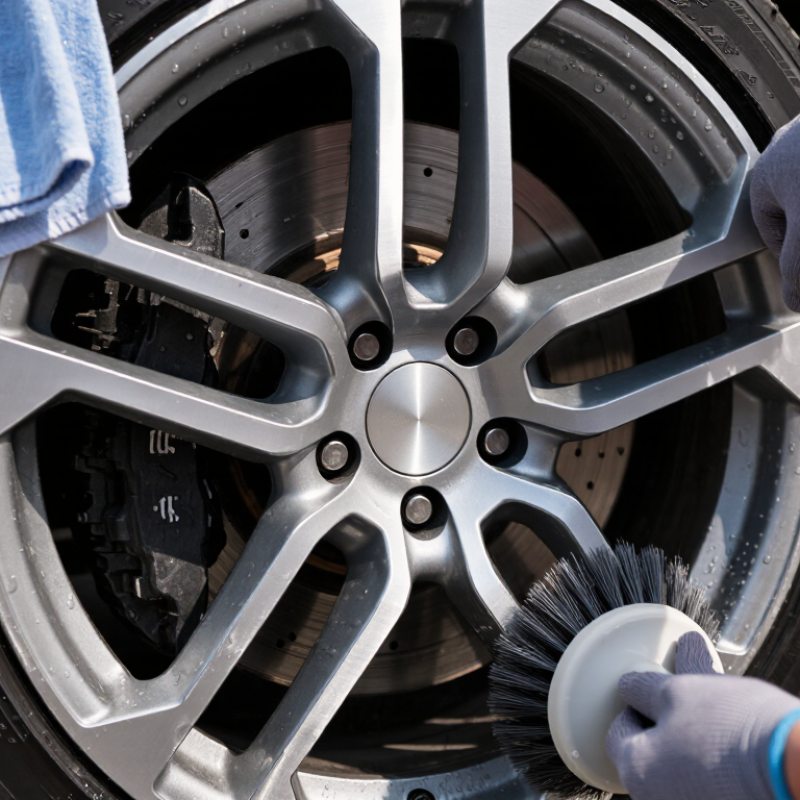
7 Tips How to Clean Brake Dust Off Wheels Safely?

Define Brake Dust as PM10/PM2.5 and Assess Wheel-Finish Risk

7 Tips How to Clean Brake Dust Off Wheels Safely?

Brake dust is not one uniform substance. It contains metal, carbon, and resin fragments from friction materials. The U.S. Environmental Protection Agency defines PM10 as particles 10 micrometres or smaller. PM2.5 is 2.5 micrometres or smaller. Many brake-wear particles fall within these inhalable ranges, although their exact size varies with braking temperature, speed, and pad composition.

The European Environment Agency reported that non-exhaust sources produced about 77% of road-transport PM10 and 60% of PM2.5 emissions in the European Union in 2020. That figure includes brake, tyre, and road wear. It should not be read as brake dust alone. The classification is imperfect, but it explains why dry brushing is a poor cleaning method. It can lift fine particles into breathing zones. I now wet the wheel first, wear gloves, and clean it outdoors with low-pressure water. A soft brush and pH-neutral cleaner reduce scratching and chemical stress.

Wheel-finish risk is also practical, not theoretical. Hot dust can bond to clearcoat, while harsh acids, strong alkalis, and long dwell times may dull painted or polished surfaces. I check temperature with the back of my hand, though that test is not precise. A cool wheel is safer. Rinse from the top downward, clean one section at a time, and dry with a clean microfiber towel. Never scrape baked deposits aggressively. One missed patch is better than permanent finish damage. WHO’s 2021 guidelines recommend only 15 micrograms per cubic metre for 24-hour PM2.5 exposure, reinforcing the value of controlling airborne dust during maintenance.

Cool Wheels Below 40°C Before Washing to Reduce Thermal Shock

Brake dust can bond tightly to hot wheels, especially after repeated braking. Let the wheels cool below 40°C before washing. Use an infrared thermometer when possible. A hand test is unreliable and can cause burns.

Park in shade and wait patiently. I once rinsed warm wheels too soon. The sudden temperature change left uneven water marks and made cleaning harder. Thermal shock may also stress certain finishes, especially when cold water hits heated metal. Use a gentle stream to remove loose grit. Avoid spraying directly into bearings, valve stems, or brake components from close range.

Wear gloves and use separate tools for wheels. Apply a wheel-safe, pH-neutral cleaner to one wheel at a time. Let it work briefly, but never allow it to dry. Agitate spokes, lug areas, and inner rims with soft brushes. Rinse from the top downward. A clean microfiber towel can remove remaining moisture. Inspect the surface under bright light. If dark particles remain, repeat the process instead of scrubbing harder. Strong pressure can scratch clear-coated finishes. I still check the wheel temperature twice, because rushing is an easy mistake.

Select a pH-Neutral Cleaner Between 6 and 8 for Finish Safety

7 Tips How to Clean Brake Dust Off Wheels Safely?

Select a pH-neutral cleaner between 6 and 8 for finish safety. This range is mild enough for most clear-coated, painted, and factory-finished wheels. Avoid assuming every wheel reacts identically. Polished aluminum can show staining faster. Check the cleaner’s pH with a test strip when its label seems unclear. The European Environment Agency’s 2023 report estimates non-exhaust sources produce 77% of road-transport PM10 and 60% of PM2.5 in Europe. Brake dust matters. Wear gloves, work outdoors, and let hot wheels cool completely. Rinse loose grit with plenty of water before touching the surface.

Spray the pH-neutral cleaner on one small area first. Wait briefly, but never allow it to dry. Use a soft wheel brush with separate, clean bristles. Turn the brush slowly around the spokes and inner barrel. Rinse from the top downward. Repeat lightly instead of scrubbing hard. Dry with a clean microfiber towel to prevent water spots. Do not use household bleach, strong acids, or abrasive pads. SAE technical reviews describe brake-wear residue as a complex mixture containing iron oxides and friction-material particles, so a dark appearance does not prove contamination is harmless. I once scrubbed too aggressively and created faint marks. That mistake still influences my routine. Inspect the finish under direct light before applying any protective product.

Use Non-Abrasive Microfiber Tools and Follow SAE J2975 Principles

7 Tips How to Clean Brake Dust Off Wheels Safely?

Use SAE J2975 principles as a careful guide for wheel and trim care. Cool the wheels completely before cleaning. Hot surfaces can dry chemicals unevenly and create stains. Rinse away loose dust with low-pressure water. Do not scrub dry particles across the finish. Choose a pH-balanced cleaner that suits the wheel material. When uncertain, test a hidden area first.

Use non-abrasive microfiber tools with clean, soft fibers. Keep one towel for the wheel face and another for drying. A soft detailing brush can reach around lug holes, but never force it into tight gaps. Work on one wheel at a time. Rinse the towel often. Small grit can act like sandpaper.

It happened to me once.

Apply the cleaner briefly, following its stated contact time. Never let it dry on the surface. Rinse thoroughly, then dry with a separate microfiber towel. Inspect behind the spokes for trapped dust, chipped coating, or unusual discoloration. Stop if the finish feels rough or changes appearance. Stronger pressure is not better. SAE J2975-style care emphasizes compatibility, controlled handling, and preventing avoidable surface damage. Gloves and eye protection also help, especially when splashing is possible. I still recheck the lower spokes, because they often look clean before they truly are.

Rinse, Dry, and Inspect Wheels After Each Cleaning Cycle

7 Tips: How to Clean Brake Dust Off Wheels Safely?

Brake dust contains metallic particles and abrasive residue. The EMEP/EEA Air Pollutant Emission Inventory Guidebook 2023 lists brake wear as a measurable PM10 and PM2.5 source. That matters during cleaning. Rinse each wheel with a strong, cool-water stream before touching it. This removes loose grit and lowers scratch risk. Work on one wheel at a time. Use a soft, dedicated brush and a pH-neutral wheel cleaner. Avoid cleaning hot wheels. Heat can dry chemicals unevenly and leave visible marks.

Rinse thoroughly after the cleaning cycle. Check behind the spokes, around lug holes, and near the valve stem. Residue often hides there. Dry with a clean microfiber towel or low-pressure air. Water trapped behind spokes can carry loosened dust back onto the finish. The U.S. Environmental Protection Agency identifies brake and tire wear as non-exhaust road-traffic emissions, so do not blow dry dust into the air. Keep runoff away from storm drains where local rules require it. Inspect the surface under bright light. Look for new scratches, cloudy patches, or remaining black deposits. I sometimes miss the inner rim on the first pass. That is a useful reminder to slow down. If dust returns unusually fast, inspect the brake system professionally rather than scrubbing harder.

7 Tips: How to Clean Brake Dust Off Wheels Safely

This chart presents a practical suggested time allocation for one safe wheel-cleaning cycle. Rinse loose dust first, allow the cleaner to dwell without drying, agitate gently with a wheel-safe brush, rinse thoroughly, dry the wheel, and inspect for remaining residue before repeating if necessary.

FAQS

Why should wheels cool below 40°C before washing?

Hot wheels can suffer thermal shock from cold water. Brake dust may also bond tightly to warm surfaces. Wait in the shade.

How can I check wheel temperature safely?

Use an infrared thermometer when available. A hand test is unreliable and may cause burns. I still check twice.

What water pressure is suitable for removing loose dust?

Use a gentle, low-pressure stream. Rinse from the top downward. Avoid close spraying near bearings, valve stems, and brake parts.

Which cleaner should I use on wheels?

Choose a wheel-safe, pH-neutral cleaner suited to the wheel material. Test a hidden area if uncertain. Compatibility matters.

How long should the cleaner remain on the surface?

Follow its stated contact time. Never let the cleaner dry. Work on one wheel at a time.

What tools help remove brake dust safely?

Use clean, non-abrasive microfiber towels and soft brushes. Keep separate tools for wheels. Small grit can act like sandpaper.

How should I clean difficult areas?

Gently agitate spokes, lug areas, and inner rims. Do not force a brush into narrow gaps. Rinse the towel often.

What should I do if dark particles remain?

Rinse and repeat the cleaning process. Do not scrub harder. Strong pressure can scratch a coated finish.

How can I inspect the wheels after washing?

Dry them with a separate microfiber towel, then use bright light. Check behind spokes and around lower areas. I sometimes miss those spots.

What signs mean I should stop cleaning?

Stop if the finish feels rough or changes appearance. Look for chips, trapped dust, or unusual discoloration. Something may need closer inspection.

Conclusion

How to clean brake dust off wheels safely starts with understanding what you are removing. Brake dust can contain fine particles classified as PM10 and PM2.5, which may settle deeply into the wheel surface and create health and finish concerns. Before cleaning, allow the wheels to cool below 40°C to reduce thermal shock and prevent damage caused by sudden temperature changes. Choose a pH-neutral cleaner within the 6–8 range, and test it on a small hidden area first.

Use gentle, non-abrasive microfiber cloths or soft brushes to loosen contamination without scratching the finish. Work one wheel at a time, following careful handling principles consistent with SAE J2975. Rinse thoroughly so loosened dust and cleaner do not dry on the surface, then dry with a clean microfiber towel. Finally, inspect each wheel for remaining residue, stains, or surface changes and repeat the cleaning cycle only when necessary. Regular, controlled cleaning helps preserve both appearance and finish durability.

Liam

Liam

Liam is a dedicated marketing professional with a profound expertise in the industry, where he excels at highlighting the unique advantages of our core products. With a keen understanding of market trends and consumer needs, Liam frequently updates our company’s professional blog, providing......