Signs Your Brake Vacuum Booster is Failing and What to Check?

Time:2026-07-02 Author:Aria
0%

Understanding your vehicle's braking system is crucial for safety. A critical component often overlooked is the brake vacuum booster. According to industry expert Dr. Mark Thompson, "Recognizing what are the signs of a failing brake vacuum booster can prevent accidents." The brake vacuum booster amplifies your braking force, allowing you to stop smoothly.

When this component begins to fail, signs can be subtle at first. You might notice increased pedal effort, or a hissing sound when you press the brake. These changes often signal a vacuum leak or a failing mechanism. Pay attention to your vehicle’s behavior. Ignoring these signs may lead to more severe braking issues.

Inexperienced drivers may dismiss these signals as normal wear and tear. However, prompt attention can save lives and prevent costly repairs. Being proactive about your vehicle maintenance ensures a safer driving experience. Regular inspections can help identify problems early, keeping you and others safe on the road.
Signs Your Brake Vacuum Booster is Failing and What to Check?

Understanding the Role of the Brake Vacuum Booster in Vehicle Performance

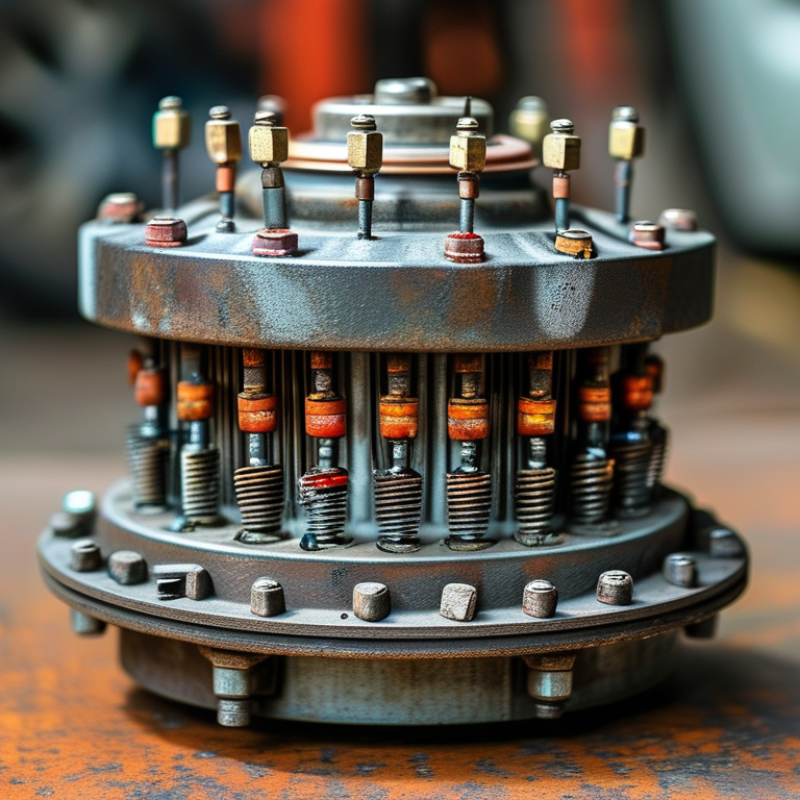
The brake vacuum booster plays a vital role in enhancing vehicle performance. It assists in amplifying the brake force applied by the driver. This device relies on engine vacuum to create a pressure differential. When the driver presses the brake pedal, the booster multiplies this force, making braking easier and more effective.

However, when the brake vacuum booster starts to fail, drivers may notice several symptoms. For instance, a spongy brake pedal could indicate a problem. Unusual hissing sounds while braking are also a common sign. These issues can compromise your vehicle's stopping power. It's essential to understand these signs and act on them promptly.

Regular maintenance is necessary to avoid costly repairs. If you find your vehicle’s braking has become sluggish, it may require a detailed inspection. Even minor vacuum leaks can lead to significant performance issues. Awareness and proactive checks are key to ensuring your vehicle’s safety and reliability.

Signs Your Brake Vacuum Booster is Failing and What to Check?

Sign Description What to Check
Hard Brake Pedal The brake pedal feels stiff and requires more effort to push down. Check vacuum lines for leaks or damage.
Inconsistent Brake Response Braking feels uneven or unresponsive at times. Inspect the brake booster for proper operation and response.
Hissing Noise A hissing sound from the brake pedal area when the brakes are applied. Listen for air leaks around the booster or check valve.
Brake Warning Light The brake warning light on the dashboard activates. Run a diagnostic check to identify any error codes related to the braking system.
Reduced Braking Force Braking power feels diminished compared to normal. Check the brake booster operation and the condition of the brake fluid.

Common Symptoms of a Failing Brake Vacuum Booster to Look For

A failing brake vacuum booster can lead to serious safety issues. Recognizing the symptoms early can prevent accidents and costly repairs. One common sign is a hard brake pedal. When you press the pedal, it feels stiff and doesn’t respond as it should. This indicates that the booster may not be assisting the braking system effectively.

Another noticeable symptom is a hissing sound when pressing the brake pedal. This noise suggests a vacuum leak. It’s essential to listen for this sound while driving. If you experience a longer stopping distance, it's also a warning sign. The vehicle may take additional time to halt, indicating that the booster isn't performing well.

Tips: Regularly check your brake fluid. Low fluid can mimic a failing booster. Additionally, inspect the booster for cracks or signs of wear. If your brake pedal sinks slowly to the floor, this could indicate a hydraulic issue. Stay alert for these signs. Addressing them promptly can enhance your safety on the road.

Step-by-Step Inspection of the Brake Vacuum Booster System

Inspecting your brake vacuum booster system is crucial for safety. Start by checking for visible tears or damages in the rubber diaphragm. A compromised diaphragm can lead to a loss of vacuum, affecting braking performance. Listen for any hissing sounds when pressing the brake pedal. This could indicate a leak in the system.

Next, examine the vacuum lines connected to the booster. Ensure there are no cracks or blockages. A blocked line can prevent proper vacuum pressure. Use a pressure gauge to measure the vacuum; it should typically read between 18 to 22 inches of mercury. If it falls below this range, further investigation is required.

Finally, test the brake pedal feel. A spongy or hard pedal can signify an issue. If the pedal does not return promptly, the booster may be failing. Keep in mind that brake systems are complex, and each vehicle may have its unique challenges. Regular checks are essential to avoid potential failures.

What to Do If You Identify Issues with Your Brake Vacuum Booster

Identifying issues with your brake vacuum booster is crucial for safe driving. If you notice a hissing sound while pressing the brake pedal, it may indicate air leaks. According to the National Highway Traffic Safety Administration (NHTSA), brake failures contribute to 22% of vehicle accidents. Ensuring your brake system is in good condition is essential, especially in urban areas with heavy traffic.

If you confirm problems with your brake vacuum booster, immediate action is necessary. Begin by checking for cracks in the vacuum lines. These can often be the source of leaks. Inspect the booster itself for any signs of wear or damage. According to the Automotive Research Council, 78% of brake system failures stem from neglected maintenance. It’s wise to test your brake pedal for firmness. A soft pedal can indicate serious issues.

Consulting a certified technician is advisable if you lack the expertise for repairs. They can provide insights backed by industry standards. It’s important to understand that even small issues can lead to larger, more expensive repairs later. Regular maintenance can save you significant costs in the long run. Being proactive about your brake system's health is never a waste of time.

Signs Your Brake Vacuum Booster is Failing

This chart illustrates various symptoms associated with a failing brake vacuum booster, ranked by severity. Key issues include decreased braking efficiency, fluid leakage, hissing noise, increased pedal resistance, and warning lights. Paying attention to these signs can help ensure the safety and functionality of your vehicle's braking system.

Preventive Maintenance Tips for Your Brake Vacuum Booster System

Maintaining your brake vacuum booster system is crucial for vehicle safety. Regular checks can prevent costly repairs and unsafe driving conditions. A well-functioning booster enhances braking efficiency, making every stop smoother. Here are some preventive maintenance tips to follow.

Inspect the vacuum lines for leaks. Cracks can impair the system, leading to reduced brake effectiveness. Replace damaged hoses promptly to avoid further issues. Make it a routine to listen for hissing sounds when you press the brake pedal. A persistent hissing may indicate a vacuum leak that requires immediate attention.

Keep an eye on the master cylinder fluid level. It directly impacts the booster’s performance. If the fluid appears murky or contaminated, change it. This simple step can improve the entire braking system's health. Remember, clear margins between old and new fluid can be a good sign of maintenance. Regular checks help you catch small issues before they turn serious. Ignoring them could lead to unexpected costs and risks on the road.

FAQS

: What are some common symptoms of a failing brake vacuum booster?

: A hard brake pedal is a primary symptom. It feels stiff and unresponsive.

How can I tell if my brake booster has a vacuum leak?

Listen for a hissing sound when pressing the brake pedal. This may indicate a leak.

What does a longer stopping distance signify?

It suggests the brake booster may not be performing effectively. This can be dangerous.

How should I maintain my brake vacuum booster system?

Regularly inspect vacuum lines for leaks. Replace any damaged hoses to maintain effectiveness.

Why is checking the master cylinder fluid level important?

The fluid level directly impacts brake performance. Murky fluid should be changed.

What should I do if my brake pedal sinks slowly?

This could indicate a hydraulic issue. It’s best to have it inspected by a professional.

How often should I check my brake fluid?

Regular checks are necessary. Low fluid can mimic a failing brake booster.

What are the risks of ignoring brake system issues?

Ignoring symptoms can lead to costly repairs and unsafe driving conditions.

Can a simple fluid change improve brake performance?

Yes, changing contaminated fluid can enhance the health of the entire braking system.

How can I catch small issues before they become serious?

Regularly check and maintain your brakes. Early detection helps avoid bigger problems.

Conclusion

The brake vacuum booster plays a crucial role in enhancing vehicle performance by amplifying the force applied to the brake pedal, thereby ensuring smoother braking. When the brake vacuum booster begins to fail, it can lead to several symptoms that drivers should be aware of. What are the signs of a failing brake vacuum booster? Common indicators include a hissing noise when pressing the brake pedal, a hard pedal feel, and increased stopping distances.

To inspect the brake vacuum booster system, a step-by-step approach is recommended, starting with visual checks for vacuum leaks and assessing the booster’s function. If issues are identified, prompt repairs or replacements are crucial to maintain vehicle safety. Additionally, implementing preventive maintenance practices can extend the life of the brake vacuum booster, ensuring it remains in optimal working condition. Regular inspections and maintenance can help detect problems early and enhance overall driving safety.

Aria

Aria

Aria is a dedicated marketing professional with a deep passion for innovative strategies and a keen understanding of our company's product offerings. With a wealth of experience in the industry, Aria excels at crafting engaging content that highlights the unique features and benefits of our......