When it comes to vehicle safety, brake pads play a crucial role. They ensure your vehicle stops effectively and maintains control on the road. However, many drivers overlook the signs of worn-out brake pads. Knowing how to tell if brake pads are worn out can save you from dangerous situations.
Unfamiliar noises, such as grinding or squeaking, often signal that your brake pads need attention. If you experience a reduced stopping power, it’s critical to inspect your brake system. Vibration or pulsation when you brake might indicate uneven wear on the pads. Regular checks can prevent unexpected failures.
Paying attention to these signs is essential. They can lead to costly repairs if ignored. Brake maintenance is not just about replacing parts; it's about ensuring safety. Understanding brake pad wear can empower drivers. You drive your vehicle daily, the last thing you want is a brake failure. So, stay vigilant and informed about your car's braking system.
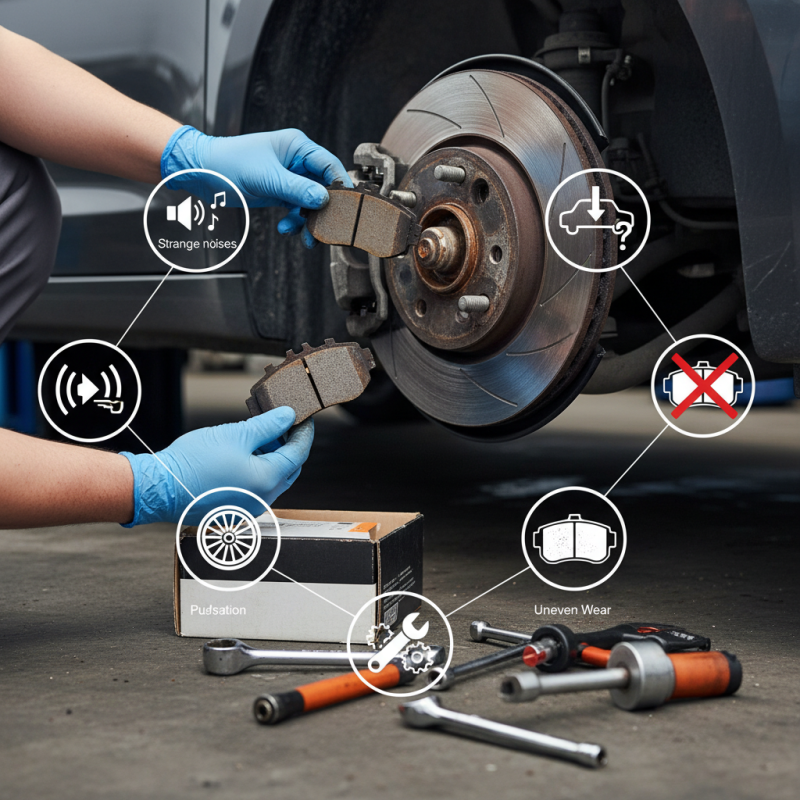
Worn brake pads can significantly impact vehicle safety. When pads wear down, they struggle to grip the rotors effectively. This can lead to longer stopping distances and decreased control during sudden stops. Driving with worn pads is a risk that no driver should take.
You may notice strange noises when braking. Squeaking or grinding sounds often indicate that the pads have reached their limit. Vibrations in the brake pedal can also suggest wear. If you feel this while stopping, it’s a sign to check your brake system. Ignoring these signs may lead to further damage, increasing repair costs down the line.
Visually inspecting your brake pads can reveal much. If they look thin or uneven, they may need replacement. Dust buildup on rims might also indicate issues with the brake components. Regular checks can prevent unsafe situations. Don’t overlook these signals; they are essential for safe driving.
Inspecting your brake pads regularly is crucial for vehicle safety.
Visual indicators can reveal a lot about their condition. Start by looking at the thickness of the pads.
The NHTSA suggests that brake pads should be at least 1/4 inch thick.
If they're thinner than that, it’s time for a replacement.
Another detail to check is the surface. Look for cracks, glazing, or uneven wear.
These signs can signal severe problems. A recent study showed that 38% of drivers ignore these critical signs until it’s too late.
Additionally, listen for unusual noises. A grinding sound often means the pads are worn down to the metal.
Ignoring this can lead to rotor damage, which could cost significantly more than a simple pad replacement.
Dust can also gather on your wheels. Excessive brake dust can indicate that your pads are wearing quickly.
It’s essential to inspect for any signs of wear periodically.
If the outside of your pads appears worn while the inside is still thick, this could suggest improper installation
or alignment issues. Taking the time to inspect your brake pads can save money and enhance your safety on the road.
Don’t overlook these signs—they might prevent an accident.
Hearing a squeaking sound when you press the brake pedal? This is a common sign of worn brake pads. The noise often indicates that the friction material is wearing thin. When this happens, the metal backing of the pad can start rubbing against the rotor. It's not just a nuisance; it can lead to more serious damage if ignored.
A consistent squeal can also signify that your brake pads have built-in indicators. These indicators make noise when the pads are nearly worn out. If you're hearing this sound frequently, it’s time for an inspection. Don’t let small issues turn into costly repairs. Missing the warning signs can lead to expensive rotor replacements.
If the squeaking is accompanied by a grinding noise, the situation is more critical. A grinding sound suggests that the pads are completely worn out. At this stage, you are risking significant damage to your brake system. Regular checks are crucial for vehicle safety. Ignoring brake maintenance is a risk you shouldn’t take. Trust your instincts; if the brakes sound off, act quickly.
This chart illustrates the common signs indicating that brake pads need replacement. Squeaking sounds are the most frequent indication, followed by reduced response and vibration issues. Being aware of these signs can ensure your safety on the road by prompting timely brake maintenance.
When it comes to your vehicle, recognizing signs of reduced stopping power is crucial. One clear indication is a squeaking or grinding noise when brakes engage. This sound often suggests that the brake pads are worn down, compromising their effectiveness. If you notice this during regular driving, it’s time to pay attention. An immediate inspection might save you from a costly repair later.
Another important sign is a longer stopping distance. If you find that your car takes noticeably longer to come to a halt, your brake pads could be the culprit. The feeling of the brake pedal sinking too low is an alarming sign as well. This situation can arise from worn pads or air trapped in the brake lines. Testing your brakes regularly allows you to gauge their performance, ensuring you react promptly to any changes.
Keep an eye on your brake fluid level. A dip in fluid can indicate wear in the brake pads and an urgent need for replacement. Lastly, vibration in the steering wheel while braking indicates uneven brake pad wear or rotor issues. Addressing these signs can prevent dangerous situations on the road. Stay proactive and vigilant for your safety and that of others.
Vibrations and pulsations when applying brakes can signal serious issues with your brake pads. When the vehicle shakes, it could mean the brake pads are unevenly worn. This can happen over time due to inadequate maintenance or sudden aggressive braking. It's essential to pay attention to these sensations immediately. Delaying action could lead to further damage.
Ignoring vibrations isn't wise. If you feel a pulsating sensation, it’s not just an annoyance; it can indicate a warped rotor. Warped rotors result from excessive heat or wear. When the pads contact the rotor, the vibrations worsen. This issue can compromise your vehicle’s stopping power significantly.
Regular brake checks can help avoid these problems. Trust your instincts if you notice changes in your driving experience. Don't wait for symptoms to worsen. Seeking a professional opinion is always a good choice. Brake pads should be part of your maintenance routine to ensure reliable vehicle performance.
: Inspect your brake pads regularly, ideally every month or before long trips.
Brake pads should be at least 1/4 inch thick. Replace if thinner.
Look for cracks, glazing, or uneven wear on the surface of the pads.
Excessive brake dust can indicate that your pads are wearing quickly and need inspection.
A squeaking sound often suggests that the brake pads are worn and need inspection.
Vibrations can indicate unevenly worn pads or warped rotors; seek immediate inspection.
Ignoring brake sounds can lead to expensive repairs, including rotor replacements.
Do not ignore pulsations; they may indicate issues with the brake pads or rotors.
Regular checks enhance safety and prevent costly repairs down the line.
Yes, worn outsides and thick insides suggest installation or alignment issues.
When it comes to vehicle safety, knowing how to tell if brake pads are worn out is crucial. Signs of worn brake pads include visual indicators such as grooves or thinning pads, which can be assessed during routine inspections. Additionally, if you hear a squeaking sound when braking, it's a strong indication that the pads may need replacing. Performance changes, such as a reduction in stopping power, and vibrations or pulsations when braking are also important signs that warrant immediate attention.
Being aware of these signs can help ensure your vehicle remains safe and reliable. Regular checks and maintenance can prevent potential brake failures and enhance your overall driving experience. It's essential to address any unusual sounds or changes in braking performance promptly to avoid more serious issues down the line.

Zizel Auto