Why Do Brakes Feel Spongy in Cold Weather Solutions?

Time:2026-07-10 Author:Charlotte
0%

When the temperature drops, many drivers notice a change in their braking performance. The question arises: "Why do brakes feel spongy in cold weather?" A survey conducted by the National Highway Traffic Safety Administration (NHTSA) indicates that over 30% of drivers experience issues with their brakes when the mercury falls. The spongy feeling often stems from moisture in the brake lines freezing or causing air bubbles in the brake fluid.

Moreover, according to a report by the Automotive Research Institute, brake effectiveness can decrease significantly in temperatures below 32°F (0°C). This issue is crucial because brakes are vital for safe driving. Drivers should be aware of how cold weather can affect their vehicle’s braking system. It's essential to maintain proper brake fluid levels and ensure that the system is moisture-free. Understanding the mechanics is key to addressing problems rather than simply accepting them.

Adequate research shows that many drivers neglect regular brake inspections, particularly in winter. This oversight can cause serious safety concerns. Being informed allows for proactive measures. The next time you find yourself asking, "Why do brakes feel spongy in cold weather?" it's worth considering both maintenance and readiness to adapt to changing conditions.
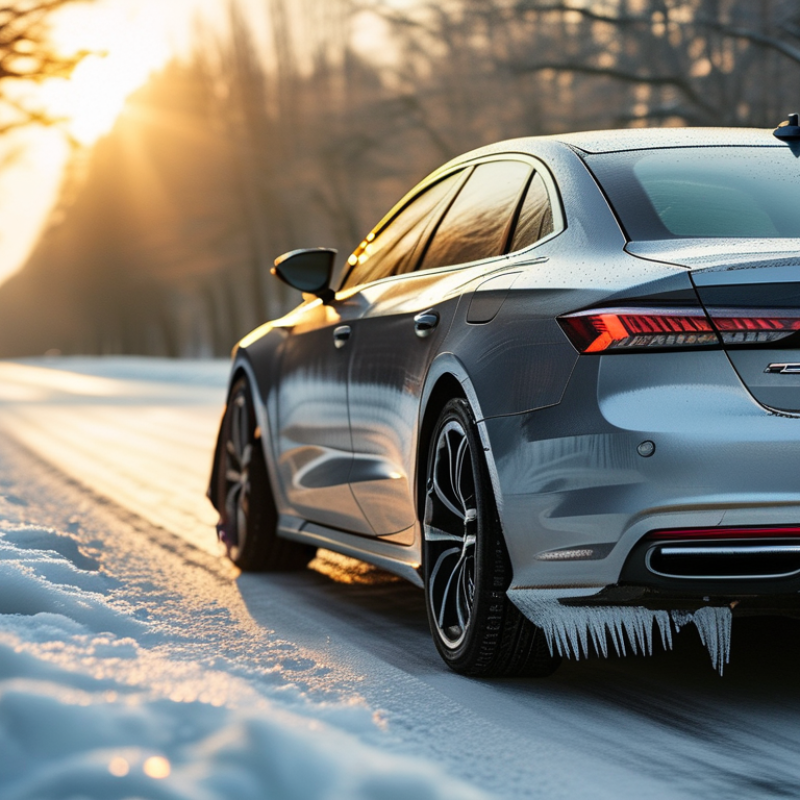
Why Do Brakes Feel Spongy in Cold Weather Solutions?

Understanding the Mechanism of Spongy Brakes in Cold Weather

Cold weather can significantly affect brake performance. When temperatures drop, the viscosity of brake fluid increases. This can lead to a spongy brake pedal feel. According to a report by the Society of Automotive Engineers, low temperatures can reduce the effectiveness of braking systems by up to 30%. This reduction can compromise safety and control during driving.

Moisture can also worsen brake responsiveness in cold weather. If moisture infiltrates the brake fluid, it can create gas bubbles. These bubbles cause a spongy feel when pressing the pedal. The National Highway Traffic Safety Administration (NHTSA) indicates that contamination in brake fluids could greatly influence the system’s performance. Maintaining the brake fluid's integrity is crucial.

Drivers should consider regular inspections, especially in colder months. An experienced technician can check fluid levels and system components. Ignoring brake issues can lead to more severe problems. A spongy brake feel should not be overlooked. Timely maintenance can help ensure that brakes respond properly in challenging conditions.

Common Causes of Spongy Brake Feel During Low Temperatures

As temperatures drop, many drivers notice a spongy brake feel. This sensation can be disconcerting and warrants attention. One common cause is moisture accumulation in the brake fluid. Cold weather can lead to condensation, which affects the fluid's performance. Contaminated fluid may not provide consistent braking power, causing that soft feel when pressing the pedal.

Another reason for spongy brakes relates to the brake lines. Cold temperatures can cause the rubber hoses to become less flexible. If the hoses aren’t in good condition, they may expand under pressure. This can lead to a delayed brake response, contributing to a spongy feeling. Additionally, air bubbles trapped in the brake lines during colder months can further affect brake performance.

Drivers should not overlook regular maintenance to prevent such issues. Check your brake system regularly. Pay attention to the condition of brake pads and fluid. Contaminated or old fluid can lead to major issues, especially in cold weather.

If your brake feel changes, it’s essential to address it quickly. Ignoring these signals may lead to unsafe driving conditions. Hence, understanding these potential causes is vital for safe winter driving.

Impact of Brake Fluid Viscosity on Brake Performance in Cold Conditions

Cold weather can significantly affect brake performance. One of the main reasons brakes feel spongy in low temperatures is the viscosity of the brake fluid. As temperatures drop, brake fluid can become thicker. This increased viscosity reduces its ability to transfer force effectively. Drivers may notice a delayed response when pressing the brake pedal.

Low temperatures can also lead to moisture accumulation in the brake fluid. This moisture lowers the boiling point and compromises braking efficiency. Checking the condensation level is important. Neglected fluid can lead to brake failure in emergencies, as spongy brakes can inhibit safety. Regular maintenance of brake fluid is crucial, especially in colder climates.

It's important to evaluate which brake fluid is used. Different types have varying viscosity ratings. Using fluid designed for extreme temperatures can improve performance. Every driver should acknowledge the risks presented by spongy brakes. Being proactive can prevent dangerous situations on icy roads. Ensuring that brakes respond reliably remains a responsibility for all vehicle owners.

Recommended Solutions for Improving Brake Responsiveness in Cold Weather

Cold weather can have a significant impact on brake performance, often resulting in a spongy feel. This sensation arises from various factors, including moisture accumulation and the shrinking of brake fluids in low temperatures. According to the Society of Automotive Engineers (SAE), brake responsiveness can decrease by up to 30% in extremely cold conditions. Understanding this issue is key to ensuring vehicle safety.

To enhance brake responsiveness, regular maintenance is essential. Checking brake fluid levels and replacing old fluid can help prevent sponginess. Industry studies suggest that using brake fluids with a higher boiling point can be particularly effective in cold climates. Furthermore, maintaining the correct moisture content in brake components slows down freezing, which improves overall performance.

Tips for improving brake functionality in cold weather include:

  • Warming up your vehicle. Allow your brakes to reach optimal temperature before driving.
  • Regular inspections of brake pads and rotors can identify wear that may worsen in the cold.
  • Lastly, consider switching to winter-rated brake pads. They are formulated to perform better in lower temperatures, ensuring your brakes remain responsive when it matters most.

Preventive Maintenance Tips to Avoid Spongy Brakes in Winter Seasons

Cold weather can significantly affect your vehicle's braking system. As temperatures drop, brake fluids may thicken, causing a spongy feel when applied. According to a study by the Society of Automotive Engineers, around 40% of drivers notice changes in brake performance during winter months. This can lead to delayed stopping distances, raising safety concerns.

To prevent spongy brakes, regular maintenance is crucial. It is recommended to check the brake fluid level and quality before the onset of winter. Moisture contamination in brake fluid can freeze and weaken performance. Keeping brake components clean from road salt and debris is essential as well. A survey from AAA showed that 22% of drivers neglect brake system checks, risking their safety and others'.

Don't overlook the importance of tire maintenance either. Winter tires can provide improved traction, which complements brake effectiveness. Proper inflation and tread depth are vital factors in overall braking performance. Invest time in proactive measures, and remain vigilant about any changes in your vehicle's braking feel. Ignoring these aspects could lead to unexpected failures and accidents.

FAQS

: How does cold weather affect brake performance?

: Cold weather thickens brake fluid, making brakes feel spongy. This can delay response time when braking.

Why does brake fluid viscosity change in low temperatures?

As temperatures drop, brake fluid's viscosity increases. This thickening reduces its ability to transfer force effectively.

What risks are associated with spongy brakes in winter?

Spongy brakes can lead to longer stopping distances. This raises safety concerns, especially on icy roads.

How can moisture affect brake fluid?

Moisture accumulation in brake fluid lowers the boiling point. This compromises overall braking efficiency when needed.

What routine checks should drivers perform before winter?

Check the brake fluid level and quality regularly. Ensure it is free from moisture and contaminants.

How can drivers maintain their brake systems in winter?

Keep brake components clean from road salt and debris. Regular maintenance prevents issues due to environmental factors.

Why is tire maintenance important in winter?

Winter tires provide better traction. Proper inflation and tread depth enhance braking effectiveness and overall safety.

How often should drivers check their brakes?

Regular checks are essential, especially before winter. Neglecting this can increase accident risks and unexpected failures.

What should drivers do if they notice changes in brake feel?

Be proactive and investigate any changes. Ignoring alterations could lead to dangerous situations on the road.

What is the main responsibility of vehicle owners regarding brakes?

Ensuring brakes respond reliably is crucial. Regular maintenance and awareness can prevent both personal and public safety hazards.

Conclusion

In colder weather, many drivers experience the unsettling sensation of spongy brakes, leading to the question, "Why do brakes feel spongy in cold weather?" This phenomenon can arise from various factors, including changes in brake fluid viscosity due to low temperatures, which can hinder effective braking performance. As the temperature drops, brake fluid may thicken, reducing its ability to transmit force effectively. Additionally, moisture accumulation in brake systems can lead to air bubbles that further contribute to a spongy feel.

To counteract these issues, drivers can implement several recommended solutions to enhance brake responsiveness in cold weather. Regularly checking and replacing brake fluid, ensuring proper bleeding of brake lines, and maintaining adequate tire pressure are essential preventive maintenance tips that can help avoid the spongy brake sensation during winter seasons. By understanding the underlying mechanisms and common causes, drivers can ensure safer and more reliable braking performance in cold conditions.

Charlotte

Charlotte

Charlotte is a seasoned marketing professional with a deep understanding of the company's portfolio and a passion for elevating its presence in the market. With a keen eye for detail and a commitment to excellence, she ensures that our professional blog is regularly updated with insightful articles......