Symptoms of a Bad Brake Master Cylinder You Should Not Ignore?

Time:2026-05-28 Author:Liam
0%

The brake system is vital for vehicle safety, and the brake master cylinder plays a crucial role. When it malfunctions, symptoms can be alarming. Many drivers wonder, "What are the symptoms of a bad brake master cylinder?" Recognizing these signs early can prevent serious accidents.

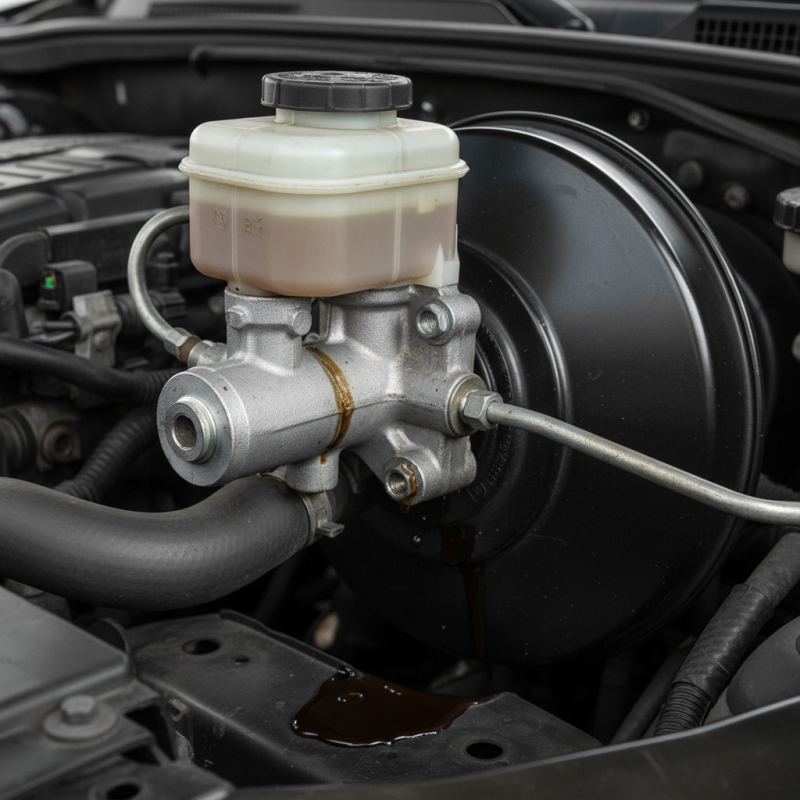
You may notice a soft brake pedal. This happens if the master cylinder fails to build enough pressure. You might also see fluid leaks around the cylinder. These leaks indicate a loss of hydraulic power. Ignoring these issues can lead to brake failure, putting lives at risk.

Additionally, your vehicle could pull to one side when braking. This uneven braking results from an internal failure in the master cylinder. Understanding these symptoms is essential for every driver. Addressing problems with the brake master cylinder promptly is crucial for safety. Always consult a professional if you observe any warning signs.
Symptoms of a Bad Brake Master Cylinder You Should Not Ignore?

Symptoms of a Failing Brake Master Cylinder

When dealing with vehicle safety, the brake master cylinder plays a crucial role. Symptoms of a failing brake master cylinder can manifest in various ways, often overlooked. Pay attention if your brake pedal feels soft or spongy. This could indicate a loss of hydraulic pressure. It’s vital to check for fluid leaks around the master cylinder. Even small leaks can lead to big problems.

Another clear sign is the brake warning light. If this light comes on, do not ignore it. Always investigate further. You might also notice your brakes do not respond as quickly as they should. This delay could stem from a malfunctioning master cylinder. Driving with such symptoms is risky and should be taken seriously.

Lastly, if you find yourself adding brake fluid frequently without clear reasons, that’s another red flag. Such frequent top-ups can signal a problem with the master cylinder itself. A reliable vehicle deserves your attention. Addressing these symptoms early on prevents further issues and ensures safety on the road.

Understanding the Function of the Brake Master Cylinder

The brake master cylinder plays a crucial role in vehicle safety. It is responsible for converting the driver's input on the brake pedal into hydraulic force. This force activates the brake calipers, allowing the vehicle to slow down or stop. According to industry reports, nearly 20% of braking issues can be traced back to master cylinder malfunctions. Signs of a failing master cylinder include a spongy pedal and brake fluid leaks.

Regular maintenance is essential to ensure the brake master cylinder functions effectively. Many vehicle owners may ignore small leaks or odd pedal feel, thinking they are insignificant. However, even minor issues can escalate rapidly, leading to potential brake failure. A study indicated that approximately 30% of all vehicles on the road have some level of brake system wear, emphasizing the importance of vigilance regarding brake components.

Understanding the symptoms of a bad brake master cylinder is vital. If the brake pedal sinks slowly to the floor, the master cylinder may be at fault. Seeking professional inspection at the first signs of trouble can prevent costly repairs and – more importantly – accidents. Prompt attention to brake system health can enhance driver safety and vehicle reliability.

Symptoms of a Bad Brake Master Cylinder You Should Not Ignore

Symptom Description Potential Cause Recommended Action
Soft Brake Pedal Brake pedal feels soft or spongy when pressed. Air in brake lines or fluid leak. Check for leaks and bleed the brake system.
Brake Warning Light Warning light illuminated on the dashboard. Low brake fluid level or master cylinder failure. Inspect brake fluid level and system integrity.
Unresponsive Brakes Brakes do not engage when the pedal is pressed. Failed master cylinder or severe fluid leak. Seek immediate professional assistance.
Brake Fluid Contamination Brake fluid appears dark or cloudy. Moisture contamination or failure of seals. Replace brake fluid and inspect system.
Pulsating Brake Pedal Pedal vibrates when pressed. Warped brake rotors or malfunctioning ABS. Inspect the braking system and replace parts as needed.

Common Signs of Brake Fluid Leaks

Brake fluid leaks can be a serious issue. They often signal a failing brake master cylinder. If you notice wet spots under your vehicle, pay attention. This could indicate a brake fluid leak. The fluid is typically clear or light brown and has a slick texture. Checking under your car can reveal crucial information about its braking system.

Another sign of a leak is a soft or spongy brake pedal. If your brakes feel less responsive, it may be due to low fluid levels. This decline often results from a leak in the brake lines or master cylinder. Regular inspection of your brake fluid reservoir is advisable. If the fluid appears low, there might be an underlying problem.

Keep an eye out for a burning smell. This odor can emerge when the brakes overheat due to insufficient hydraulic pressure. It can result from a significant leak. Additionally, check your brake warning light. If it illuminates, it’s time to investigate further. Ignoring these signs can lead to severe safety risks. Always prioritize a functioning braking system for your safety.

Symptoms of a Bad Brake Master Cylinder

This chart illustrates the severity levels of various symptoms indicating a bad brake master cylinder. A higher score represents a more serious concern for vehicle safety. Pay attention to these signs and consult a professional if you notice any of them.

Indicators of Inefficient Brake Response

When facing an inefficient brake response, you may experience a few alarming symptoms. One common indicator is a soft or spongy brake pedal. This could signal air or moisture in the brake lines, compromising your braking power. According to the Automotive Research Institute, a significant number of accidents arise from brake system failure. Smooth and responsive brakes are essential for road safety.

Another critical symptom is a delay in brake engagement. If you notice that pressing the pedal doesn't immediately slow your vehicle, consider this a warning signal. A study published in the Journal of Traffic Safety highlights that a mere fraction of a second in response time can make a difference. This inefficiency may stem from a bad master cylinder, affecting brake fluid pressure.

Tip: Regular inspections of your brake fluid levels can help. Low fluid could indicate a leak, demanding immediate attention. Check for leaks regularly to ensure vehicle safety.

In some cases, strange noises when braking might arise. Grinding, squeaking, or hissing can suggest worn-out components. Don't ignore these sounds; they are your vehicle's way of communicating that something is amiss. Timely interventions can prevent more severe and costly repairs down the line.

Tip: Keep a close watch on brake performance. Any noticeable change can be the first sign of serious trouble.

Unusual Noises Related to Brake System Malfunctions

Unusual noises can indicate serious issues with your vehicle’s brake system. If you hear grinding, squeaking, or popping sounds when you brake, it may be a sign of a failing brake master cylinder. According to industry studies, nearly 30% of brake system failures are linked to issues within this component. That is a significant number and should raise concerns for any driver.

Grinding noises can indicate that the brake pads are worn, signaling that the master cylinder might not be distributing fluid pressure effectively. Squeaking may arise from air in the brake lines, leading to inadequate braking power. This phenomenon can be exacerbated by moisture and corrosion, impacting the master cylinder’s reliability. Research indicates that over 25% of drivers overlook these sounds, potentially jeopardizing their safety on the road.

Popping sounds may indicate internal leakage or damage within the master cylinder itself. These problems often result from age or severe use. If neglected, they can lead to catastrophic brake failure. Regular inspections and prompt attention to these noises can prolong the life of your braking system. Many experts emphasize the importance of addressing unusual brake system sounds immediately to maintain optimal vehicle performance.

FAQS

: What is the brake master cylinder's function?

: It converts the driver's brake pedal input into hydraulic force for braking.

How can I tell if my brake master cylinder is failing?

Signs include a spongy pedal or brake fluid leaks.

Why is regular maintenance of the brake master cylinder important?

It prevents small issues from escalating and risking brake failure.

What does a soft brake pedal indicate?

It might mean there's air or moisture in the brake lines.

How can I identify brake engagement delays?

If pressing the pedal doesn't slow the vehicle quickly, it's a warning sign.

Are unusual noises when braking significant?

Yes, grinding or squeaking could indicate worn components or a failing master cylinder.

What should I do if I hear strange noises while braking?

Don't ignore them; seek professional inspection to avoid costly repairs.

How often should I check my brake fluid levels?

Regular checks are crucial; low fluid can indicate leaks that require immediate attention.

Can neglecting minor brake issues lead to bigger problems?

Yes, many drivers overlook small signs which can lead to serious brake failure.

What percentage of drivers ignore unusual brake sounds?

Over 25% of drivers overlook these noises, risking their safety.

Conclusion

The brake master cylinder is a crucial component in vehicle braking systems, and recognizing the symptoms of a malfunction is vital for safety. What are the symptoms of a bad brake master cylinder? Common signs include a spongy or soft brake pedal, which may indicate air in the brake lines or fluid leaks. Additionally, if the brake pedal sinks to the floor without resistance, this could signify a serious issue with the master cylinder's internal seals.

It is also essential to be aware of brake fluid leaks, observable as puddles under the vehicle or a gradual decrease in brake fluid levels. Inefficient brake response, where the vehicle takes longer to stop or feels unresponsive, can further indicate problems with the master cylinder. Lastly, unusual noises, such as grinding or hissing sounds during braking, may suggest underlying malfunctions. Paying attention to these symptoms can help prevent serious brake failure and ensure safe driving conditions.

Liam

Liam

Liam is a dedicated marketing professional with a profound expertise in the industry, where he excels at highlighting the unique advantages of our core products. With a keen understanding of market trends and consumer needs, Liam frequently updates our company’s professional blog, providing......