Understanding what causes uneven brake pad wear can greatly enhance vehicle safety. Renowned automotive expert Dr. Emily Carter emphasizes, "Uneven wear can lead to brake failure, risking lives." This insight illustrates how crucial it is to identify the root causes of this issue.
Several factors contribute to uneven brake pad wear. From misaligned wheels to faulty calipers, these problems can escalate if neglected. A common oversight is ignoring the vehicle's alignment, which directly affects brake function. Drivers often overlook how driving habits like abrupt stopping also play a role in this uneven wear.
Addressing what causes uneven brake pad wear is not merely about maintenance. It’s about ensuring a safe driving experience. Regular inspections and mindful driving can mitigate risks. Reflecting on personal driving habits may unveil unaddressed issues. Ultimately, understanding these factors leads to more informed decisions on vehicle care.
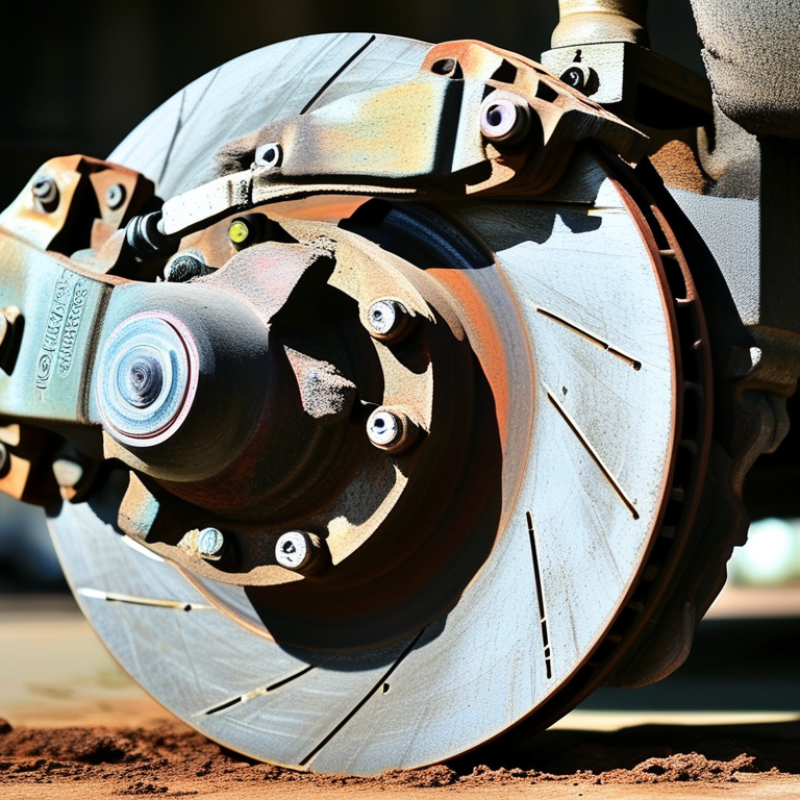
Brake pad wear is a key indicator of vehicle health. Understanding this process can prevent costly repairs. Uneven wear can stem from various factors, highlighting the importance of regular inspections. Drivers often overlook small signs, leading to bigger issues.
Many people are unaware that driving habits significantly influence brake pad longevity. Rapid acceleration and heavy braking create extra friction. This can wear down pads much faster on one side. Road conditions also play a role. Bumpy or uneven roads can cause misalignment, impacting pad effectiveness.
Another crucial aspect is the vehicle's suspension system. Worn suspension components can lead to improper brake function. This may cause uneven pressure on the brake pads. It’s essential for drivers to be proactive.
Regular maintenance checks can help catch these issues early, ensuring safety and efficiency. Ignoring these signs can lead to dangerous driving conditions and more costly repairs down the line.
Uneven brake pad wear can be frustrating for vehicle owners. Several factors influence how brake pads wear over time, impacting performance and safety. Understanding these factors is crucial for maintaining your vehicle.
One significant factor is driving habits. Aggressive braking or frequent stops can lead to faster wear on some pads. Heavy loads and steep terrains also put more stress on brakes, leading to uneven wear. It's essential to reflect on your driving style. Are you often in a rush? This pattern may cause more wear on the braking system.
Additionally, brake system components play a role. If calipers are stuck or not functioning correctly, pads may wear unevenly. Regular maintenance checks can help identify these issues early. Wheel alignment is another aspect to consider. Misalignment can cause uneven pressure on brake pads. Monitoring these elements ensures a safer driving experience and prolongs brake life.
Uneven brake pad wear is a common issue that can impact vehicle safety. Understanding its causes is essential for proper maintenance. Factors such as brake caliper issues and poor installation can lead to uneven wear patterns. If the caliper does not retract correctly, it keeps the brake pad in contact with the rotor longer than necessary, leading to premature wear.
To prevent such issues, it's important to regularly inspect brakes. Check for signs of sticking calipers or uneven wear on the pads themselves. Additionally, ensure that the brake components are properly lubricated during installation. Neglecting these steps can result in uneven wear over time.
Driving habits also play a role. Aggressive braking and frequent stops contribute to uneven wear. Therefore, adopting smoother driving habits can extend the life of brake pads. Monitor their performance, especially after long drives. Regular maintenance and paying attention to your brake system can make all the difference.
When evaluating brake pad condition, several diagnostic techniques can provide insight into uneven wear. Visual inspection is a primary method. Technicians should look for cracks, glazing, or significant wear patterns. Unevenly worn pads may indicate issues with alignment or suspension. Measuring pad thickness is crucial. If one side is significantly thinner, it can signal problems that need addressing.
Another effective technique involves checking brake caliper function. A sticking caliper can lead to excessive friction on one side, resulting in uneven wear. A simple test includes applying and releasing the brake. Feel for any resistance or abnormal noise. Testing the brake fluid is also important. Contaminated fluid can affect braking performance and contribute to uneven wear. Additionally, monitoring tire pressure and alignment can provide context. Improper alignment may lead to uneven strain on the brake system.
Lastly, road conditions play a role. City driving often causes more wear compared to highway miles. Regular maintenance checks should include a thorough inspection of brake pads. Speak with professionals for deeper analysis. Proper diagnostic techniques are essential for ensuring safe and effective braking performance.
Uneven brake pad wear can lead to significant safety issues and costly repairs. To prevent this, understanding its causes is crucial. One key aspect is regular inspection. Make it a habit to check your brake pads at least every six months. Look for signs of uneven wear, like one pad being thinner than the other. This simple step can catch problems early.
Another important factor is ensuring proper alignment. Misalignment can cause uneven pressure on the pads, leading to quick wear. Consider having your vehicle’s alignment checked if you notice steering issues. Tire pressure also plays a role. Underinflated tires can increase drag, putting extra strain on the brakes. Maintaining the right tire pressure helps prolong brake pad life.
Driving habits matter too. Aggressive driving can wear out brakes faster. Smooth acceleration and gentle braking are beneficial. Avoiding harsh conditions when possible can also help. And don’t forget about brake fluid quality. Old or contaminated fluid affects performance. Regular fluid checks are essential for effective braking. Embracing these preventative measures can extend the life of your brake pads while ensuring safety on the road.
| Tip Number | Causes of Uneven Wear | Preventative Measures |
|---|---|---|
| 1 | Brake Caliper Issues | Regular inspection and lubrication of calipers |
| 2 | Misalignment of Wheels | Perform wheel alignment checks periodically |
| 3 | Driving Habits | Drive smoothly, avoiding harsh braking |
| 4 | Brake Pad Quality | Use high-quality brake pads |
| 5 | Brake Fluid Quality | Regularly change brake fluid as per manufacturer recommendations |
| 6 | Performance Parts Compatibility | Ensure parts are compatible with vehicle specifications |
| 7 | Rotors Condition | Inspect and replace worn rotors |
| 8 | Environmental Factors | Park in a covered area to protect from elements |
| 9 | Brake System Monitoring | Use sensors or alerts for maintenance reminders |
| 10 | Regular Maintenance | Schedule regular brake system checkups |
: Brake pad wear can be caused by driving habits, road conditions, and vehicle alignment issues.
It's recommended to inspect brake pads at least every six months for any signs of wear.
Look for one pad being thinner than the other or any unusual noises when braking.
Yes, aggressive driving creates extra friction and accelerates wear on brake pads.
Misalignment can lead to uneven pressure and quicker wear on brake pads.
Underinflated tires can increase drag, causing additional strain on the brakes and faster wear.
Yes, old or contaminated brake fluid can affect brake performance and longevity.
Regular inspections and smoother driving habits can help maintain effective brake performance.
Neglecting brake wear signs can lead to dangerous driving conditions and costly repairs.
Yes, worn suspension components can cause improper brake function and uneven pad wear.
Understanding what causes uneven brake pad wear is crucial for maintaining optimal braking performance in vehicles. Key factors influencing brake pad wear patterns include vehicle alignment, driving habits, and the quality of brake components. Common causes of uneven brake pad wear can stem from issues like misaligned wheels, insufficient brake fluid, or even the type of driving environment, such as heavy traffic or mountainous terrain.
To accurately assess brake pad condition, various diagnostic techniques can be employed, such as visual inspections and monitoring braking efficiency. Implementing preventative measures, such as regular maintenance and timely replacements, can significantly extend the life of brake pads and ensure safer driving. By grasping these concepts, vehicle owners can take proactive steps to minimize uneven wear and enhance their overall driving experience.

Zizel Auto