Understanding "Why is my brake caliper leaking fluid" is vital for vehicle safety. Brake calipers play a crucial role in stopping your car efficiently. According to the National Highway Traffic Safety Administration, brake failure contributes to 22% of vehicle crashes. A leaking caliper can lead to reduced braking performance, posing serious risks to drivers and passengers.
Leaking brake calipers may result from various factors. Over time, wear and tear can deteriorate seals. The fluid loss can compromise the hydraulic pressure needed for effective braking. Furthermore, environmental factors like road salt can corrode the caliper hardware, leading to leaks. Data from the Automotive Service Association indicates that brake system issues are among the top reasons for vehicle maintenance.
Addressing the question of "Why is my brake caliper leaking fluid" is not just technical. It requires awareness and proactive maintenance. Many drivers overlook signs of brake problems, which can result in costly repairs or accidents. Regular inspections can help ensure your brake system remains reliable and safe.
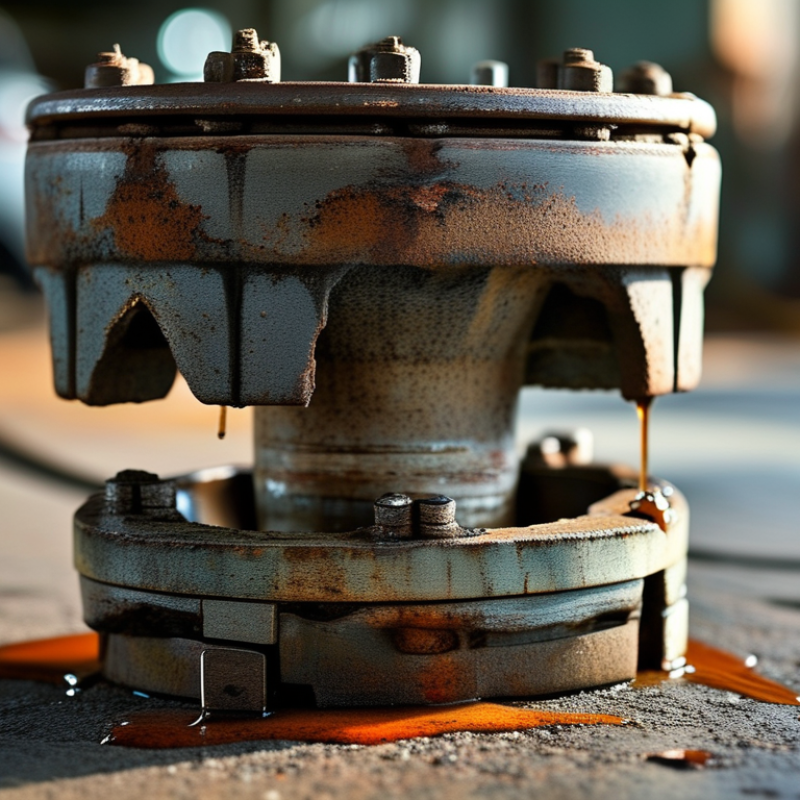
A brake caliper is a crucial component of your vehicle’s braking system. It serves to squeeze the brake pads against the rotors. This action creates friction, which slows down or stops your car. The caliper houses the pistons and uses hydraulic fluid to operate. When you press the brake pedal, the caliper engages, effectively controlling the vehicle's speed.
However, a leaking brake caliper can lead to severe braking issues. When fluid escapes, it can compromise your stopping power. Regular inspection of the caliper is important. Look for signs of corrosion or damage. If you notice fluid pooling under your vehicle, it's time for a checkup. Sometimes, a caliper may appear fine but still be malfunctioning. This can be a hard truth for many drivers. Understanding how it works and its importance could save lives. It’s crucial to stay informed about vehicle maintenance to ensure safety on the road.
| Reason | Description | Signs to Look For | Recommended Action |
|---|---|---|---|
| Worn Seals | Brake caliper seals degrade over time due to heat and exposure. | Visible fluid leaks around the caliper. | Replace seals or the caliper. |
| Damaged Caliper | Physical damage from accidents or corrosion can lead to leaks. | Hissing sounds or brake pedal feel soft. | Inspect and replace the caliper as necessary. |
| Brake Line Issues | Cracked or compromised brake lines can lead to fluid leaks. | Low brake fluid warning light, puddles under the vehicle. | Inspect and replace damaged brake lines. |
| Excessive Heat | Overheating can cause fluid to expand and leak out. | Burning smell, brake fade. | Check for proper caliper functioning and cooling. |
| Improper Installation | Incorrectly installed calipers can lead to leaks. | Fluid leaks and noticing caliper not aligned properly. | Reinstall calipers correctly. |
| Rust and Corrosion | Rust can damage seals and lead to leaks. | Visible rust on components. | Clean rust and replace affected parts. |
| Fluid Contamination | Contaminated brake fluid can damage caliper seals. | Discolored brake fluid, sinking brake pedal. | Flush brake system and replace fluid. |
| Brake Pad Wear | Worn brake pads can lead to uneven pressure on calipers. | Warning noise during braking, sliding feeling. | Replace brake pads immediately. |
| Aging Components | Older vehicles with worn parts may experience leaks. | Fluid accumulation near calipers and brakes. | Consider a complete brake system overhaul. |
: A brake caliper squeezes brake pads against rotors to create friction, slowing or stopping the vehicle.
Pooling fluid could indicate a brake caliper leak. Have your vehicle inspected immediately for safety.
Look for wet spots or puddles around the caliper. Check the brake fluid level in the master cylinder too.
Common causes include worn seals, corrosion, and improper installation of the caliper.
Regular inspections are important, ideally every few months or during routine vehicle maintenance.
Yes, corrosion can weaken components and lead to fluid leaks. It’s responsible for over 30% of caliper issues.
Listen for unusual sounds while braking. Uneven brake pad wear can also indicate caliper problems.
A drop in brake fluid could mean a leak. Investigate the cause and have the system checked by a professional.
Yes, around 15% of failures stem from improper installation, stressing seals and causing leaks.
Knowledge of brake maintenance can prevent serious safety risks and improve vehicle performance on the road.
A brake caliper is a vital component of a vehicle's braking system, responsible for applying pressure to the brake pads against the rotor to slow down or stop the vehicle. When experiencing issues like reduced braking performance, unusual noises, or a spongy brake pedal, one may wonder, "Why is my brake caliper leaking fluid?" It's essential to be aware of the common signs of a leaking brake caliper, such as brake fluid pooling under the vehicle or a warning light on the dashboard.
The article elaborates on the top causes of brake caliper fluid leaks, including damaged seals, corrosion, and loose fittings. To address these issues, a step-by-step guide for diagnosing a leaking brake caliper is provided. Furthermore, it offers preventive measures to help avoid future leaks, emphasizing the importance of regular inspections and maintenance to ensure the braking system remains in optimal condition. Understanding these factors can help vehicle owners tackle the problem effectively and maintain their vehicle's safety.

 Zizel Auto