Top 10 Ways to Fix a Sticking Brake Caliper at Home?

Time:2026-09-23 Author:Henry
0%

A sticking brake caliper can turn a short drive into a serious safety concern. The wheel may feel unusually hot, the vehicle may pull sideways, or a sharp burning smell may follow you home. These signs deserve attention, not guesswork.

This guide explains How to fix a sticking brake caliper at home through practical inspection and repair methods. James D. Halderman, an automotive educator and author, emphasizes, “The brake system is the most important safety system on a vehicle.” That principle should control every decision here. A quiet driveway repair is never more important than reliable braking.

You may begin with simple checks, such as comparing wheel temperatures, inspecting the brake hose, and checking pad movement. Then, the guide explores cleaning the caliper bracket, servicing slide pins, and identifying piston problems. Small details matter. A dry slide pin can leave one pad pressed against the rotor, creating blue heat marks and uneven wear.

Not every caliper should be repaired at home. Some require replacement. Others reveal deeper hydraulic damage. If the pedal feels soft, fluid leaks, or the rotor glows, stop immediately and seek qualified help. Do not take risks.

A careful home mechanic should use axle stands, eye protection, proper brake cleaner, and a torque wrench. Never rely on a jack alone. I also admit that visual inspection can miss hidden corrosion. That is why each method includes limits, warning signs, and moments when professional service becomes the wiser choice.
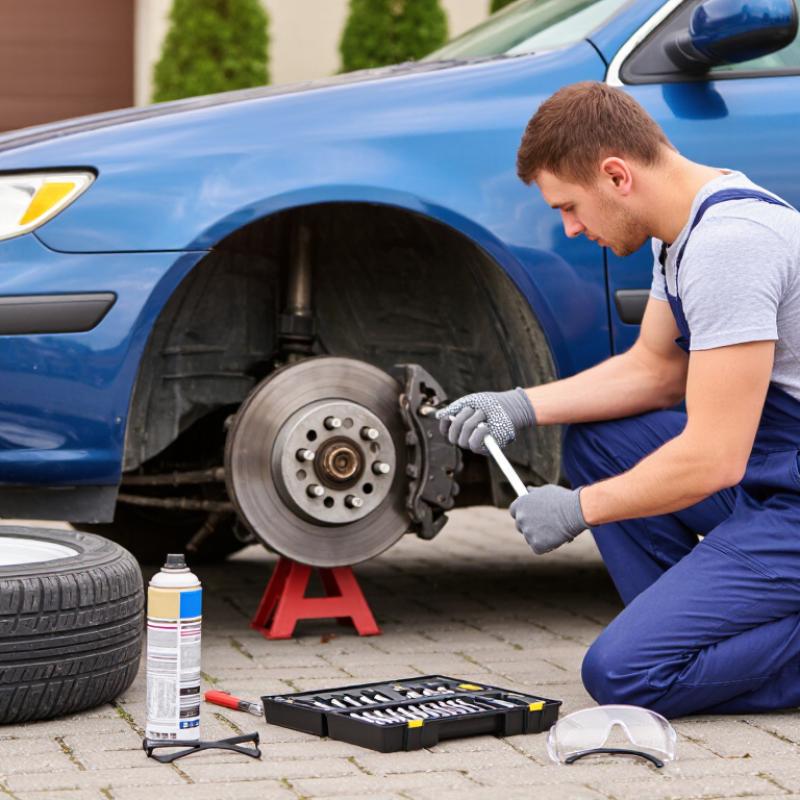
Top 10 Ways to Fix a Sticking Brake Caliper at Home?

Diagnose Caliper Drag: Compare Wheel Temperatures and Check Uneven Pad Wear

A sticking brake caliper can create drag, heat, and rapid pad wear. The wheel may feel unusually hot after a short drive. A burning smell or mild pulling also deserves attention. Do not touch the rotor directly. It can remain dangerously hot.

I usually compare wheel temperatures after driving gently for ten minutes without heavy braking. Park safely, then measure each wheel near the same rotor area with an infrared thermometer. One wheel that is 30–50°F hotter than its opposite side suggests drag, though sunlight and recent traffic can affect readings. My first check was imperfect because I measured one wheel in direct sunlight. Repeating the test in shade gave a clearer comparison.

Uneven pad wear provides another strong clue. A much thinner inner pad may indicate a sticking piston. A thinner outer pad can suggest restricted sliding hardware. Remove the wheel and inspect for tapered wear, cracked rubber boots, seized guide pins, or a damaged brake hose. Clean guide pins carefully and apply only brake-approved high-temperature lubricant. Never force a piston that resists movement. If the caliper leaks, the hose looks swollen, or the wheel stays hot after service, stop driving and seek qualified repair help. Small differences matter.

Clean and Lubricate Slide Pins with Brake-Safe, High-Temperature Grease

A sticking brake caliper often begins with a neglected slide pin. When the pin cannot move freely, one pad may press against the rotor continuously. The wheel can feel unusually hot after a short drive. Do not touch it immediately.

Work only on a cool vehicle parked on firm, level ground. Support it with properly rated jack stands, not a jack alone. Remove the wheel and inspect both slide pins for rust, torn rubber boots, or hardened grease. Photograph the assembly before removing anything. That small step can prevent an embarrassing mistake later.

Pull each pin gently and keep the pins matched to their original positions. Wipe away old grease with a clean, lint-free cloth and use a brake-safe cleaner sparingly. Never use petroleum products on rubber boots. Check the pin surface with your fingers; deep pitting usually means cleaning is not enough. I once reused a rough pin and the brake dragged again within days.

Apply a thin, even film of high-temperature grease specifically approved for brake slide pins. Too much grease can create hydraulic pressure beneath the boot and restrict movement. Refit the boots carefully, ensuring their lips seal around the pins. The caliper should slide smoothly with firm hand pressure, not bind or flop loosely. Reinstall the wheel using the vehicle’s specified torque. Press the brake pedal until it feels firm before moving the car. Test at low speed, then inspect for heat, noise, or uneven braking. If the caliper remains stuck, replace damaged hardware or seek qualified inspection.

Free a Sticking Piston Using the Correct Retracting Tool and Procedure

A sticking brake caliper can make one wheel hot, noisy, or slow to release. Before touching it, park on level ground and chock the wheels. Wear eye protection and use axle stands under approved support points. Never work beneath a vehicle held only by a jack. Check the brake hose, slider pins, pads, and piston boot for cracks. A blocked hose can mimic a seized caliper. That detail matters.

Choose the retracting tool according to the piston design. A push-in piston needs a clamp-style compressor. A screw-in piston needs a wind-back tool with the correct adapter. Do not twist a push-in piston. Do not force a screw-in piston straight inward. If the vehicle has an electronic parking brake, follow its service-mode procedure before retracting the piston. Remove excess fluid from the reservoir if it is near the maximum mark, and protect painted surfaces from spills.

Clean rust from the caliper bracket, then lubricate the slider pins with compatible brake grease. Keep grease away from pad friction surfaces. Fit the adapter squarely and apply slow, even pressure while watching the rubber boot. If the piston will not move, stop and inspect the hose, corrosion, and internal damage. I would not “win” by using a longer lever; that can bend the tool or damage the caliper. Replace defective parts, follow the specified torque values, and pump the pedal before a careful low-speed test. My first inspection can still miss a restricted hose, so a hot wheel after testing deserves another check.

Replace Damaged Seals, Flexible Hoses, or Calipers Beyond Manufacturer Limits

Top 10 Ways to Fix a Sticking Brake Caliper at Home?

A sticking caliper often leaves one wheel unusually hot after a short drive. Do not touch it immediately. Let the brake cool, then compare wheel temperatures carefully.

Check for uneven pad wear, a damaged dust boot, seized guide pins, or fluid leakage. Clean corrosion from exposed hardware. Apply only brake-approved lubricant to guide pins. Never lubricate friction surfaces.

A soft pedal needs further diagnosis, not a guess.

The critical repair is replacing parts beyond safe limits. Replace cracked piston seals when the piston returns slowly or leaks fluid. Replace a flexible hose if it is swollen, twisted, or internally restricted. The hose may look normal outside.

Replace the complete caliper when the piston bore is deeply corroded, damaged, or outside the manufacturer’s service dimensions. Federal Motor Vehicle Safety Standard 106 includes hydraulic hose performance requirements, while SAE J1401 covers hydraulic brake hose testing. These standards support replacement, not risky repair.

Use fresh fluid from the specified type, bleed the system, and check every connection for leaks. Tighten fasteners to the vehicle maker’s torque values.

A practical test includes a slow road check, repeated stops, and another temperature comparison. The DVSA MOT annual data reports brake defects among frequent inspection failures, showing why visual checks alone can miss problems.

My caution is simple: a clean-looking caliper can still fail internally. If the piston will not move smoothly, stop improvising. Get a qualified brake technician involved.

Bleed the System with FMVSS 116 DOT 4 Fluid Rated at 230°C Dry Boiling Point

A sticking brake caliper can trap pressure, create heat, and pull the vehicle toward one side. Bleeding the system may help when old fluid or trapped air affects caliper movement. Use fresh FMVSS 116 DOT 4 fluid with a dry boiling point rated at 230°C, if your vehicle’s manual permits DOT 4. The dry rating applies to unused fluid. Moisture lowers its boiling point over time.

Park on level ground and support the vehicle with approved stands. Never rely on a jack alone. Remove the bleeder cap, attach a clear hose, and place the other end in a sealed container. Keep the master-cylinder reservoir filled with new fluid. A helper can press the pedal slowly while you open and close the bleeder. Follow the manufacturer’s bleeding order. It may not match the wheel sequence you expect. Do not let the reservoir run dry.

Tips: Check the caliper slide pins, piston dust boot, brake hose, and pad edges before bleeding. A seized piston will not be repaired by fresh fluid. Watch for dark fluid, leaks, or a soft pedal. Stop immediately if the bleeder will not loosen. For safety, test the pedal firmly before moving, then perform a slow road check away from traffic. I have seen clean-looking fluid hide moisture problems, so appearance alone is not reliable. Dispose of used brake fluid through an approved local collection service.

FAQS

What are common signs of a sticking brake caliper?

One wheel may become unusually hot after a short drive. The vehicle may pull, drag, squeak, or brake unevenly. Do not touch the wheel immediately. Let it cool.

How should I prepare before inspecting the brake caliper?

Park on firm, level ground and chock the wheels. Use properly rated axle stands under approved support points. Never rely on a jack alone. Wear eye protection.

How can I clean and lubricate caliper slide pins?

Remove the wheel and photograph the assembly before disassembly. Keep each pin matched with its original position. Wipe away hardened grease with a clean, lint-free cloth. Use a brake-safe cleaner sparingly.

What should I check on the slide pins and rubber boots?

Look for rust, deep pitting, torn boots, or hardened lubricant. Never use petroleum products on rubber boots. Replace badly pitted pins instead of forcing them back into service. I once reused a rough pin. The brake dragged again within days.

How much brake grease should I apply?

Apply a thin, even film of brake-approved, high-temperature grease. Too much grease can create pressure beneath the boot. That pressure may restrict pin movement. Keep grease away from pad friction surfaces.

How do I retract a sticking brake piston safely?

Identify the piston design before applying force. Use a clamp-style tool for push-in pistons. Use a suitable wind-back tool for screw-in pistons. Do not twist a push-in piston. Do not push a screw-in piston straight inward.

What should I do if the piston will not retract?

Stop and inspect the brake hose, piston boot, corrosion, and internal damage. A restricted hose can imitate a seized caliper. Do not use a longer lever to win. That choice can bend the tool or damage the caliper.

When should I replace a hose, seal, or complete caliper?

Replace a seal when it is cracked or leaking. Replace a hose when it is swollen, twisted, or internally restricted. Replace the caliper if the bore is deeply corroded or damaged. A clean-looking caliper can still fail internally.

What checks are needed after brake caliper repairs?

Reinstall fasteners using the vehicle’s specified torque values. Bleed the system when required, then check every connection for leaks. Pump the brake pedal until it feels firm. Test at low speed and compare wheel temperatures afterward. If the wheel remains hot, seek qualified inspection.

Conclusion

Learning how to fix a sticking brake caliper at home begins with accurate diagnosis and careful safety checks. Compare the temperatures of both wheels after a short drive without touching hot components directly, and inspect the brake pads for uneven wear. A dragging caliper may be caused by dirty or seized slide pins, so remove, clean, and lubricate them with brake-safe, high-temperature grease. If the piston is sticking, use the correct retracting tool and follow the proper procedure without forcing it or damaging nearby parts.

If the piston seal, flexible brake hose, or caliper is damaged or outside the manufacturer’s service limits, replacement is the safer solution. After repairs, bleed the brake system using FMVSS 116 DOT 4 fluid with a dry boiling point rated at 230°C, while preventing air or contamination from entering. Test the brakes at low speed in a safe area and seek professional assistance if the caliper remains hot, the vehicle pulls, or pedal performance feels abnormal.

Henry

Henry

Henry is a dedicated marketing professional with a profound expertise in the company's offerings. With years of experience in the industry, he possesses an impressive understanding of the market dynamics and consumer behaviors that drive success. Henry is committed to sharing his insights through......