When it comes to maintaining your car's brake system, understanding how to use a brake piston rewind tool is essential. Renowned automotive expert, John Smith, emphasizes, “Proper use of a brake piston rewind tool can save you time and ensure safety.” This statement highlights both the efficiency and importance of using the right tool in brake repairs.
Brake piston rewind tools are designed to retract the brake pistons, making it easier to replace pads. However, many DIY car enthusiasts may feel intimidated by the tool’s complexity. The good news is that mastering its use can enhance your confidence and improve your repair skills. Taking the time to learn proper techniques not only ensures safety but helps avoid costly mistakes in the future.
Remember, even experienced mechanics occasionally make errors. It’s a reminder that practice is key. Familiarize yourself with the tool's instructions. Don’t rush the process. Each vehicle model may have nuances that deserve attention. Engaging in practice and reflecting on your methods will aid in perfecting your technique on how to use a brake piston rewind tool.
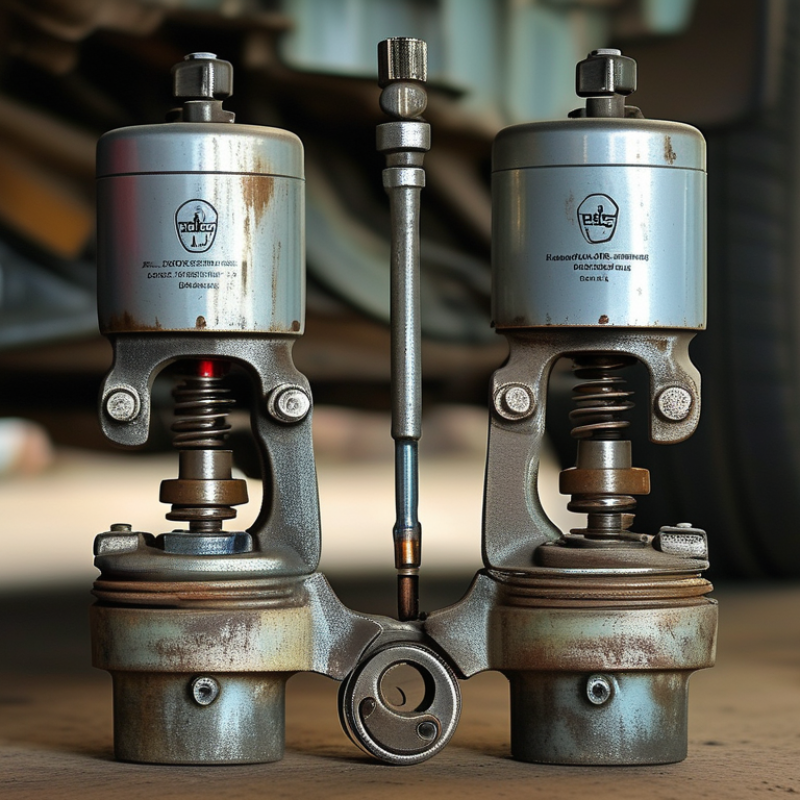
Brake piston rewind tools are essential for maintaining vehicle brake systems. Cars with disc brakes often require this tool when replacing brake pads. It helps push the piston back into the brake caliper, making room for the new pads. Understanding how these tools function can save time and ensure proper installation.
Data from the National Highway Traffic Safety Administration highlights that improper brake maintenance can lead to 19,000 injuries annually. This emphasizes the importance of understanding brake piston rewind tools. They come in various designs, each tailored for specific vehicles. Using the wrong tool may damage the caliper or piston. Observing user manuals and specific guidelines can prevent costly mistakes.
Practicing with the tools can enhance one's skill level. Even seasoned mechanics occasionally face challenges in using these tools. It’s common to encounter situations where the piston doesn't retract smoothly. These moments remind us that precision and patience are crucial. Investigating common pitfalls can provide better insights into effective usage. Aligning the tool correctly is just as significant as applying the right amount of pressure. Understanding each step in the process can lead to more reliable brake maintenance.
Preparing your vehicle for using a brake piston rewind tool involves several key steps. First, ensure your car is parked on a flat surface. This enhances safety while you work on the brakes. Engaging the parking brake is critical. According to the National Highway Traffic Safety Administration, improper brake maintenance can lead to serious accidents.
Next, gather the necessary tools, including a jack and jack stands. Raising the car allows better access to the brake calipers. A report from the Automotive Research Association indicates that over 30% of brake-related issues stem from neglecting proper procedures during maintenance. You should also inspect the brake fluid level before starting. Low fluid might indicate an issue that needs attention.
Make sure to wear safety glasses and gloves. Protecting yourself is essential in automotive work. During the process, keep a close eye on the piston alignment. Misalignment can lead to uneven brake wear. This can affect vehicle safety and performance. The subtleties of proper handling become apparent as you engage with the tool. Reflect on ensuring everything is set up correctly, as even minor oversights can lead to significant problems later.
Using a brake piston rewind tool is essential for any DIY car maintenance. Start by gathering your materials. You’ll need a brake piston rewind tool, a wrench, and a reliable jack. Make sure your car is parked on a flat surface. Safety is crucial, so use jack stands for stability.
Begin by removing the wheel to access the brake caliper. Loosen the caliper bolts carefully. After removing the caliper, inspect the brake pads. If they are worn out, replace them before proceeding. Now, it’s time to use the rewind tool. Align it with the piston and turn slowly. This step can be tricky; make sure the piston moves without resistance.
Ensure you are applying equal pressure. If you find the piston not retracting, check for debris or corrosion inside the caliper. It’s important to maintain your brake system for safety. Once the piston is fully retracted, reassemble the caliper and put the wheel back on. Remember to test the brakes after such maintenance, as it helps gauge your success. You might encounter minor issues, and it's okay to reassess your process. With practice, you’ll gain more confidence.
| Step | Action | Tools Required |
|---|---|---|
| 1 | Gather your tools and safety gear | Brake piston rewind tool, wrench, safety goggles, gloves |
| 2 | Loosen the wheel nuts | Lug wrench |
| 3 | Jack up the car and secure it | Car jack, jack stands |
| 4 | Remove the wheel | Lug wrench |
| 5 | Access the brake caliper | Wrench, screwdriver |
| 6 | Attach the brake piston rewind tool | Brake piston rewind tool |
| 7 | Rewind the piston | Brake piston rewind tool |
| 8 | Reassemble the caliper and wheel | Wrench |
| 9 | Test the brakes | N/A |
Using a brake piston rewind tool can make your brake service safer and easier. However, mistakes can lead to damage or injuries. One common error is applying excessive force. It's crucial to apply pressure gradually. If it feels too tight, stop and reassess your technique. Forcing the piston can damage the brake components.
Another mistake to avoid is neglecting to clean the piston and its surroundings. Dirt can cause sticking and uneven wear. Before using the tool, wipe off any debris. This simple step can greatly enhance the efficiency of the rewind process.
Regularly check the tool for wear as well. If it's damaged or rusty, it won't work effectively. Take care of your tools, as this can save time and money in the long run. Remember to wear safety glasses while working. Protecting your eyes is vital when dealing with brake systems. Be mindful of your surroundings and avoid distractions. This ensures a more focused and safer experience.
Proper maintenance of your brake piston rewind tool can greatly extend its lifespan. Regularly inspect the tool for any signs of wear or damage. Check the threads and moving parts to ensure they function smoothly. A well-maintained tool performs better and makes the job easier.
Cleaning is essential. After each use, wipe down any grease or dirt with a cloth. Store the tool in a dry place to prevent rust. Avoid letting moisture accumulate around the tool, as this can lead to corrosion and malfunction. Keeping it in a toolbox adds protection.
Occasionally, apply a small amount of lubricant to the moving parts. This keeps the mechanism smooth and effective. Be cautious not to over-lubricate, as excessive grease can attract dust and dirt. A little maintenance goes a long way, making your brake jobs go smoothly.
: Park on a flat surface and engage the parking brake for safety.
You will need a jack, jack stands, and safety glasses.
Low brake fluid may indicate underlying issues that require attention.
Applying excessive force is a frequent error. Apply gradual pressure instead.
Dirt can cause sticking and lead to uneven wear, impacting performance.
Stop and reassess your technique. Forcing it can damage brake components.
Regularly check for wear or damage to ensure it works effectively.
Protecting your eyes is vital when working with brake systems to prevent injuries.
Distractions can lead to mistakes, so stay focused for safety and precision.
Neglecting proper procedures can lead to serious accidents and vehicle performance issues.
In the article "How to Use a Brake Piston Rewind Tool for Your Car?", readers are guided through the essential aspects of brake piston rewind tools and their importance in vehicle maintenance. Understanding how to use a brake piston rewind tool begins with preparing your vehicle properly to ensure safety and efficiency. The article provides a detailed step-by-step guide that walks you through the process of rewinding the brake piston effectively, helping to promote better braking performance when changing brake pads.
Additionally, it highlights common mistakes to avoid during use, which can prevent damage to both the tool and the vehicle. To ensure the longevity of your brake piston rewind tool, the article also offers maintenance tips, which are crucial for keeping the tool in good condition for future use. Overall, this comprehensive guide not only emphasizes the practical steps involved but also enhances your knowledge of brake system maintenance.

Zizel Auto