Why Are My Brakes Overheating on Long Descents?

Time:2026-09-18 Author:Henry
0%

Why are my brakes overheating on long descents? This question usually begins with a sharp smell, a soft pedal, or smoke near one wheel. The cause is often heat accumulation, not a single defective part. Braking converts a vehicle’s downhill energy into heat through friction. A steep grade, heavy load, high speed, or repeated pedal pressure can overwhelm that system.

The Commercial Vehicle Safety Alliance’s 2024 International Roadcheck reported brake-system violations as 25.2% of vehicle out-of-service violations in North America. That figure concerns commercial vehicles, not every passenger car. Still, it shows how frequently brake condition affects road safety. The Federal Motor Carrier Safety Administration’s Commercial Driver’s License Manual also warns drivers against continuous braking on long descents. It recommends selecting a safe lower gear and controlling speed before the slope becomes severe. Good advice. Often ignored.

Brake fade can make the pedal feel normal while stopping power drops. In other cases, the pedal becomes soft because overheated fluid contains vapor or moisture. A dragging caliper may create a burning odor from one wheel, while glazed pads can produce weak friction and a hard pedal. The details matter. So does timing. If overheating follows one steep descent, driving habits may be involved. If it returns on gentle roads, mechanical inspection becomes more urgent.

This guide examines those differences using manufacturer procedures, FMCSA guidance, CVSA inspection evidence, and practical workshop checks. It will not replace a qualified inspection. I have to say that plainly. A brake problem can look minor beside a roadside, yet become dangerous within seconds.
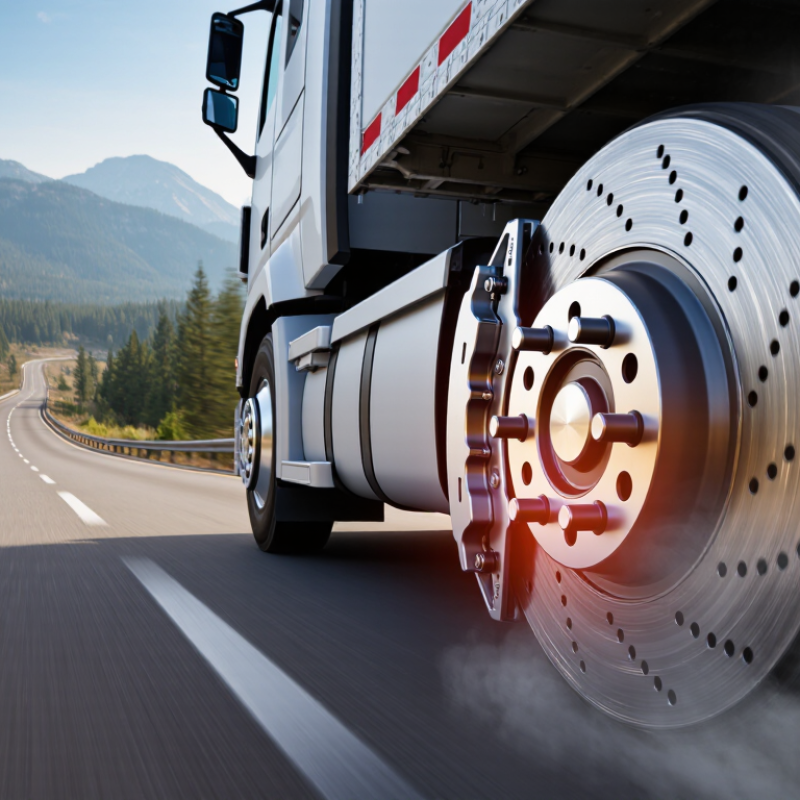
Why Are My Brakes Overheating on Long Descents?

How Long Descents Create Excessive Brake Heat

Why Are My Brakes Overheating on Long Descents?

How Long Descents Create Excessive Brake Heat

Long descents force your brakes to absorb energy for several minutes. Every time you press the pedal, friction converts the vehicle’s motion into heat. Continuous braking gives that heat little time to escape. The rotors may glow, while brake fluid can become hot enough to create a soft pedal. Brake fade can follow.

I once underestimated a mountain road because the first few bends felt easy. Later, the pedal traveled farther, and stopping required more pressure. My mistake was dragging the brakes instead of controlling speed before each curve. Selecting a lower gear helps the engine resist gravity. It does not replace careful braking, especially in vehicles with automatic transmissions.

Use firm, brief braking, then release the pedal completely. This allows air to cool the braking surfaces. Keep a safe distance and reduce speed before steep sections, not during panic moments. Never switch off the engine or coast in neutral. Both choices can reduce control and braking assistance.

Overheating may leave a sharp smell, smoke, vibration, or a soft pedal. Stop in a safe location and let the system cool naturally. Do not pour water on hot rotors. Sudden cooling can distort components. Afterward, have a qualified technician check the pads, rotors, calipers, and brake fluid. A worn or sticking part can turn a manageable descent into a serious failure. I still treat unfamiliar slopes with more caution than confidence.

Why Are My Brakes Overheating on Long Descents?

Estimated gravitational heat load during a 5 km descent

On a long downhill section, the vehicle’s potential energy must be dissipated. If engine braking is not used, most of this energy is converted into heat at the brake discs and pads. These estimates assume a 1,800 kg vehicle, a constant 60 km/h speed, a 5 km descent, and minimal assistance from engine braking. Steeper descents create substantially more heat because the vertical drop increases.

The Main Causes of Overheating Brakes on Slopes

Why Are My Brakes Overheating on Long Descents?

The main cause is sustained friction, not one hard stop. On a long slope, repeated braking converts motion into heat faster than air can remove it. The Federal Highway Administration identifies grades around 6% or steeper as requiring careful speed and braking management. A heavy vehicle gains dangerous energy quickly.

Brake fade can follow.

Common triggers include excessive speed, overloaded weight, dragging calipers, worn pads, contaminated linings, and incorrect brake adjustment. A driver may press harder when the pedal feels soft. That response often creates more heat. FMCSA’s Large Truck Crash Facts 2022 recorded 5,837 large trucks involved in fatal crashes. The report does not isolate overheating, but it shows why brake condition deserves serious attention.

Use a lower gear before the descent begins. Let the engine hold much of the speed. Apply firm braking for a short interval, then release fully to allow cooling. Do not ride the pedal. A burning smell, smoke, vibration, or a fading pedal needs immediate attention. Pull over safely when possible.

Temperature matters.

Research published through SAE testing commonly evaluates severe brake events near several hundred degrees Celsius, but actual fade limits vary by lining, rotor, load, and airflow. That variation is easy to underestimate. A visual inspection may miss heat damage inside the caliper. Brake fluid can also absorb moisture, reducing its boiling resistance. I would not trust a recent service alone; the descent, vehicle weight, and driving technique still need review.

Warning Signs of Brake Fade and Thermal Damage

Why Are My Brakes Overheating on Long Descents?

Warning Signs of Brake Fade and Thermal Damage

Long descents generate intense heat when the brake pedal stays pressed. Brake fade often begins quietly. The pedal may feel soft, travel farther, or require extra pressure. Your vehicle may also stop less confidently, even though the pedal is fully depressed. A sharp chemical smell, smoke near a wheel, or blue-gray discoloration on a rotor signals excessive temperature. Do not ignore vibration, grinding, or uneven braking. These symptoms can indicate warped rotors, glazed pads, or damaged seals.

Pay attention to changes during the descent. If braking improves briefly after cooling, the problem may still be serious. Heat can reduce friction and damage components before visible cracks appear. One common mistake is checking only the pad thickness. A professional inspection should also assess rotor condition, fluid moisture, caliper movement, and tire grip. My own judgment can be wrong without measurements, especially when damage looks minor.

Tips: Select a lower gear before the slope begins. Use controlled, firm braking instead of constant light pressure. Let the brakes cool at safe stopping areas. Never pour cold water onto hot rotors; sudden cooling may worsen distortion. If the pedal becomes soft, stop in a safe place and allow the system to cool. Persistent fade, smoke, or fluid leakage requires qualified service before driving further.

How Gearing and Speed Control Reduce Brake Heat

Why Are My Brakes Overheating on Long Descents?

How Gearing and Speed Control Reduce Brake Heat

Long descents create heat faster than many drivers expect. Continuous braking converts the vehicle’s kinetic energy into heat at the rotors, drums, and pads. If the brakes stay lightly applied, airflow may not remove heat quickly enough. The pedal can then feel soft, and stopping distance may increase.

Use a lower gear before the descent begins. Engine braking should hold a controlled speed, not merely slow the vehicle occasionally. Select a gear that keeps the engine within a safe operating range, then apply firm braking only when speed rises. Release the pedal fully afterward. This prevents constant friction and allows cooling air to reach the brake assembly. The Commercial Vehicle Safety Alliance reported 18,875 inspections during its 2023 Brake Safety Week. Brake-related defects placed 2,375 vehicles out of service, equal to 12.6 percent. That figure concerns commercial vehicles, but it shows how easily brake condition becomes a safety issue.

Tips: Reduce speed before the steep section. Never coast in neutral. Avoid riding the pedal. If a burning smell, smoke, vibration, or a soft pedal appears, stop safely and allow cooling time. Do not pour water on hot brakes. A lower gear is helpful, but it is not magic. I still see drivers choose it too late, when heat has already built up. Check brake fluid, pad thickness, tire pressure, and cooling airflow before mountain travel. Consult the vehicle manual for maximum descent speeds and gear recommendations.

Steps to Prevent and Diagnose Overheated Brakes

Why Are My Brakes Overheating on Long Descents?

Long descents can turn brake energy into intense heat. Continuous pedal pressure prevents the pads and rotors from cooling. You may notice a sharp smell, a soft pedal, reduced stopping power, or gray brake dust. A pulsing pedal can indicate rotor thickness variation, but heat alone does not prove rotor damage.

The U.S. Federal Motor Vehicle Safety Standard 135 includes a fade test with 15 stops from 62 mph, using short intervals between stops. This shows how quickly repeated braking can raise thermal stress. On a mountain road, select a lower gear before the descent and let engine braking control speed. Apply firm braking for a few seconds, then release fully. Do not rest your foot on the pedal.

Stop safely if braking becomes weak. Do not pour water over hot brakes; rapid cooling can distort components or damage nearby parts. After cooling, inspect for blue rotor patches, cracked friction material, leaking fluid, or a caliper that remains hot. An infrared thermometer can compare wheel temperatures, but readings need context. Sunlight, airflow, and parking position can mislead you.

Check fluid age, pad thickness, rotor condition, and caliper movement. The National Highway Traffic Safety Administration recommends regular inspection as part of vehicle maintenance, yet inspection intervals vary by vehicle and driving conditions. My own mistake was judging brake health by appearance alone. A clean-looking pad can still be glazed. If the pedal stays soft after cooling, arrange professional testing before driving farther.

Why Are My Brakes Overheating on Long Descents? - Steps to Prevent and Diagnose Overheated Brakes

Observed Symptom What It May Indicate Immediate Safety Action Recommended Diagnostic Checks Prevention on Long Descents Urgency
Strong hot or chemical odor from the wheels Brake pads, shoes, rotors, or drums are operating at excessive temperature because braking energy is not being dissipated quickly enough. Stop in a safe location as soon as practical. Apply the parking brake only if it is operating normally and will not interfere with cooling or vehicle safety. Inspect pads or shoes, rotors or drums, calipers, wheel cylinders, and brake fluid. Look for discoloration, glazing, cracks, leaks, or seized components. Use a lower gear before the descent and keep speed controlled with engine braking. Avoid continuous light pressure on the brake pedal. High attention
Smoke, visible heat, or glowing brake components Severe overheating may be occurring. Friction material, grease, or other nearby material can reach its ignition temperature. Pull over immediately in a safe area, switch off the engine, keep people away from the wheels, and call for assistance if smoke continues or a fire is suspected. Do not pour water on hot brakes. After the vehicle has fully cooled, inspect for damaged friction material, leaking fluid, rotor or drum distortion, and heat damage to wheel bearings or seals. Reduce speed before steep sections, use the correct lower gear, and stop periodically when conditions require it. Do not continue driving if smoke or fire risk remains. Stop driving
Brake pedal feels soft, spongy, or gradually sinks Brake fluid may be overheated or contaminated with moisture, or air may be present in the hydraulic system. A leak is also possible. Stop driving as soon as it is safe. Do not rely on repeated pumping as a permanent solution. Arrange inspection or recovery if pedal firmness does not return after cooling. Check the fluid level and condition, inspect for leaks, test the hydraulic system, and bleed or replace fluid according to the vehicle manufacturer's specification. Use engine braking and avoid dragging the brakes. Maintain the recommended brake-fluid service schedule, especially before mountain travel. Stop and inspect
Stopping distance increases or the vehicle does not slow normally Brake fade can reduce friction between the pads or shoes and the rotor or drum. Overheated fluid or a mechanical fault may also reduce braking performance. Increase following distance, shift to a lower gear, and stop in a safe place. Do not continue down a steep grade if braking performance remains reduced. Inspect friction material and rotors or drums for glazing, measure components against the vehicle's service limits, and check caliper or wheel-cylinder operation. Brake firmly for short intervals when needed, then release the pedal to allow cooling. Avoid riding the brakes continuously. Stop and inspect
Brake pedal or steering wheel vibrates during braking Uneven friction deposits, rotor thickness variation, a distorted rotor, loose wheel hardware, or worn suspension parts may be present. Heat can contribute to these conditions. Reduce speed carefully and have the vehicle inspected. Avoid repeated hard braking until the cause is identified. Measure rotor thickness and runout, inspect pad contact patterns, verify wheel-lug torque, and check wheel bearings and suspension components. Use progressive, controlled braking and allow the brakes to cool after heavy use. Avoid holding the pedal firmly while stationary immediately after severe braking when safe alternatives exist. Inspect soon
Vehicle pulls to one side while braking A sticking caliper, restricted brake hose, uneven pad or shoe wear, tire issue, or suspension problem may be causing unequal braking force. Reduce speed and stop if the pull is strong or unpredictable. Do not continue at highway speed until the fault is checked. Compare wheel temperatures only with suitable non-contact equipment, inspect caliper slides and hoses, and check pad or shoe wear on both sides of the axle. Service caliper hardware as required and do not ignore uneven wear. Keep tires correctly inflated and maintain the braking system. Inspect promptly
One wheel remains unusually hot after normal driving A dragging brake may be caused by a seized caliper piston, restricted hose, parking-brake mechanism, wheel cylinder, or incorrect adjustment. Stop and allow the component to cool. Avoid touching the wheel or brake assembly because surfaces may be extremely hot. Check for free wheel rotation when safely lifted, inspect caliper or drum hardware, verify hose condition, and test parking-brake release. Release the parking brake completely before driving and repair any dragging brake immediately. Do not use temperature differences as the only diagnosis. Repair promptly
Brake pads or shoes look shiny, glazed, cracked, or severely worn Excessive heat, incorrect bedding, contamination, or operation beyond the component's design limits may have reduced friction performance. Avoid hard or high-speed driving until the friction components are assessed. Replace damaged parts according to the manufacturer's service procedure. Measure remaining friction material and compare it with the vehicle's specified minimum. Check the rotor or drum surface, hardware, and contamination source. Use correctly specified replacement parts, follow the proper bedding procedure, and avoid repeated heavy braking during the bedding period. Service required
Brake fluid is dark, contaminated, or overdue for service Brake fluid absorbs moisture over time, which can lower its boiling resistance and increase the risk of vapor formation during repeated heavy braking. If the pedal is soft or braking is impaired, stop driving and arrange professional service. Do not mix incompatible fluids. Confirm the fluid type specified for the vehicle, check for moisture or contamination using appropriate service equipment, and inspect the system for leaks. Replace fluid at the vehicle manufacturer's recommended interval and before demanding mountain driving when service is due. Service soon
Brake temperature rises quickly on a long downhill section The vehicle is relying too heavily on friction brakes. Common causes include excessive speed, continuous pedal pressure, heavy load, towing, or an unsuitable gear. Slow before the descent, select a lower gear, and use a safe escape area or pull-off if available. Never shift into neutral to coast downhill. Review driving technique, vehicle load, trailer setup, brake condition, tire condition, and the operation of engine or exhaust braking systems if fitted. Use the same gear needed to climb a similar grade, maintain a controlled speed, and apply the brakes firmly and intermittently rather than continuously. Correct technique
Brakes remain hot after a cooling stop Continued heat may indicate a dragging brake, insufficient airflow, a damaged component, or repeated braking before the system has cooled. Do not resume normal-speed driving until the brakes have cooled and braking performance feels normal. Seek professional inspection if heat returns quickly. Check for mechanical drag, damaged friction surfaces, blocked cooling airflow, incorrect adjustment, and component discoloration or deformation. Plan safe cooling stops, avoid blocking airflow around the wheels, and correct mechanical drag before driving through mountainous terrain. Inspect before travel
No obvious symptoms, but the vehicle will travel through steep mountains Brakes may be serviceable but still become overheated if the descent is approached too fast or the vehicle is heavily loaded. Complete a pre-trip safety check before entering the descent. Confirm that the pedal is firm and that the vehicle stops straight during a controlled test. Check fluid level, leaks, pad or shoe condition, rotor or drum condition, tire pressure, load distribution, and parking-brake operation. Plan the route, reduce speed before steep grades, select a lower gear early, maintain a safe following distance, and avoid unnecessary braking. Preventive check

FAQS

Why do brakes overheat during long descents?

Repeated braking creates heat faster than airflow can remove it. Continuous pedal pressure makes cooling difficult.

What driving habits increase brake temperature?

Excessive speed, heavy loading, and riding the pedal all increase heat. One hard stop is not always the main cause.

How can I control speed on a steep downhill road?

Select a lower gear before descending. Let the engine slow the vehicle, then brake firmly for a few seconds.

How long should I apply the brakes?

Use short, firm braking intervals. Release the pedal completely between applications, allowing air to cool the components.

What signs suggest brake fade or overheating?

Watch for a burning smell, smoke, vibration, gray dust, a soft pedal, or reduced stopping power. Take these signs seriously.

What should I do if braking suddenly becomes weak?

Reduce speed and pull over safely when possible. Stop driving if the pedal remains soft after the brakes cool.

Can I pour water on hot brakes?

No. Rapid cooling may distort brake parts or damage nearby components. Let them cool naturally in a safe place.

How can overheated brakes be checked after cooling?

Inspect pads, rotors, fluid, and caliper movement. Blue rotor patches, cracks, leaks, or one unusually hot wheel need attention.

Can a recent brake service guarantee safe downhill performance?

Not completely. Vehicle weight, slope length, gear choice, and driving technique still matter. I would not trust appearance alone.

When is professional inspection necessary?

Arrange testing when braking stays weak, the pedal feels soft, or vibration continues. A clean-looking pad can still be glazed.

Conclusion

Why are my brakes overheating on long descents? The most common reason is continuous braking, which converts the vehicle’s motion into heat faster than the braking system can release it. Steep slopes, heavy loads, high speeds, frequent hard braking, worn friction materials, sticking components, and poor airflow can all increase thermal stress. As temperatures rise, the brakes may lose effectiveness, a condition known as brake fade. Drivers may notice a soft or spongy pedal, longer stopping distances, unusual smells, smoke, vibration, or reduced braking response. Ignoring these signs can lead to serious thermal damage.

To reduce brake heat, select a lower gear before descending and use engine braking to help control speed. Maintain a moderate, steady pace and apply the brakes firmly for short intervals instead of riding them continuously. If overheating occurs, stop in a safe location and allow the system to cool naturally. Afterward, inspect the brake components for uneven wear, discoloration, cracks, leaks, or sticking parts. Regular maintenance and correct load management can help prevent repeated overheating and improve braking safety on long downhill routes.

Henry

Henry

Henry is a dedicated marketing professional with a profound expertise in the company's offerings. With years of experience in the industry, he possesses an impressive understanding of the market dynamics and consumer behaviors that drive success. Henry is committed to sharing his insights through......