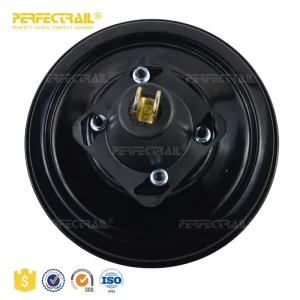
Engineered for compliance with international safety protocols, delivering exceptional friction performance and hydraulic response.
The global automotive braking sector acts as the ultimate cornerstone of active vehicle safety. As vehicles evolve toward autonomous controls, lighter structures, and higher electrification, adherence to rigorous brake standards is no longer just a checkbox—it is a critical barrier against component failure. A unified understanding of the global regulatory landscape is vital for global distributors, OEMs, and fleet buyers looking to secure reliable supply chains.
Currently, the market is governed by several core regulatory systems across key economic zones:
| Standard Reference | Applicable Region | Focus Parameters | Testing Rig / Protocol |
|---|---|---|---|
| ECE R90 | European Union & Allied Markets | Friction behavior matching OE, shear strength, thermal fatigue limits. | Inertia Dynamometer, Alpine Descent Simulation. |
| FMVSS 135 | North America / United States | Stopping distance limits under wet/dry conditions, parking brake holds. | Full-Vehicle Track Tests, Hydraulic Volume Demands. |
| SAE J2522 (AK Master) | Global OEM & Tier 1 | Friction coefficient vs. pressure, speed, temperature variations. | Dual-ended Dyno Chambers, controlled humidity and airflow. |
| GB 5763-2018 | China (Guobiao) | Thermal expansion, wear rates at elevated operating temps. | Krauss Friction Testers, Shear Strength fixtures. |
How Yuhuan Zizel Auto Co., Ltd. integrates advanced metallurgical control and testing to exceed safety limits.
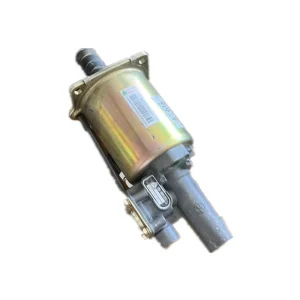
Operating under strict automotive quality management processes, ensuring that every batch of master cylinders and brake hoses complies with Tier-1 OEM expectations.
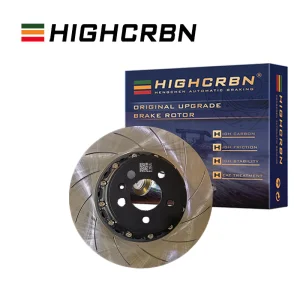
Featuring 2-piece high-carbon disc designs (e.g., for Tesla Model 3p) that minimize thermal judder, dissipate heat faster, and offer extreme structural stability under stress.
Utilizing high-end spectrometers, CMM dimension meters, hardness testers, salt spray cabinets, and tension sensors to screen raw material anomalies prior to production.
Strategically located in Yuhuan, one of the largest and most renowned automotive parts manufacturing hubs in Zhejiang, China. With years of expertise in the automotive industry, we specialize in the design, research and development, production, sales, and after-sales services for a comprehensive range of high-quality automotive components.
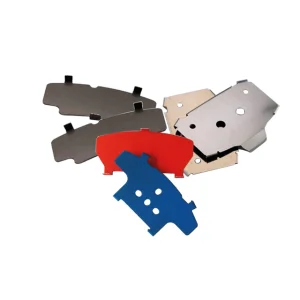
As a professional manufacturer, our main focus is on providing top-tier repair and calibration equipment for both disc brakes and drum brakes. Our product portfolio includes critical components such as pistons, guide bolts, springs, cushion clips, rubber seals, and more, designed to meet the needs of a wide variety of vehicles. Additionally, we manufacture vital wheel axle components, including high-performance bolts, nuts, oil connectors, high-strength bolts, fasteners, sliding shafts, piston bolts, and piston rings, all of which are applied to a wide range of light-duty and commercial vehicles, ensuring the utmost reliability and safety.
Our commitment to quality is reflected in our certifications, including ISO 9001:2015 and IATF 16949:2016, which validate our adherence to internationally recognized standards. We operate on the principle of "Customer First, Quality First, Service First" to provide globally optimized cost-effective parts.
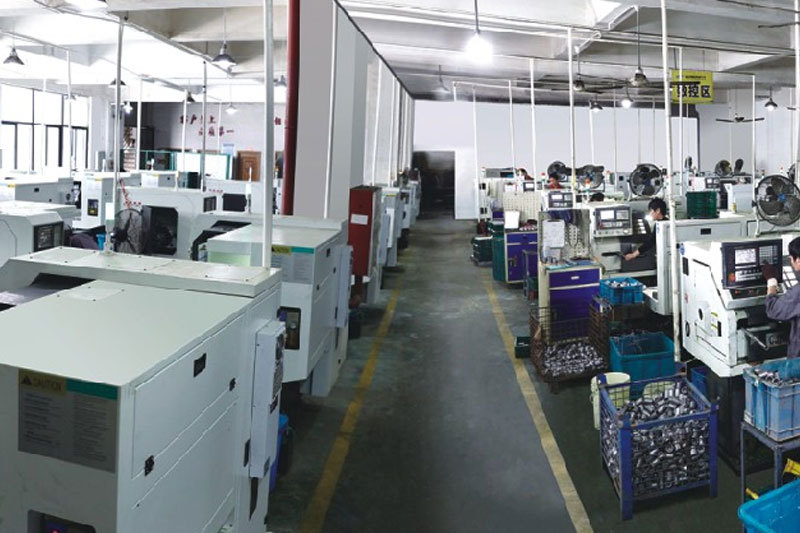
Take an inside look at our machinery and verification devices, designed to secure standard compliance at every production milestone.
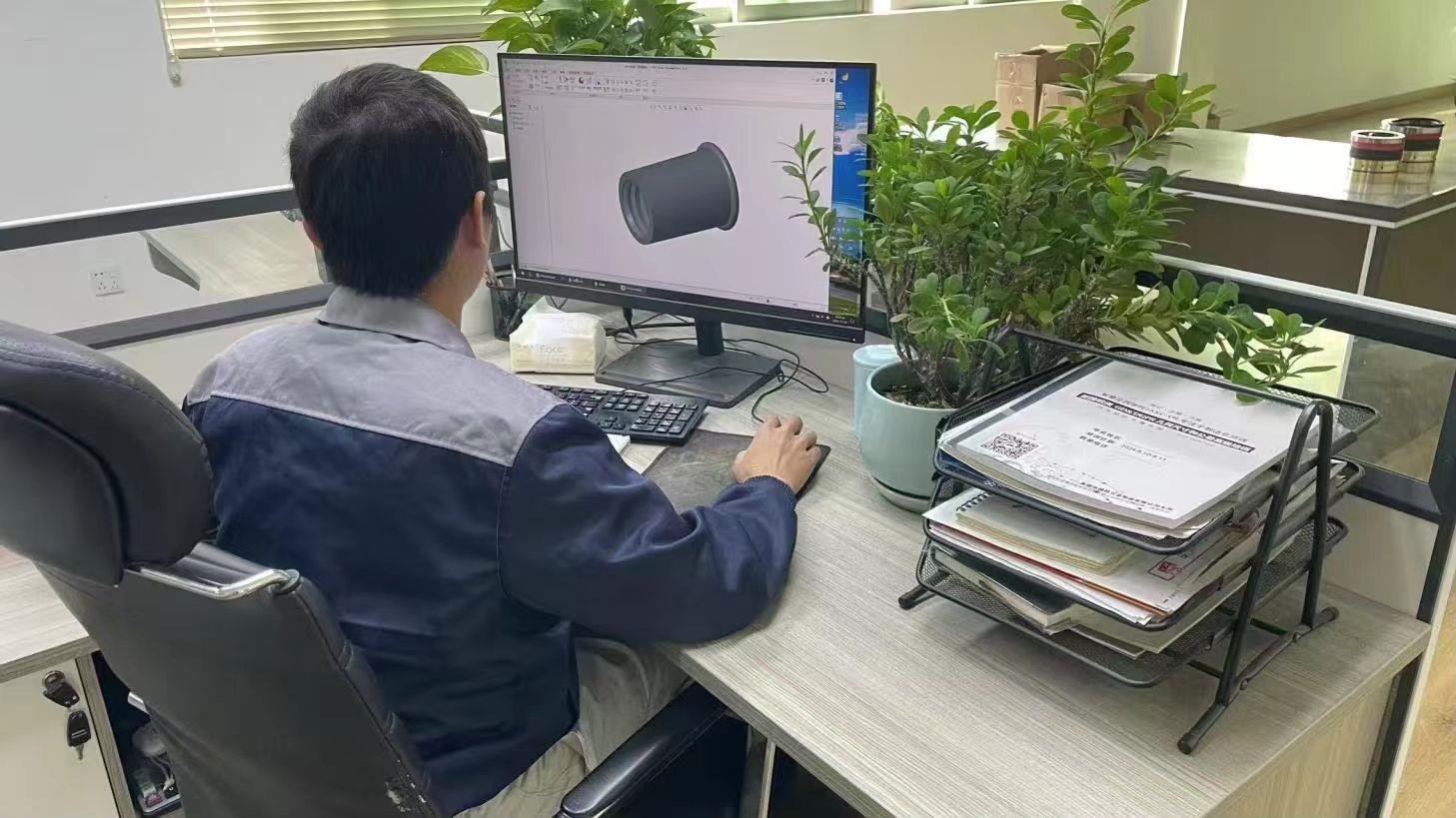
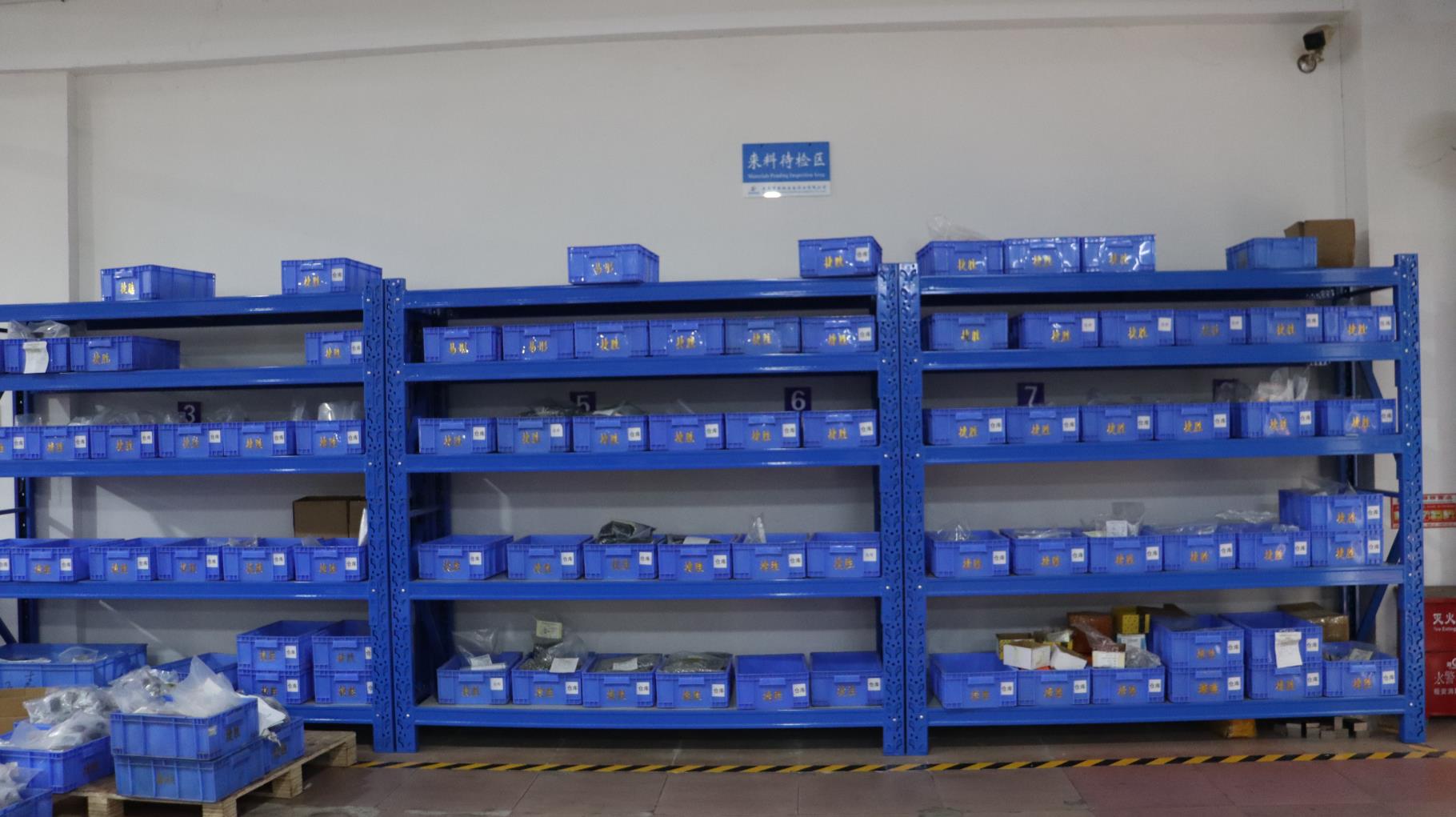
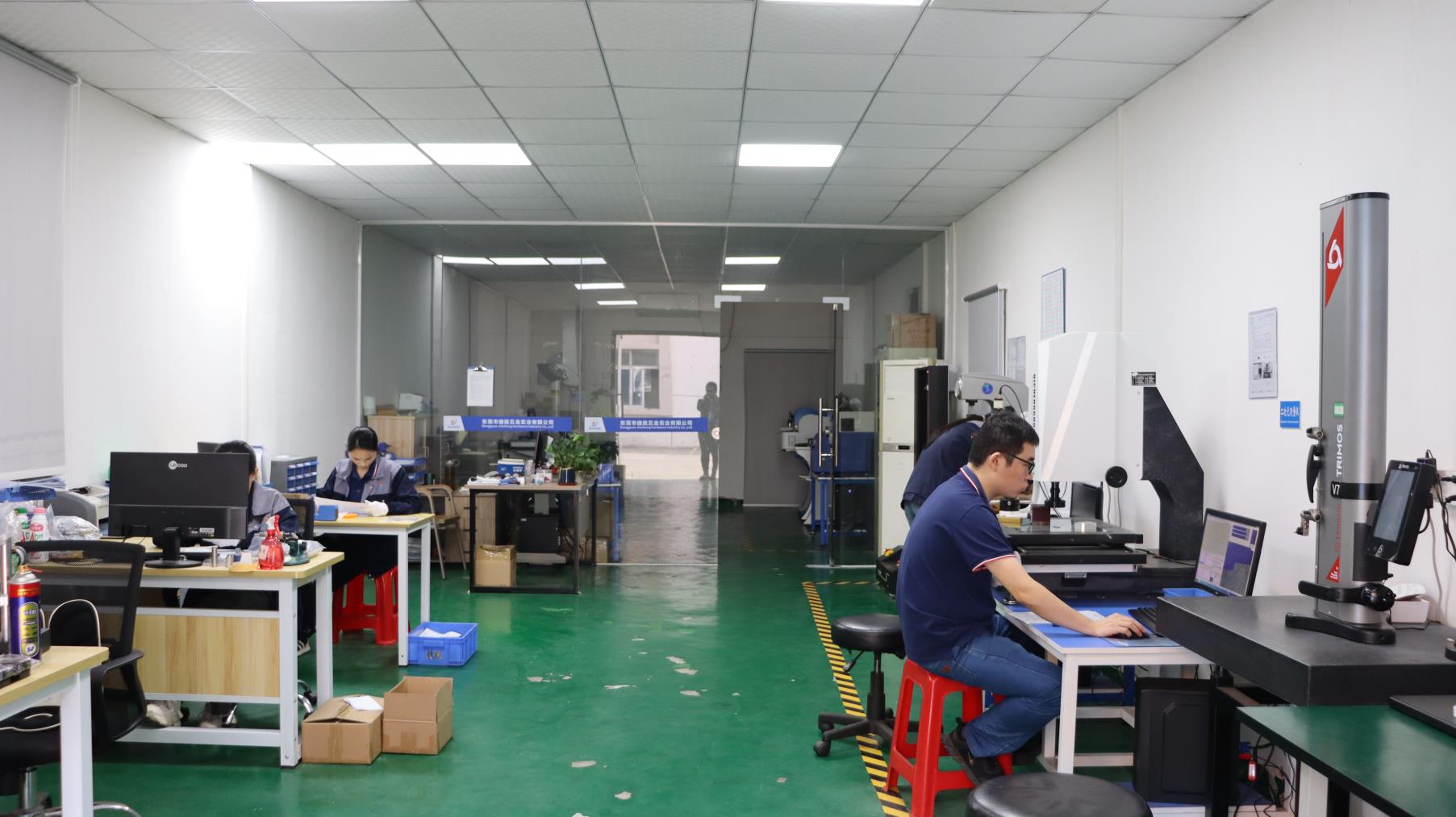
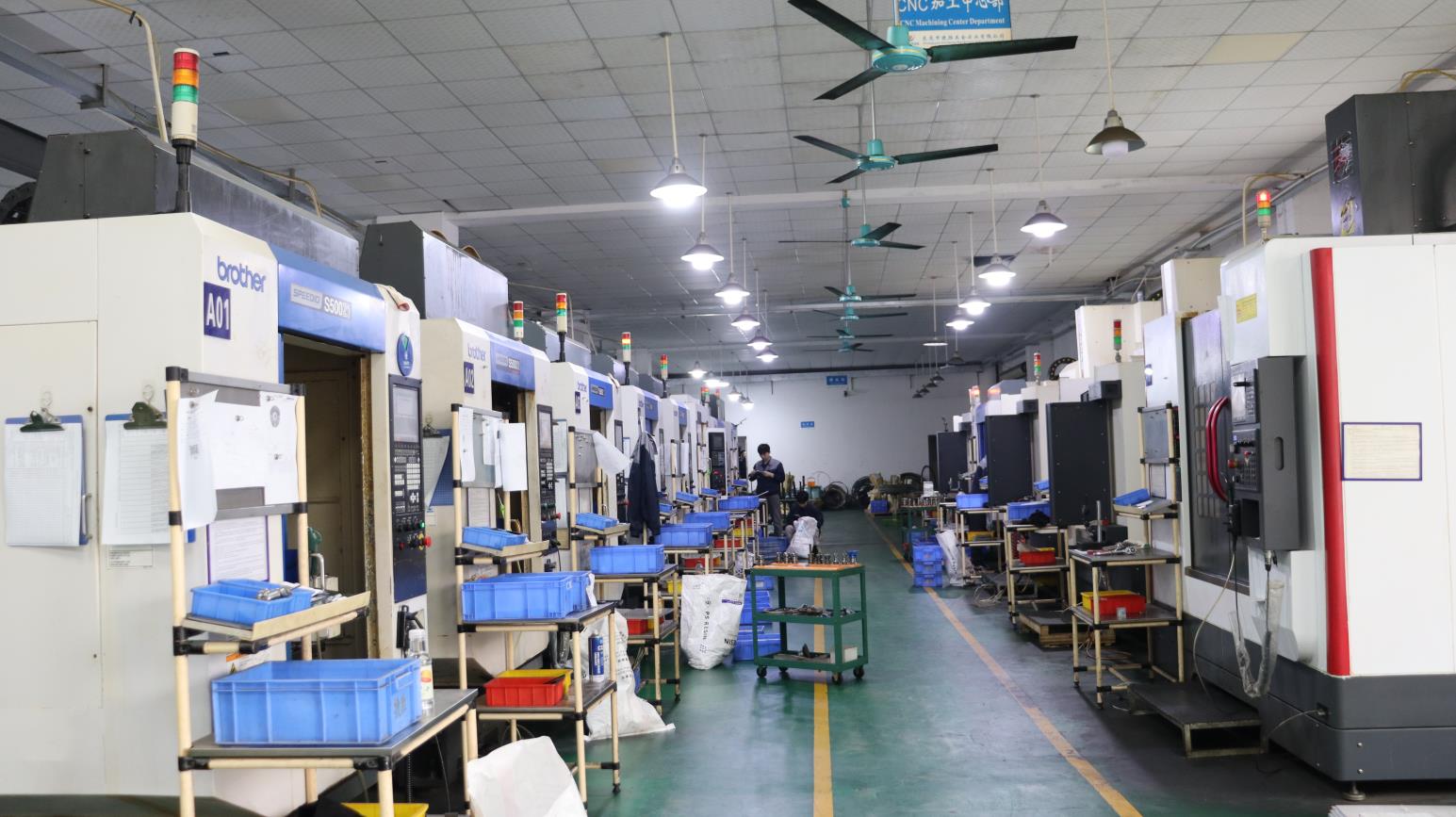
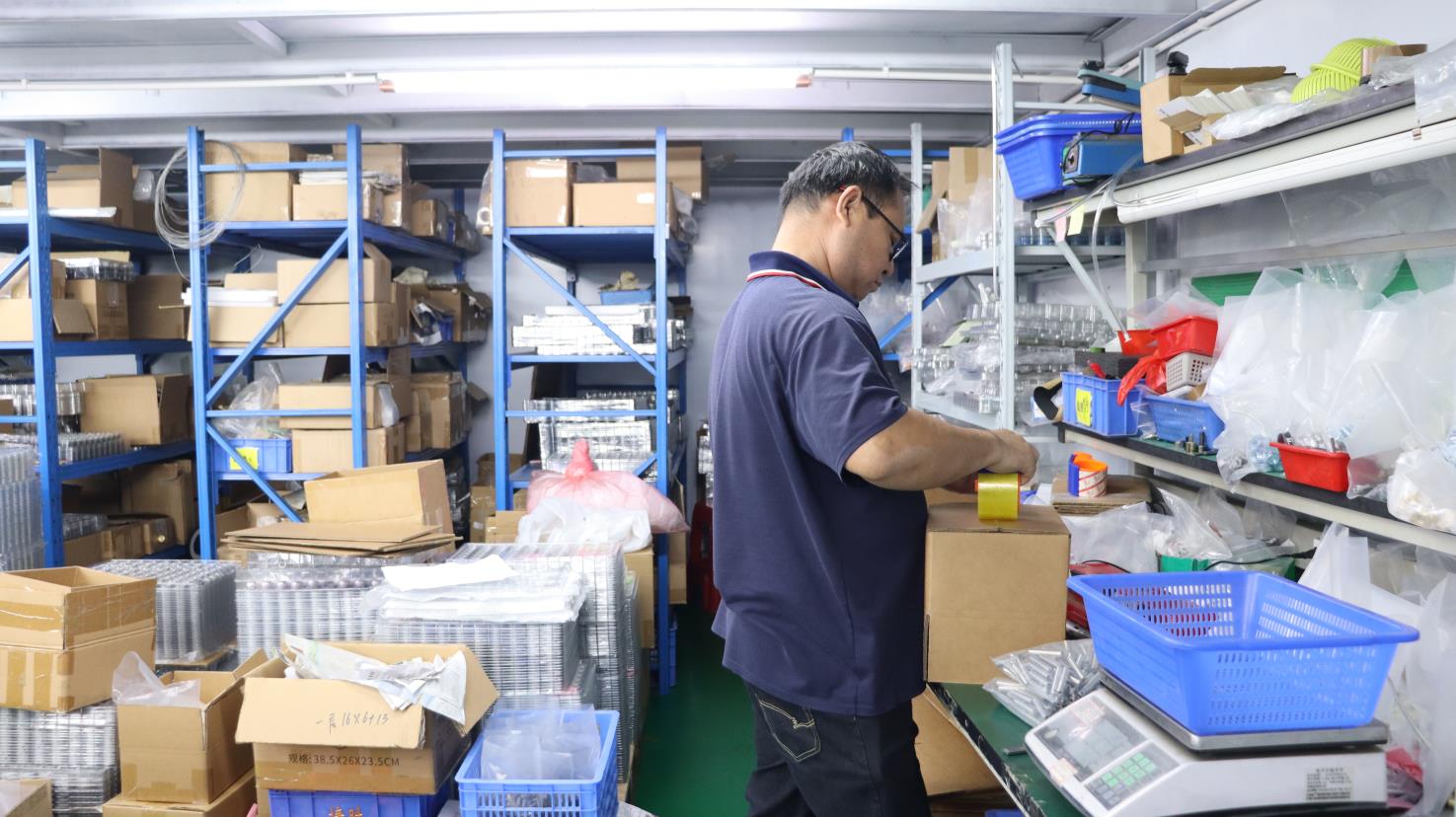
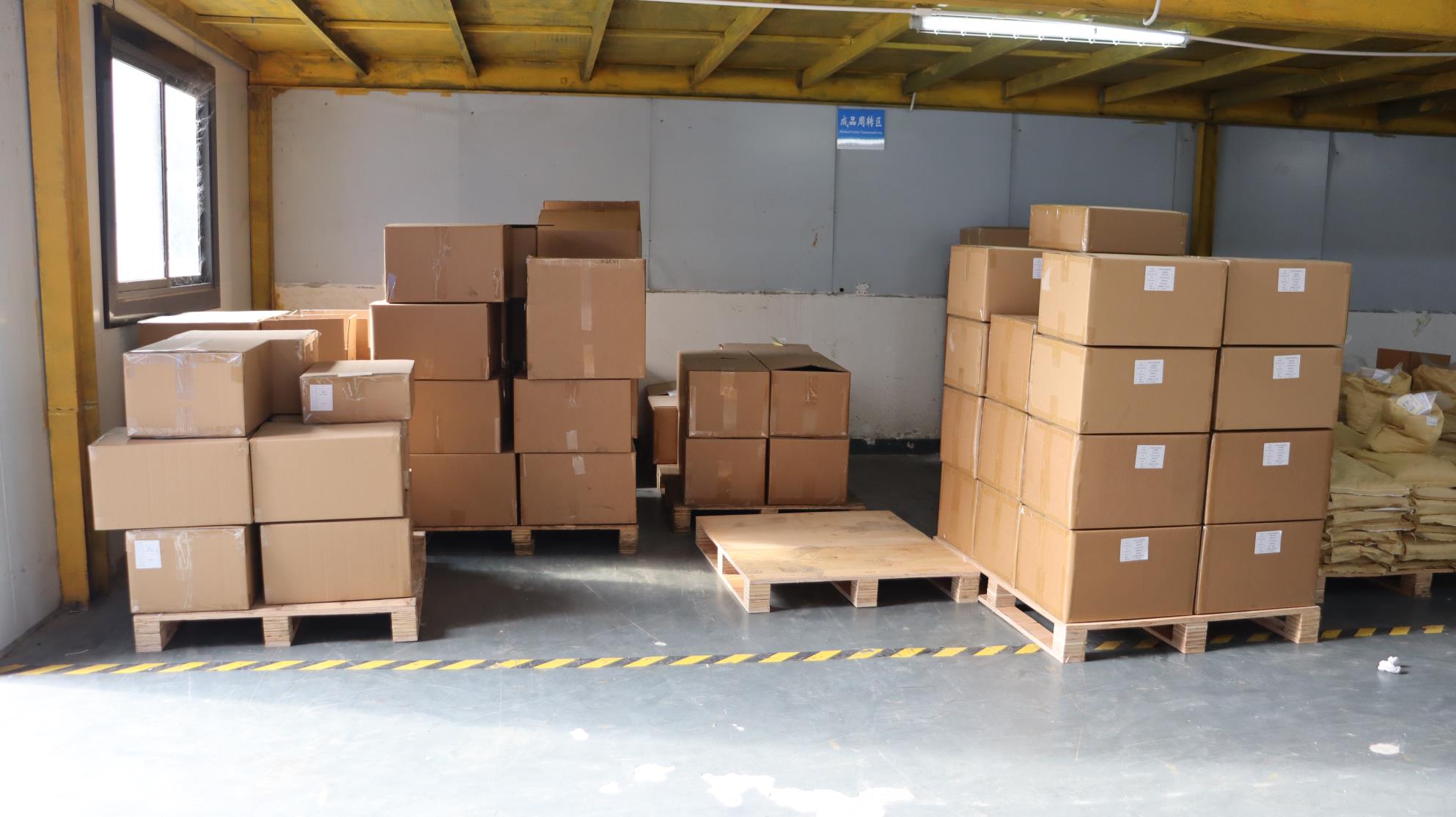
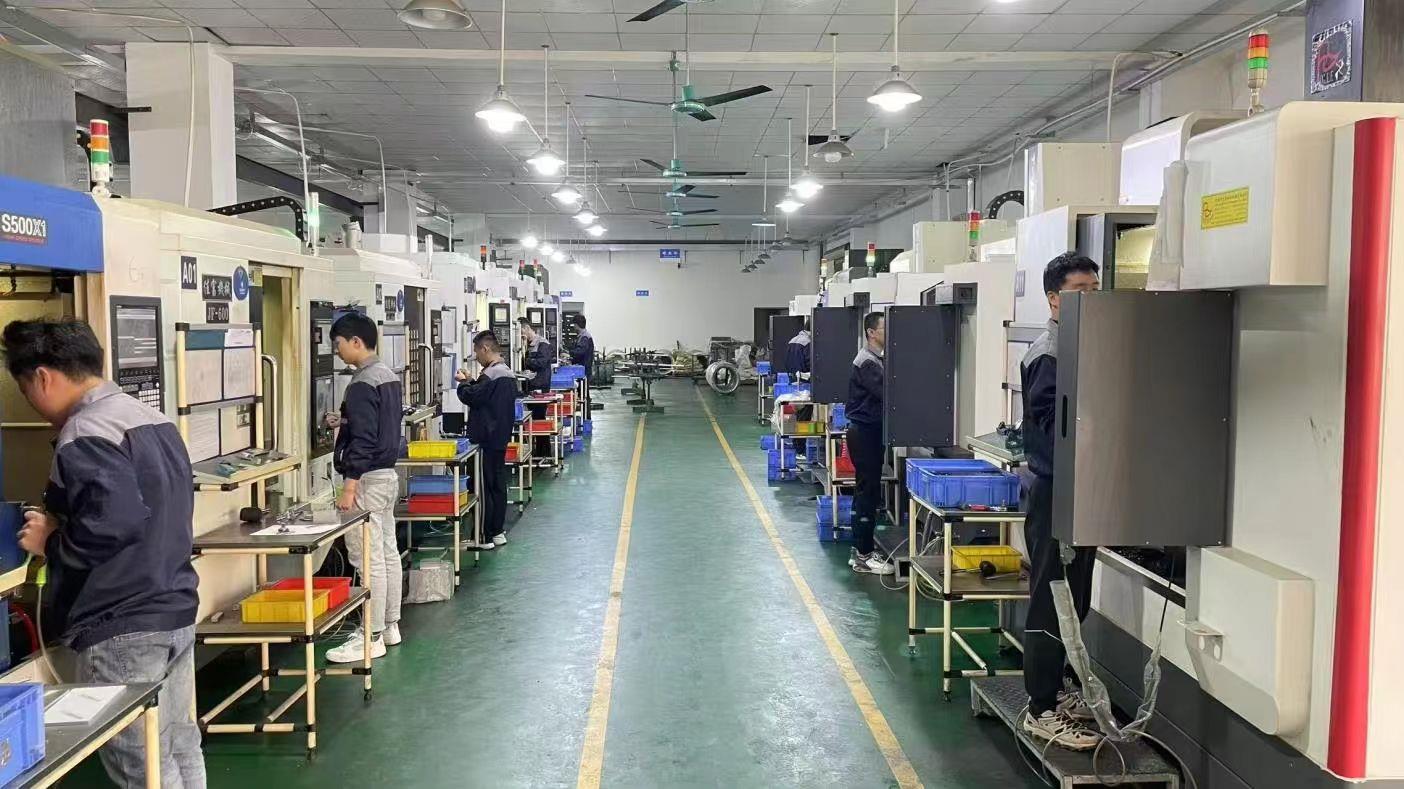
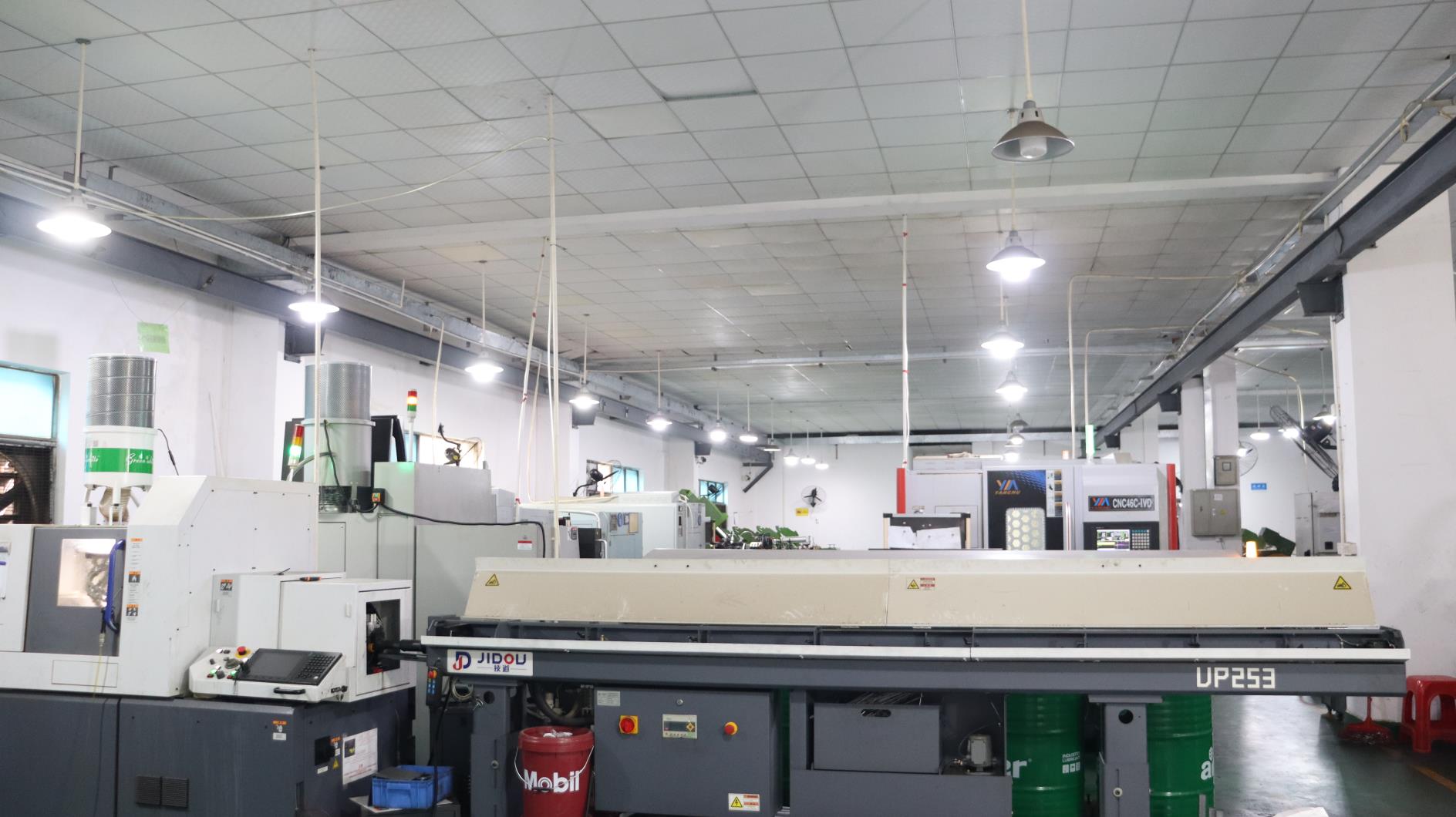
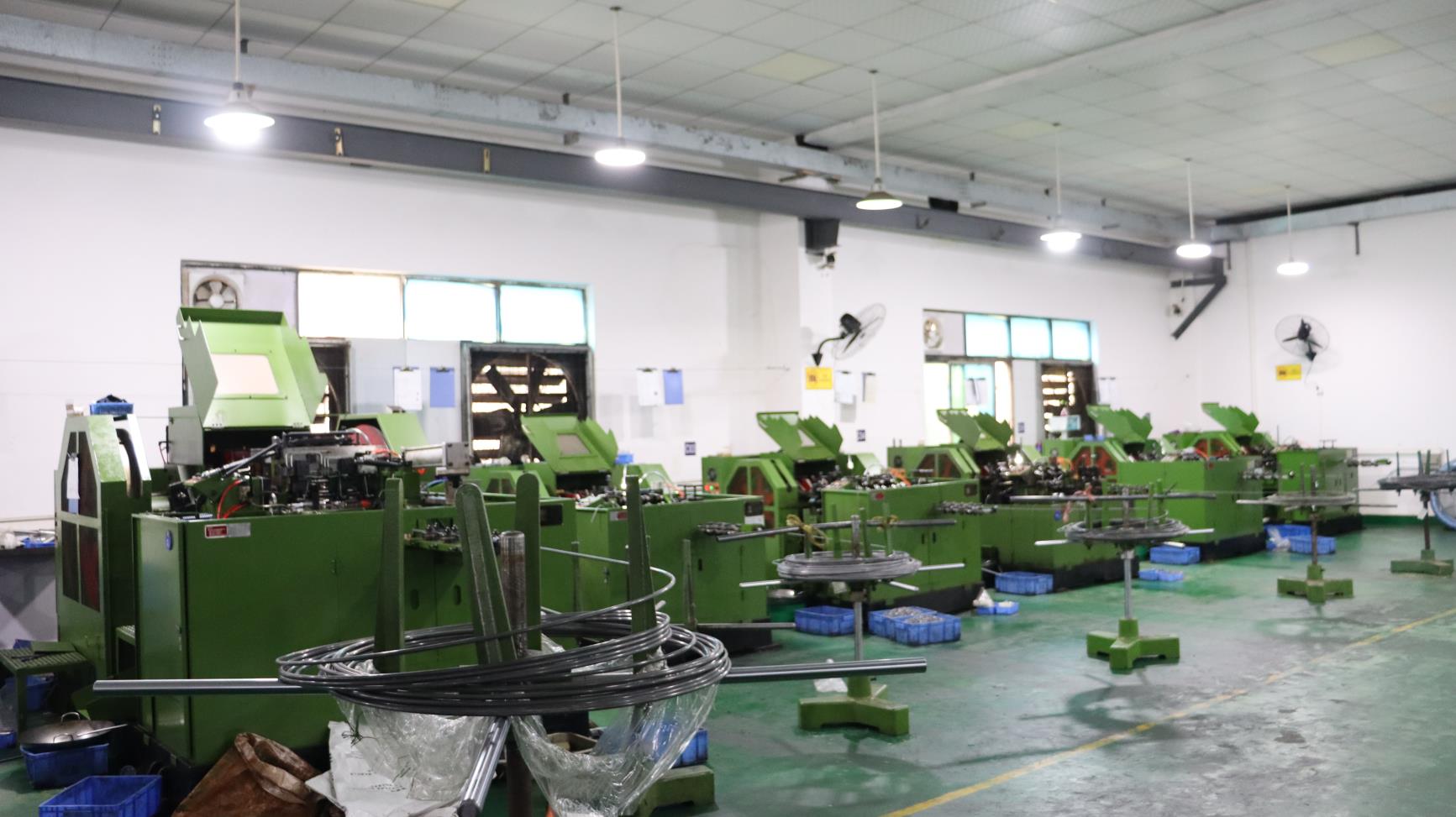
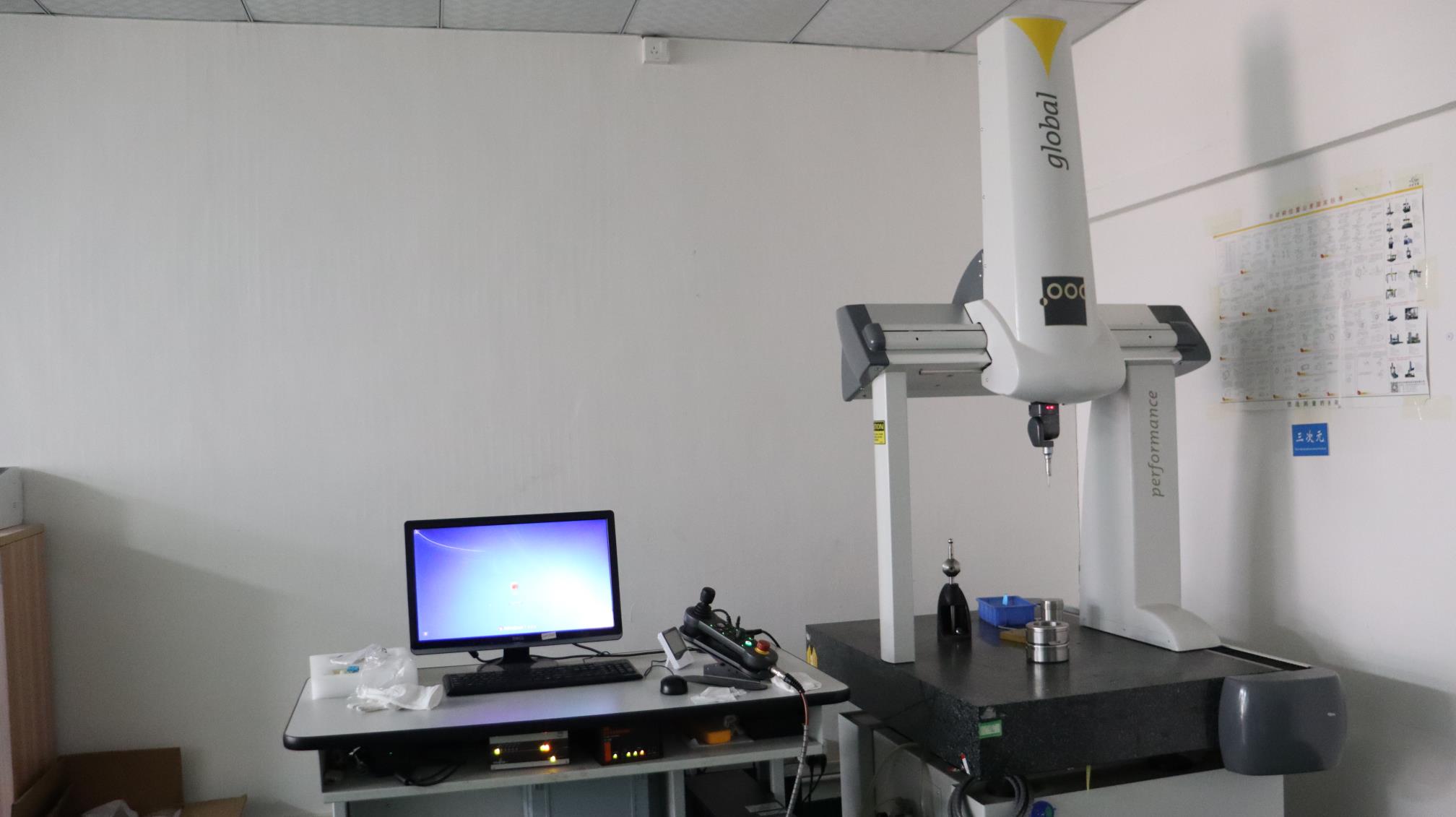
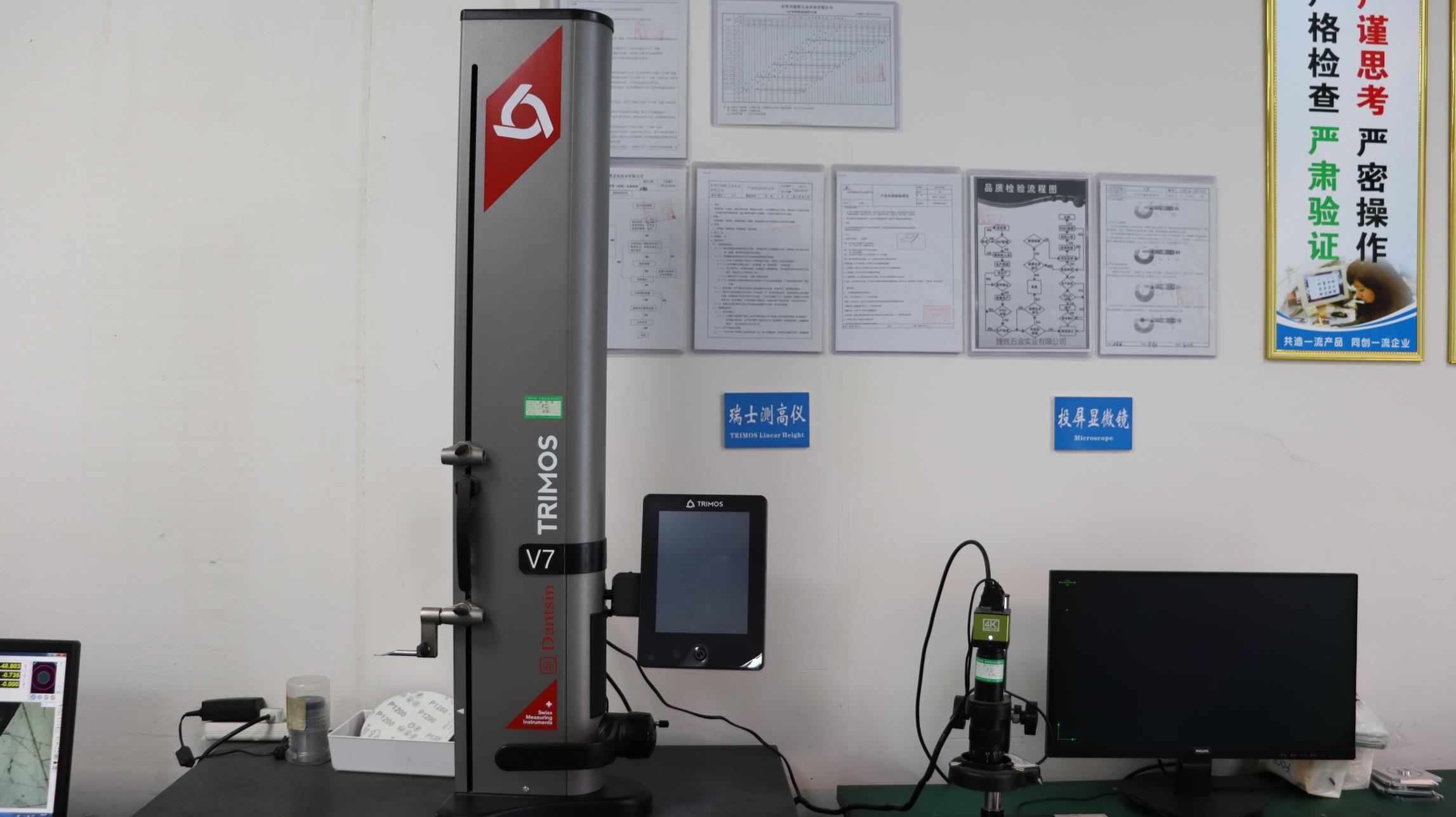
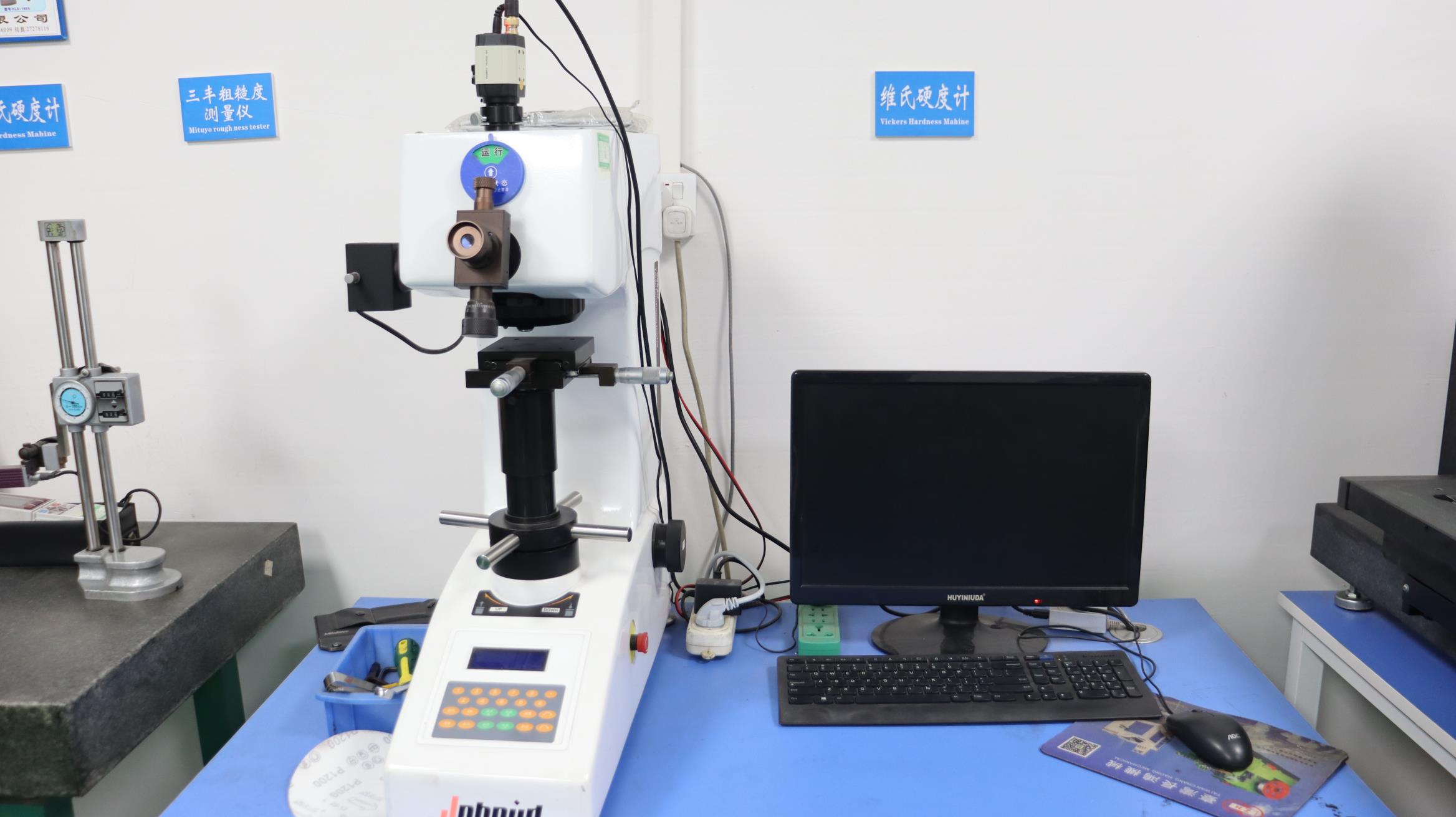
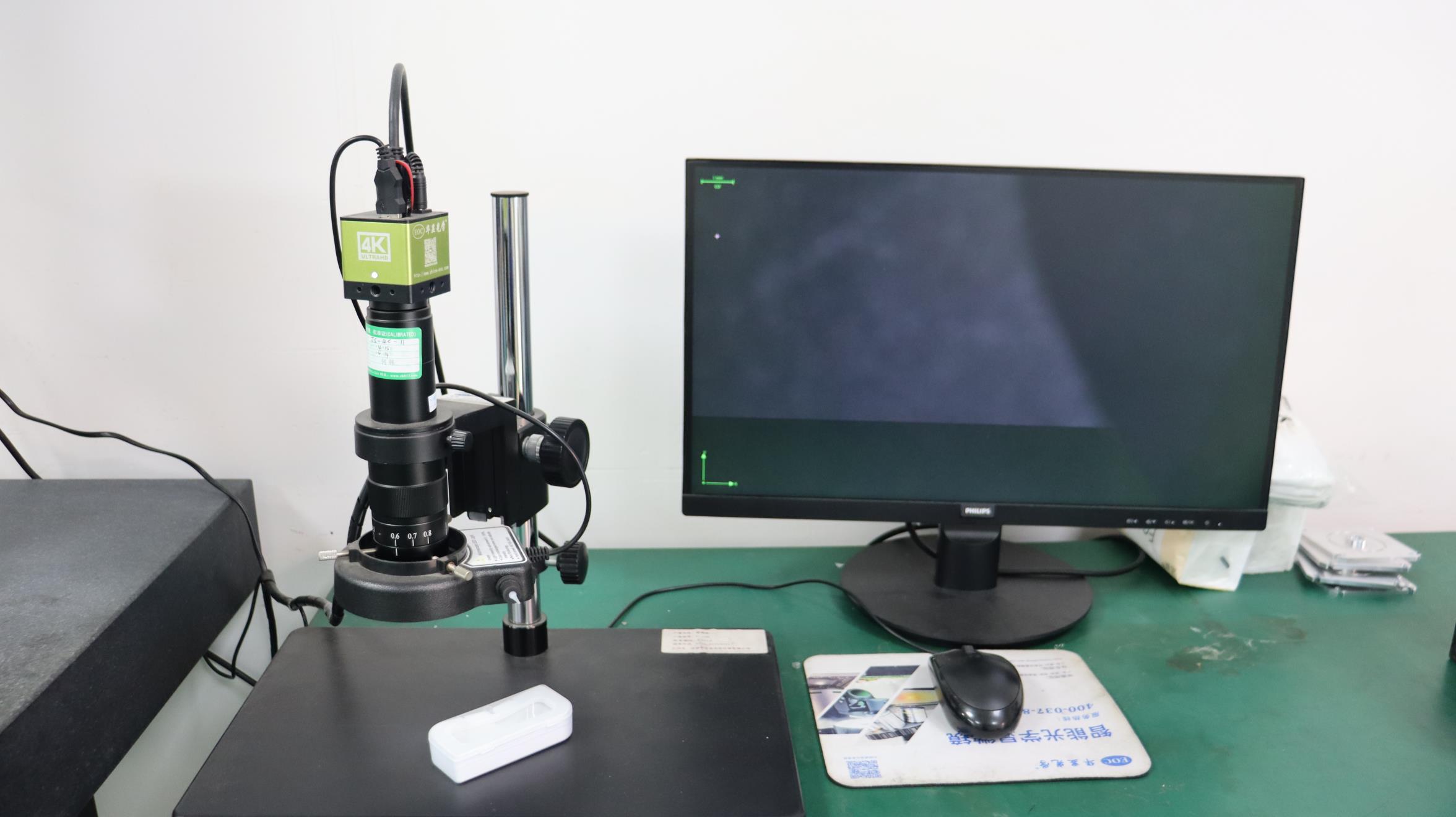
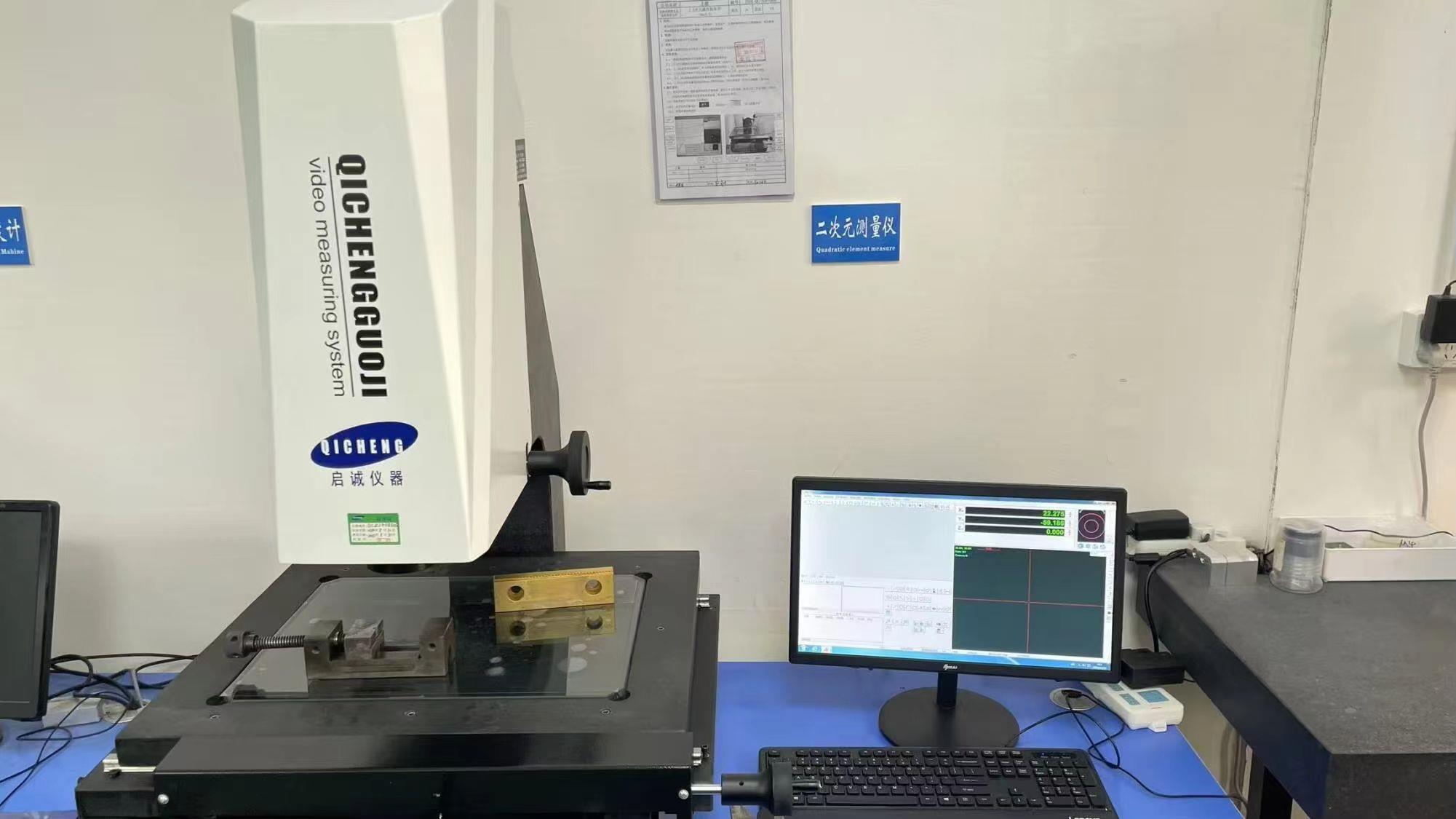
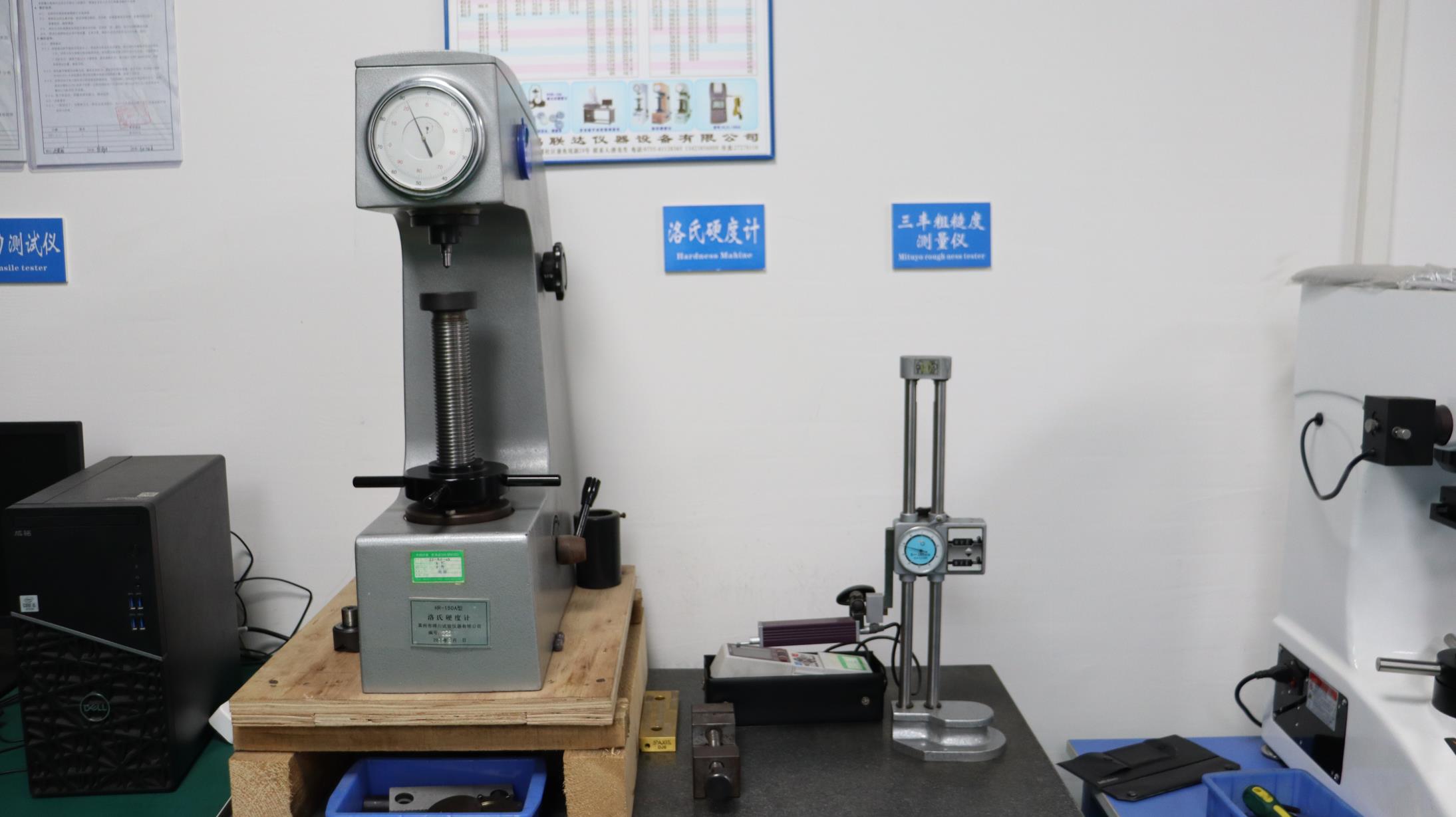
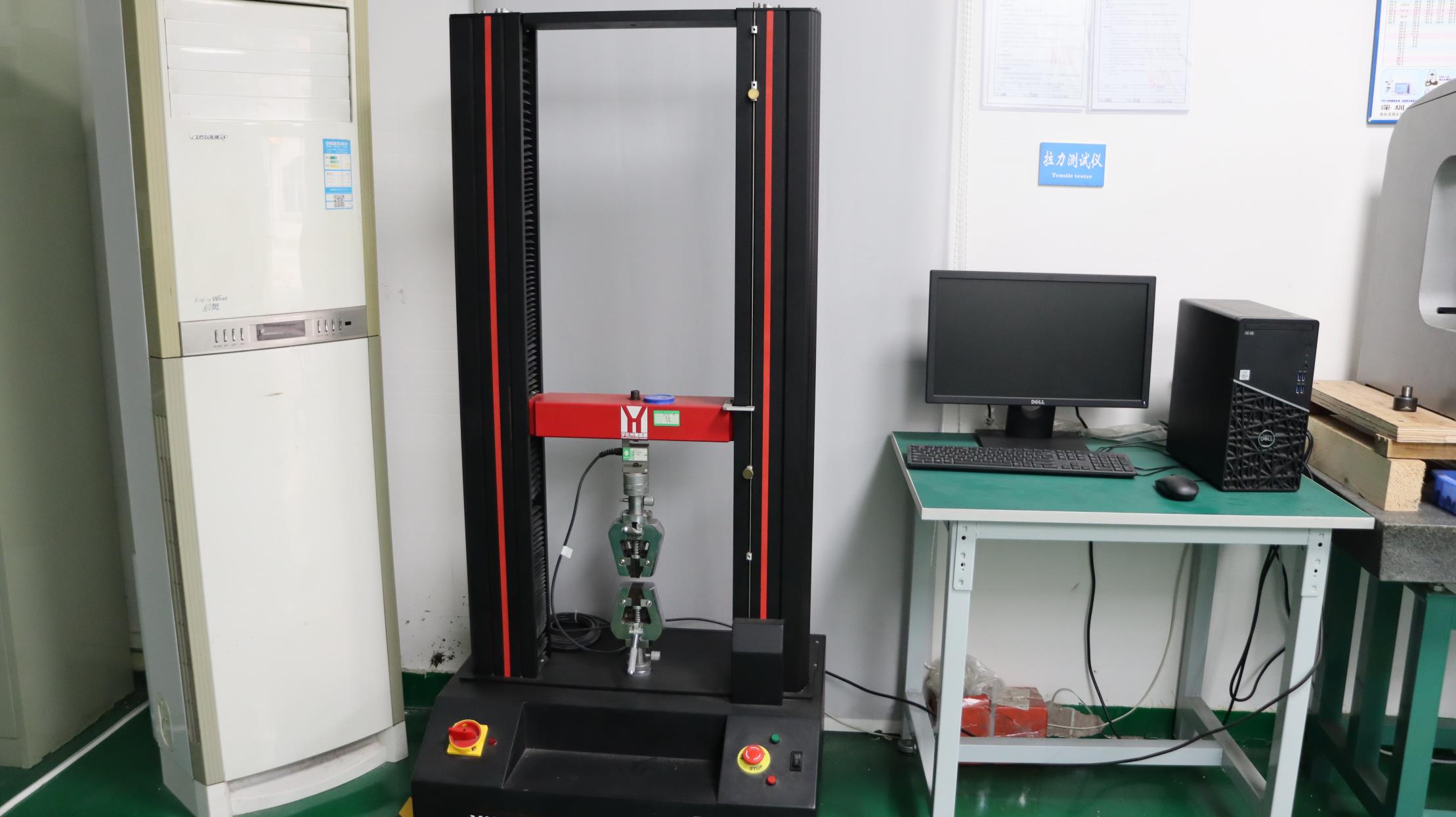
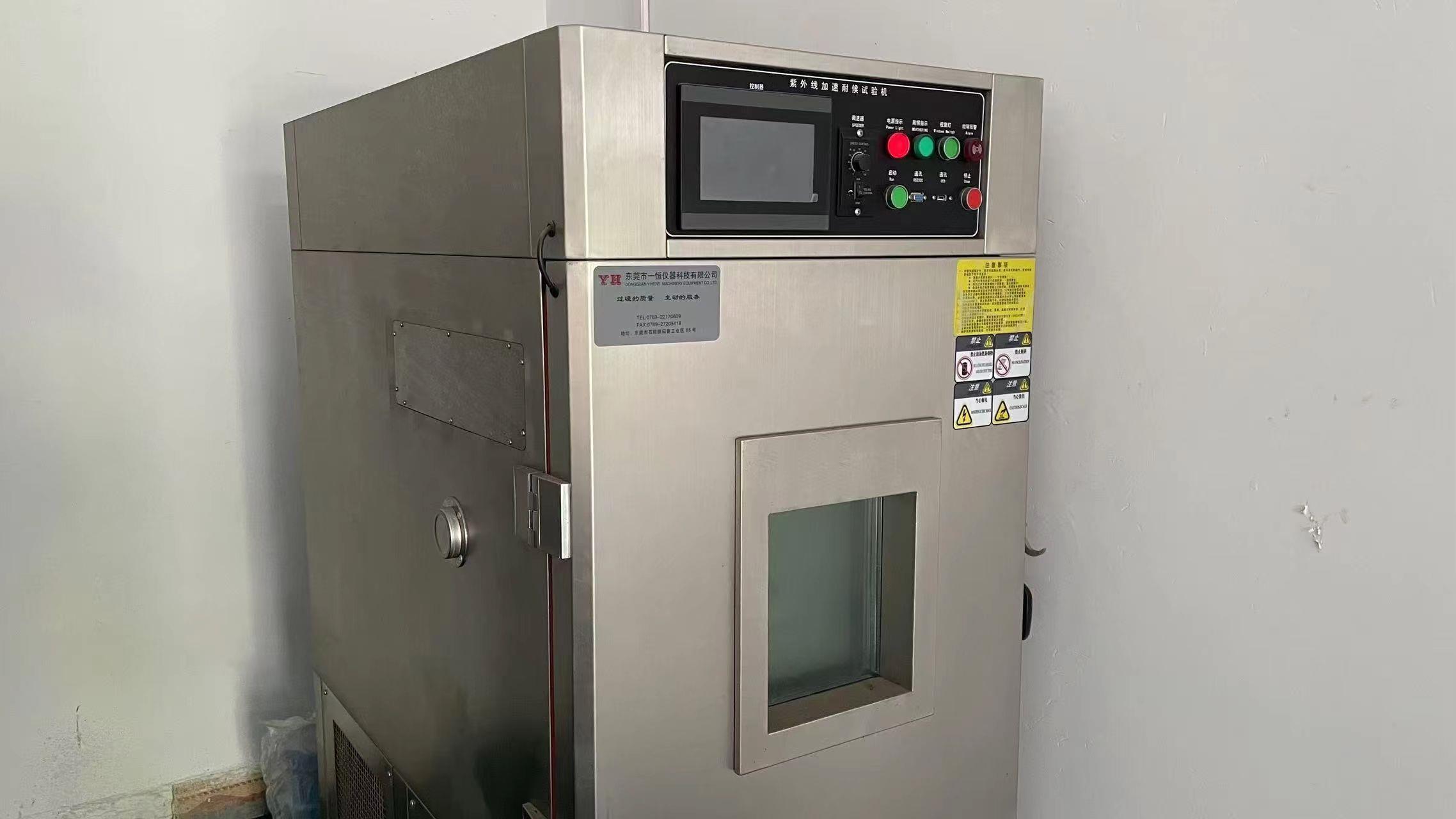
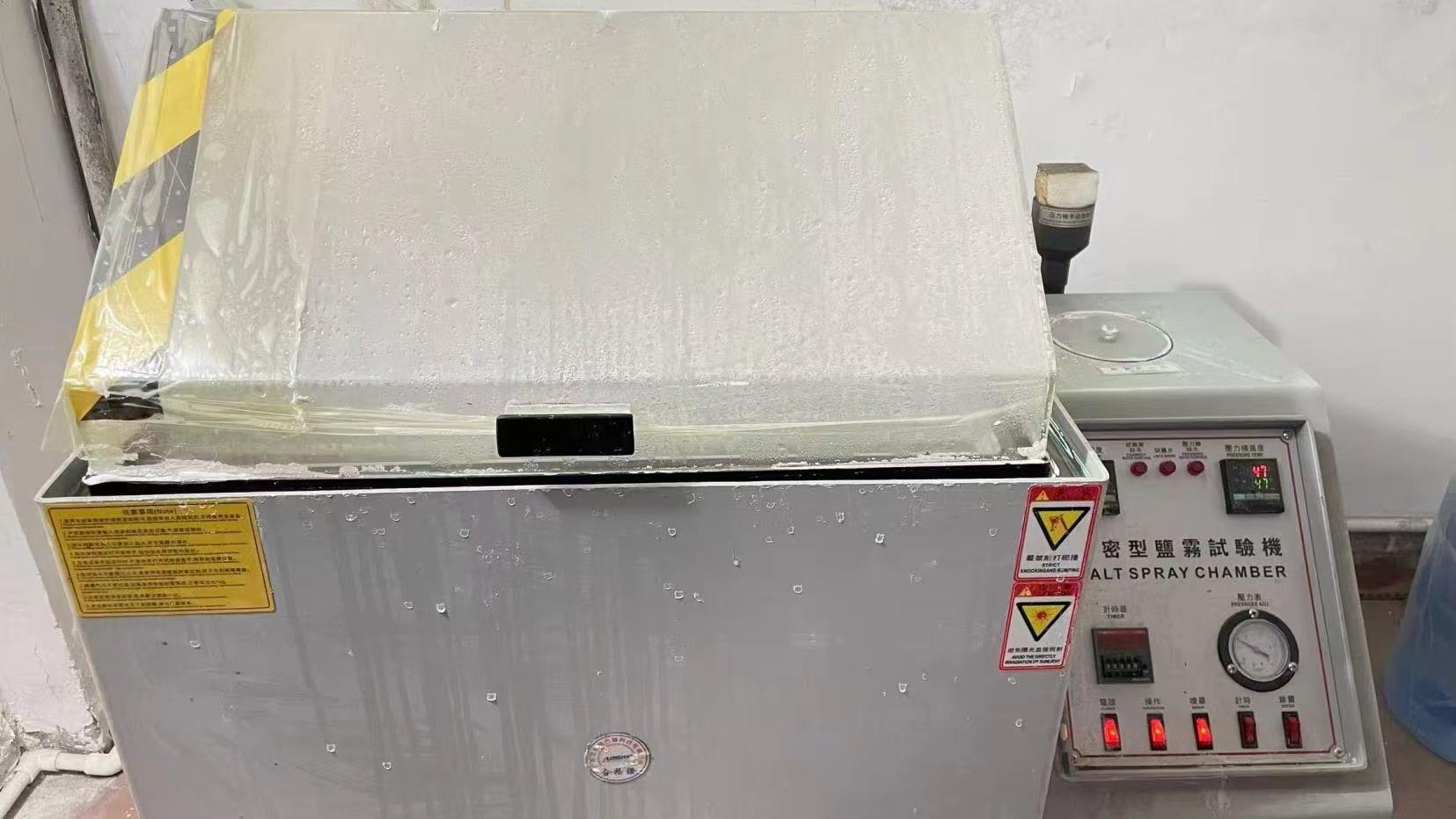
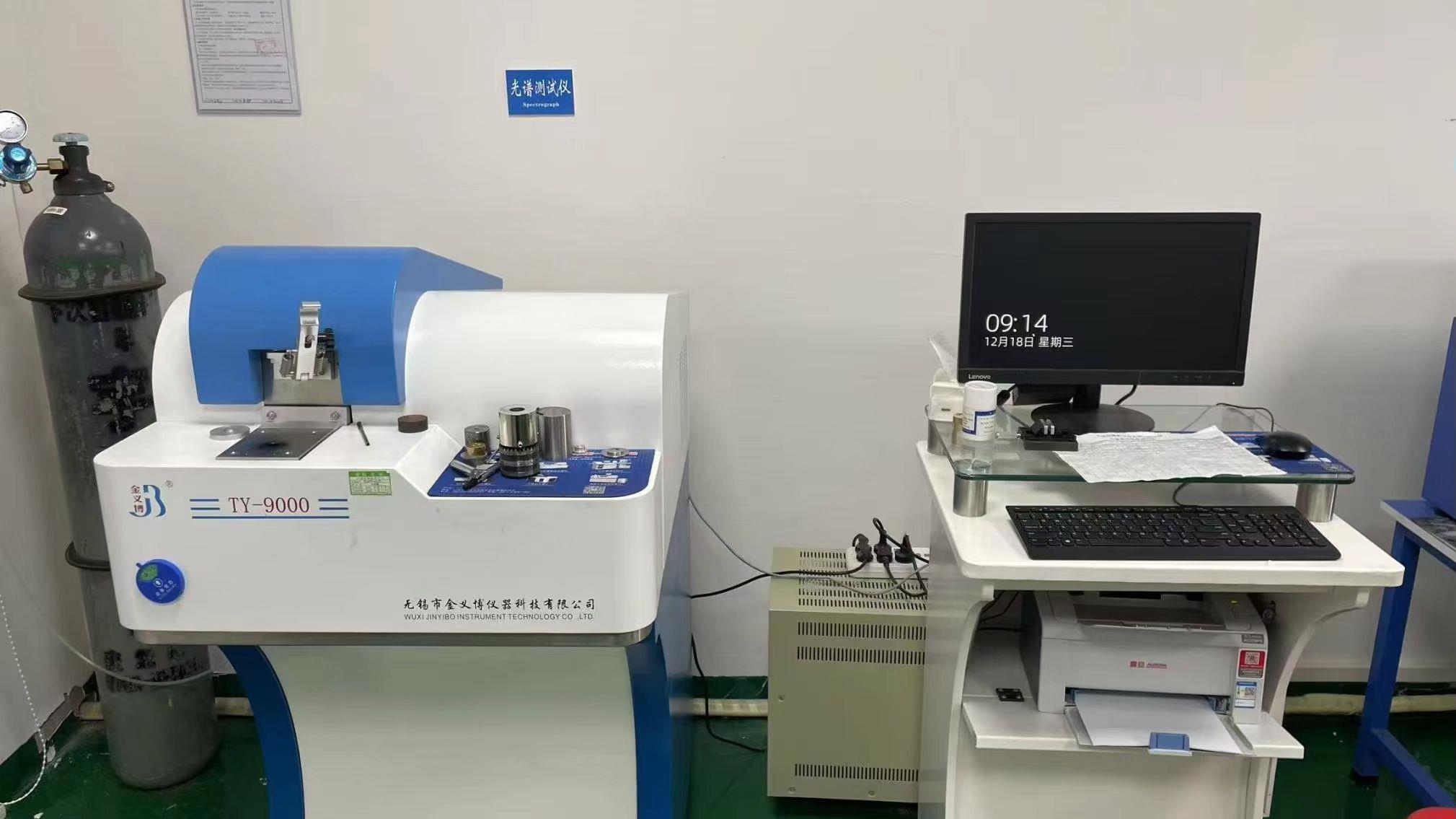
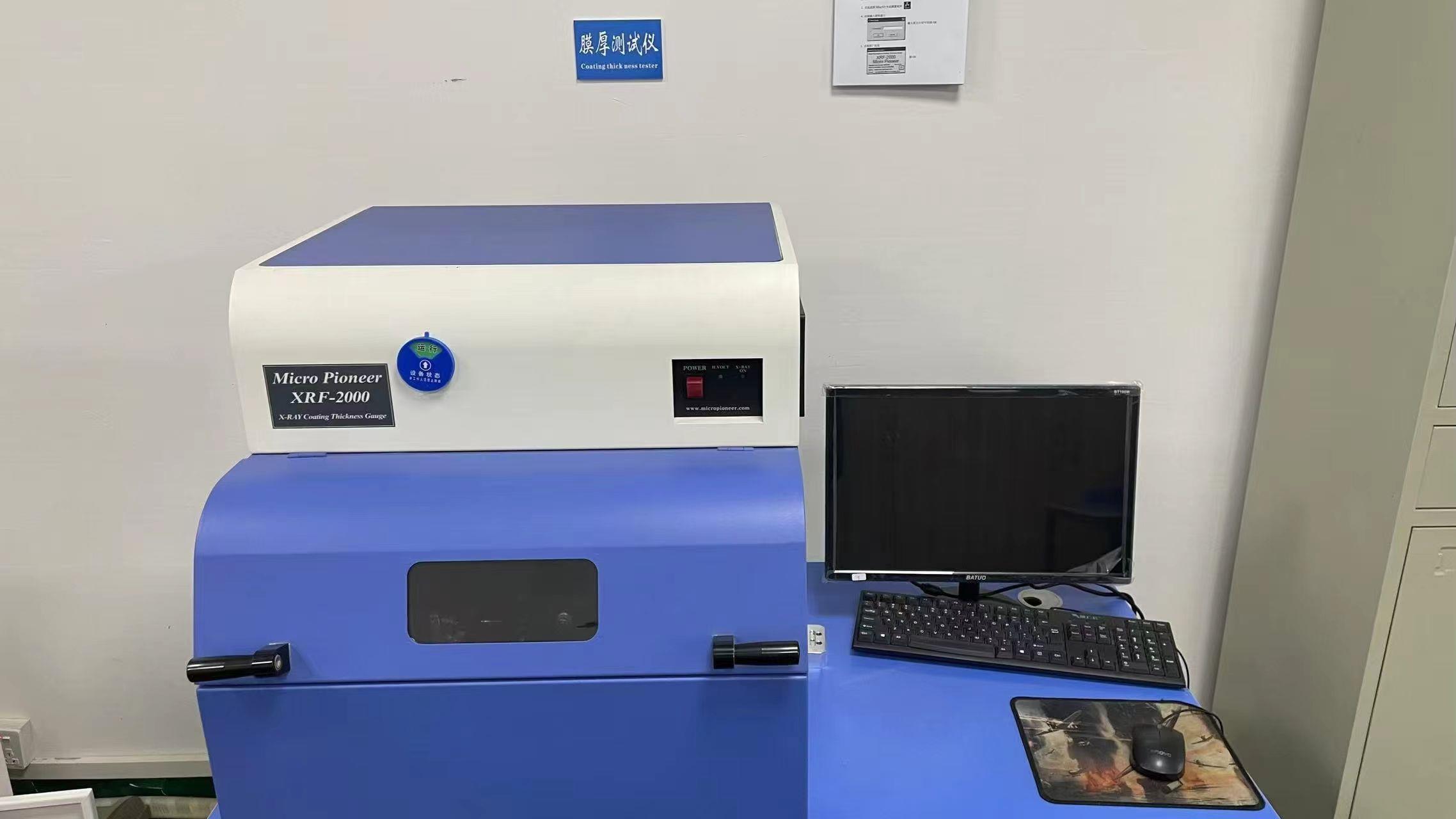
The performance of braking systems depends directly on material chemistry under friction conditions. As a leading manufacturer, Zizel addresses these needs through systematic research and development, utilizing state-of-the-art laboratory testing equipment shown above.
Standard grey cast iron rotors often crack under thermal cycling. Zizel’s premium high-carbon brake discs (such as those for the Tesla Model 3p) contain a high percentage of carbon and silicon, enhancing thermal conductivity and heat dissipation. The lamellar graphite structure acts as a natural dampener, minimizing harmonic vibrations to eliminate brake squeal. Using a Direct Reading Spectrograph and Metallurgical Microscope, our technicians verify graphite flake distribution to ensure balanced tensile strength and thermal dispersion.
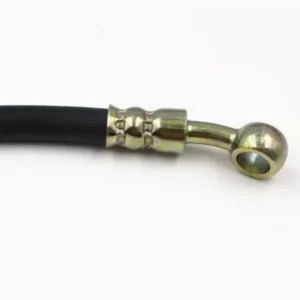
Hydraulic fluid systems operate under immense pressure (often exceeding 1,500 PSI). To prevent hose expansion (which results in a spongy brake pedal feel), our hydraulic hoses feature premium EPDM (Ethylene Propylene Diene Monomer) inner tubes wrapped in braided synthetic fibers. EPDM is selected for its high resistance to heat, ozone, and glycol-based DOT fluids. The durability of these elastomers is checked using our Ultraviolet Accelerated Weathering Tester, which simulates years of exposure to environmental stressors.
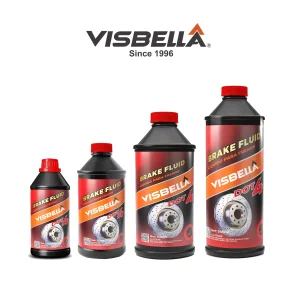
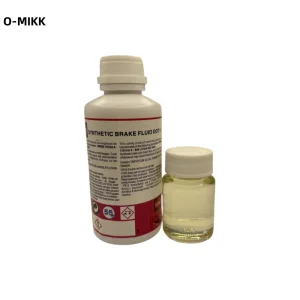
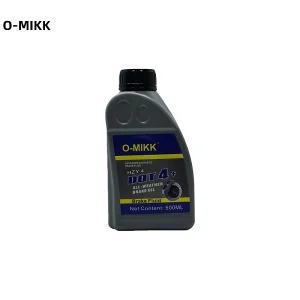
Brake fluid is highly hygroscopic (moisture-absorbing). Over time, absorbed water lowers the fluid's boiling point, leading to vapor lock during sustained heavy braking. Zizel formulations utilize premium polyglycol ethers and borate esters. This chemical structure provides higher wet and dry boiling points (exceeding 260°C dry and 165°C wet), ensuring dependable hydraulic pressure transmission under high operating temperatures.
The rise of Electric Vehicles (EVs) is transforming traditional braking systems. While regenerative braking handles most deceleration, the friction brake system remains essential for emergency stops, holding stops, and low-speed control. This transition introduces new engineering requirements:
Our long-term R&D roadmap focuses on developing lighter alloys, high-performance eco-friendly friction formulas, and advanced sensors to support future autonomous vehicle platforms.
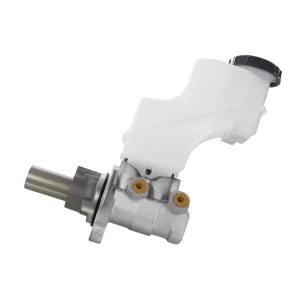
Explore our high-performance components, designed to meet strict manufacturing tolerances and deliver reliable stopping power.
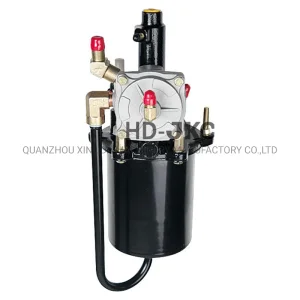
Expert answers to commonly asked technical questions regarding international standards, materials, and components.
 Zizel Auto