High-boiling point lubricants configured to withstand the heavy payloads and challenging terrains of the Democratic Republic of the Congo.
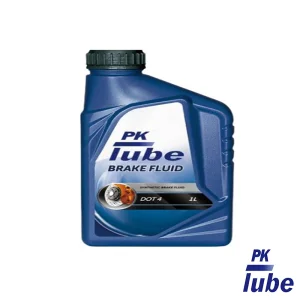
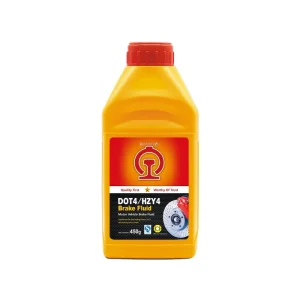
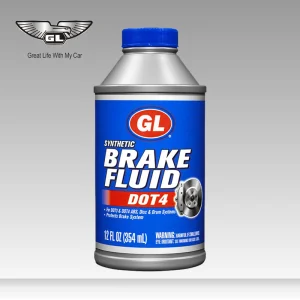
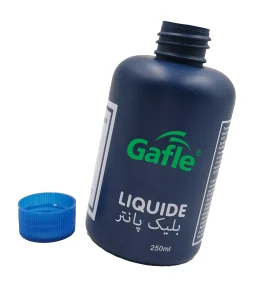
The Democratic Republic of the Congo (DR Congo) represents one of the most demanding operational environments in the world for heavy commercial, logistics, and mining machinery. In regions such as the Katanga Copperbelt, Kolwezi, and Lubumbashi, massive fleets of haulage trucks, excavators, and support vehicles operate non-stop. These operations run under extreme conditions: high ambient tropical temperatures, heavy dust loads, mountainous topography, and intensely humid climates. These factors collectively accelerate the degradation of critical automotive consumables, especially hydraulic braking systems.
For fleet procurement managers, sourcing reliable brake fluids from experienced exporters is a critical operations-safety requirement. Standard glycol-ether-based formulations degrade rapidly in high-humidity zones due to their inherent hygroscopic nature (absorbing moisture from the air). When moisture enters the brake line, the boiling point of the fluid drops drastically, leading to vapor lock—a catastrophic failure where the brake pedal goes soft and brakes fail completely. Given the high elevation drops in regions like the Kivu highlands and the massive payloads carried by mining transport corridors to international ports, using high-boiling-point synthetic DOT 3 and DOT 4 lubricants is non-negotiable.
As brake fluid absorbs ambient moisture, its boiling point drops from its "dry" value (typically above 230°C for DOT 4) to its "wet" boiling point (which can fall below 155°C). In steep descent zones or heavy traffic in Kinshasa, friction heats the braking mechanism past these critical limits. The moisture turns to compressible steam, preventing hydraulic pressure from reaching the brake pads. High-quality formulation and strict manufacturing control are the only preventative measures against this structural risk.
Industrial procurement in the DR Congo has transitioned from transactional spot-purchasing to strategic, long-term supply agreements. Major corporate buyers look for certified manufacturers capable of exporting bulk orders under OEM standards. The demand profiles are split into two major segments:
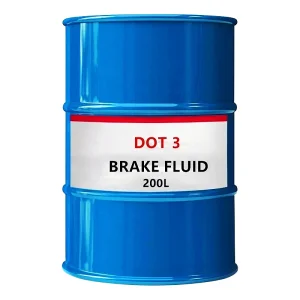
Requiring high-spec DOT 4 and DOT 5.1 synthetic fluids packed in robust 200L steel drums to service heavy dump trucks and hydraulic excavation units in remote regions.
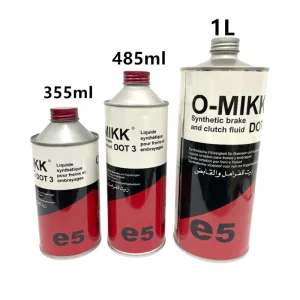
High demand for retail-ready sizes (250ml, 354ml, 500ml, 1L bottles) targeting passenger cars, public transport mini-buses, and logistics trucks operating in urban hubs like Kinshasa and Lubumbashi.
Strict verification of product chemistry, viscosity parameters, boiling thresholds, and adherence to international guidelines such as SAE J1703, SAE J1704, and FMVSS 116.
In response to these demands, international exporters must implement optimized logistics and localized product features. This includes high-barrier packaging to prevent atmospheric water infiltration during transit and sea shipment through regional ports such as Matadi (DR Congo) or East African ports like Dar es Salaam and Mombasa, followed by secure inland trucking routes.
Strategic export operations backed by state-of-the-art Chinese manufacturing and international quality standards.
We leverage advanced automotive engineering processes based in Yuhuan, Zhejiang—the manufacturing heart of China. Yuhuan Zizel Auto Co., Ltd. specializes in designing, producing, and distributing premium vehicle systems, hydraulic lines, caliper pistons, and heavy-duty braking consumables. Our export-grade brake fluids are designed to ensure safety and reliable pressure transmission under high heat, providing critical technical solutions for the growing Central African automotive market.
Strategically located in Yuhuan, one of China's premier automotive components manufacturing hubs in Zhejiang Province, Yuhuan Zizel Auto Co., Ltd. is a leading manufacturer specializing in high-performance braking system components and related chemical consumables. Our facility integrates R&D, advanced material selection, precision machining, and strict quality control.
Our structural capabilities extend beyond fluid chemistry; we manufacture critical heavy-duty hardware including disc brake and drum brake pistons, guide bolts, springs, rubber seals, and high-strength wheel axle fasteners. This comprehensive understanding of the complete mechanical-fluid interface allows us to formulate synthetic brake fluids that preserve rubber seals and prevent system leaks, guaranteeing long-term braking system integrity under rough road conditions.
Our operations comply with ISO 9001:2015 and IATF 16949:2016 quality management systems. This ensures that every drop of brake fluid and every machined component exported to the DR Congo market meets strict international safety standards.
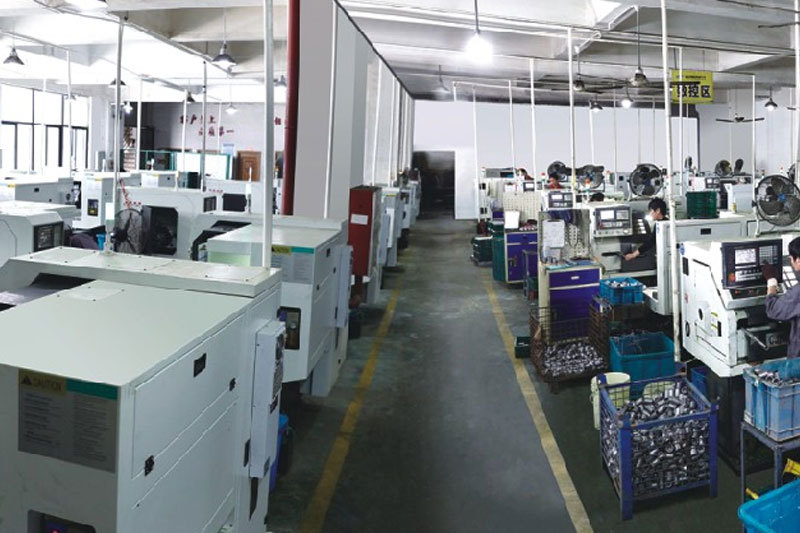
Every stage of production is strictly managed, from selecting raw materials to using precision CNC machines and specialized packaging lines.
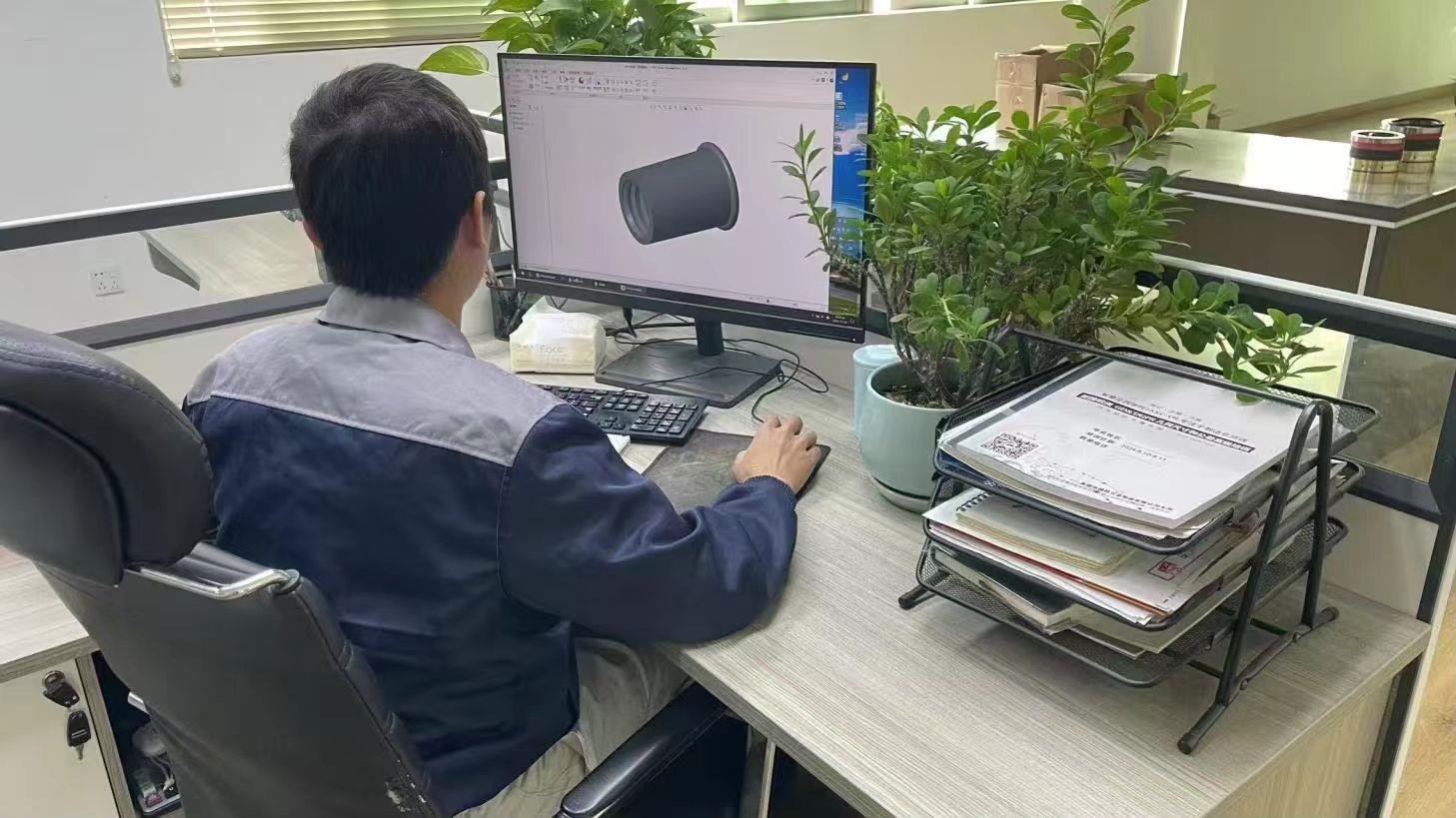
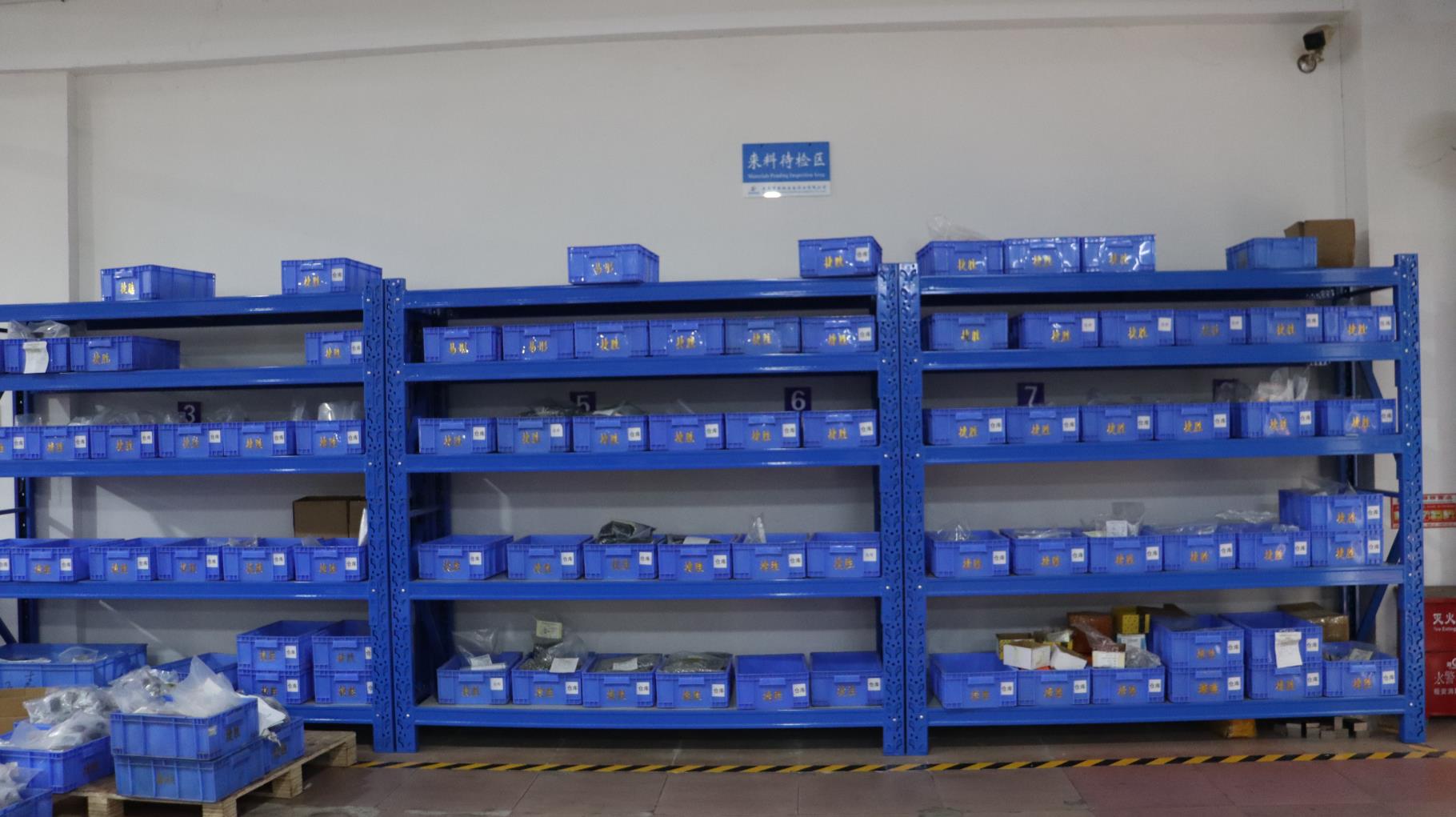
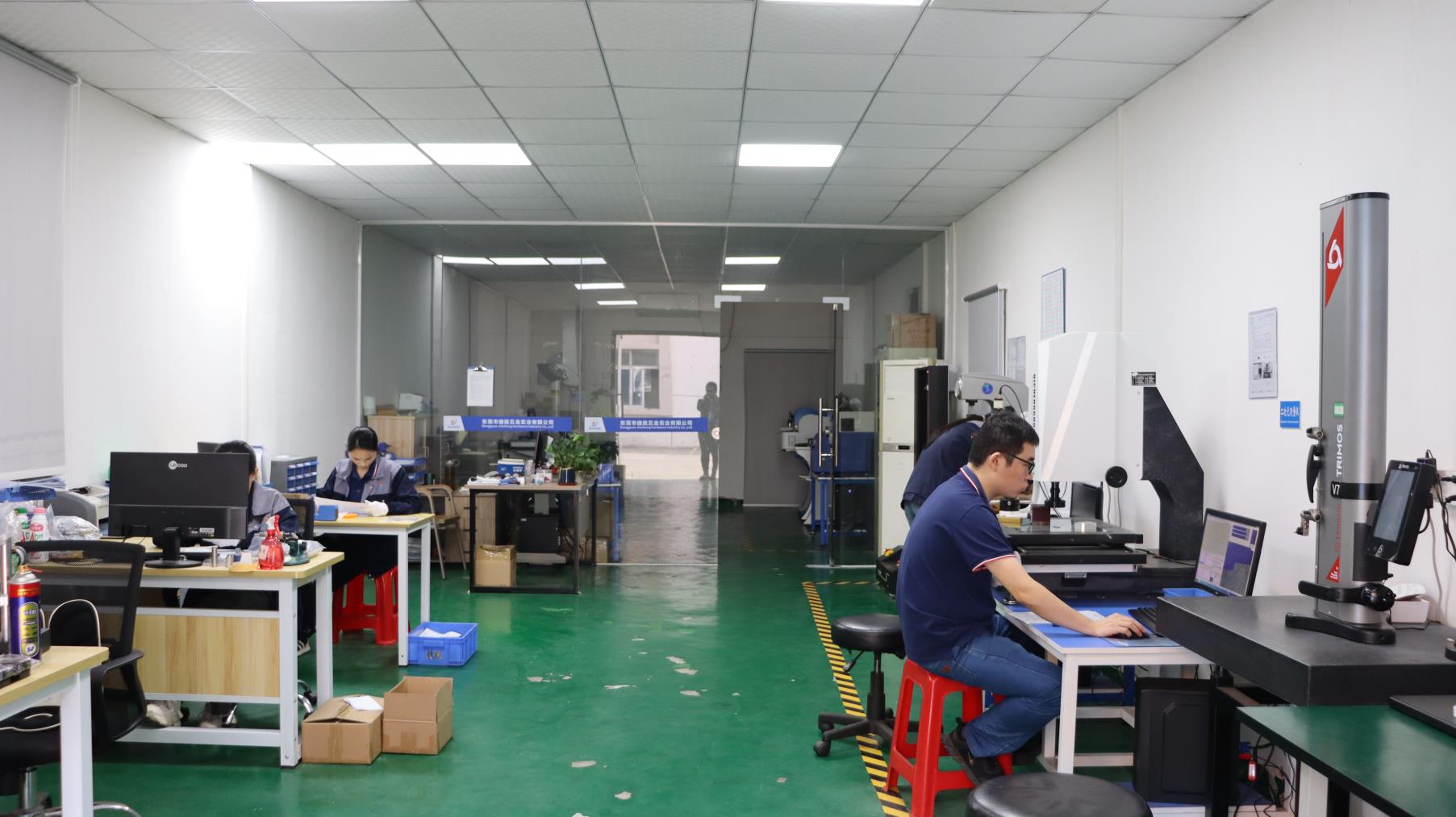
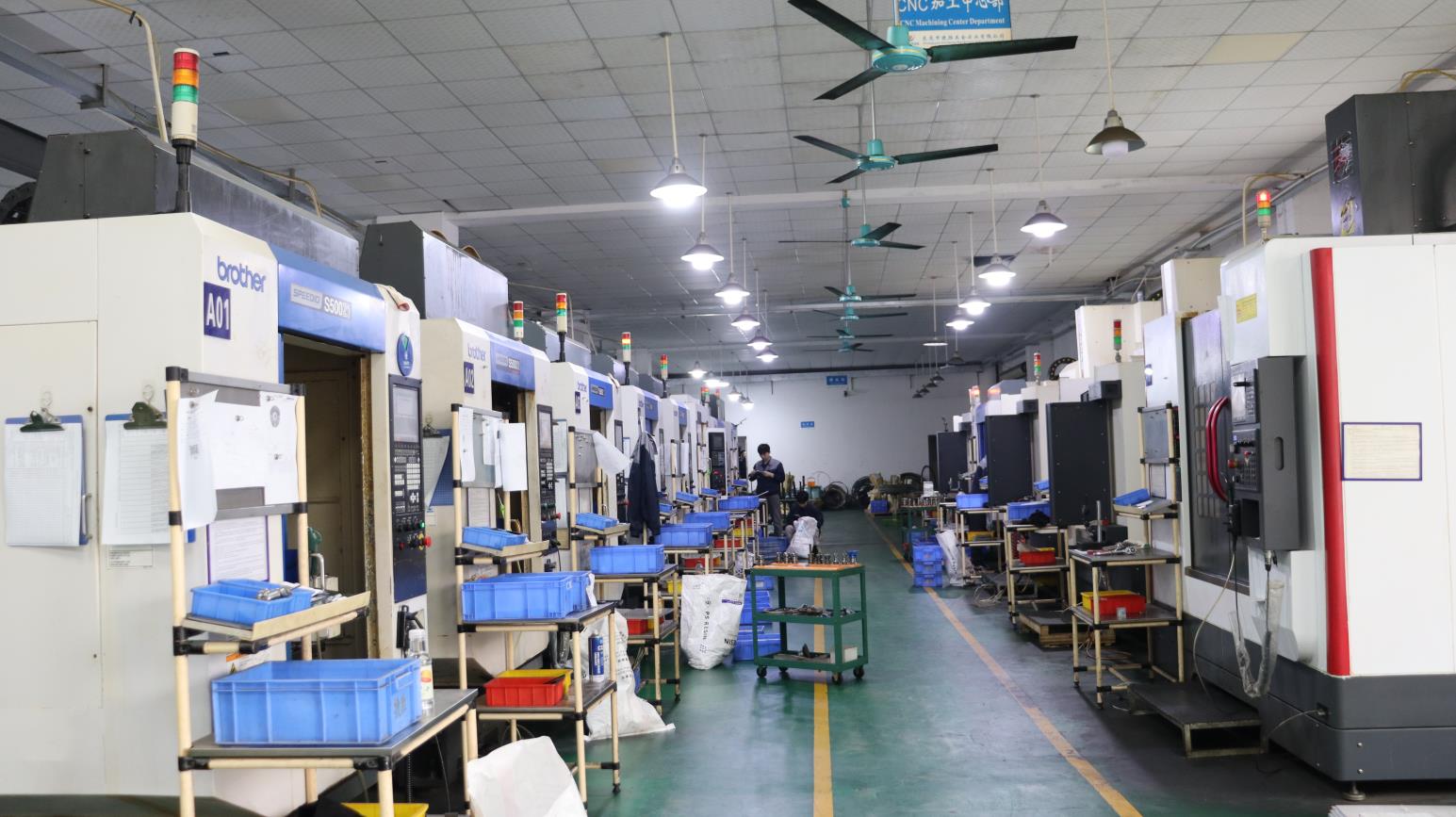
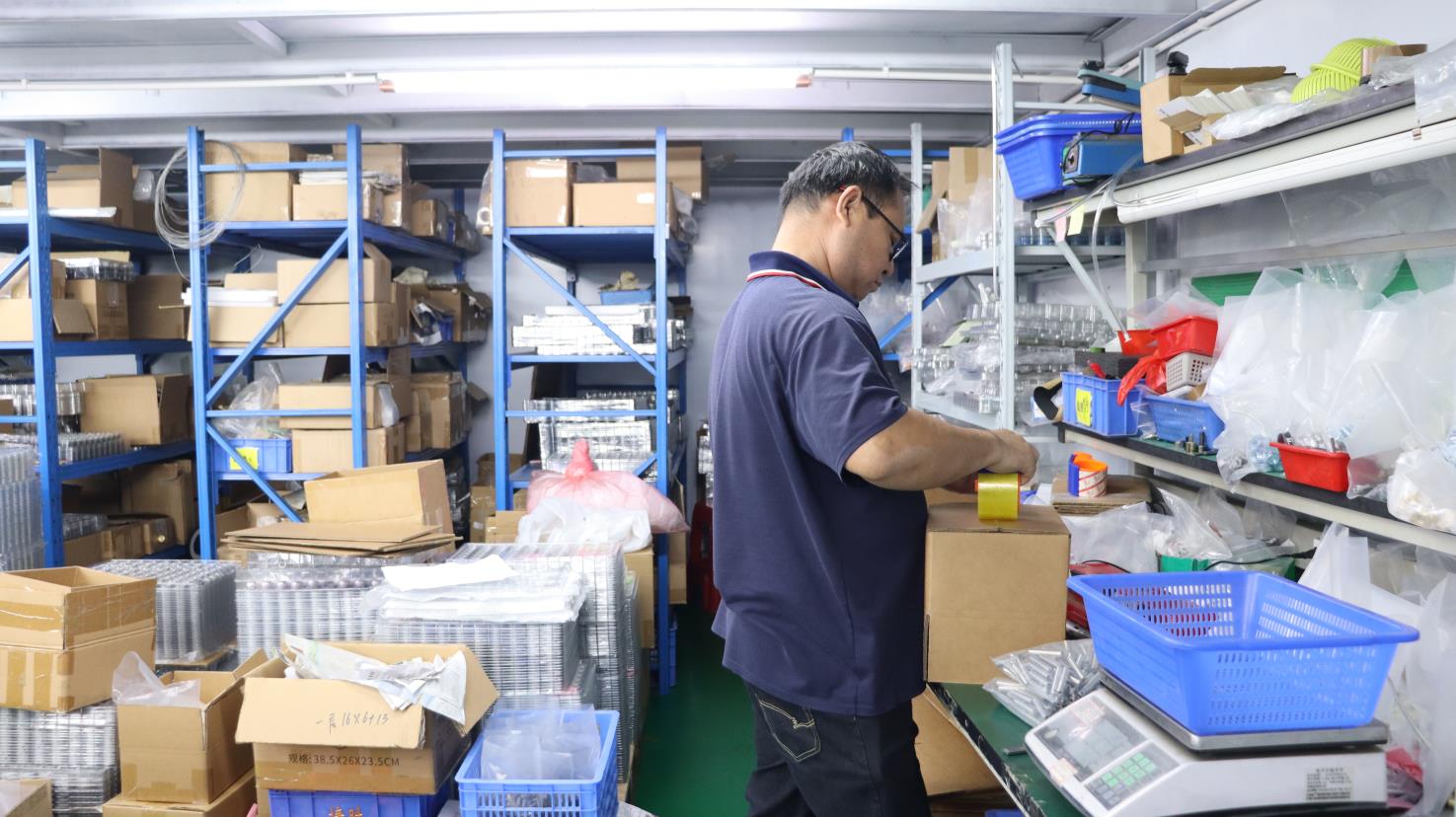
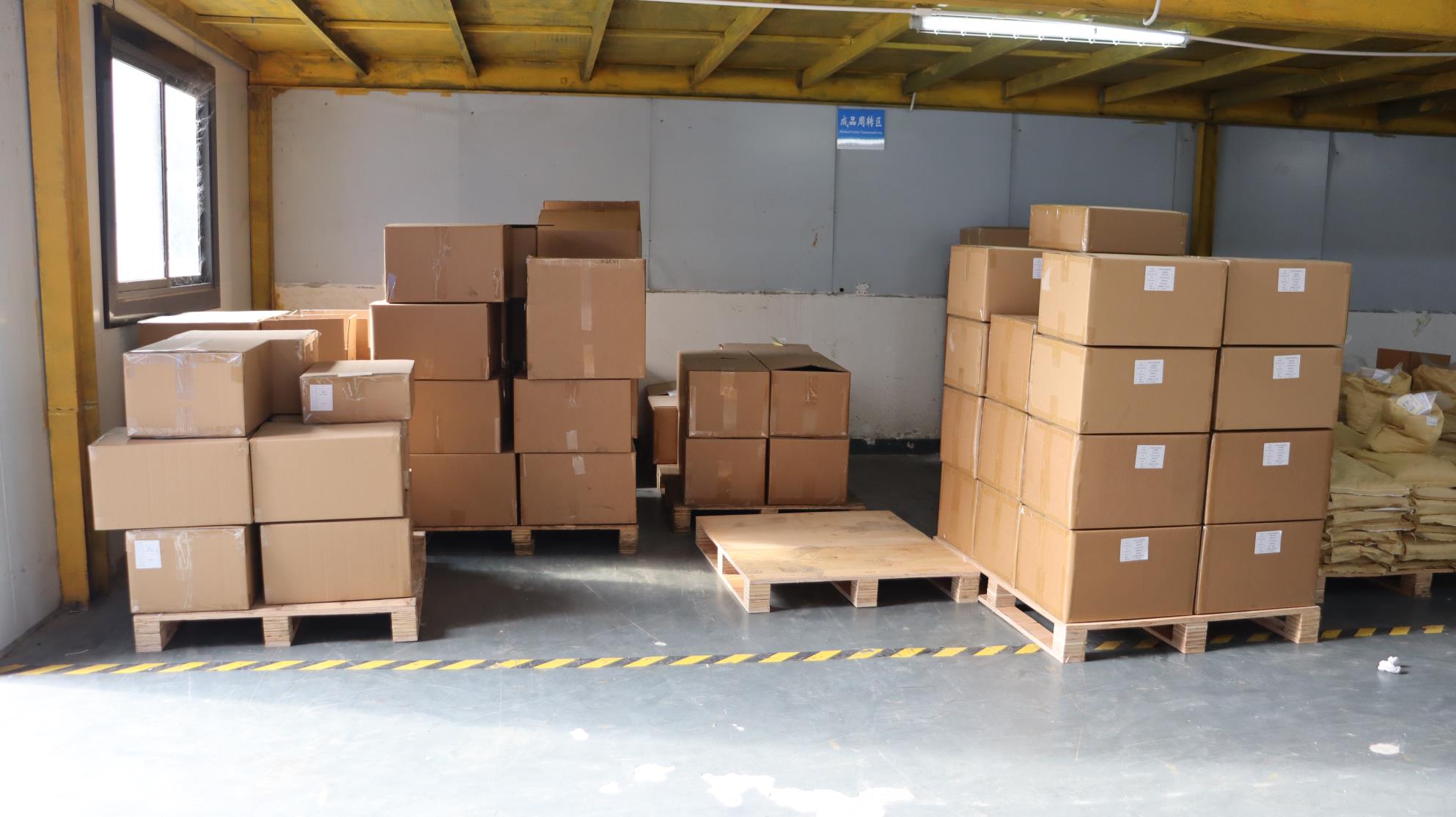
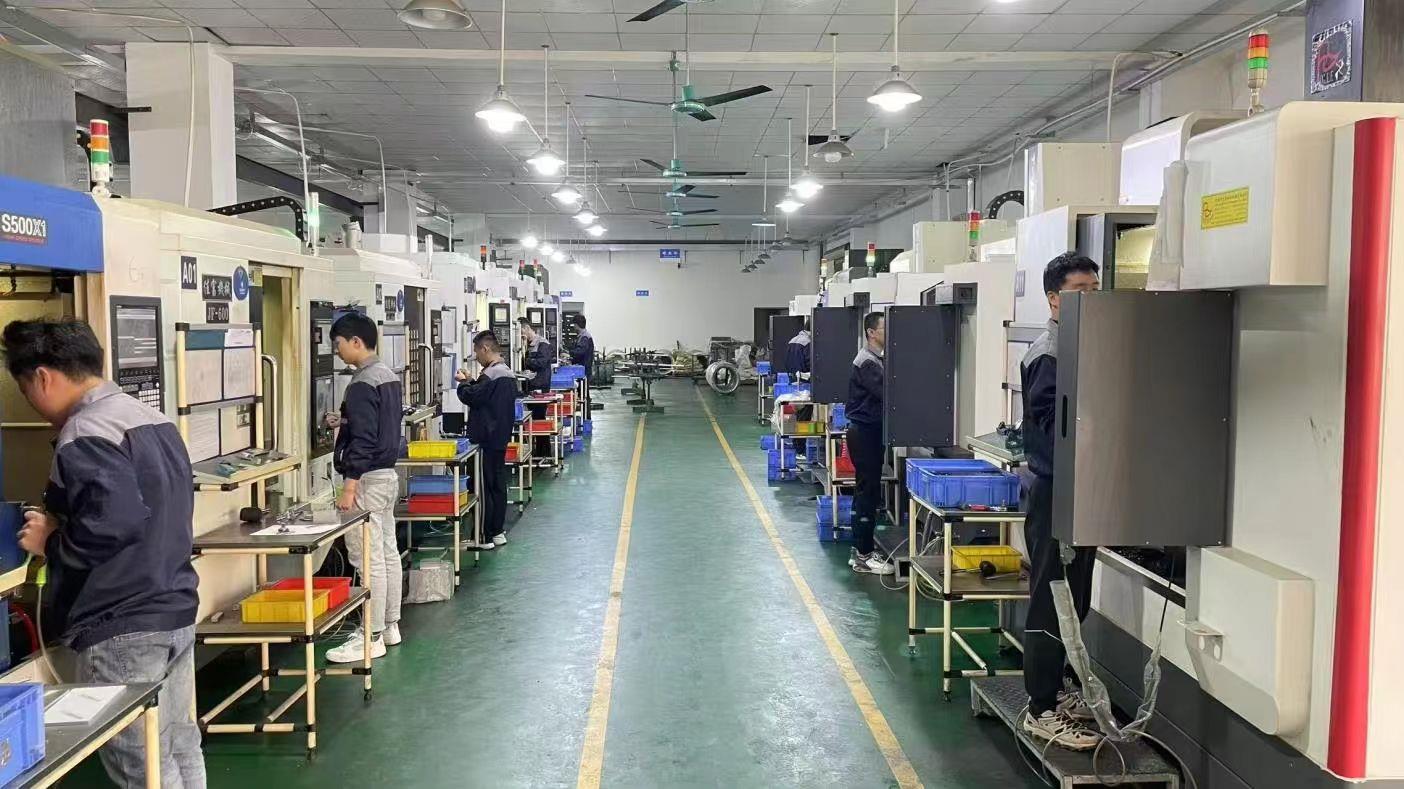
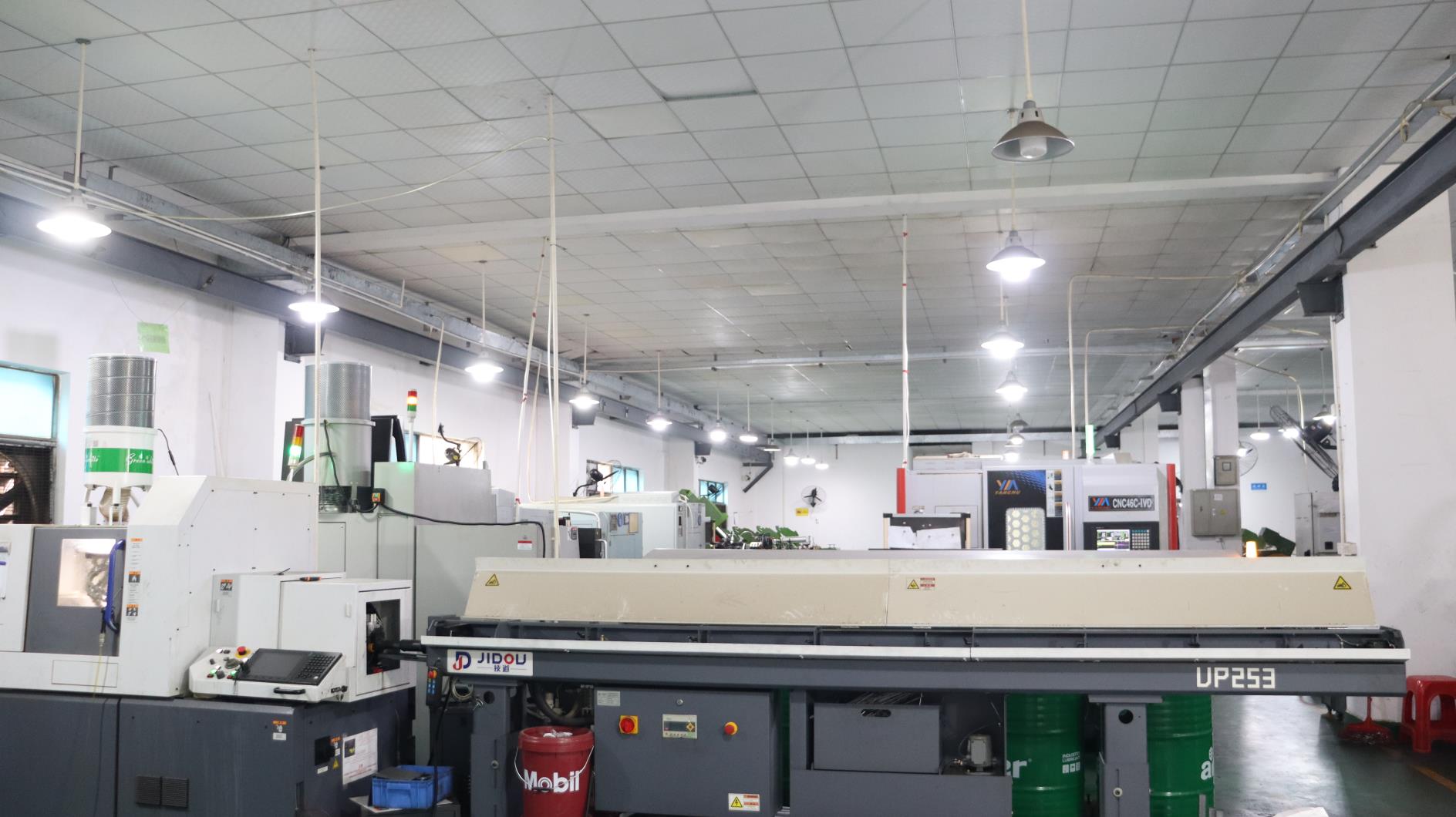
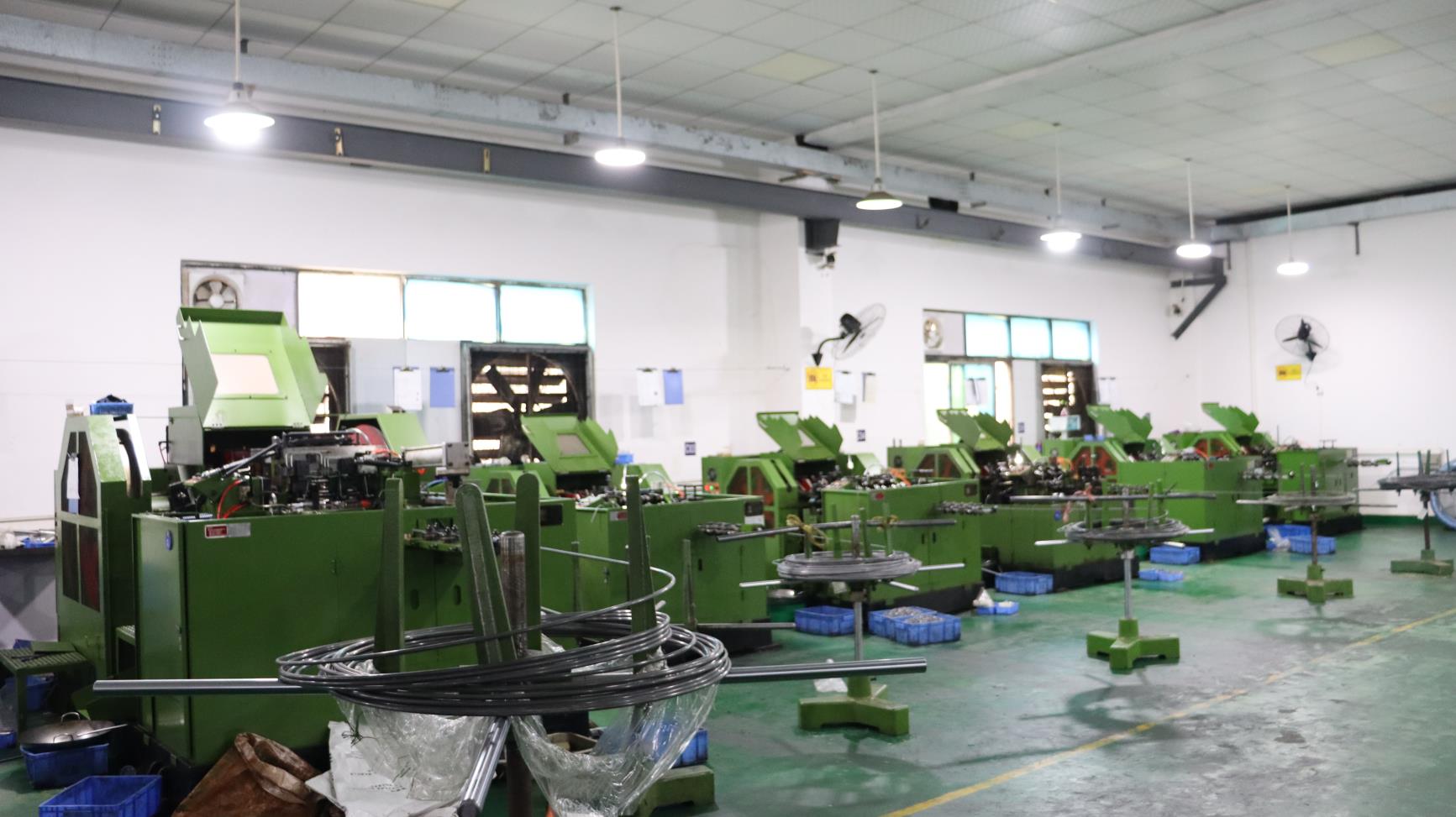
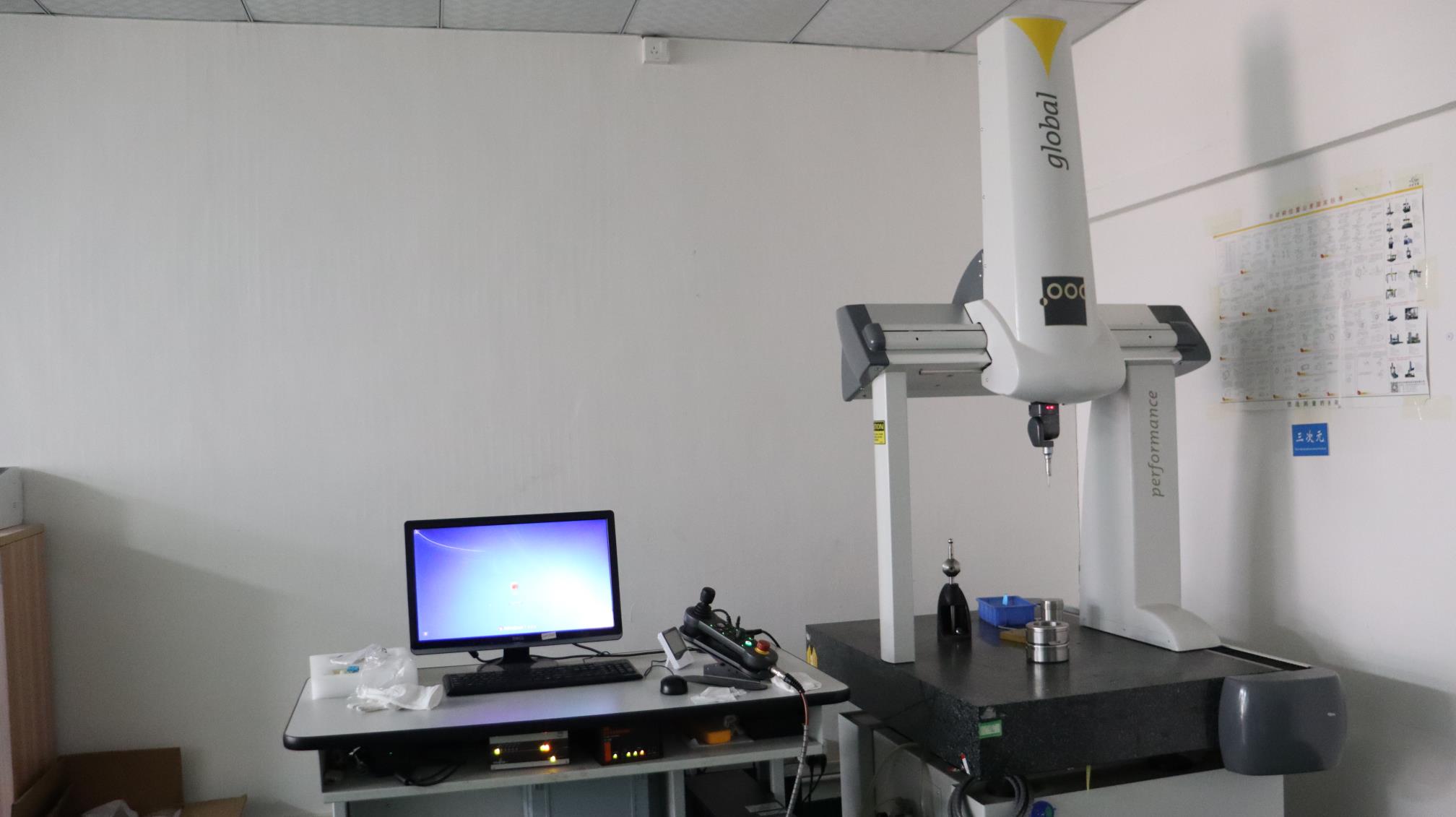
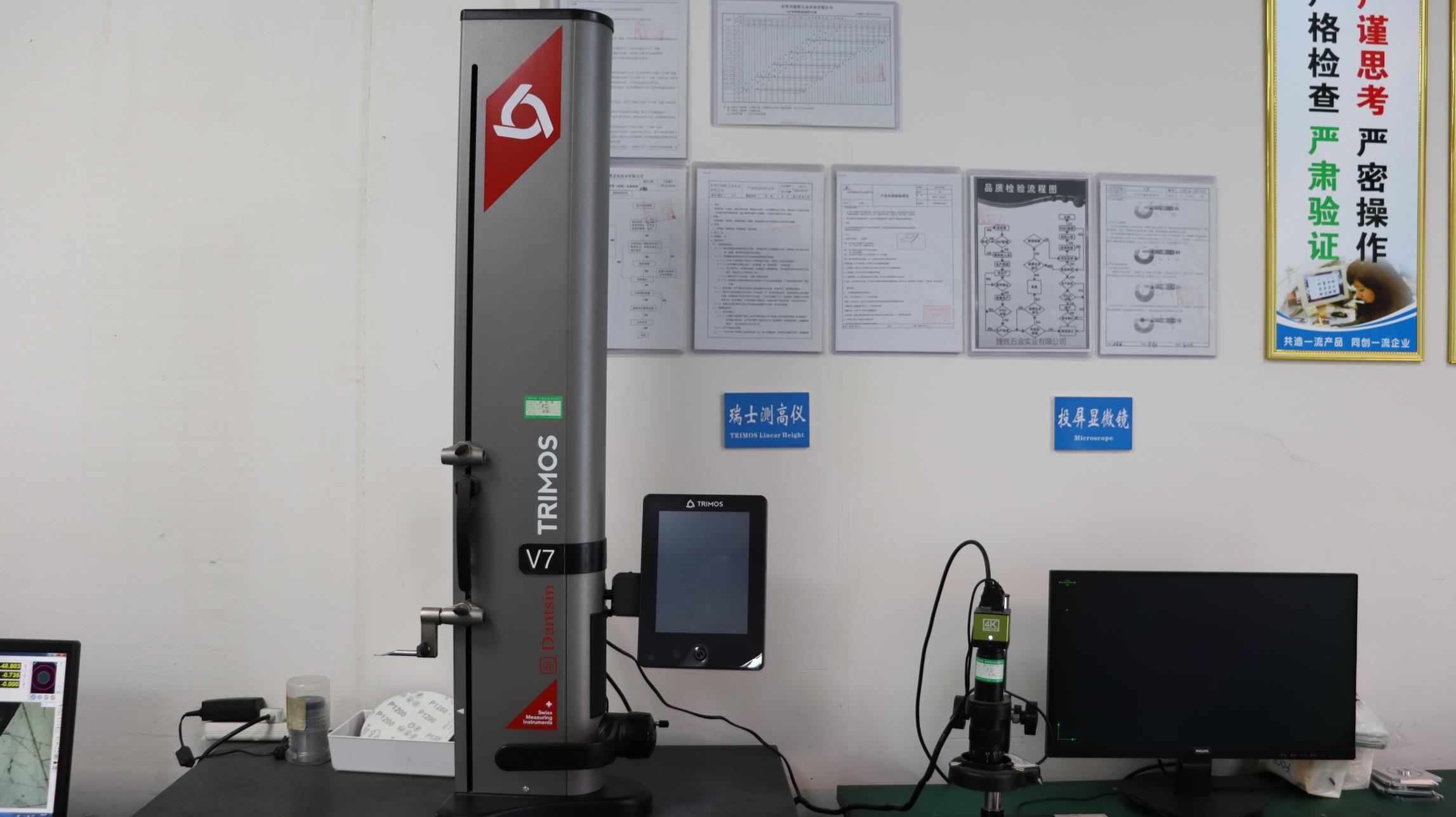
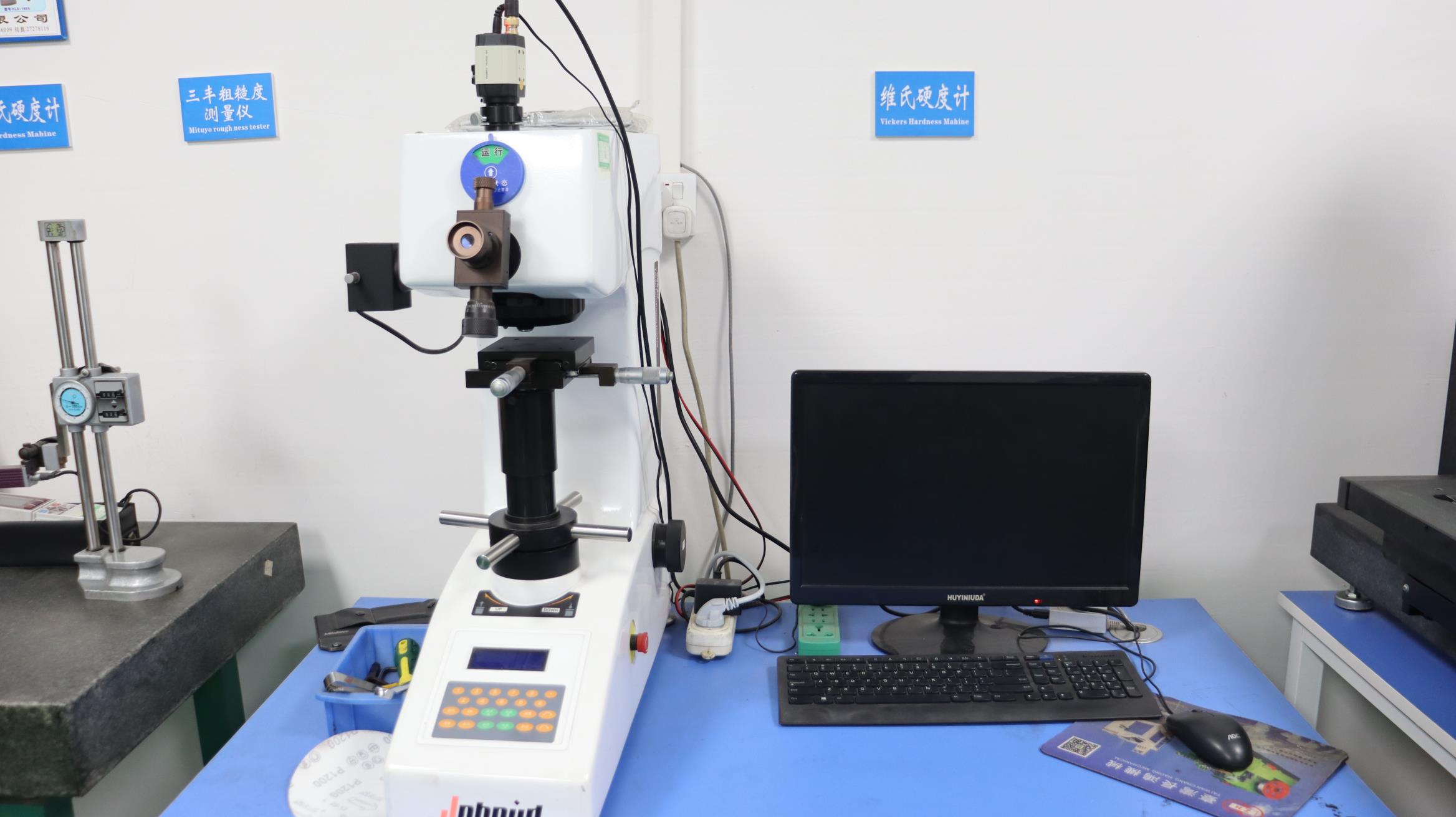
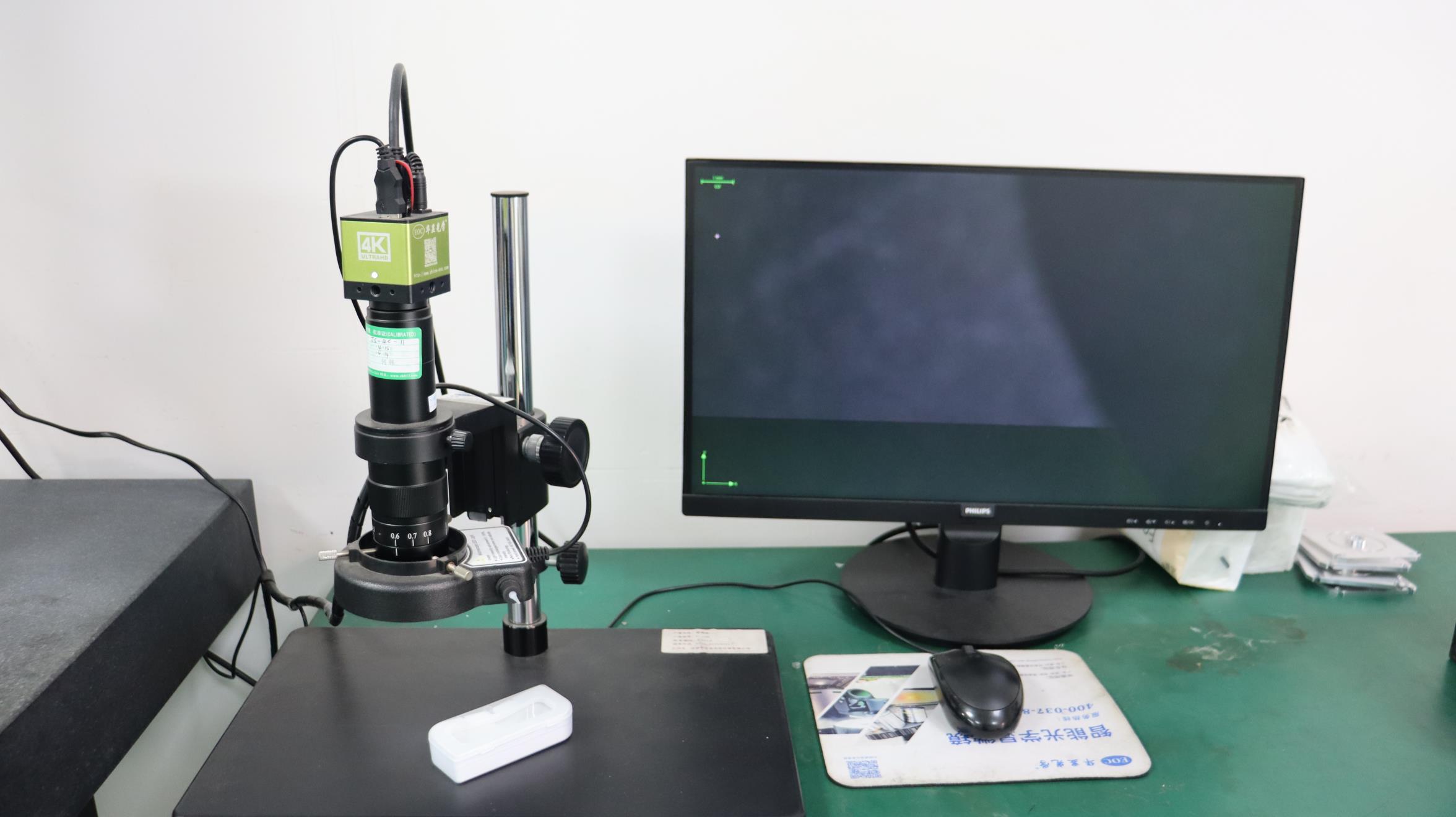
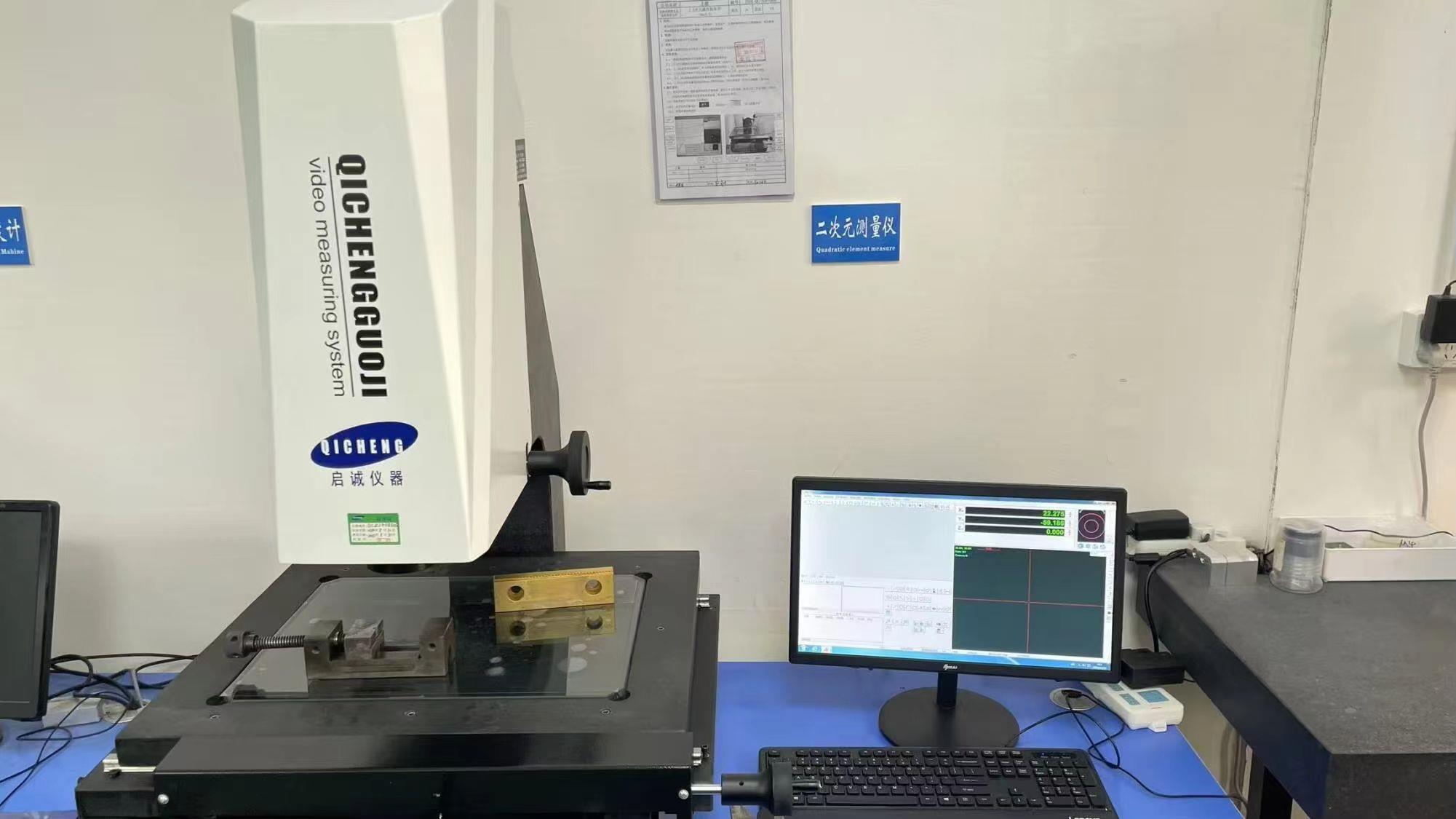
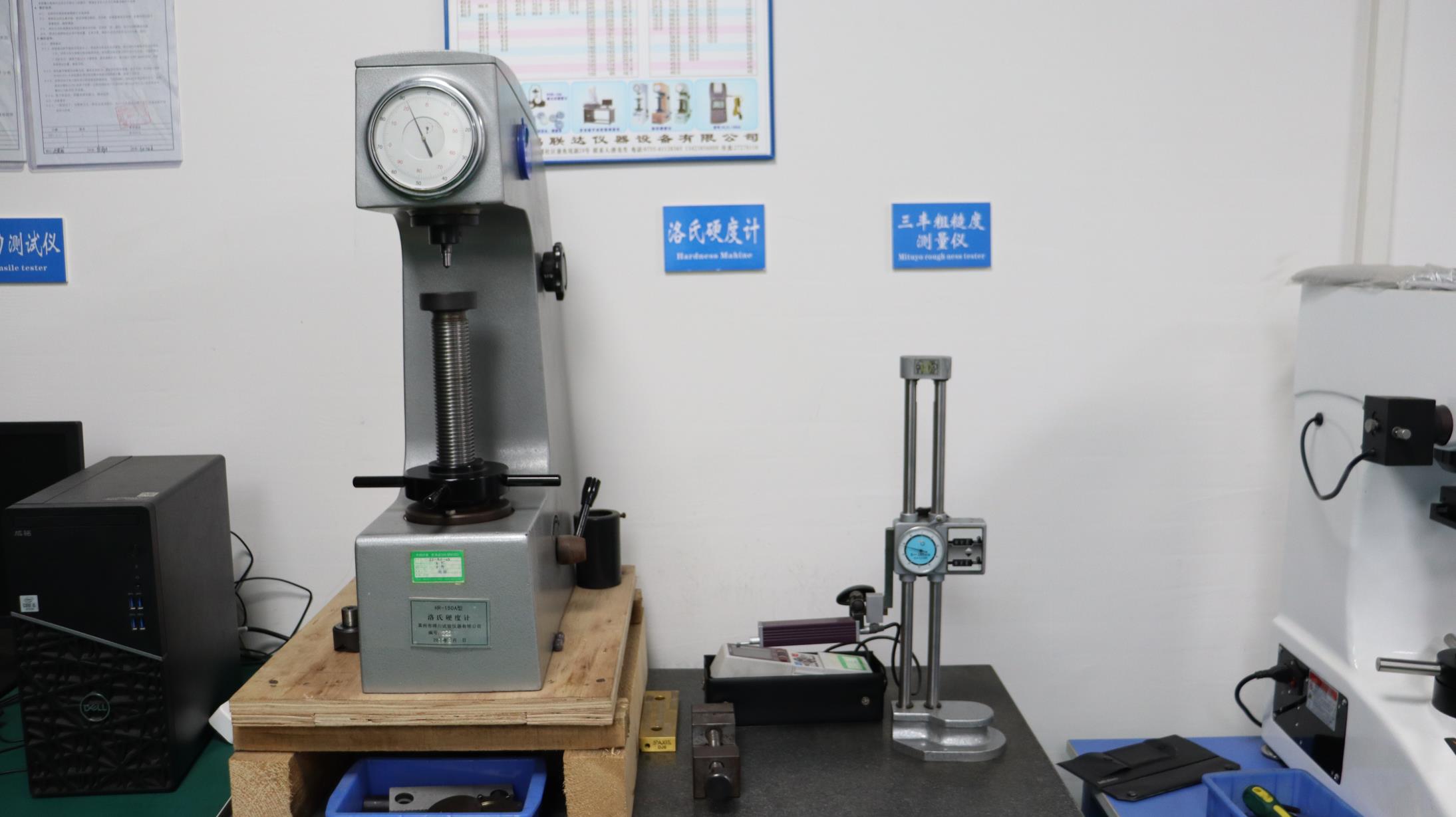
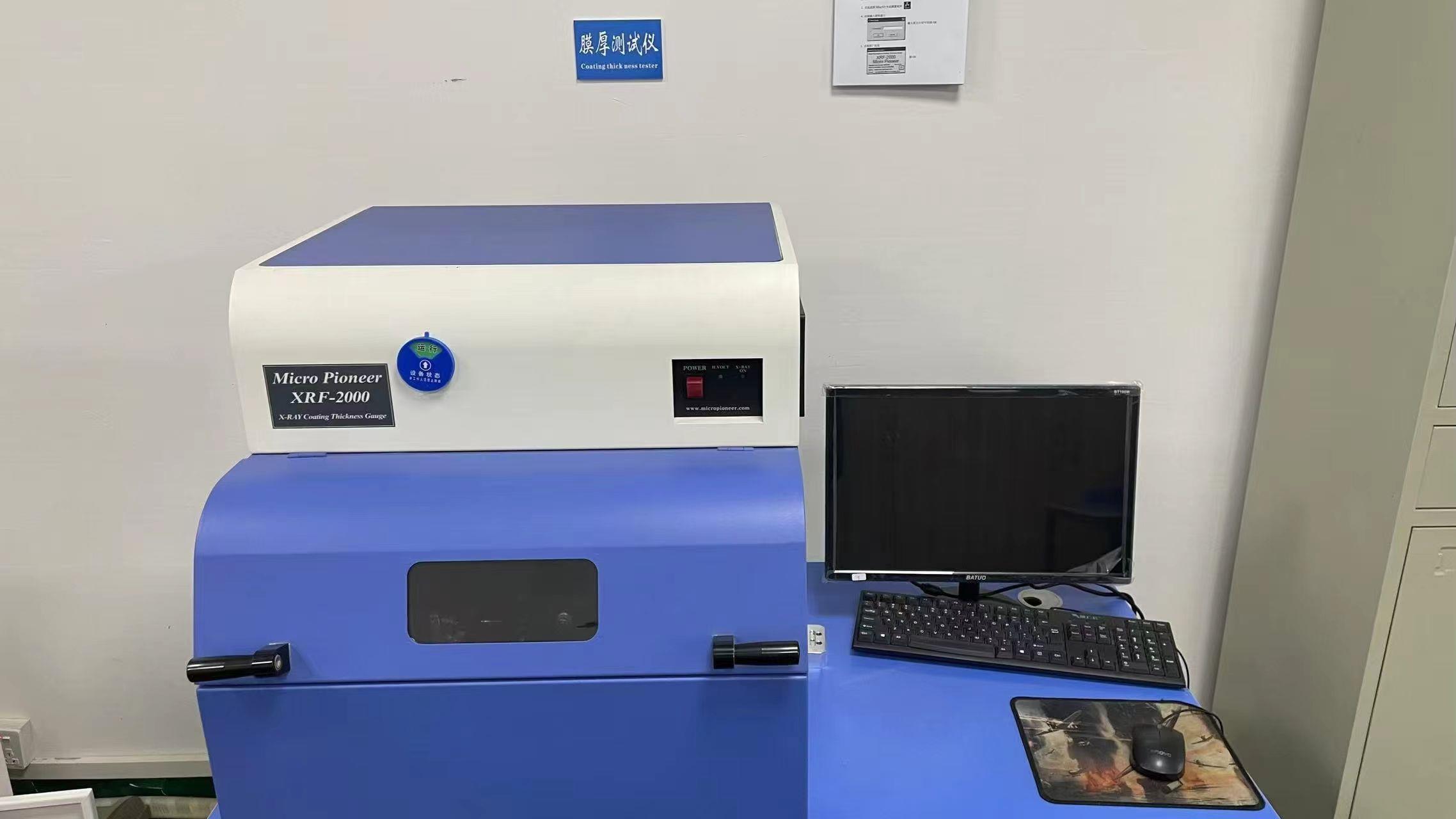
We maintain a state-of-the-art testing facility to verify material hardness, chemical concentrations, and environmental resilience.
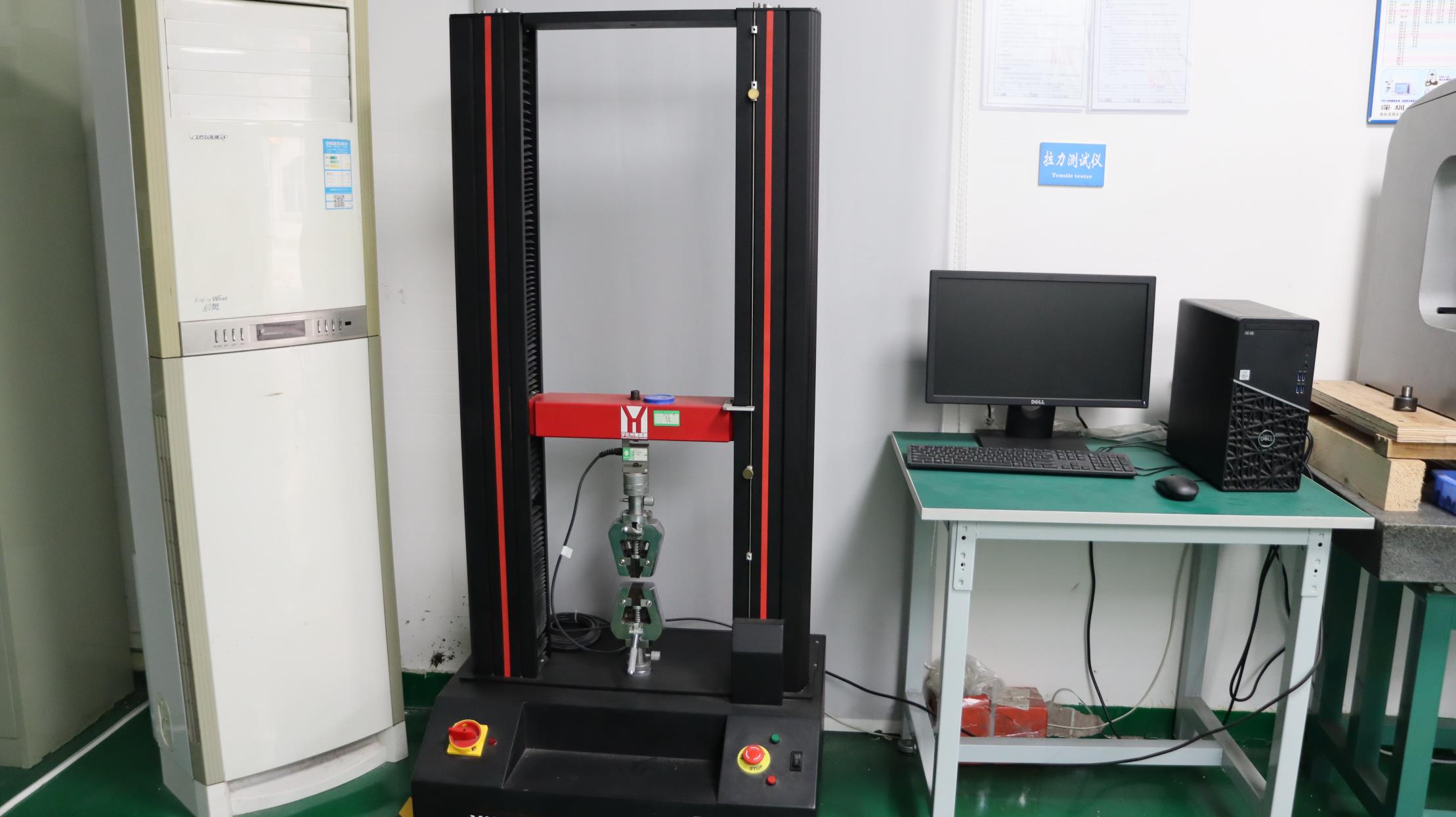
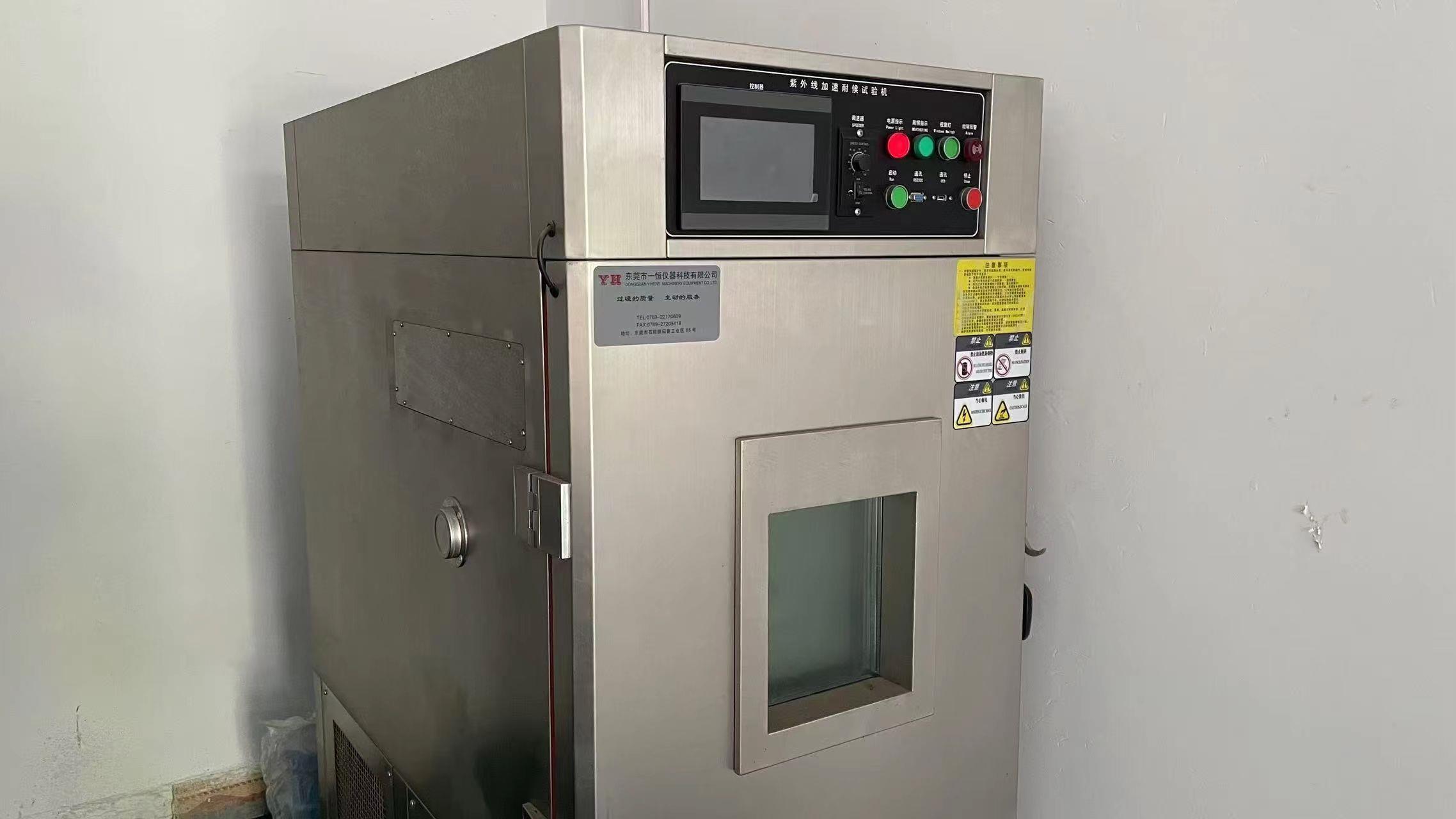
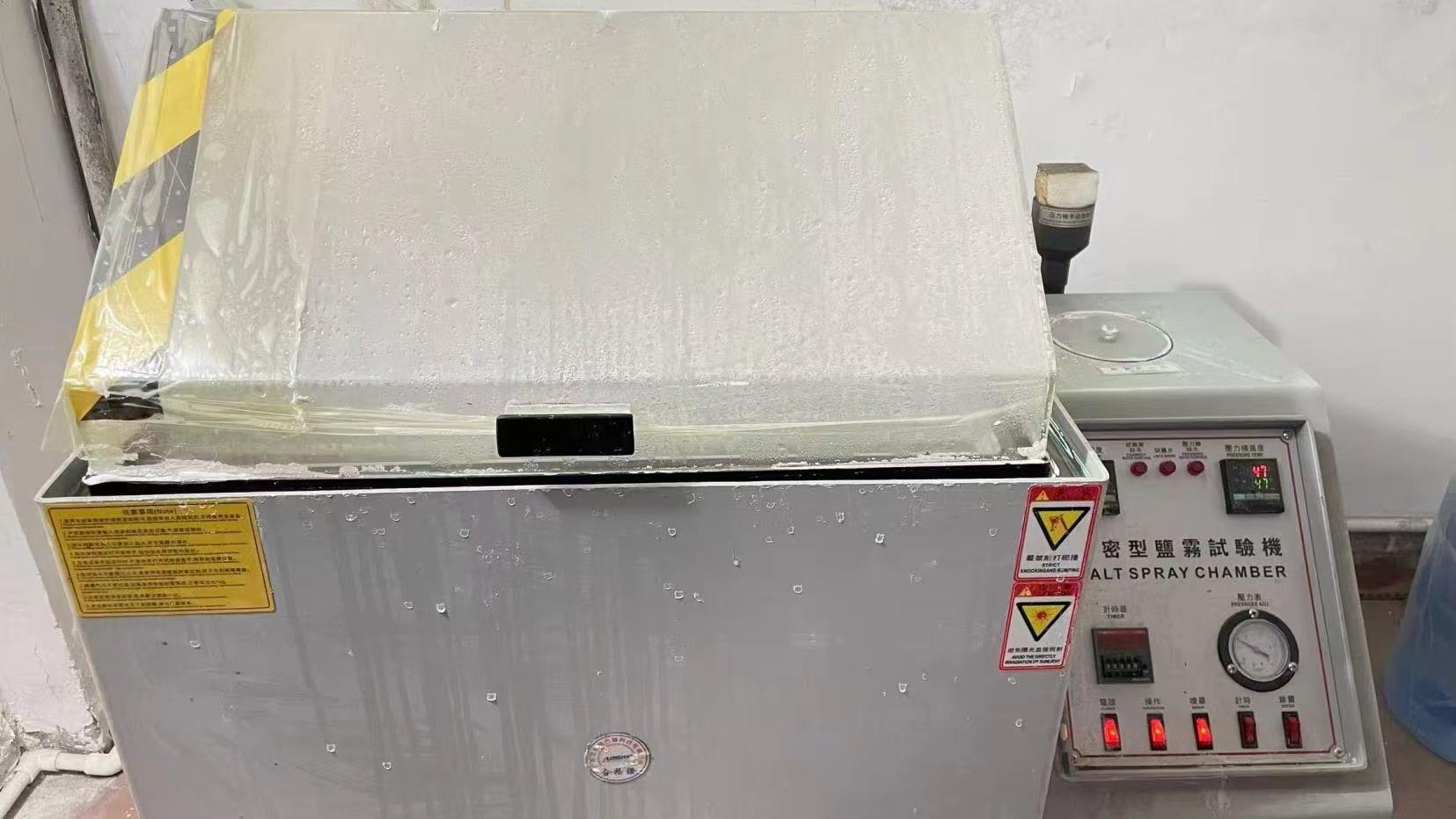
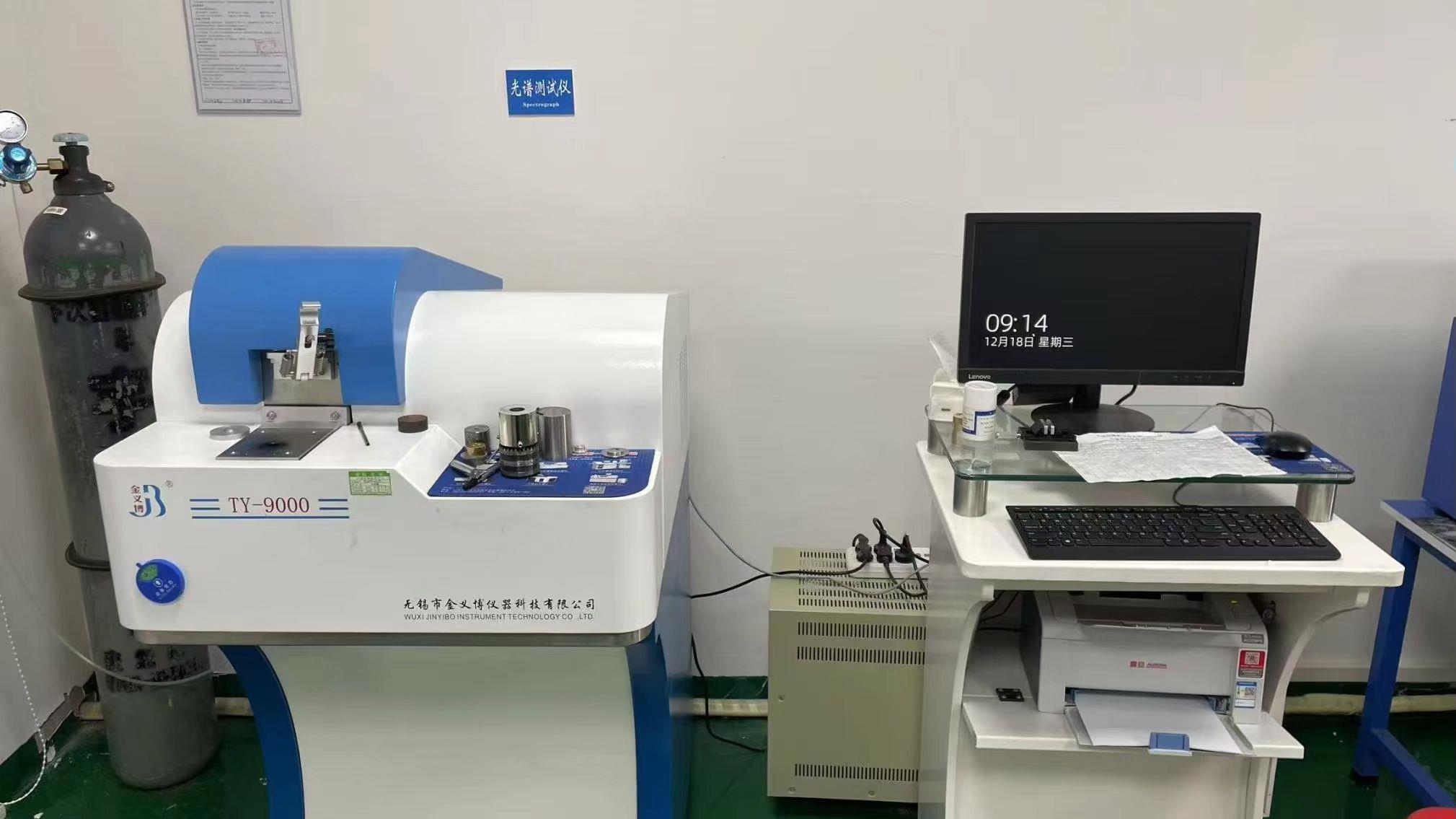
Brake fluid is the hydraulic medium that transfers force into braking pressure, converting kinetic energy into thermal energy. Under industrial conditions in the DR Congo, the chemical composition of the brake fluid determines its performance and safety profile.
Our standard export fluid products rely on high-purity glycol-ether bases blended with dynamic borate esters. This chemical structure increases both the dry and wet boiling points. Glycol ether serves as an effective lubricant, preventing wear on the internal metallic and rubber components of the braking system. The addition of borate esters helps neutralize moisture absorbed by the fluid over time, maintaining safety limits and reducing boiling point decay.
Our products are engineered to exceed international standard values, which is critical for industrial heavy-payload operations:
Tropical climates accelerate oxidation and rust in hydraulic lines. Our formulations contain active corrosion inhibitors that protect zinc, aluminum, cast iron, and copper piping from pitting. Furthermore, we test elastomer compatibility to ensure our fluids do not cause swelling, shrinking, or cracking of natural rubber, EPDM, or SBR cups. This prevents fluid leaks and maintains consistent hydraulic pressure.
The automotive industry is shifting toward electrification, hybrid technology, and advanced driver assistance systems (ADAS). As these technologies spread globally, including in developing logistics hubs across Africa, the requirements for hydraulic fluids are evolving:
Active safety systems like ABS and ESP rely on rapid, high-frequency pressure adjustments. Traditional high-viscosity brake fluids react too slowly in cold or highly dynamic conditions. Our technical roadmap focuses on expanding the availability of low-viscosity DOT 4 (Class 6) and DOT 5.1 formulations. These fluids maintain an optimal viscosity profile across a temperature range of -40°C to +100°C, ensuring rapid braking response times.
Environmental compatibility is an important factor in our ongoing R&D. We are researching bio-based synthetic bases that offer high thermal stability while improving biodegradeability. This helps mining and industrial enterprises reduce their environmental impact in sensitive ecological zones across the Congo Basin.
Electric and hybrid vehicles use regenerative braking systems. This alters the thermal load on the friction brakes compared to traditional internal combustion engine (ICE) vehicles. The mechanical brakes are used less frequently, but they must perform reliably under sudden, high-stress conditions. In addition, EV braking systems require fluids with lower electrical conductivity to prevent electric current leaks from the regenerative drivetrain. Our future formulations aim to address these specific electrical properties while maintaining high thermal performance.
Importing chemical consumables into the DR Congo requires adhering to strict regulatory protocols and navigating complex logistics channels. We provide comprehensive export services to ensure smooth transit and clear customs clearance:
Every commercial consignment imported into the DR Congo must undergo pre-shipment inspection and quality verification. We work directly with international inspection bodies such as SGS, Bureau Veritas, and Intertek to secure the necessary Certificat de Vérification (AV) and ensure compliance with OCC specifications. Our certified laboratories provide complete batch-testing records, chemical analysis certificates (COA), and Safety Data Sheets (SDS) to speed up port clearance.
High humidity and fluctuating temperatures during sea transit can compromise standard packaging. To address this, we package our products using high-density polyethylene (HDPE) bottles with heat-induction sealed foil liners, or export-grade steel drums. This ensures the fluid remains completely sealed against moisture and dirt from our factory floor to the final warehouse in the DR Congo.
We offer tailored logistics solutions depending on your location:
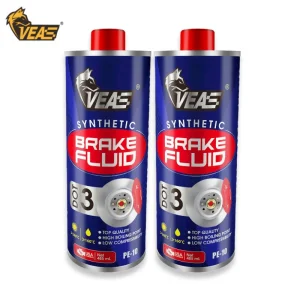
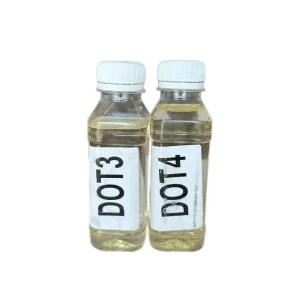
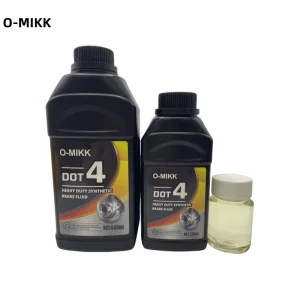
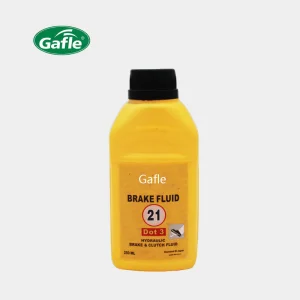
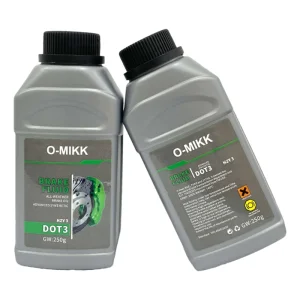
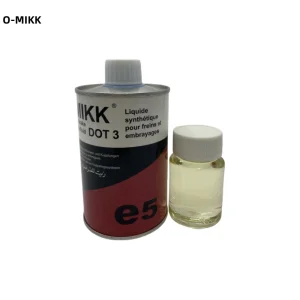
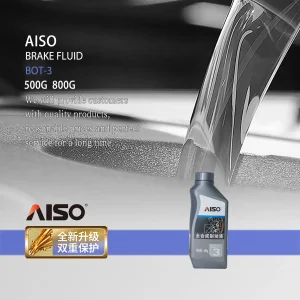
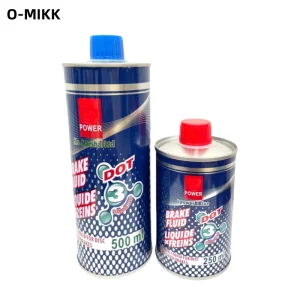
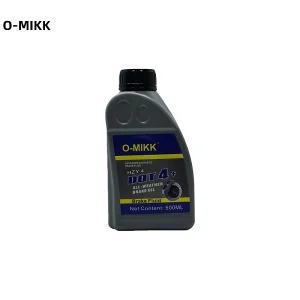
Select from our range of export-ready synthetic formulations, packaged for retail, commercial fleets, and heavy industrial applications.
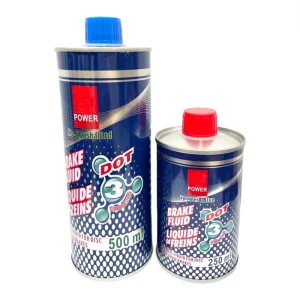
Technical answers to key questions about sourcing, importing, and using brake fluids in Central Africa.
Ensure the safety and efficiency of your fleet operations with certified synthetic brake fluids. Get in touch with our team for bulk pricing, packaging specifications, and customs compliance support for the DR Congo market.
Send Inquiry Now Zizel Auto