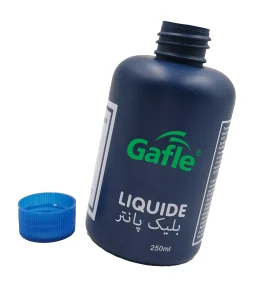
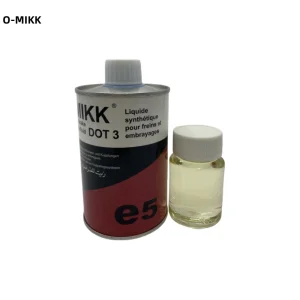
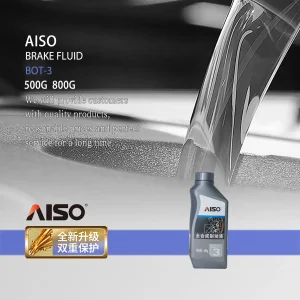
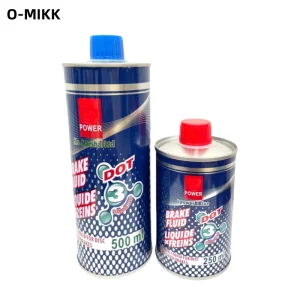
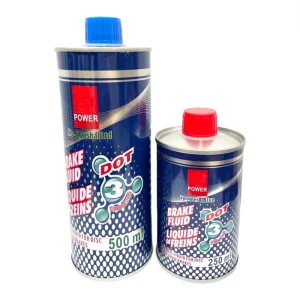
Engineered for immediate integration in European automotive frameworks, addressing the intense thermal loads of highway driving in Portugal.
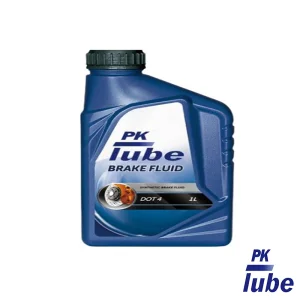
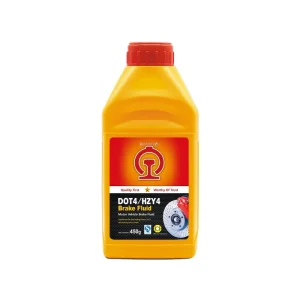
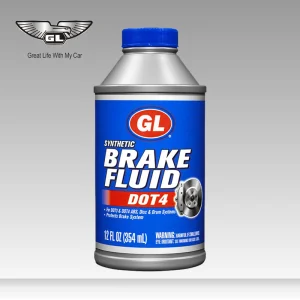
As the primary logistical gateway of Portugal, Lisbon stands at the nexus of transatlantic trade and European overland corridors. The maritime environment of the Portuguese coastline brings high ambient relative humidity. For glycol-ether based brake fluids (which are highly hygroscopic), this environmental factor represents a key engineering challenge. Moisture contamination decreases the boiling point of the fluid, directly escalating the risk of vapor lock under continuous braking conditions on Lisbon's hilly terrains.
Our localized research indicates that commercial fleets, public transit vehicles, and private automobiles in Lisbon require brake fluids formulated with advanced moisture inhibitors. By employing a high-purity borate ester component matrix, our DOT 4 and DOT 4+ formulations exhibit elevated Wet Boiling Points (WBP) exceeding 165°C. This ensures a broad safety margin even as moisture inevitably permeates the rubber hoses of the hydraulic brake system over time.
Furthermore, local automotive distributors, workshops, and OEM parts suppliers in regions like Sintra, Loures, and the industrial centers south of the Tagus River require steady, certified supply chains that comply strictly with the European Union's REACH regulations. Our logistics integration is optimized to service Lisbon's port directly, bypassing domestic intermediaries and delivering wholesale container loads with maximum cost efficiency.
How our formulations counteract fluid degradation in challenging coastal environments.
Dry boiling point represents the temperature at which the new, uncontaminated brake fluid begins to boil. Our DOT 4 formulation is engineered to maintain a dry boiling point above 230°C (446°F), providing superior defense against the thermal stress caused by rapid braking sequences on modern highway corridors.
Over time, atmospheric moisture diffuses into the braking system. Our proprietary formulation slows down this rate of degradation. The wet boiling point of our DOT 4+ series remains securely above 155°C, ensuring that even under 3.5% water absorption, vapor lock remains physically impossible under normal operating states.
A primary failure mode in hydraulic braking systems is seal swelling or cracking. Our brake fluids undergo rigorous testing with natural rubber, EPDM, and synthetic elastomers. This guarantees zero leakage and consistent pressure transfer throughout the lifetime of the vehicle's master and wheel cylinders.
Leveraging Zhejiang's premier automotive cluster for unmatched volume stability and logistical execution.
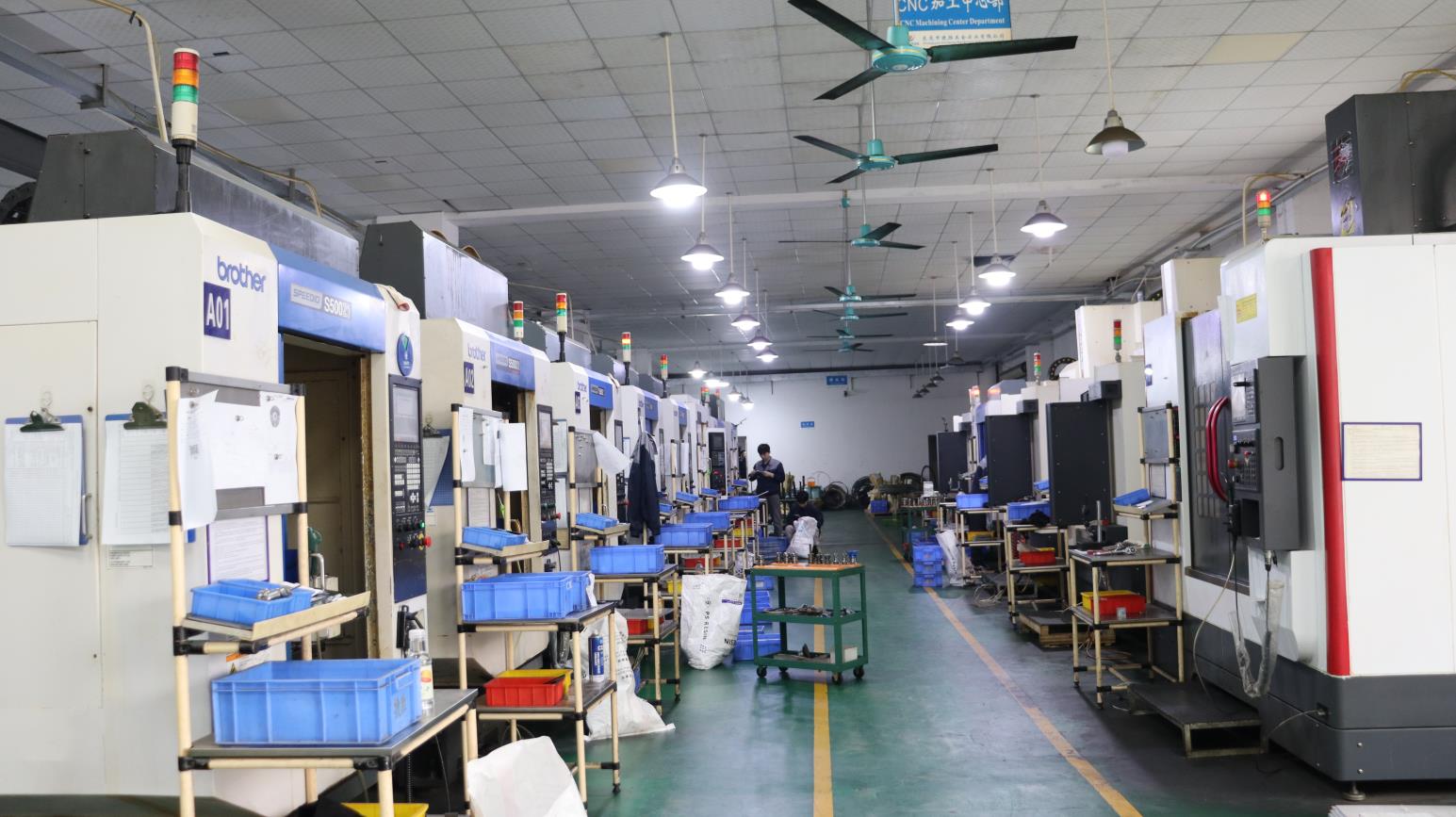
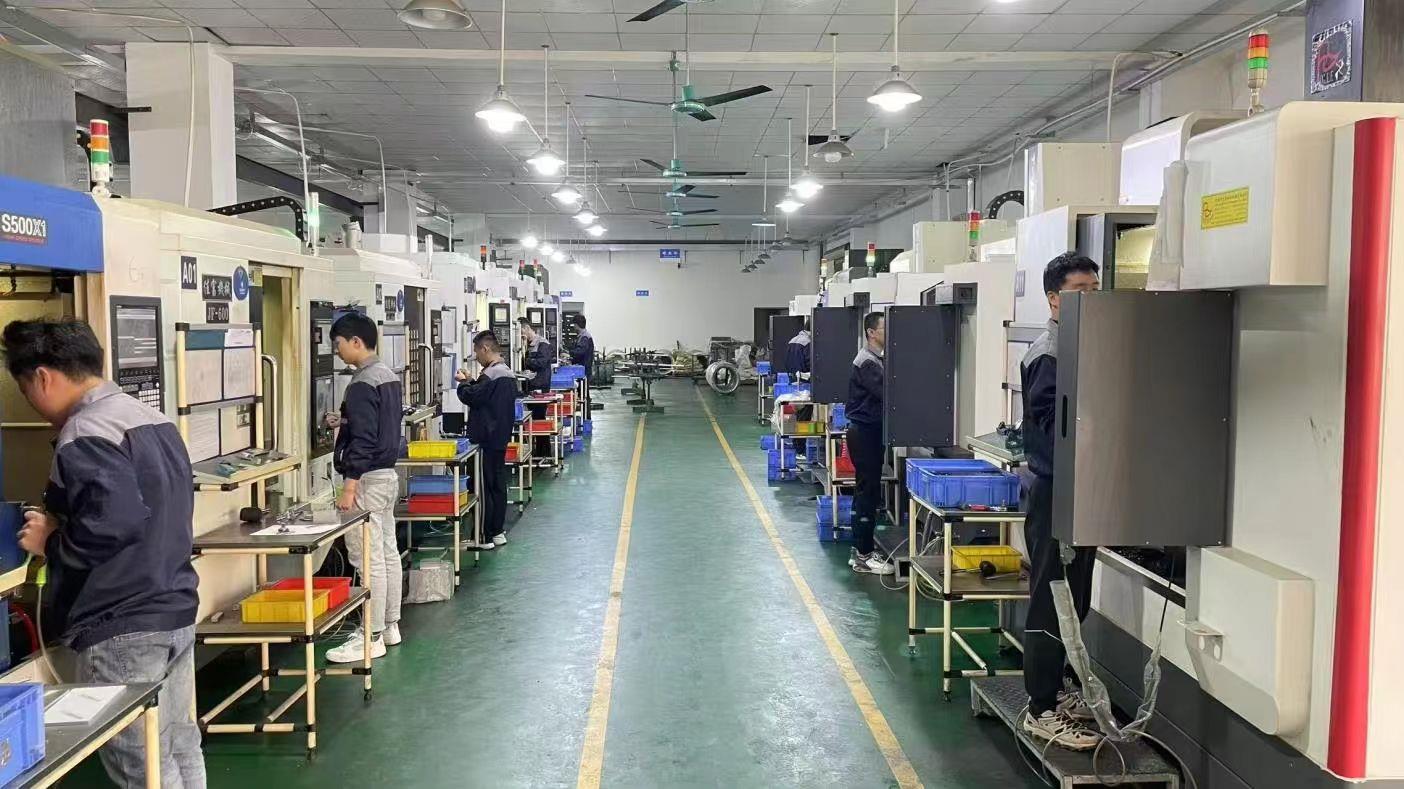
Strategically situated in Yuhuan, Zhejiang, the epicenter of China’s high-precision automotive components sector, Yuhuan Zizel Auto Co., Ltd. integrates downstream chemical synthesis with upstream mechanical component manufacturing. This unique industrial convergence allows us to optimize the mechanical-fluid interface within hydraulic systems like disc and drum brakes.
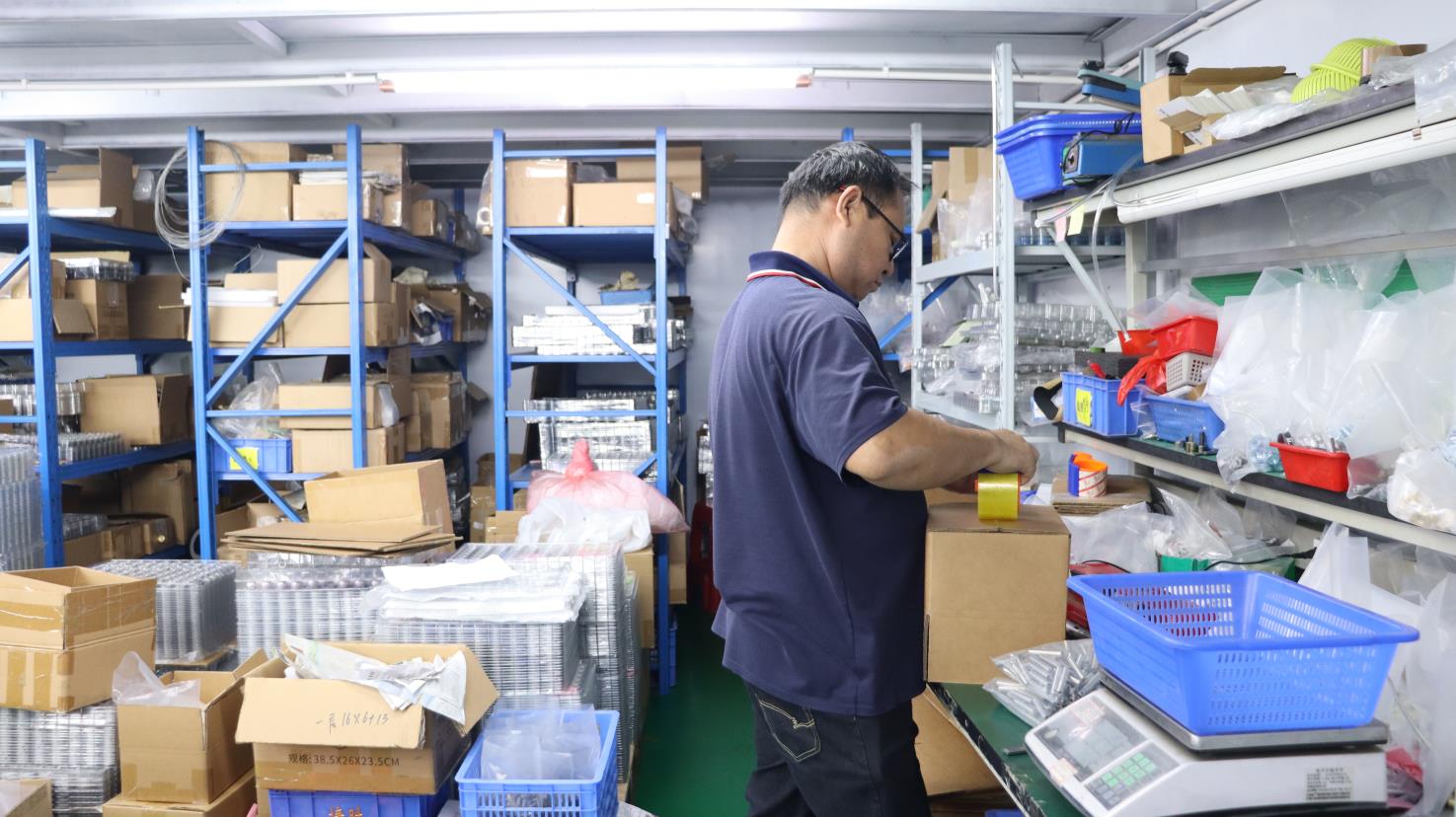
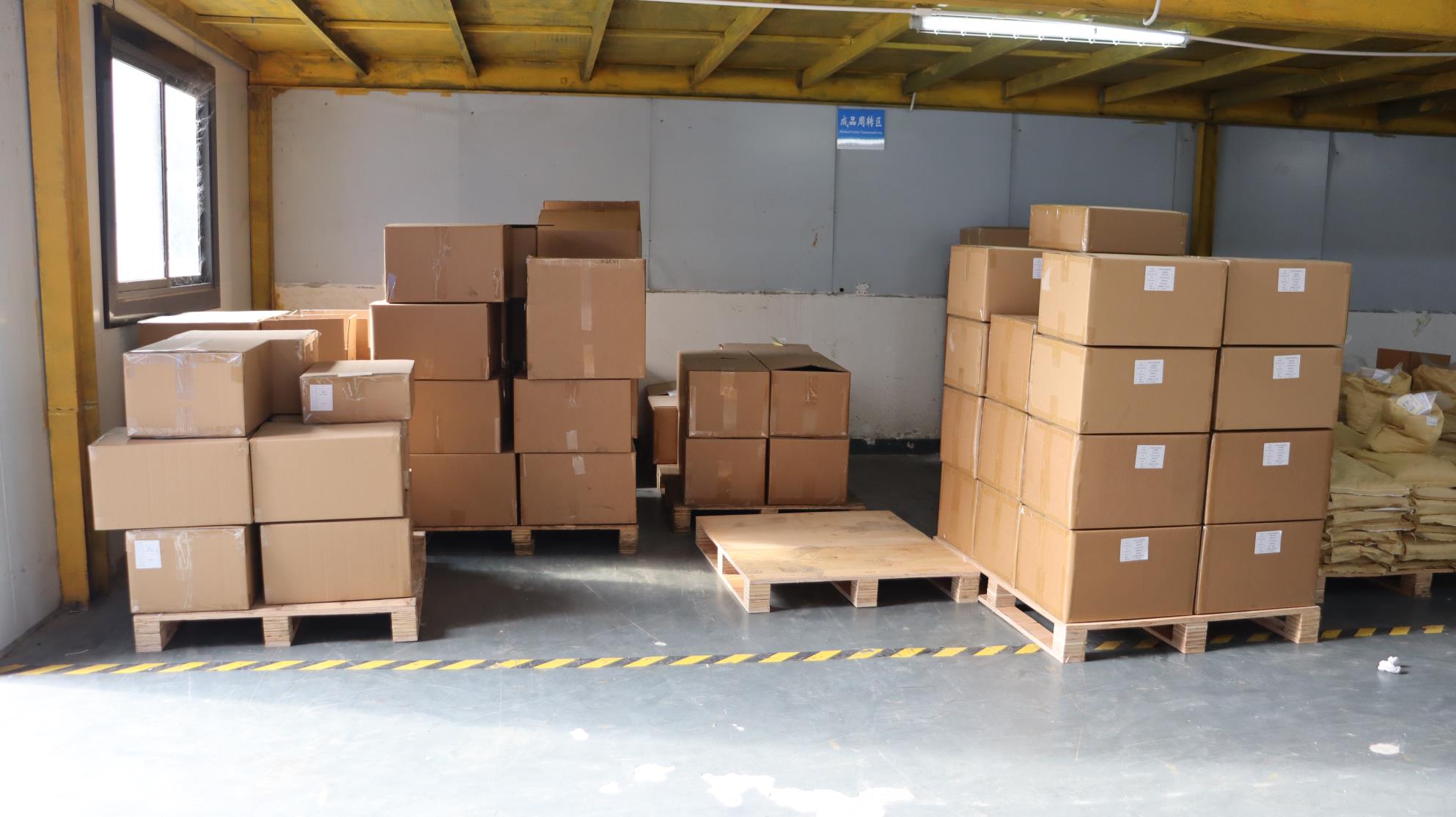
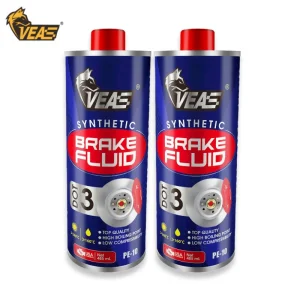
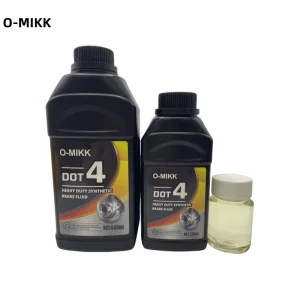
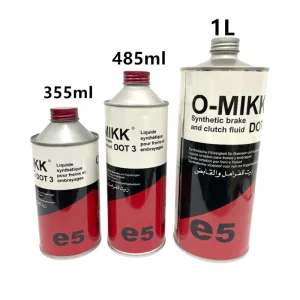
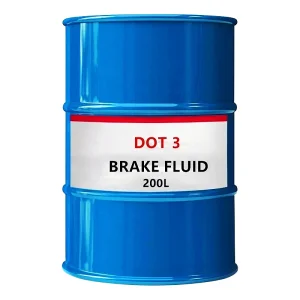
By coordinating container shipments directly from Ningbo or Shanghai Port straight to the Port of Lisbon, we bypass intermediary markups. Our automated filling lines ensure packaging flexibility, offering retail cans (250ml, 354ml, 500ml, 1L) as well as bulk industrial drums (200L) tailored for Portuguese distributors and regional repacking lines.
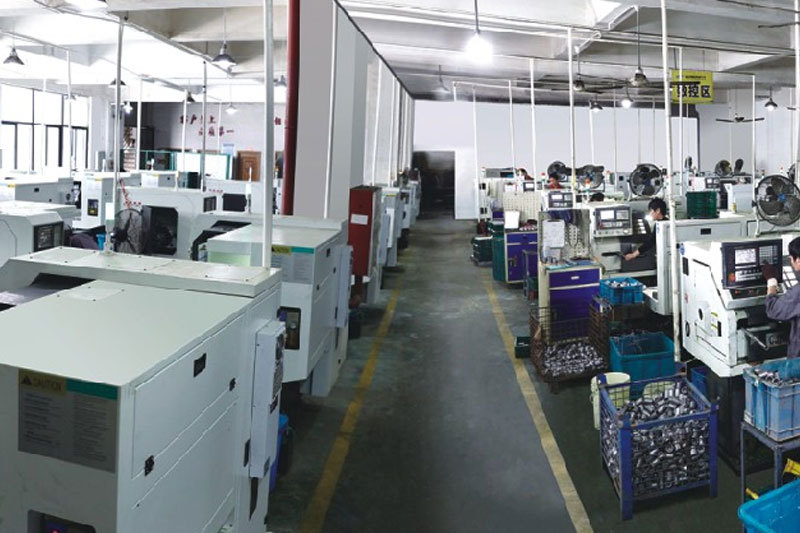
As a professional manufacturer of disc and drum brake repair kits, pistons, guide bolts, and rubber seals, we understand the mechanical challenges of braking systems better than chemical-only suppliers. We test our fluids against the actual metallurgical and rubber elements we produce:
Meeting European standards ensures seamless import, customs clearance, and distribution in Lisbon.
All chemical raw materials conform to the Registration, Evaluation, Authorisation and Restriction of Chemicals (REACH) regulations governing the EU.
Strict verification against Federal Motor Vehicle Safety Standards for DOT 3 and DOT 4, certifying compliance for international road safety.
Our manufacturing plants maintain rigorous quality management frameworks ensuring uniform chemical consistency across different batches.
We provide compliant Classification, Labelling and Packaging designs featuring multi-lingual hazards warnings including Portuguese.
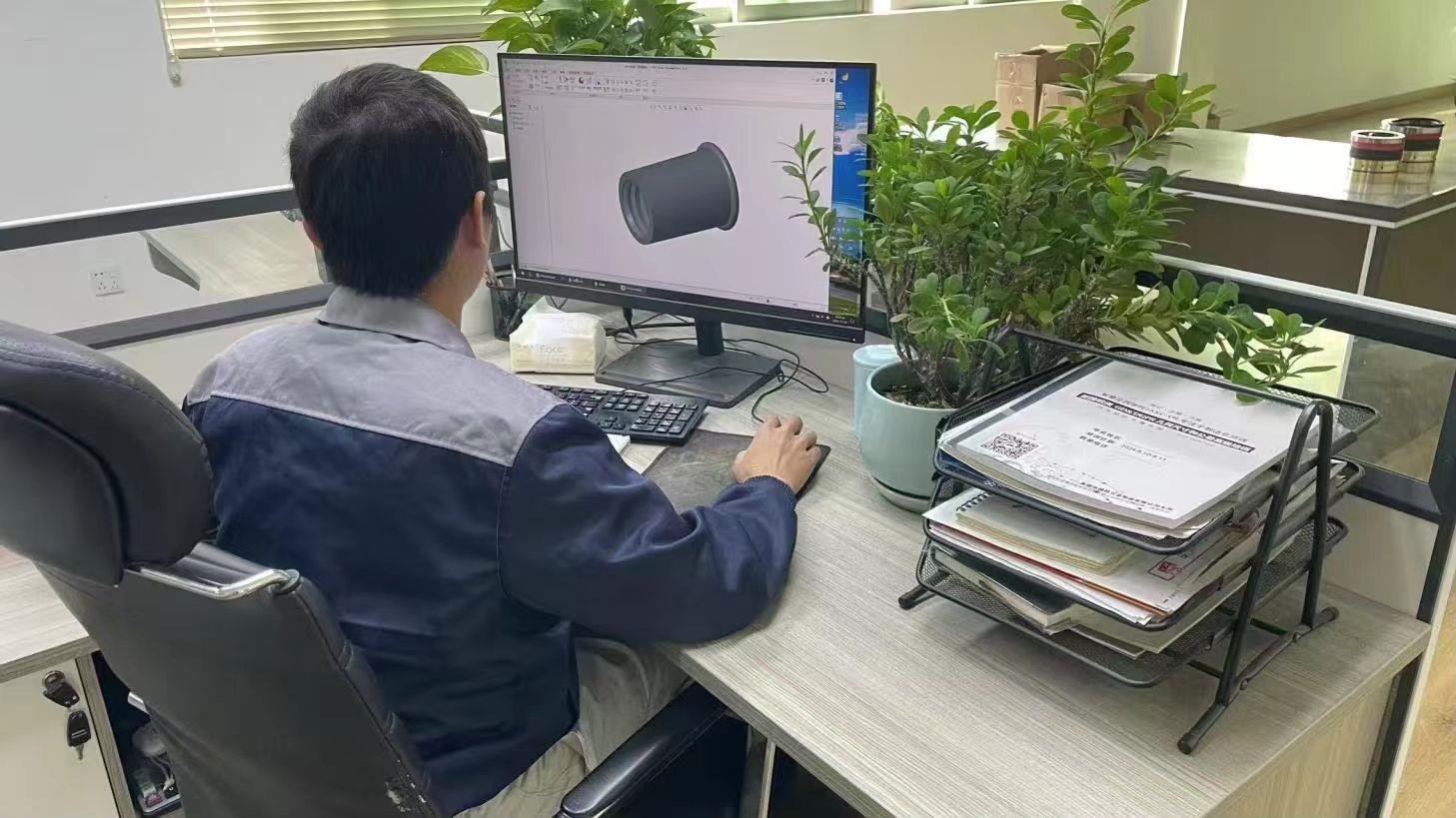
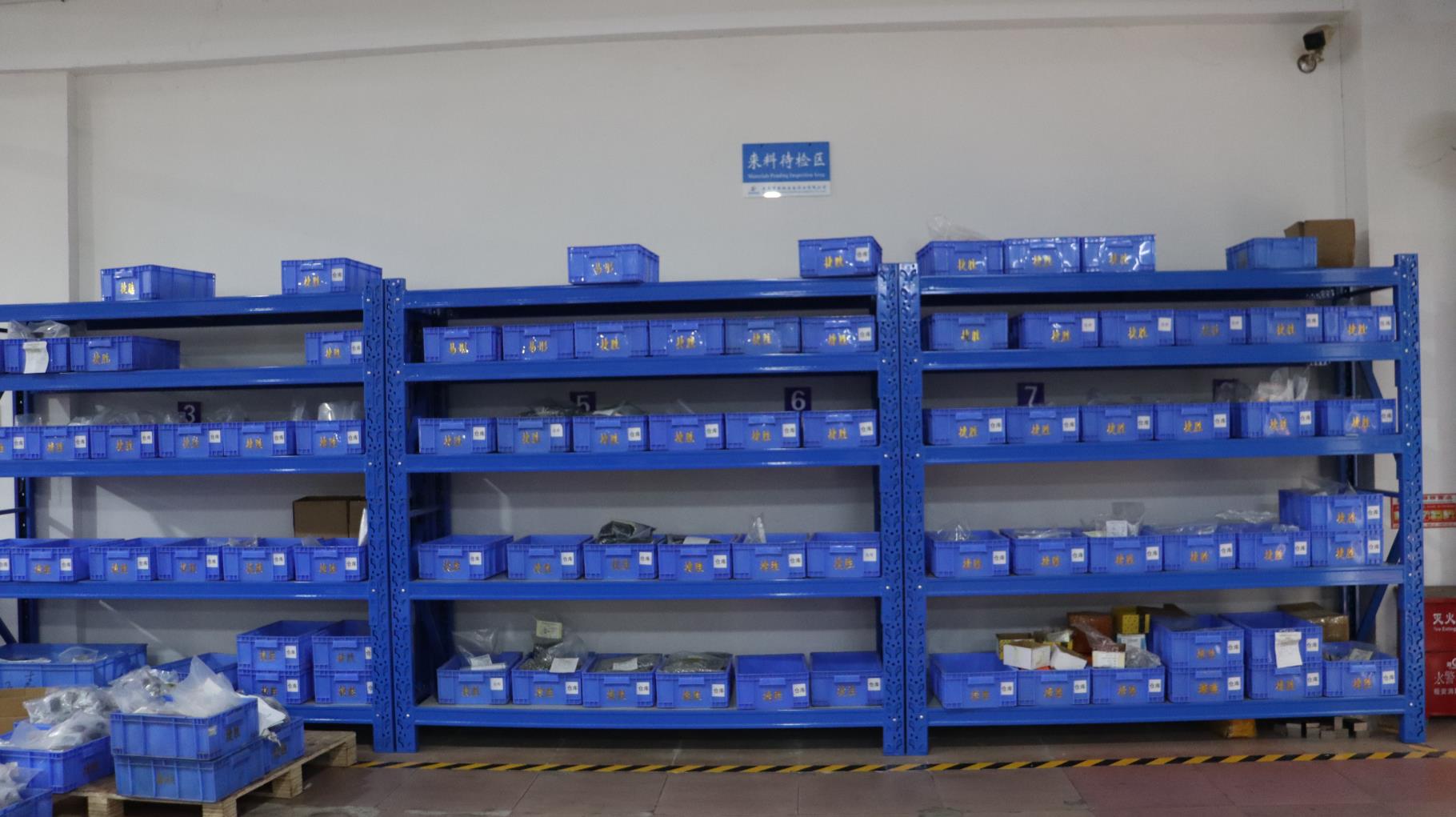
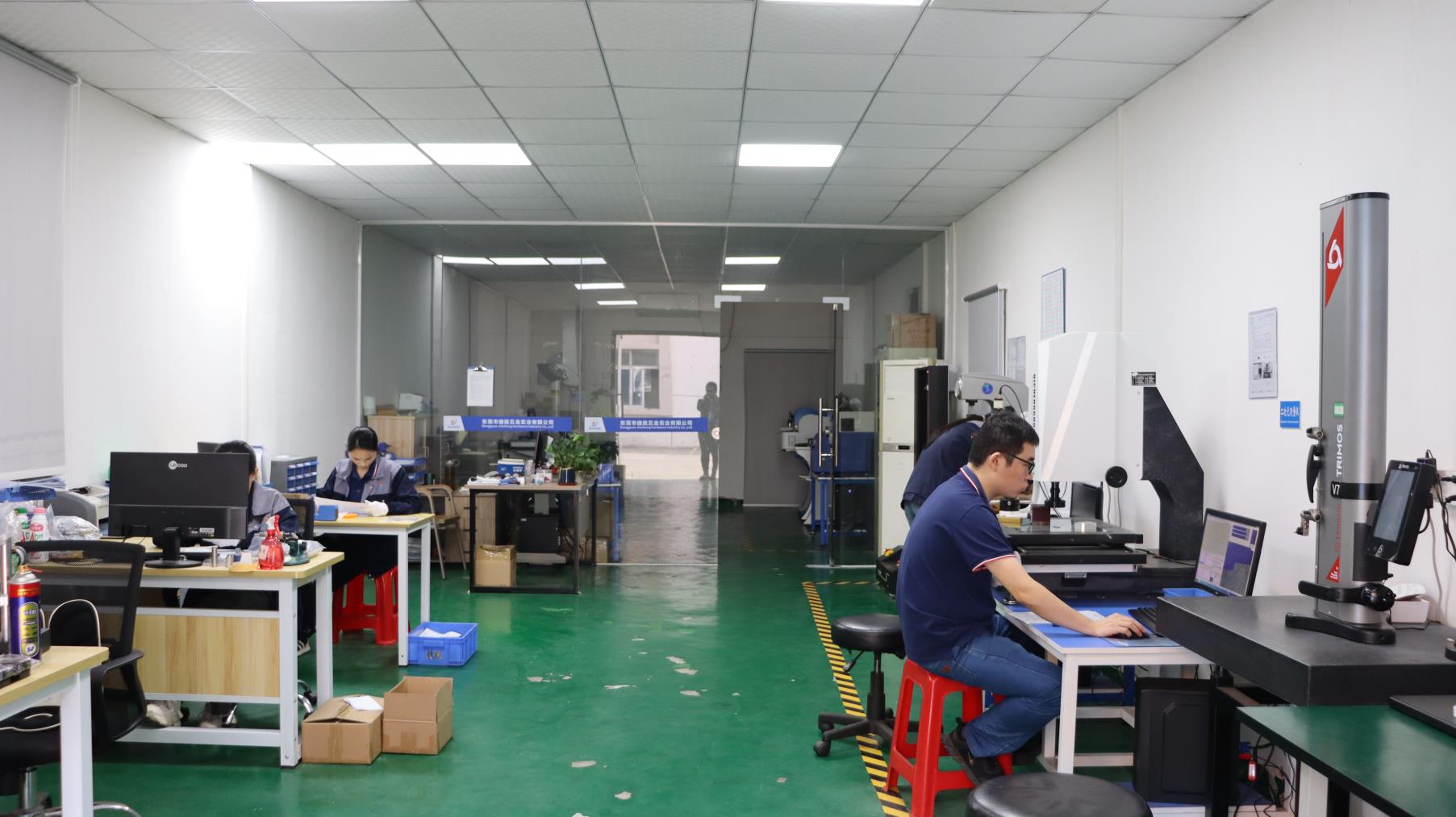
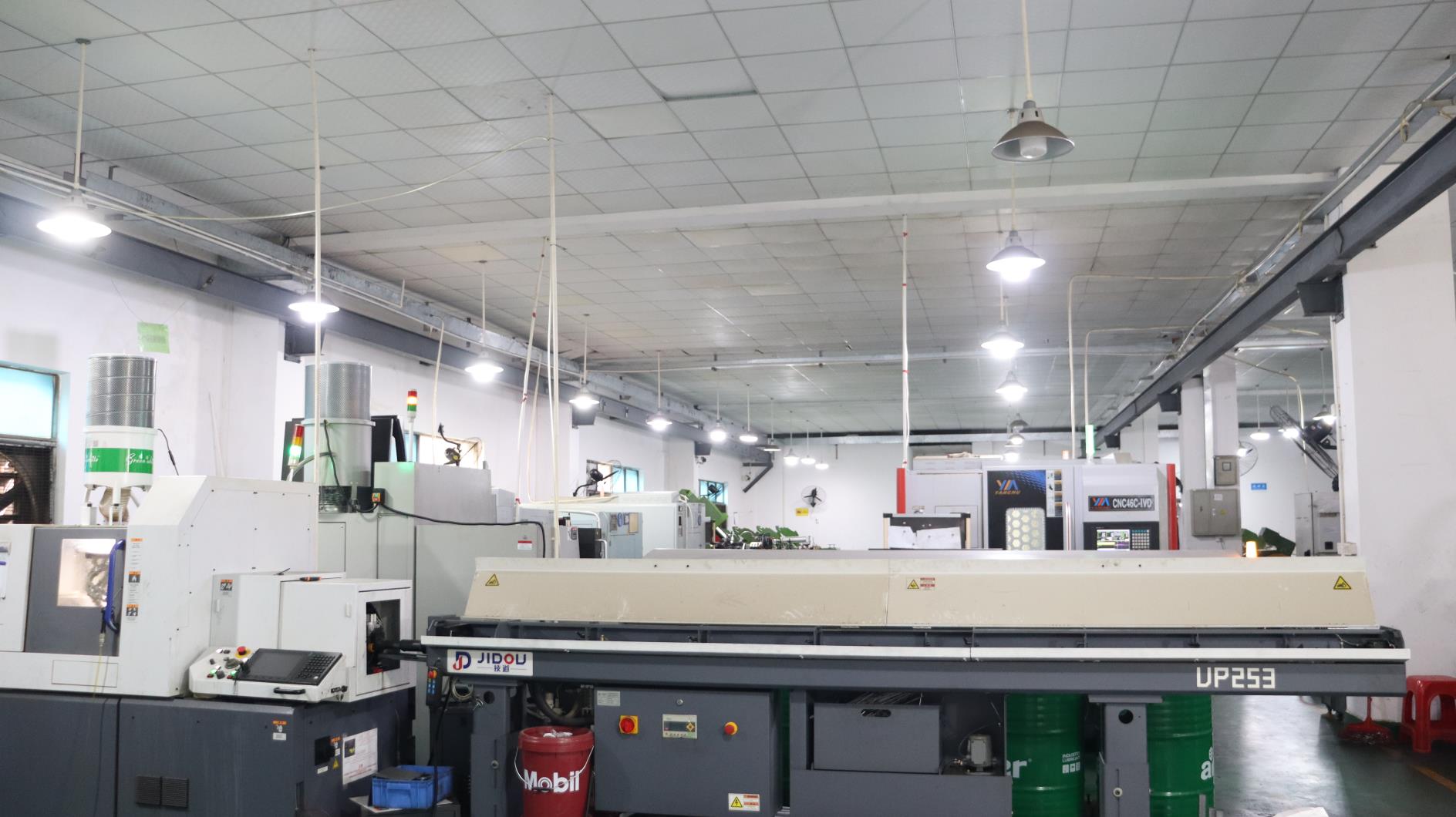
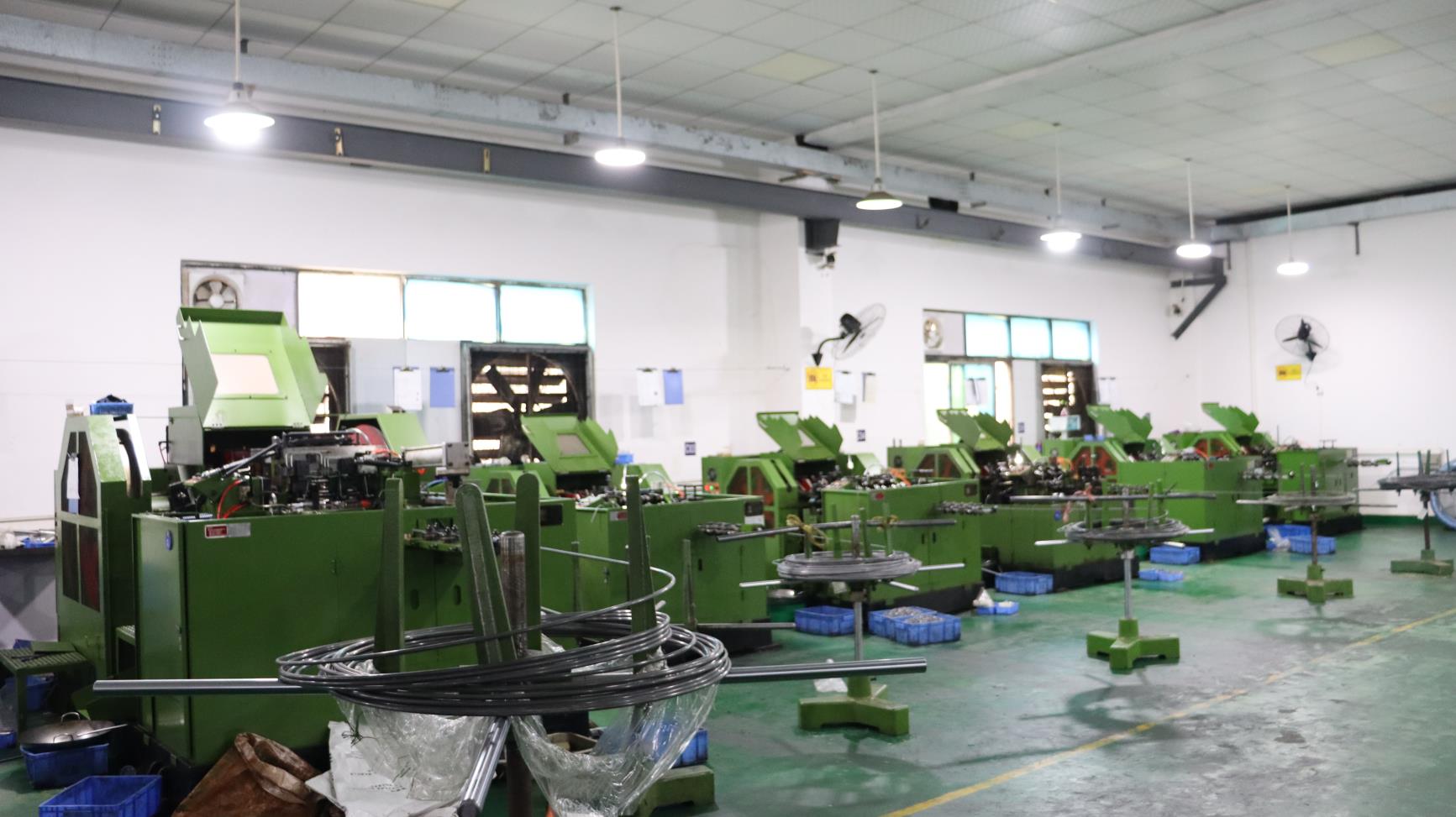
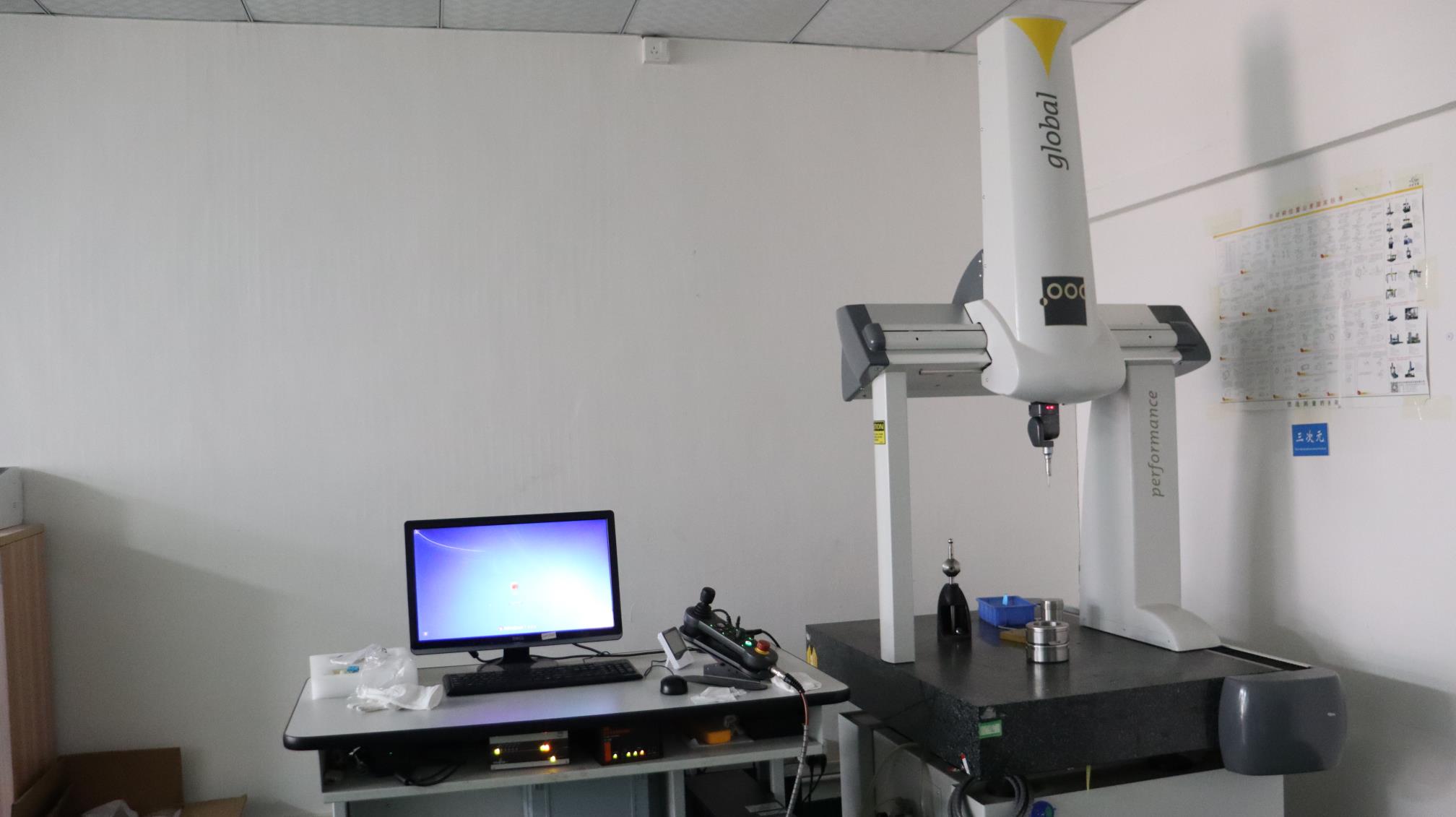
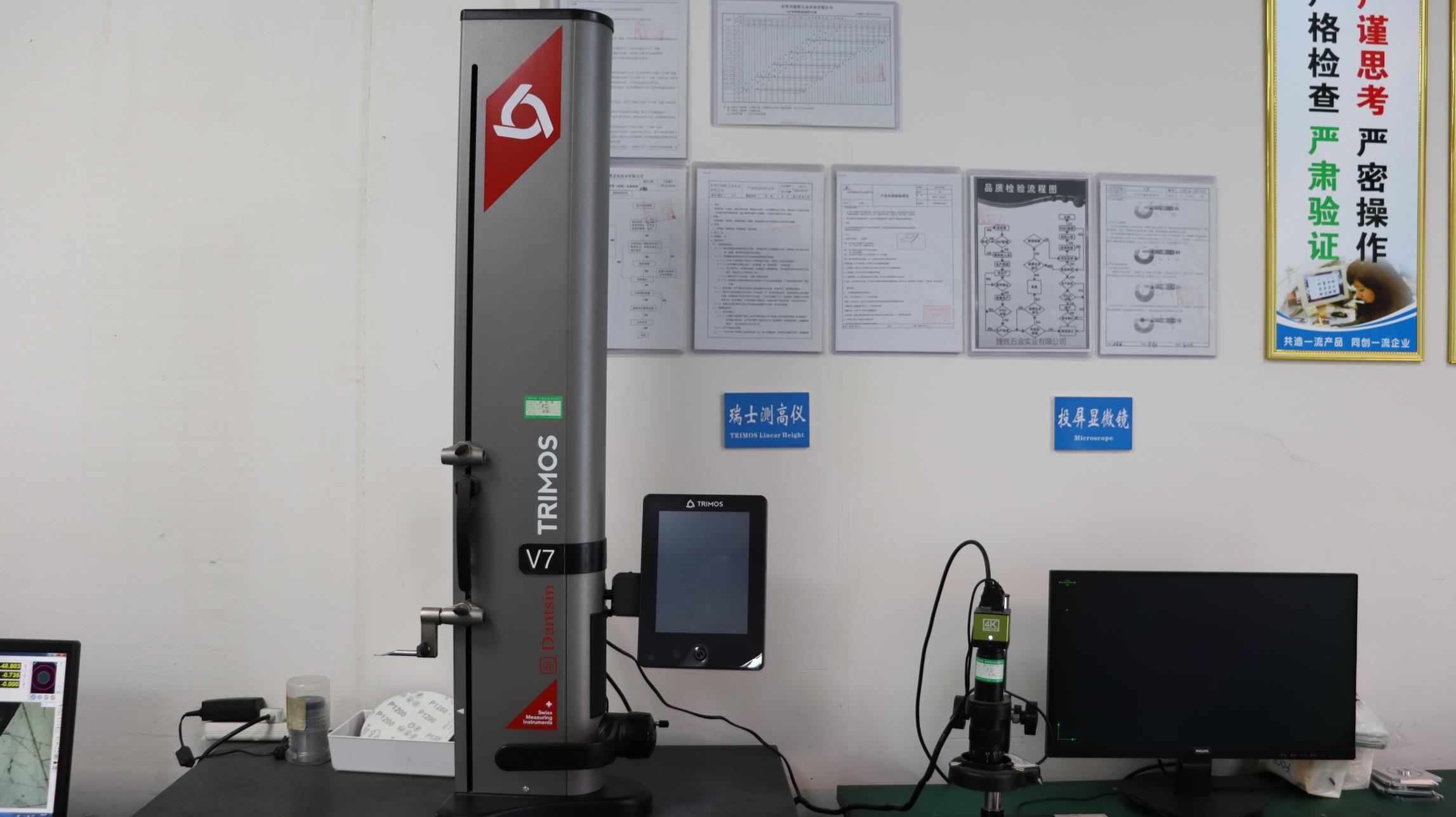
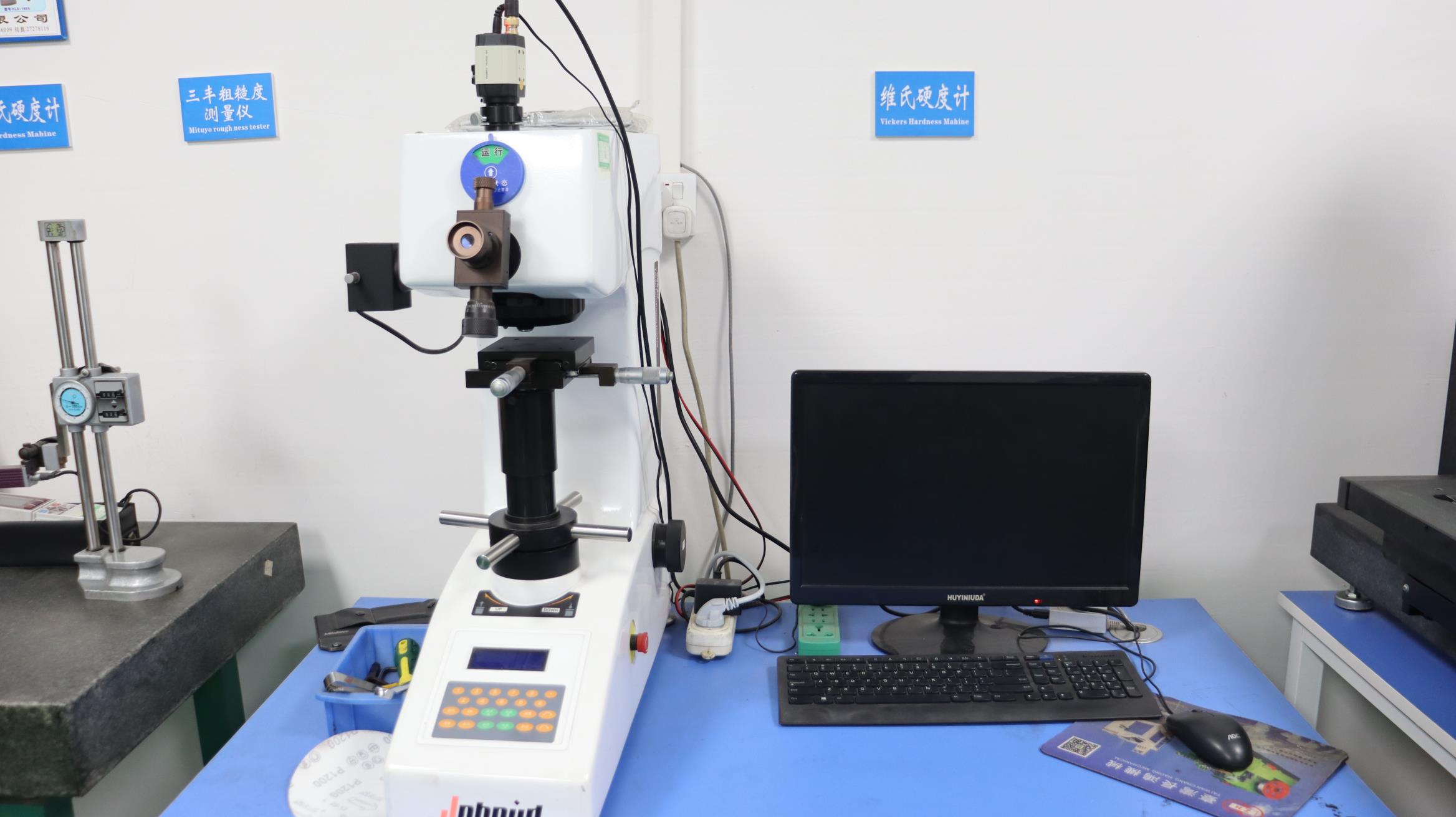
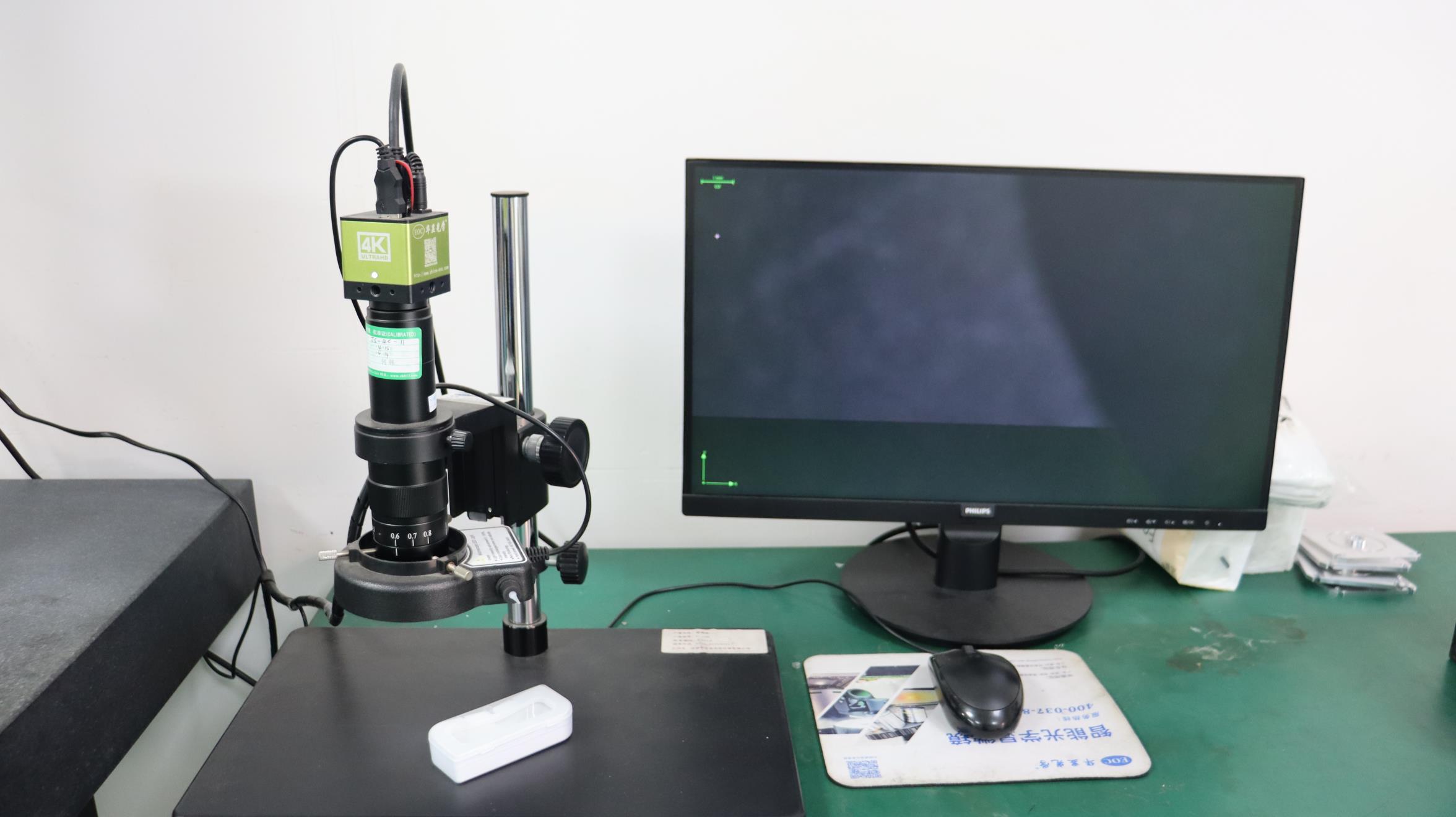
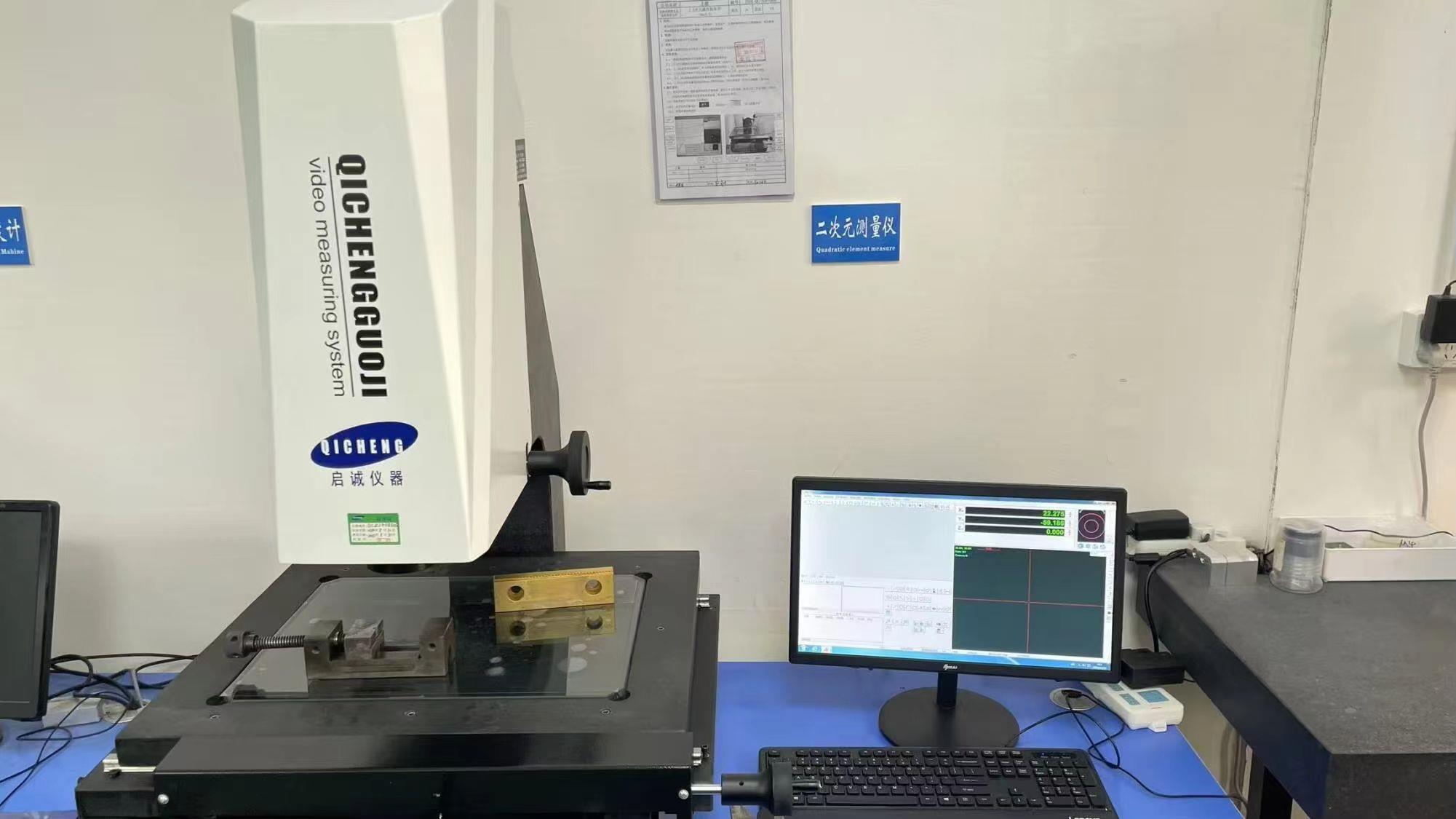
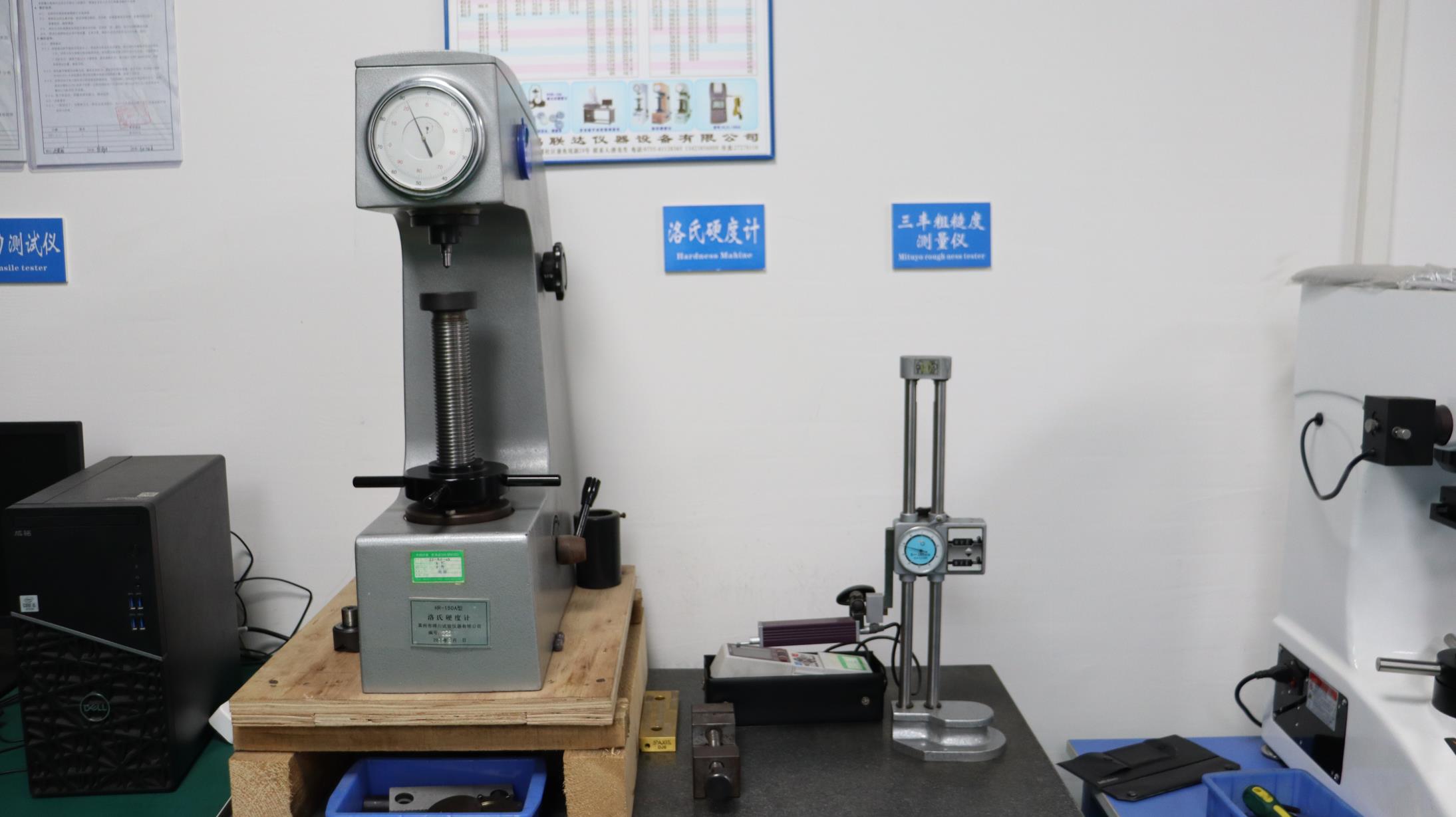
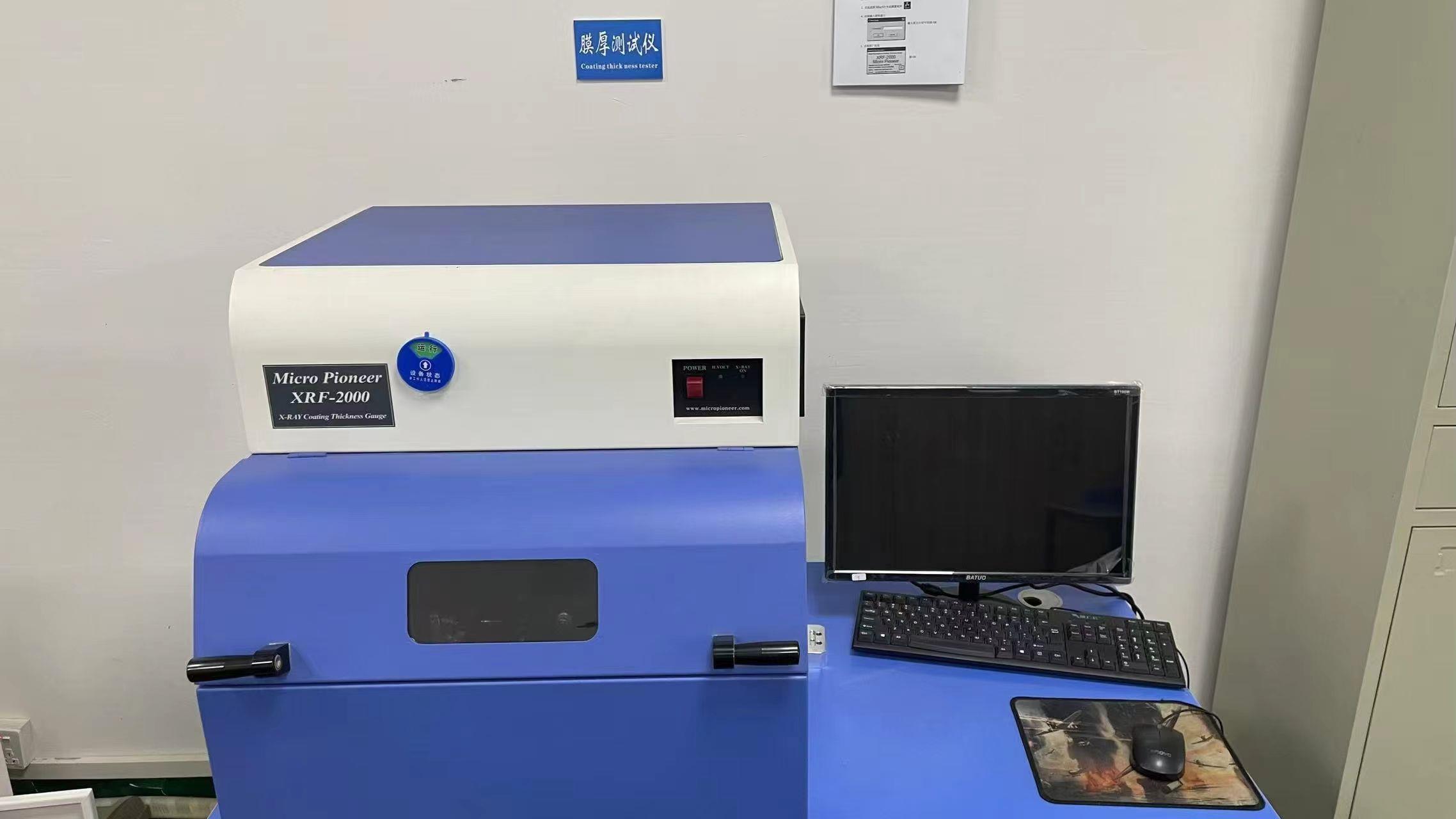
Precision testing instruments validating mechanical components, raw materials, and chemical formulations under one roof.
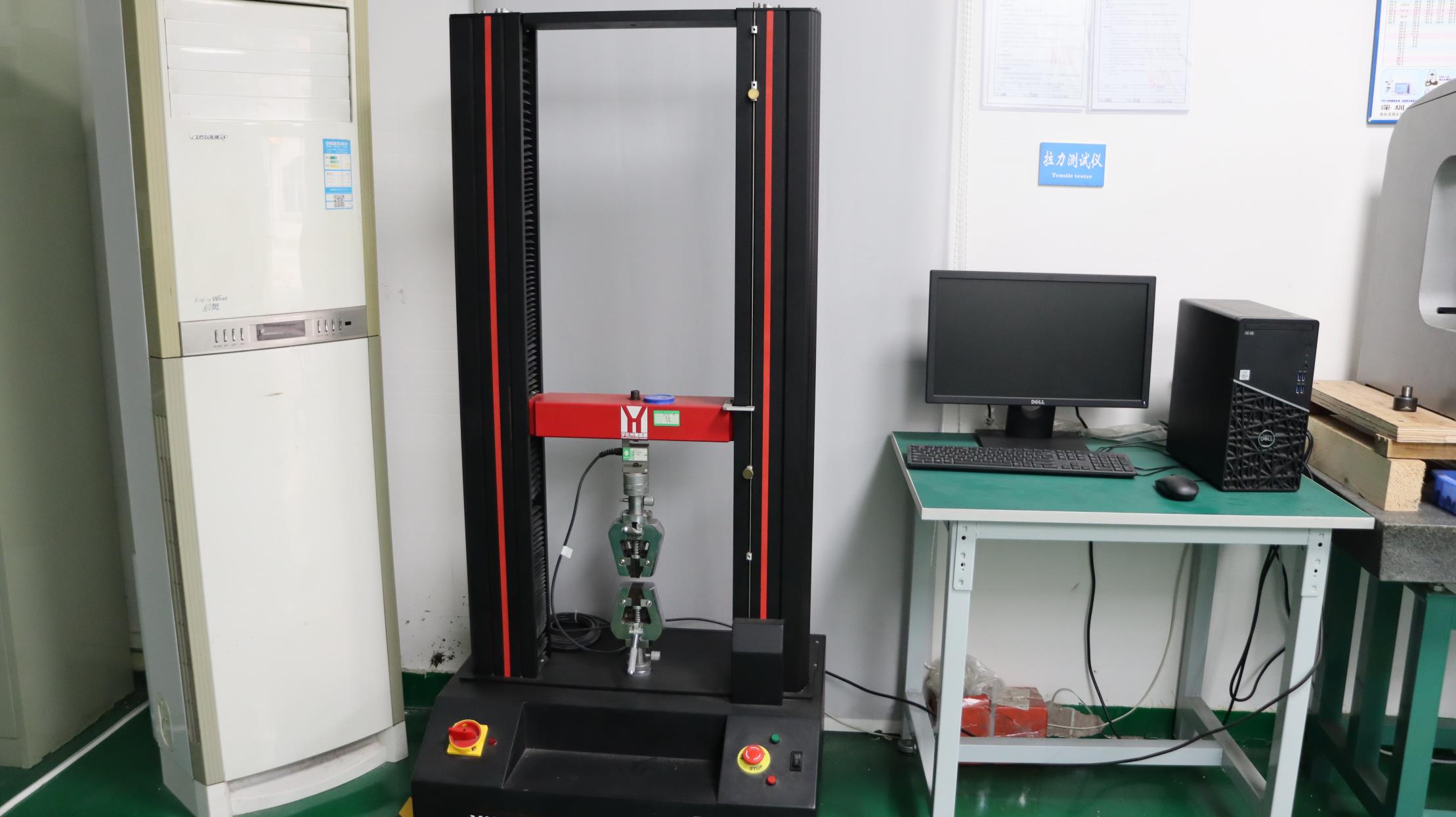
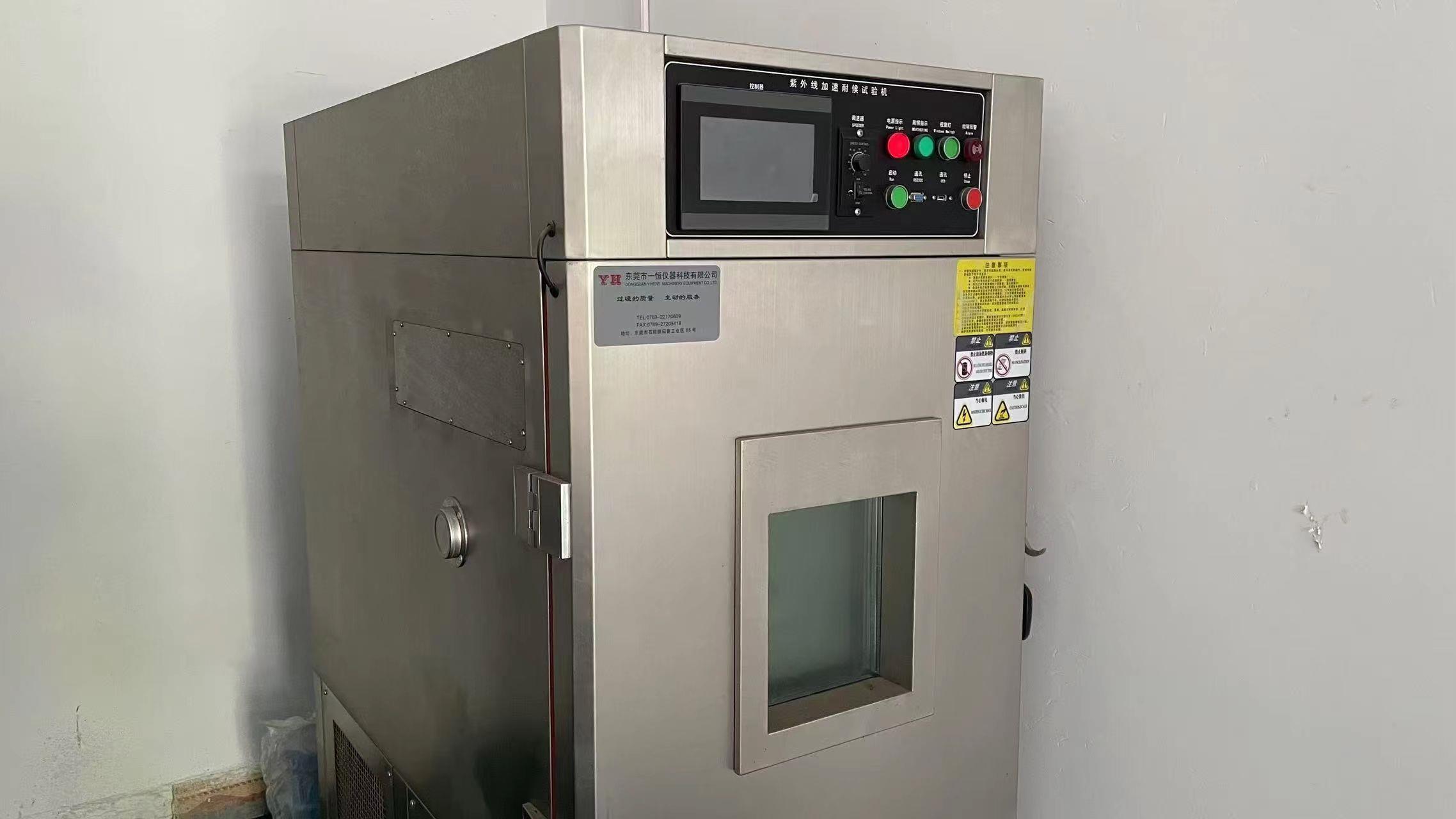
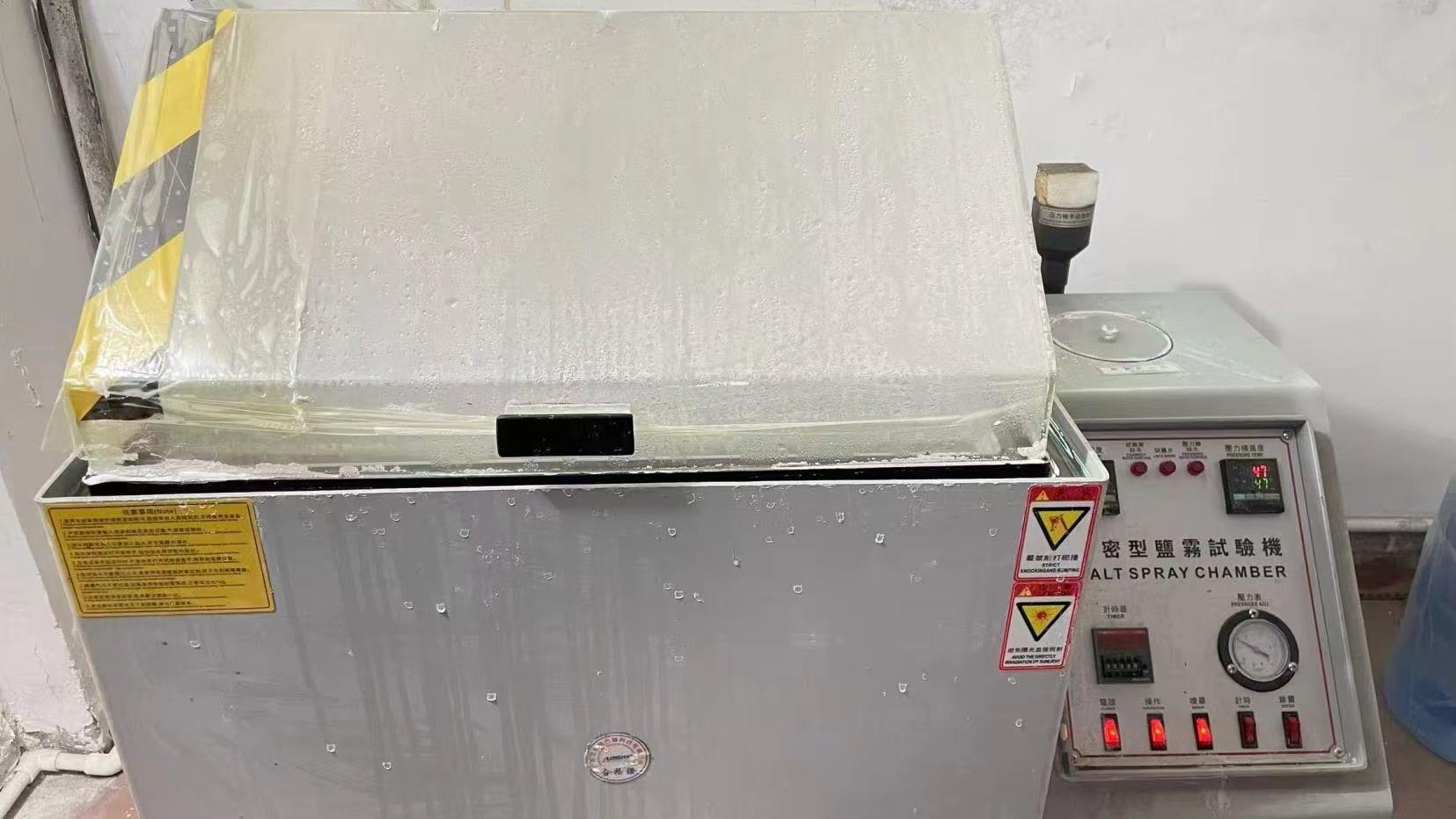
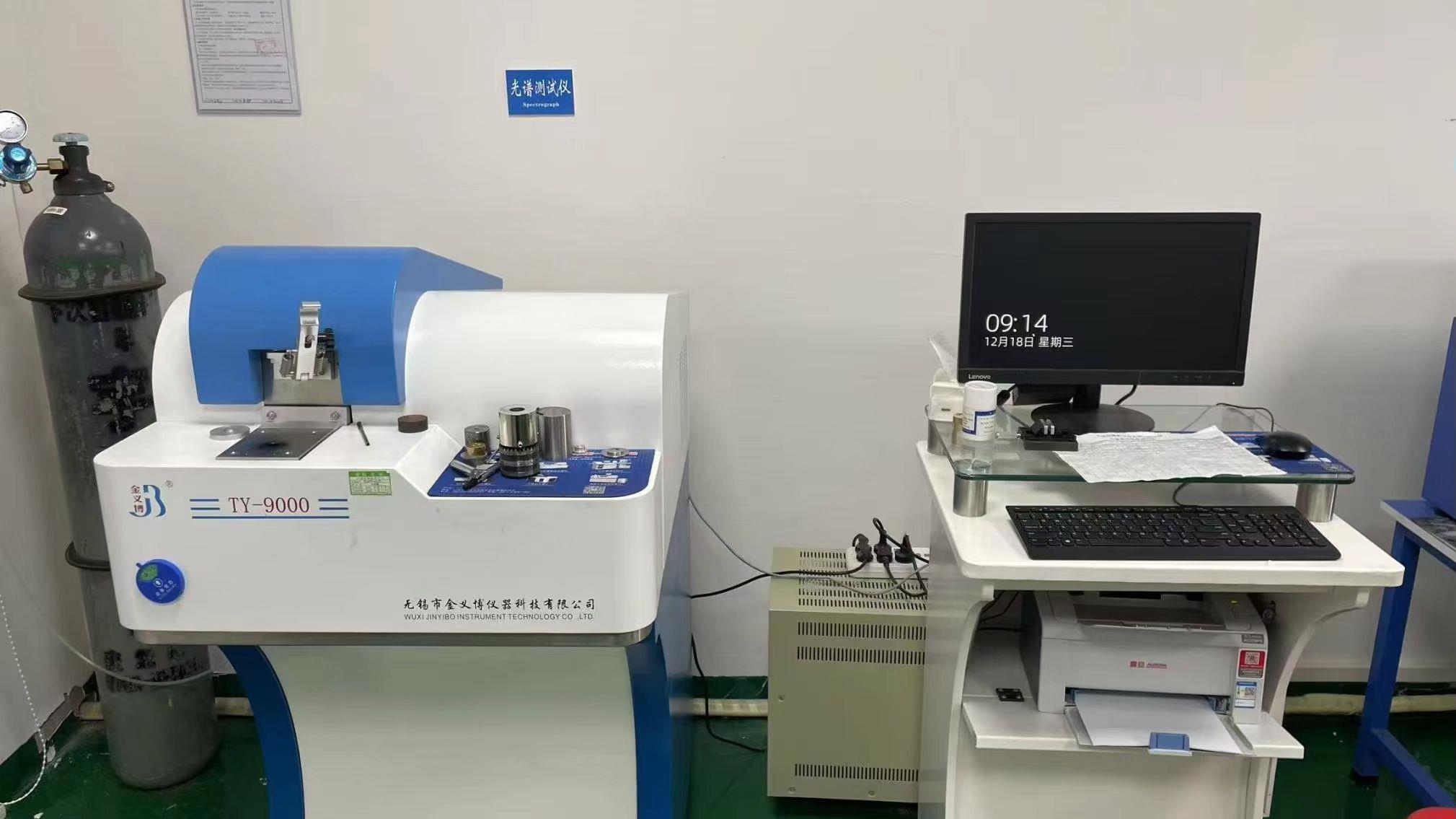
Anticipating the technological shift in Iberian and global automotive markets.
With Lisbon implementing strict municipal emission control zones and Portugal moving rapidly to embrace electric mobility, standard brake fluids must evolve. Electric vehicles rely heavily on regenerative braking, which means the mechanical friction brakes are used less frequently but undergo rapid, intense heat spikes when deployed in emergency situations.
This operational style leads to prolonged periods of low thermal activity, allowing moisture to accumulate faster in the system without boiling off. Under this scenario, low electrical conductivity and advanced oxidation stability become paramount to prevent galvanic corrosion within complex electronic braking modules (e-actuators).
Our upcoming research roadmap focuses on low-viscosity, ultra-high dry-boiling-point synthetic solutions. These formulations ensure fast response times for advanced ADAS systems operating under freezing winter temperatures in the interior regions of Portugal, as well as superior stability in hot coastal summers.
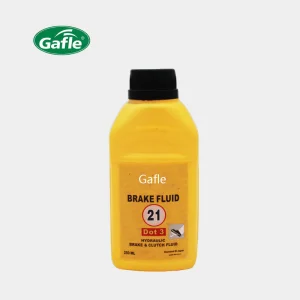
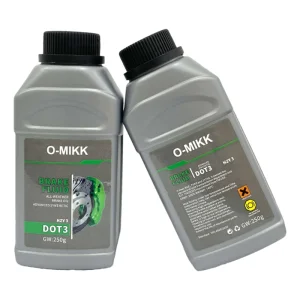
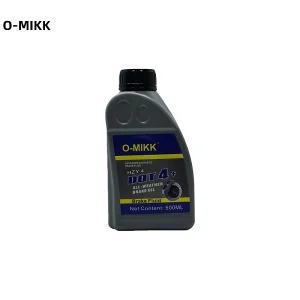
Browse our wide range of formulation parameters, packaging sizes, and labeling designs configured for distribution centers across Iberia and international markets.
Key answers regarding quality compliance, transport logistics, and formulation criteria for Portuguese purchasing agents.
Containers are dispatched from Ningbo or Shanghai Port in China. The typical transit duration to the Port of Lisbon is roughly 30 to 45 days. We provide complete documentation including bills of lading, safety data sheets (SDS) matching EU criteria, and certificates of analysis (COA) to guarantee smooth Portuguese customs clearance.
Yes. We provide complete OEM and private labeling services. Our design team creates custom packaging layouts that comply with EU CLP labeling requirements, incorporating accurate Portuguese hazard texts and warning symbols for distribution in Portugal.
Due to Lisbon's coastal geography, ambient air carries high relative humidity. Over time, moisture penetrates brake systems through microscopic rubber pores. For this reason, we recommend using DOT 4 or DOT 4+ formulations, which utilize borate esters to chemically bind water molecules, sustaining higher wet boiling points compared to standard DOT 3 fluids.
Our production facility is certified under ISO 9001:2015 and IATF 16949:2016 quality management protocols. Every production run undergoes spectroscopic and chemical analysis in our testing lab to guarantee boiling point, viscosity, and corrosion resistance metrics conform to SAE J1703/J1704 and FMVSS 116 parameters.
Our standard MOQ for custom-branded retail packaging is 10,000 cans per size, ensuring efficient setup for automated bottling. For bulk shipments in 200L industrial drums or intermediate bulk containers (IBCs), the MOQ is one 20ft container load, which can combine different packaging formats.
Request a quote, request laboratory samples, or discuss custom brand formulation specifications for the Lisbon and wider European markets.
 Zizel Auto