Top Trusted Brake Compatibility Manufacturers & Factory

System-Level Brake Integration: Engineered for Safety, Performance, and Global Fleet Optimization

Systematic Brake Compatibility: An Engineering Imperative

In the automotive safety ecosystem, brake compatibility is defined as the functional integration of hydraulic pressures, frictional coefficients, and mechanical linkages working in perfect synchronization. When sourcing components from brake compatibility manufacturers, procurement teams must look beyond simple dimensions. A misalignment in hydraulic caliper volume, guide pin friction margins, or booster response curve parameters can cause unstable braking, premature pad wear, and component failure under extreme thermal loads.

Yuhuan Zizel Auto Co., Ltd., located in the prominent industrial hub of Yuhuan, Zhejiang, China, specializes in this complex integration. We design, research, manufacture, and distribute critical components that keep heavy commercial vehicles and passenger cars stopping safely. By using state-of-the-art tooling, CNC machinery, and high-performance casting protocols, Zizel ensures that every brake booster, guide pin, valve, and caliper bracket delivers the necessary hydraulic and mechanical compatibility for modern, safety-critical applications.
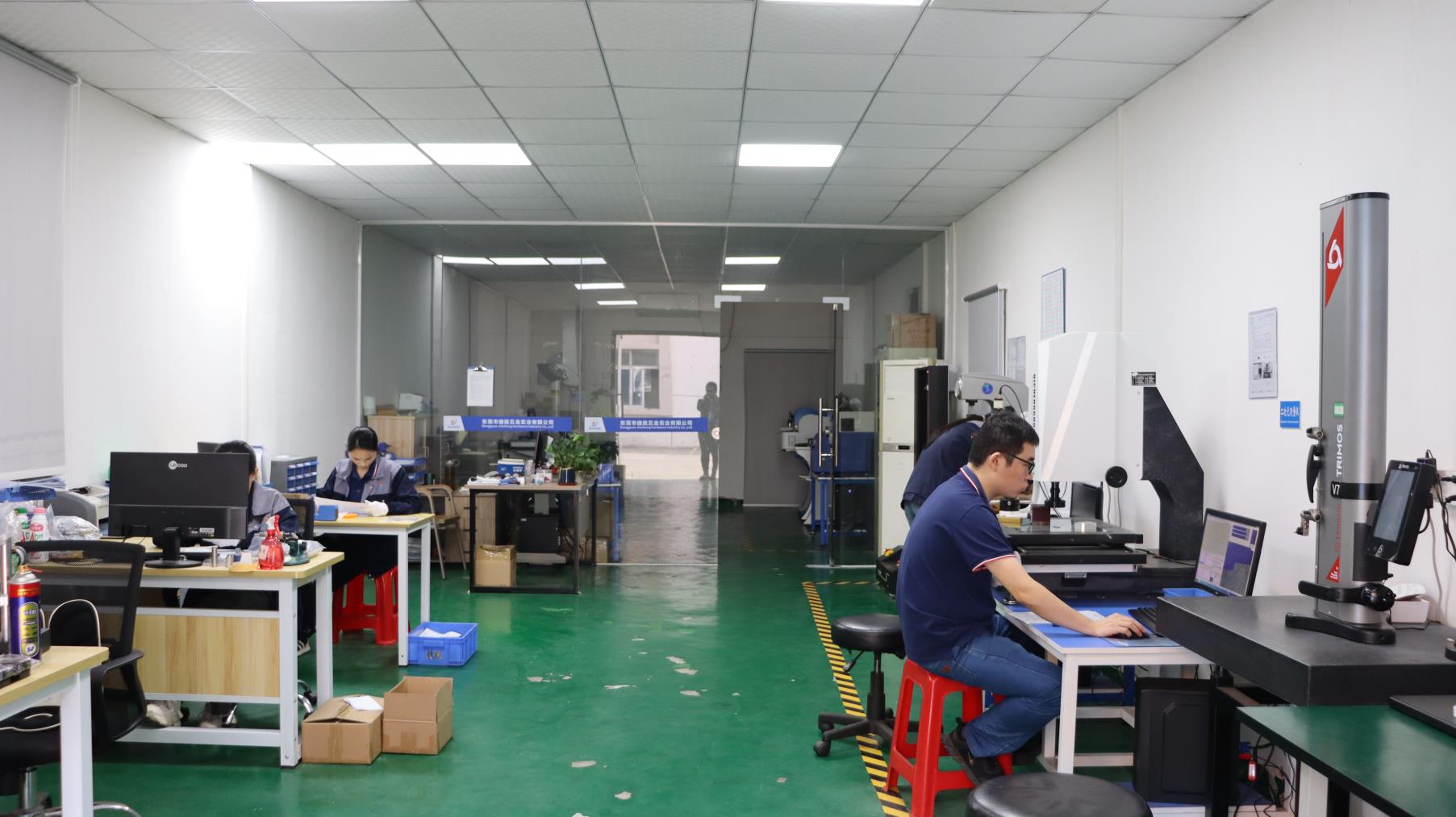
Yuhuan Zizel Auto Co. Ltd. Office and Industrial Site Showcase
IATF
16949:2016 Certified
ISO
9001:2015 Approved
100%
CNC Precise Tolerances
80+
Export Markets Globally

Material Science and Metallurgy in Brake Component Manufacturing

Brake components operate in highly challenging automotive environments. The mechanical energy of a moving vehicle is converted entirely into thermal energy, raising local brake temperatures above 600°C within seconds. Therefore, understanding material science is critical to ensuring long-term compatibility.

At Yuhuan Zizel, we manufacture components using carefully selected, high-grade materials to prevent thermal fatigue and mechanical failure:

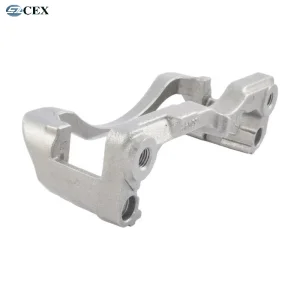
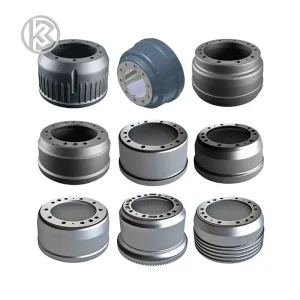
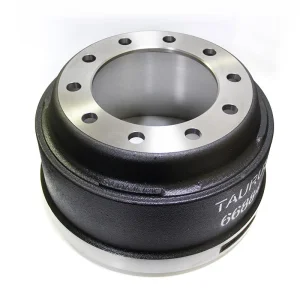
  • Gray Cast Iron (HT250/HT300): Used predominantly in our high-density brake caliper brackets and heavy-duty truck brake drums. HT250 and HT300 are selected for their excellent thermal conductivity and dampening properties, which reduce harmonic vibrations (brake squeal) and prevent cracking under rapid thermal cycles.
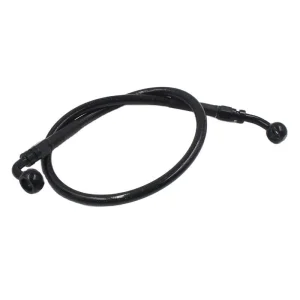
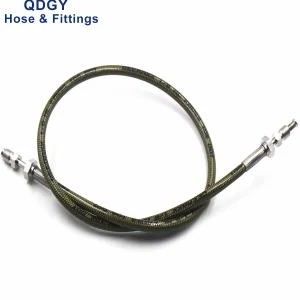
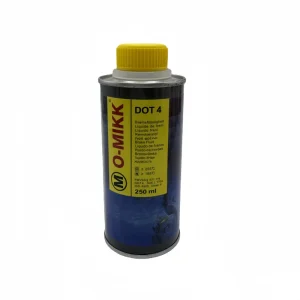
  • Hydraulic PTFE and Kevlar Braided Lines: In contrast to standard rubber hoses that expand under extreme pressure, our SAE J1401 and DOT-compliant PTFE hoses are reinforced with high-strength PPTA Kevlar or stainless steel braiding. This ensures a firm brake pedal feel, fast response times, and chemical resistance to aggressive DOT4 synthetic brake fluids.
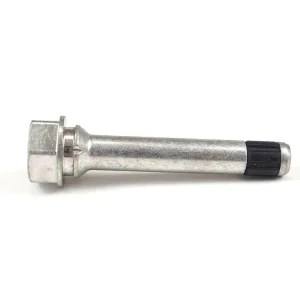
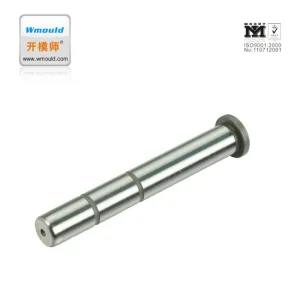
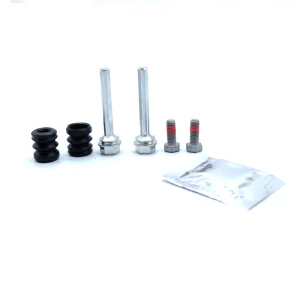
  • Micro-Alloyed Carbon Steel Guide Pins: Our guide pins are precision-ground and case-hardened to achieve high surface hardness and core toughness. This prevents bending during high-torque braking events and maintains a low-friction interface.

Why Sourcing from Yuhuan, China Offers a Strong Competitive Advantage

Yuhuan, located in Zhejiang Province, is widely recognized as one of the world's most advanced automotive parts manufacturing hubs. The region's industrial concentration offers several key advantages for global buyers:

Integrated Supply Chains

From raw material foundries to surface finish treatment plants, the entire manufacturing ecosystem is located within a 50km radius. This localized supply chain significantly reduces lead times and logistics costs.

Advanced Automation & Customization

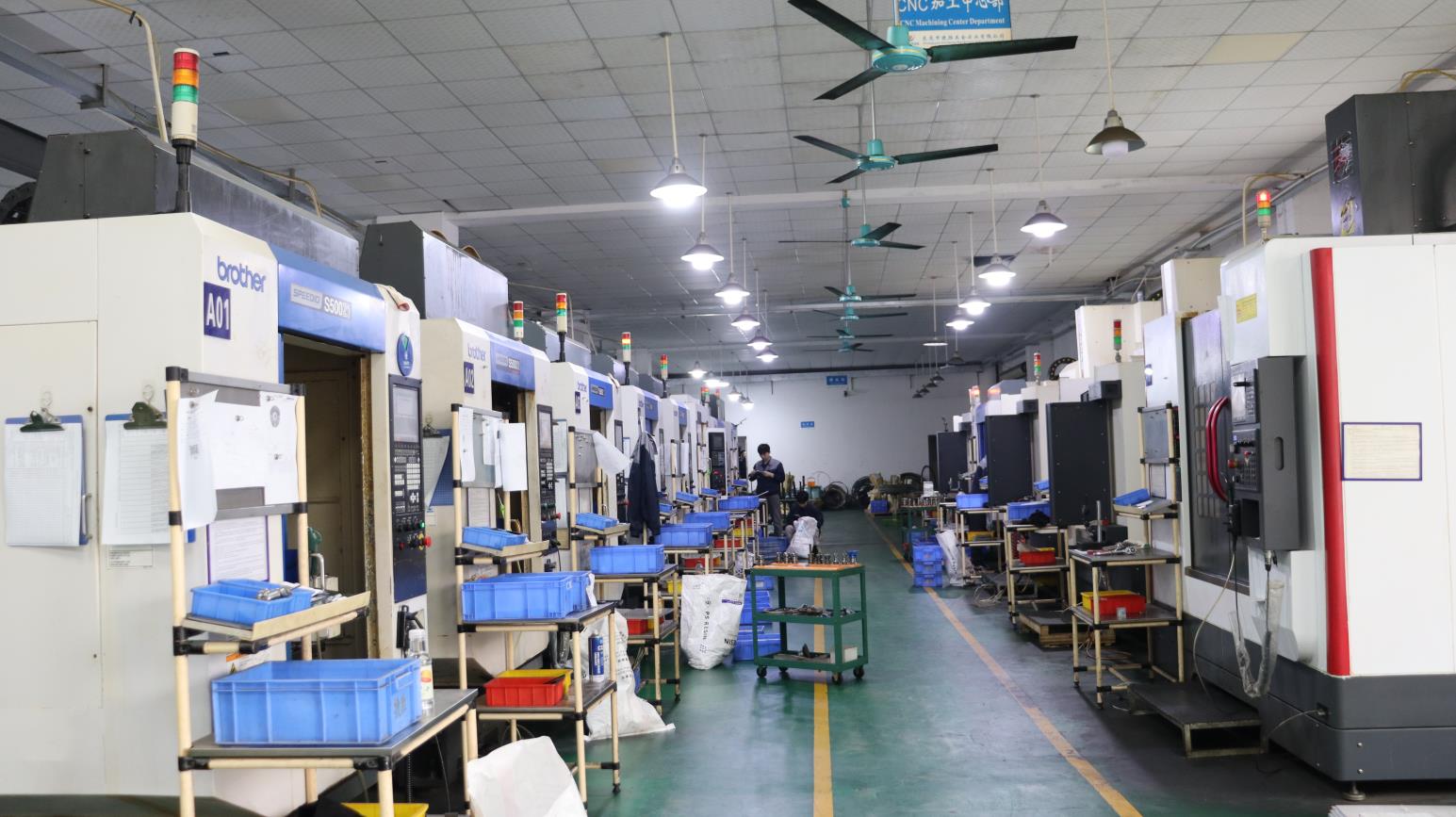
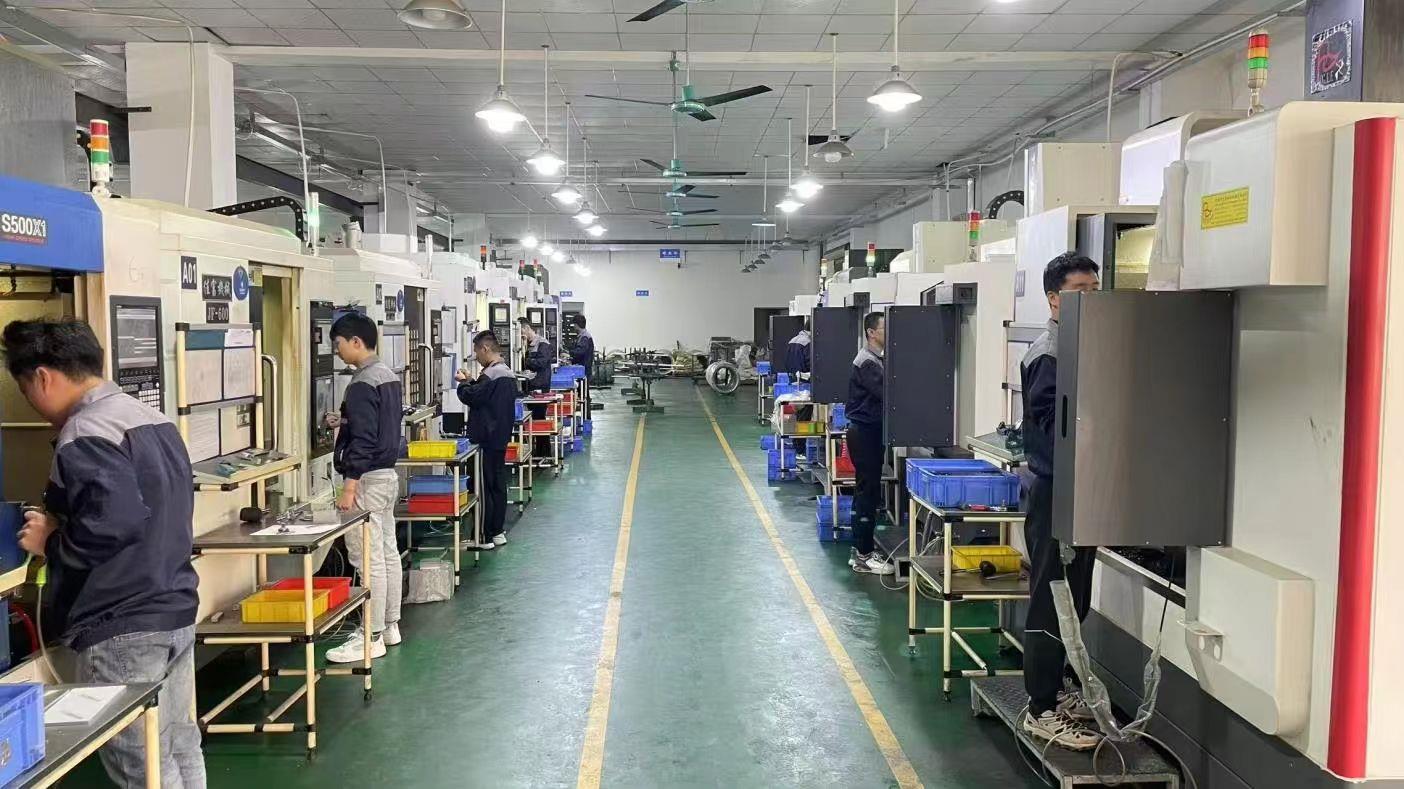
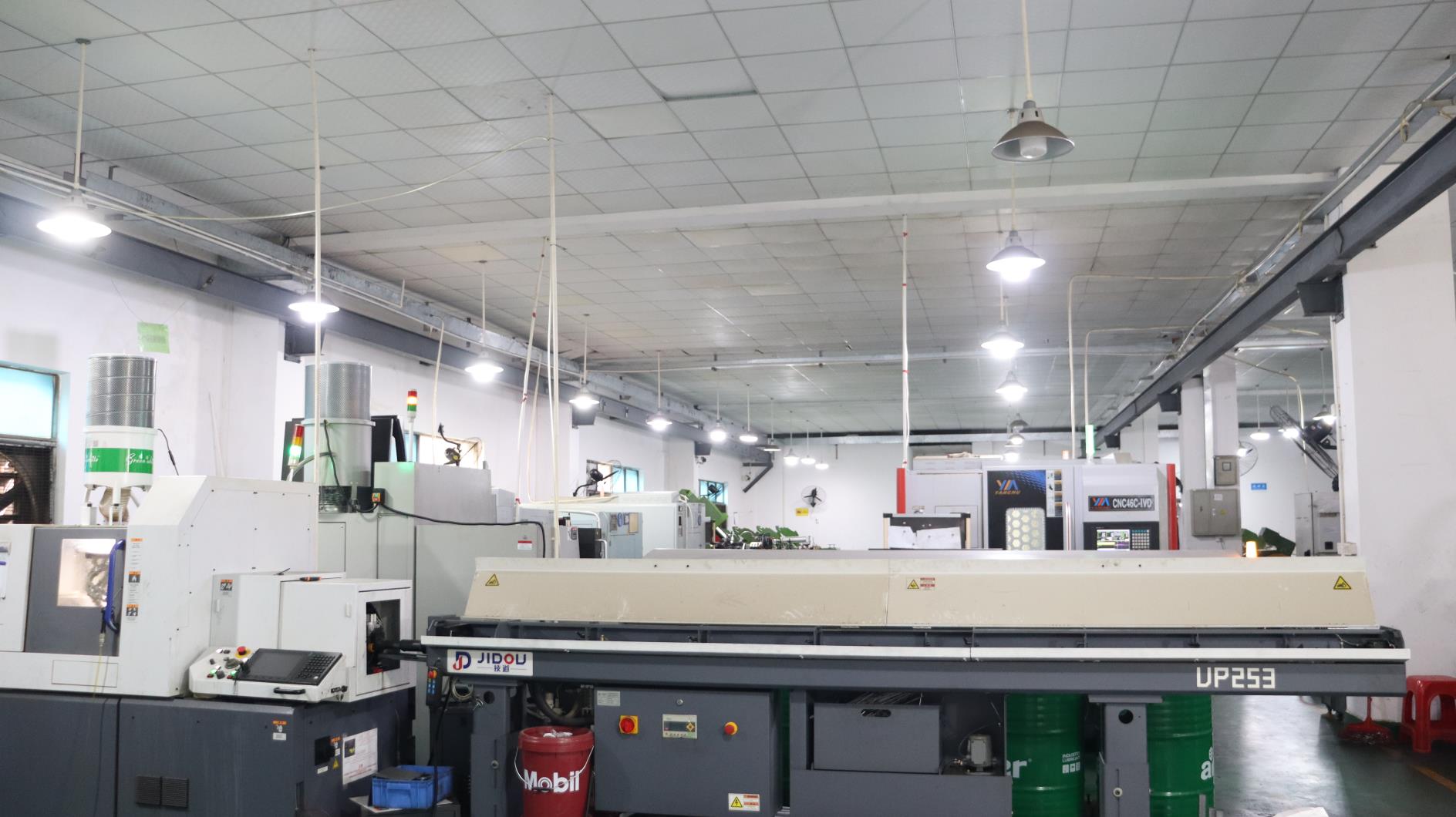
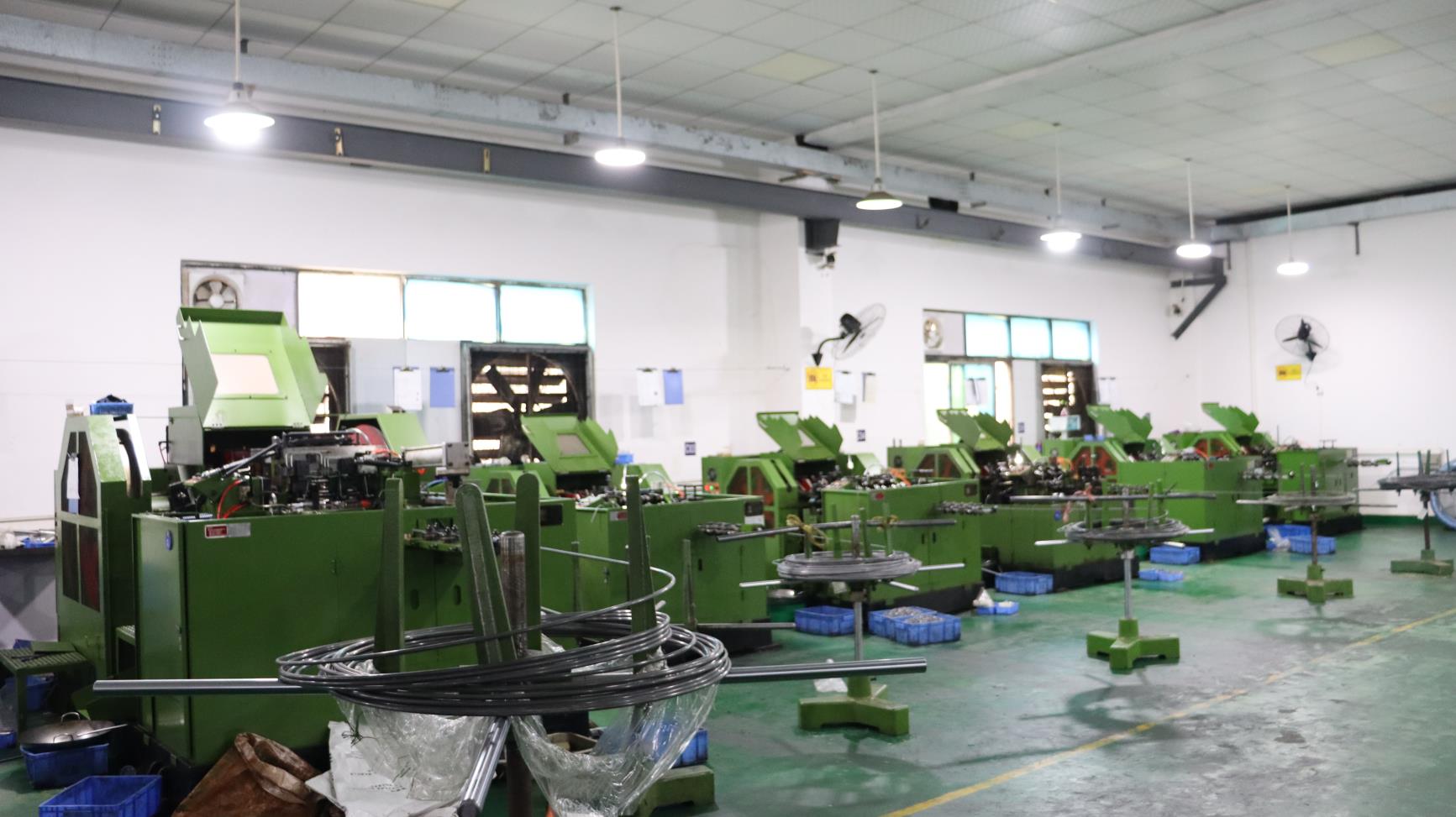
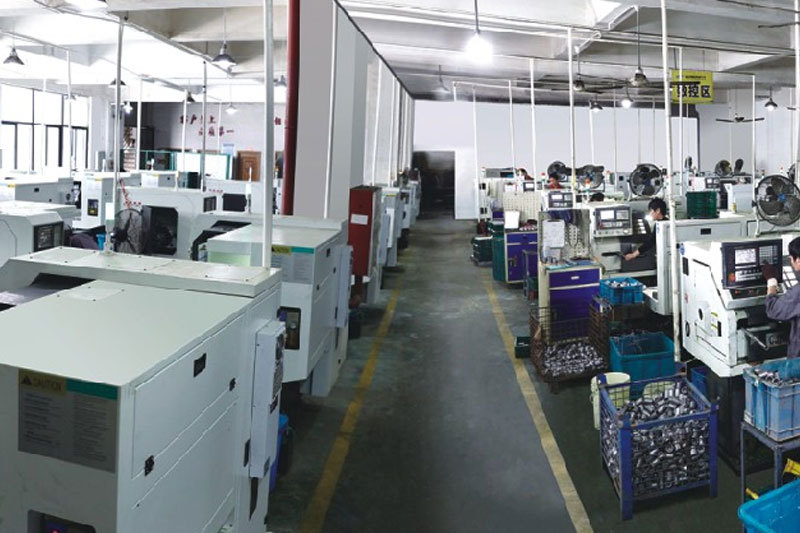
Our facility features high-speed CNC milling and turning machines, automatic screw lathes, and robotic casting lines, allowing us to maintain tight tolerances and easily scale production.

Rigorous Testing Culture

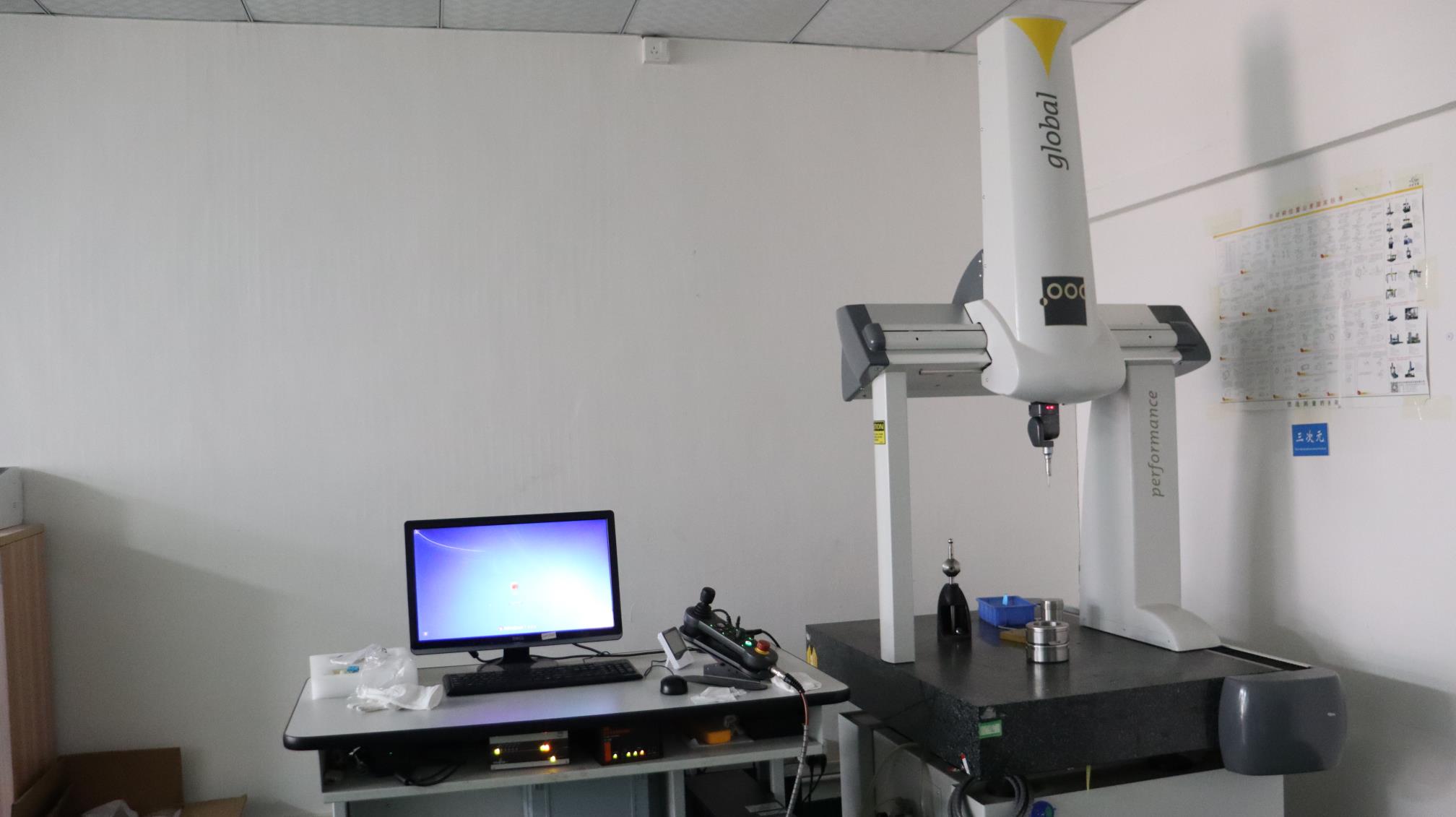
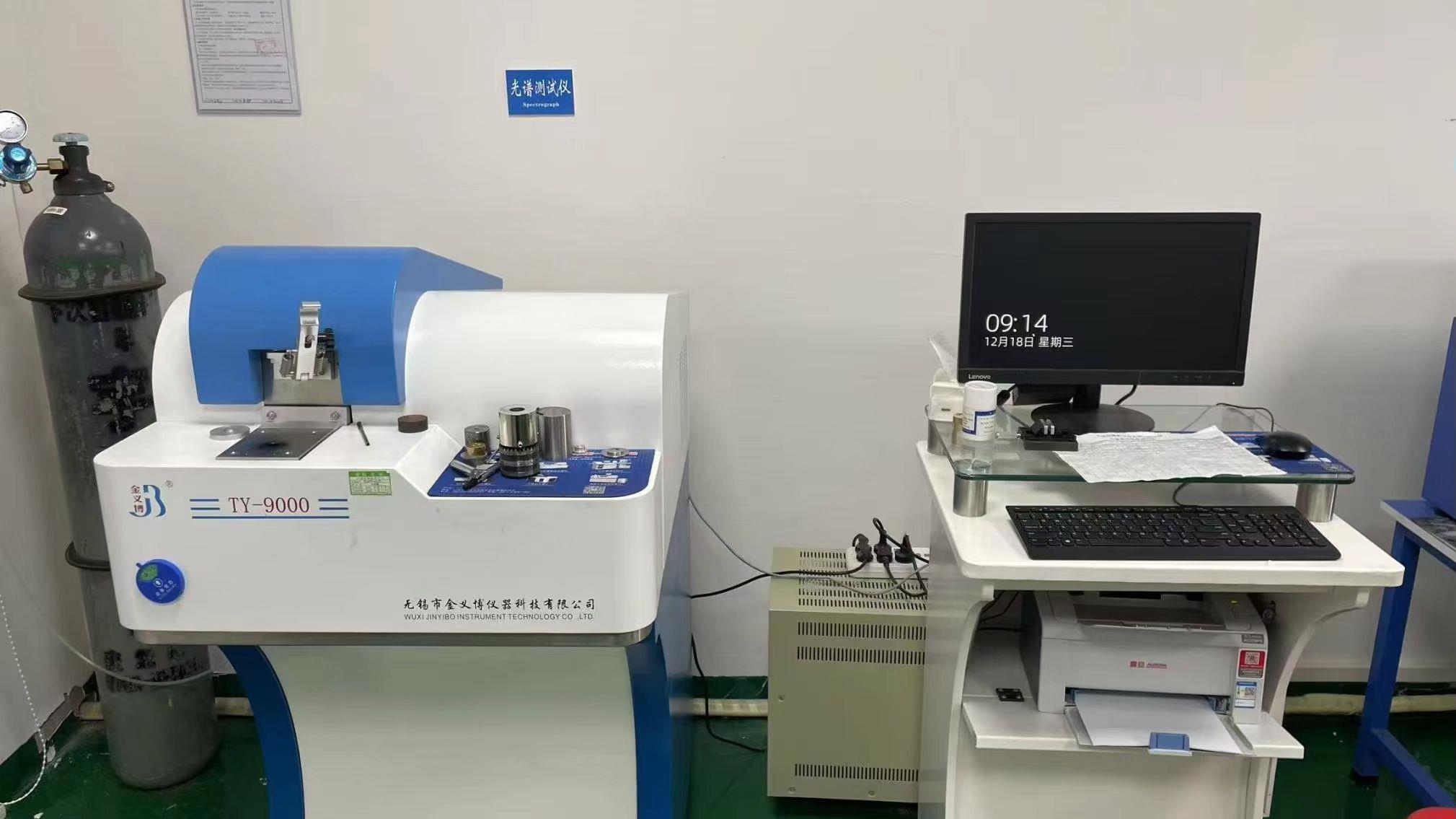
Equipped with high-precision CMM, spectrographs, and environmental testing chambers, we check every production run to guarantee compliance with regional global standards.

Our Advanced Manufacturing Plant & Test Facilities

A look at our plant floor: where precision engineering, rigorous quality control, and testing ensure top-tier component performance.
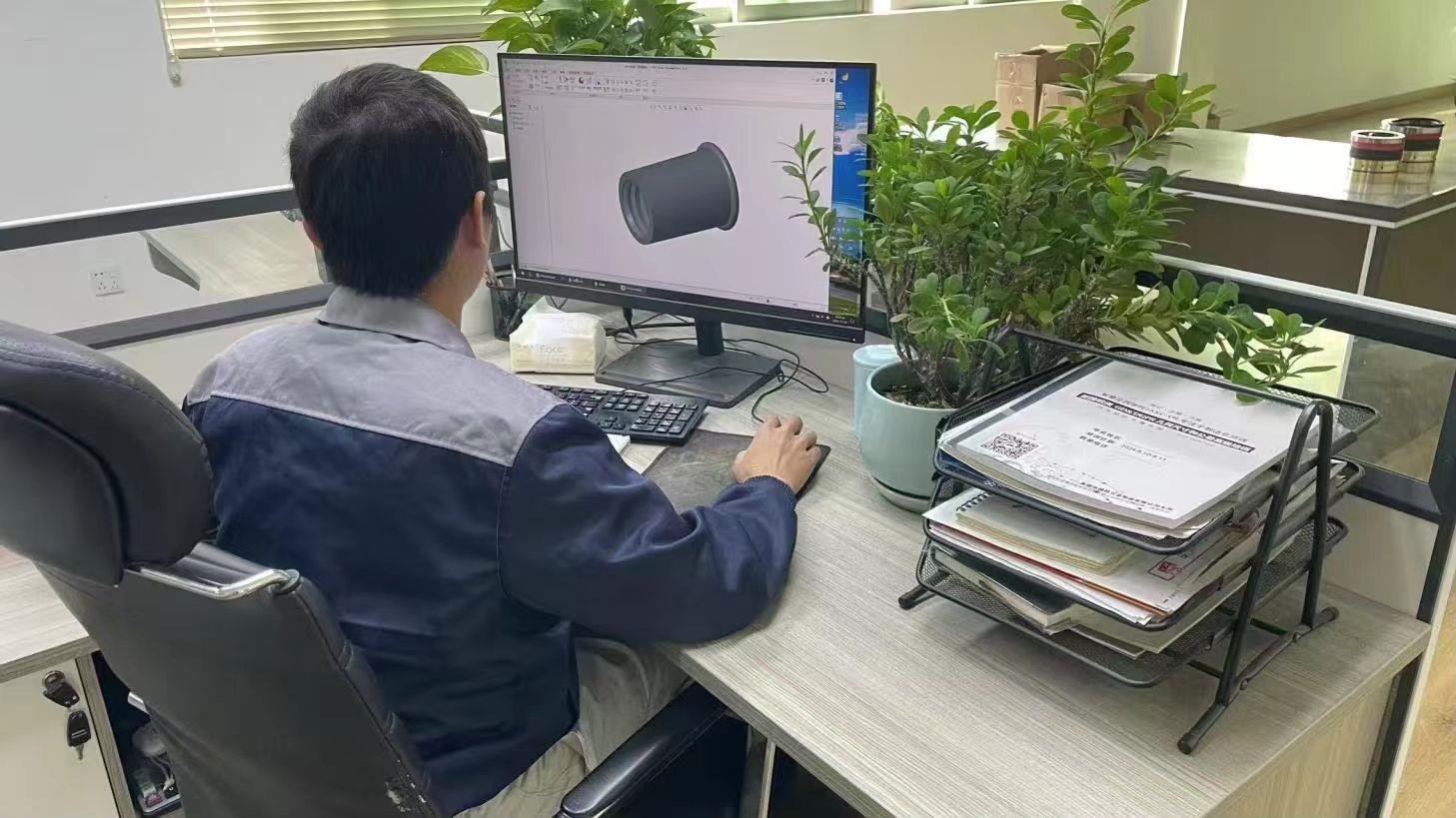
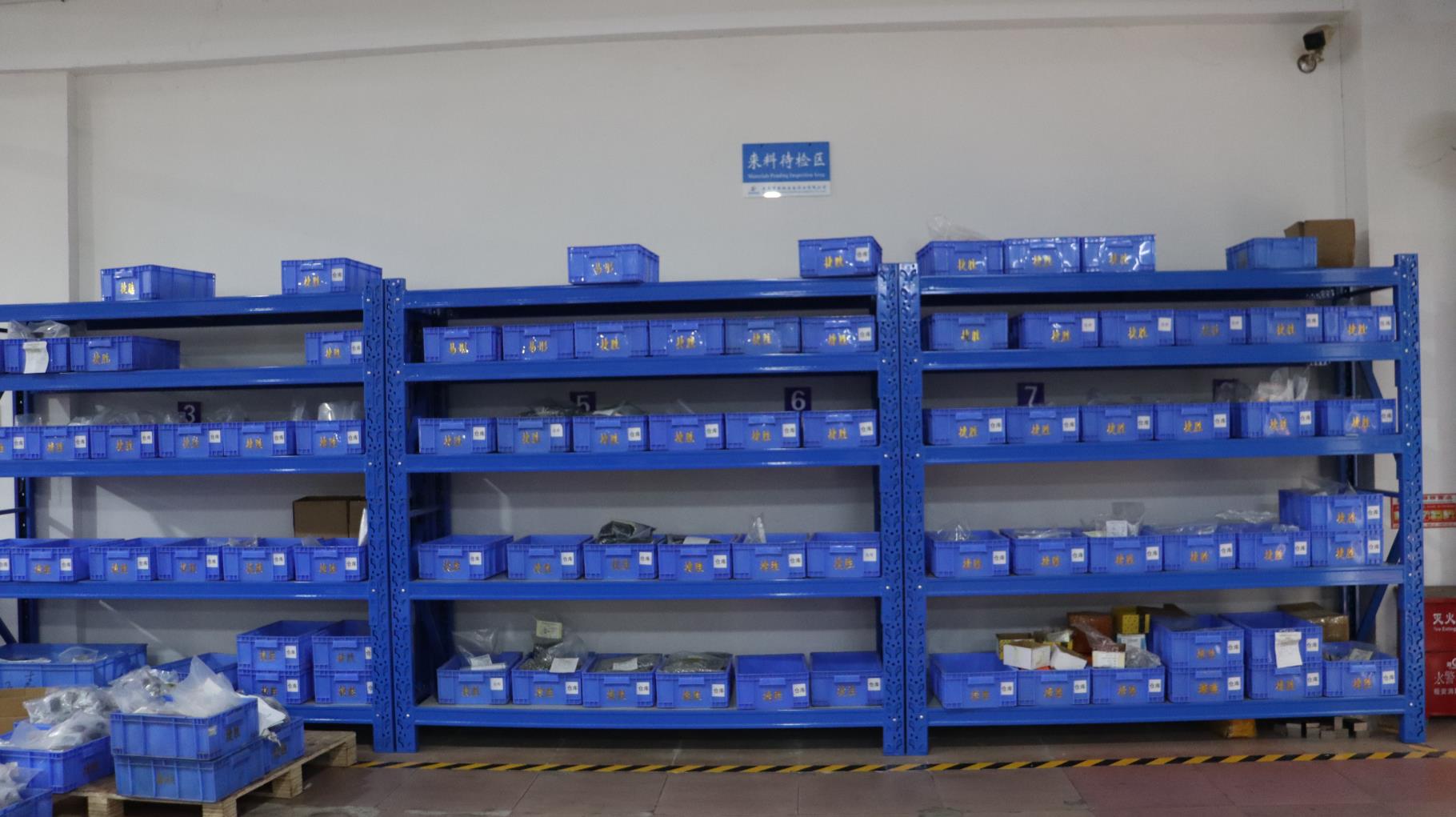
R&D Division
R&D Division
Raw Material Warehouse
Raw Material Control
Testing Department
Testing Center
Machining Department
Machining Floor
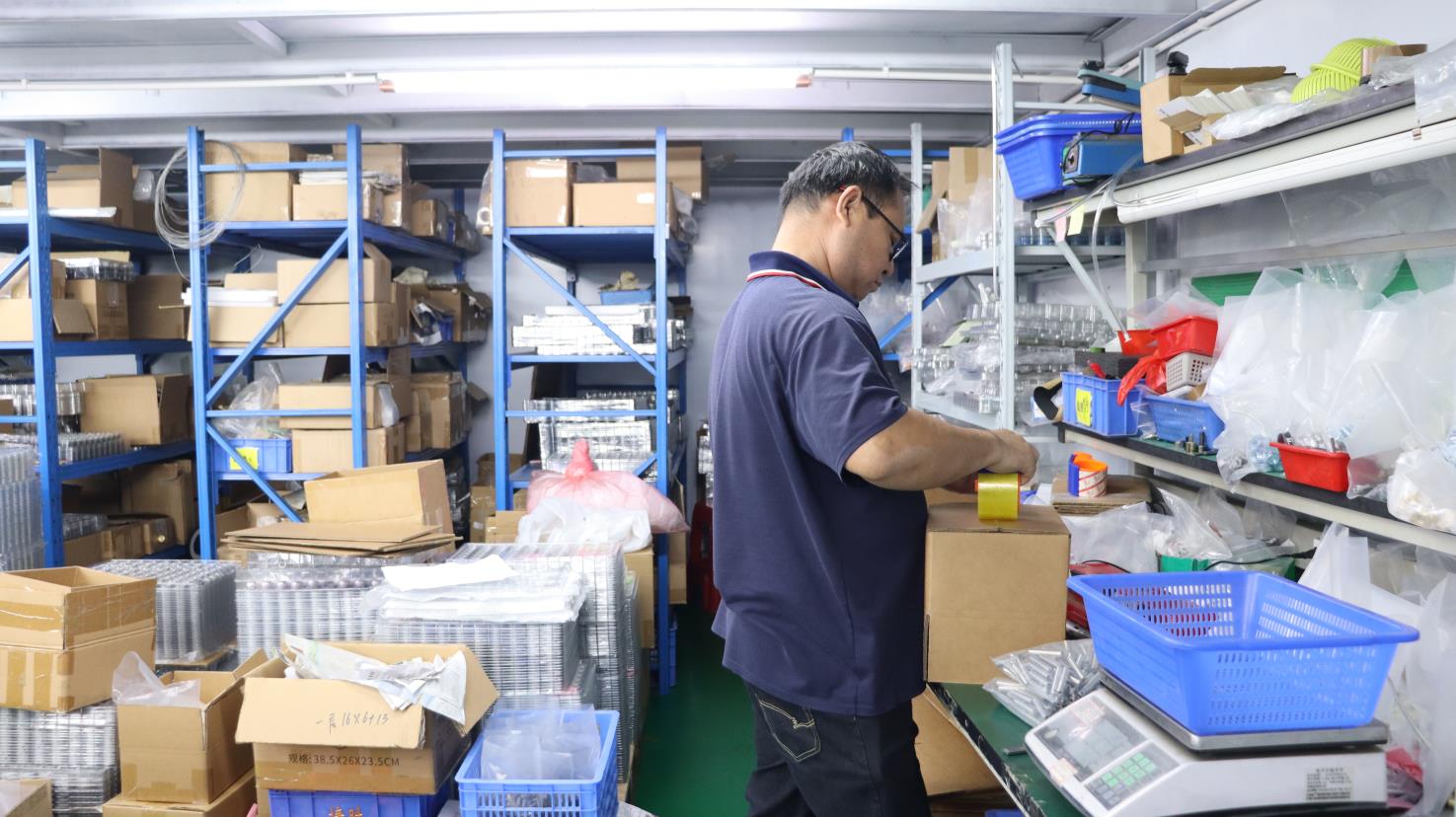
QC & Packaging
QC & Packaging
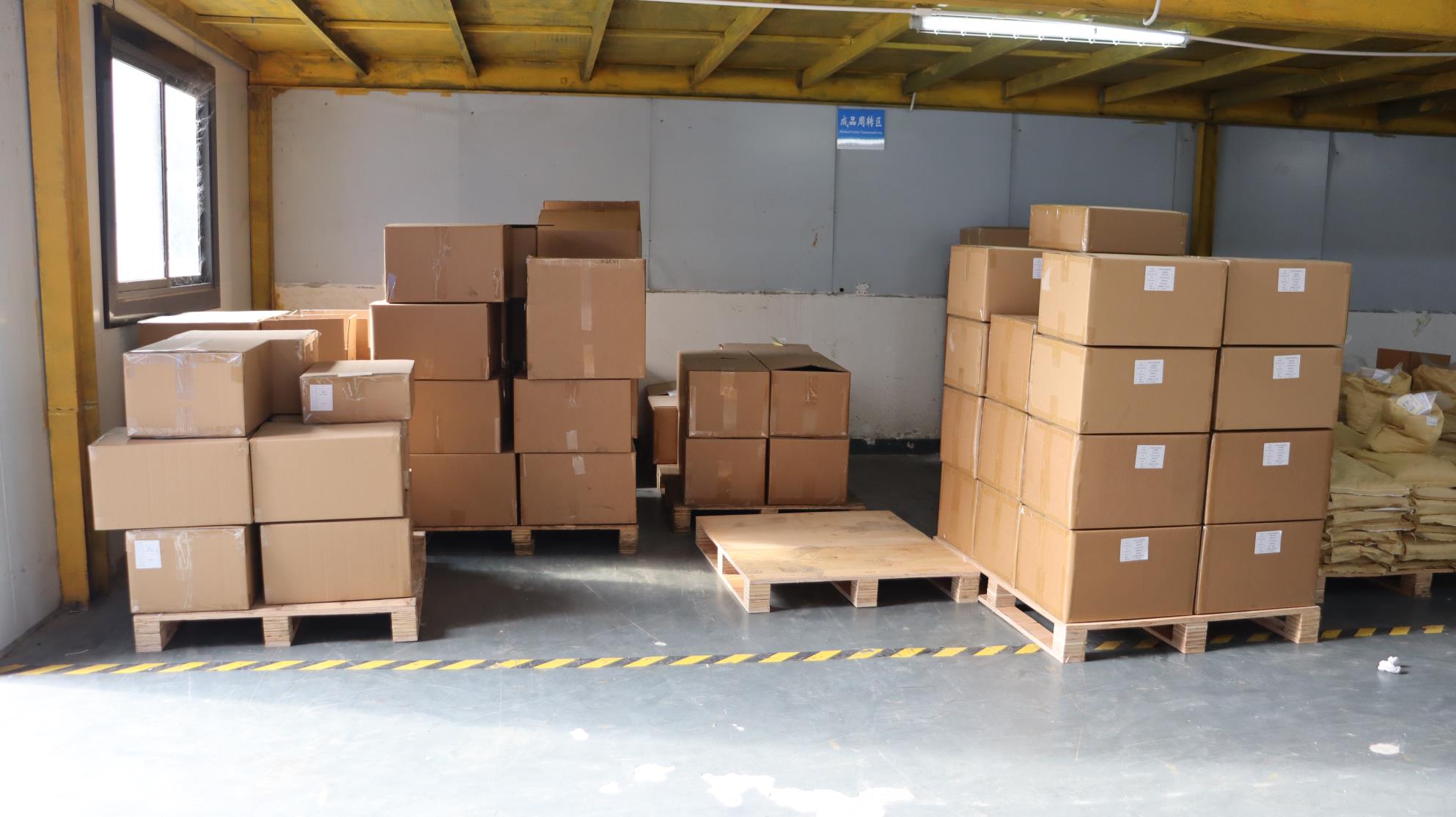
Warehouse
Logistics Warehouse
CNC Milling Machine
CNC Milling Machine
CNC Turning Machine
CNC Turning Machine
Screw Machine
Screw Machine
Coordinate Measuring Machine (CMM)
CMM Metrology
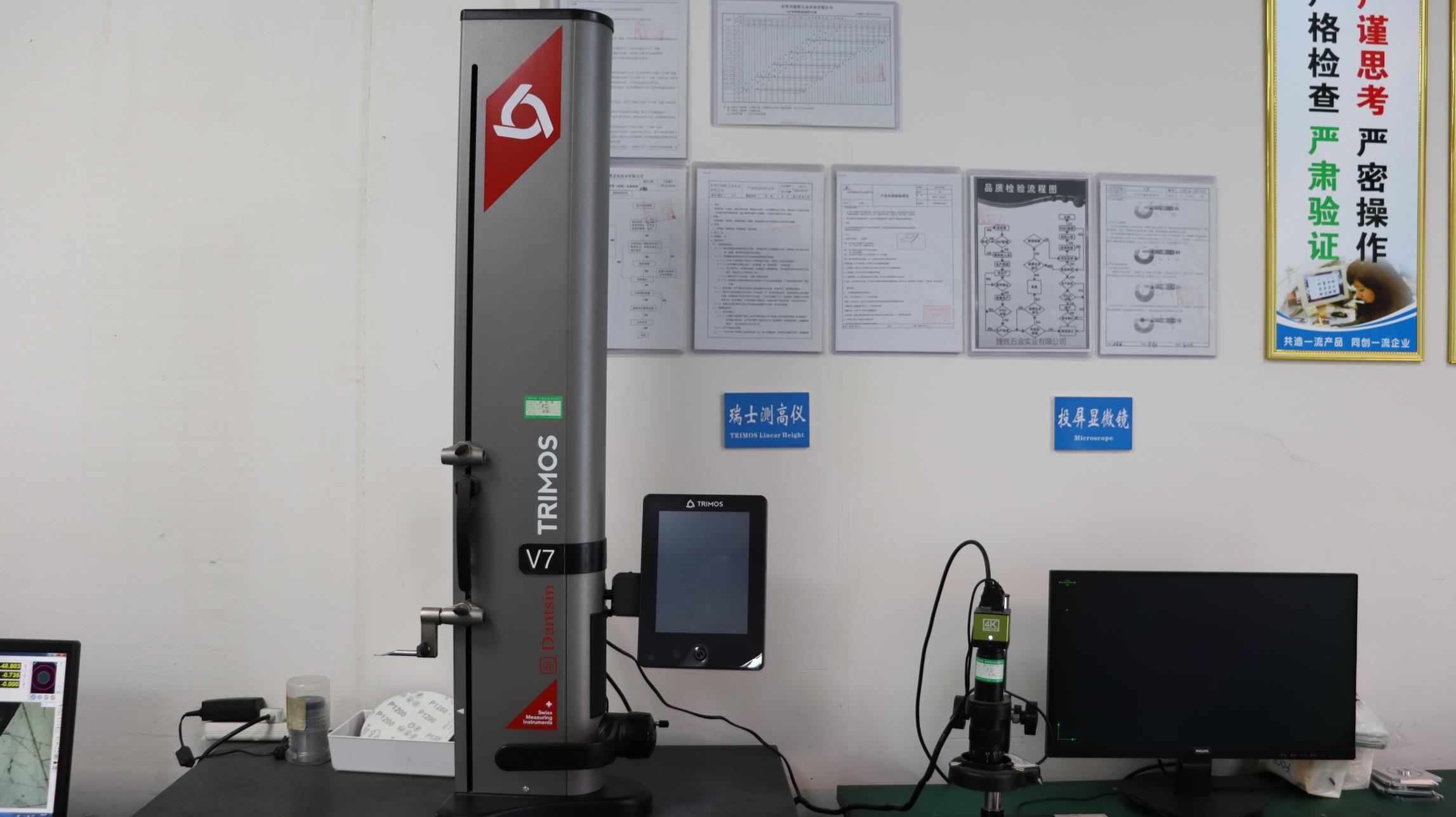
Height Indicator
Height Indicator
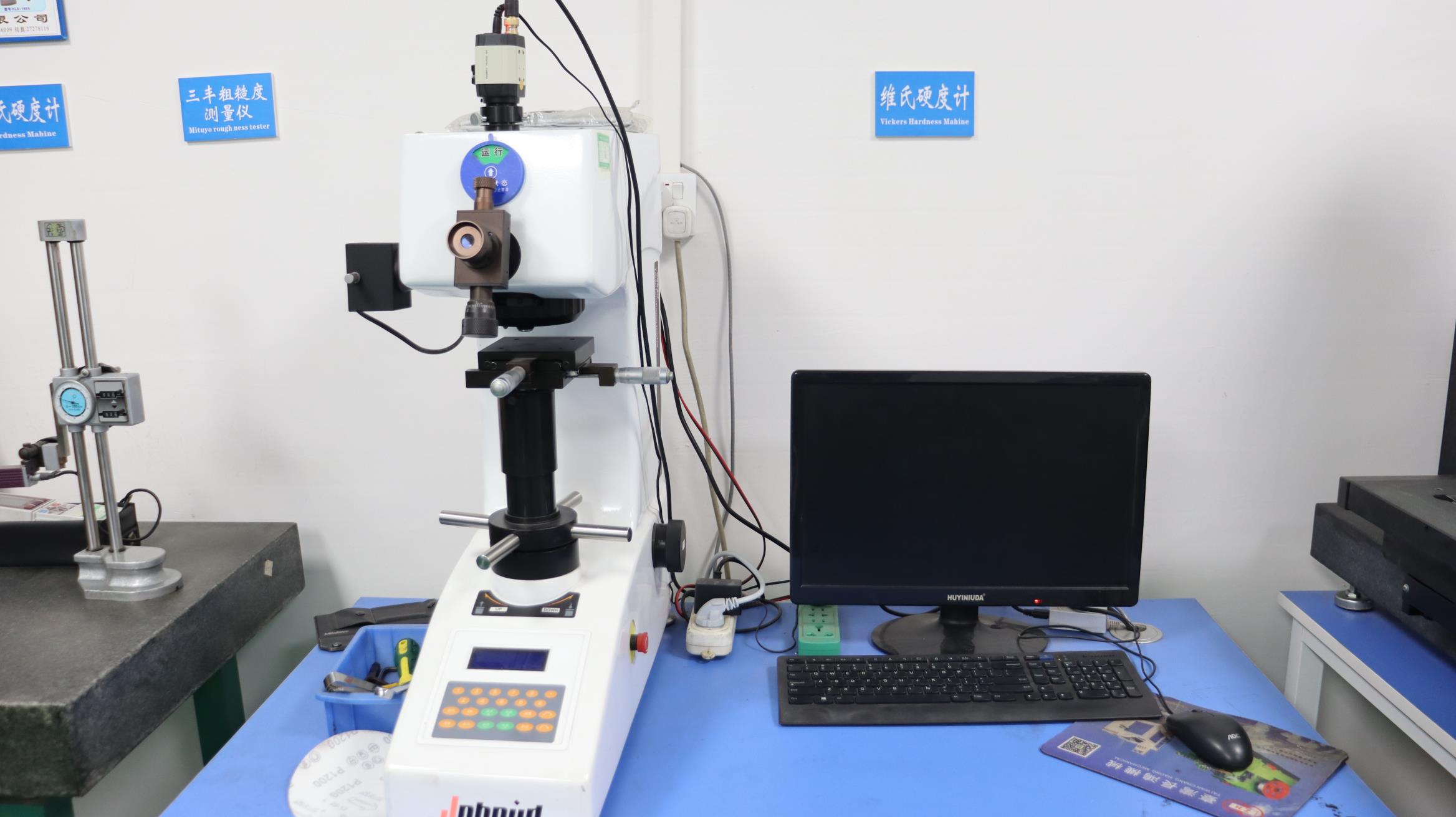
Vickers Hardness Tester
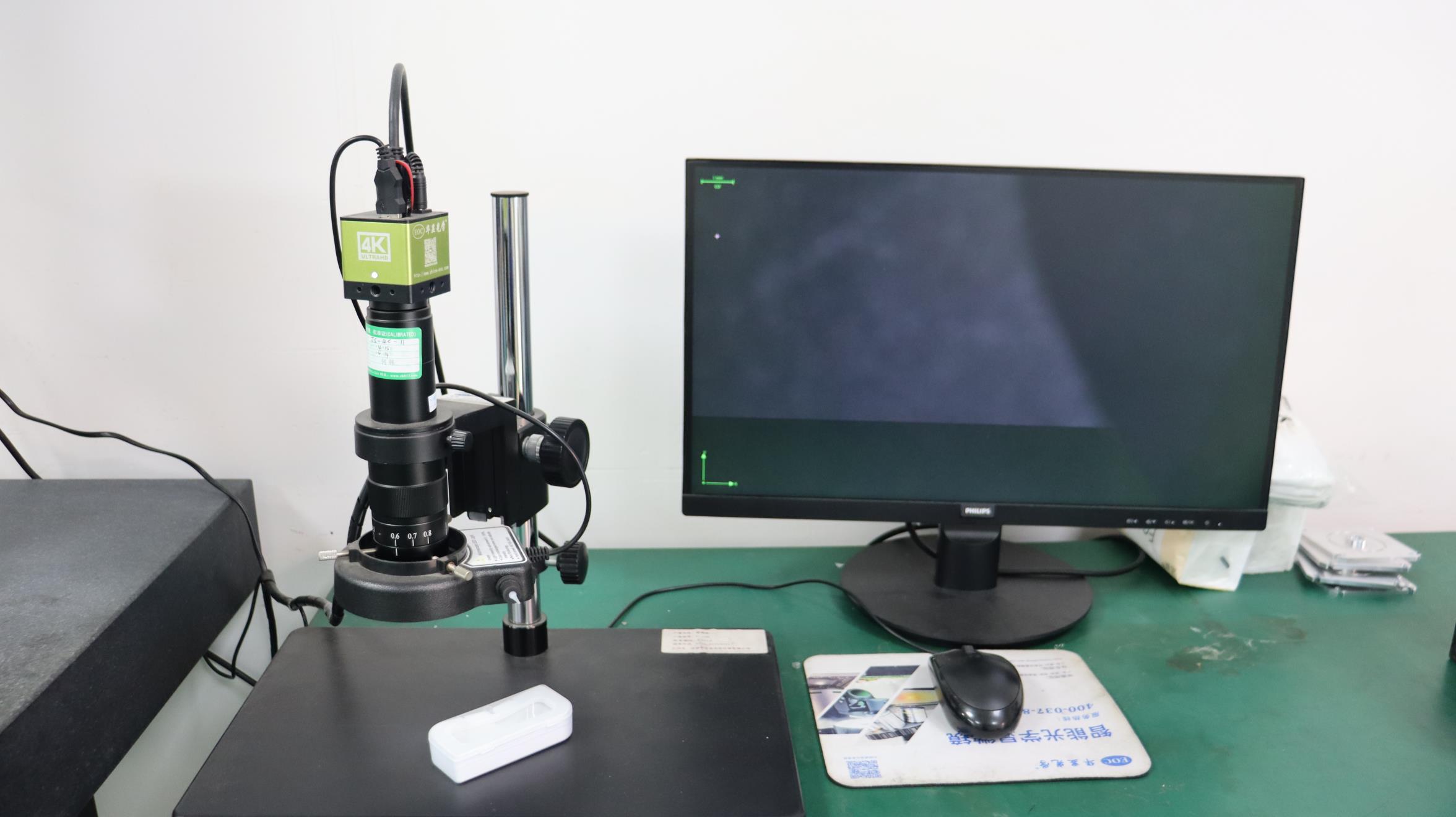
Microscope Inspection
Microscope Analysis
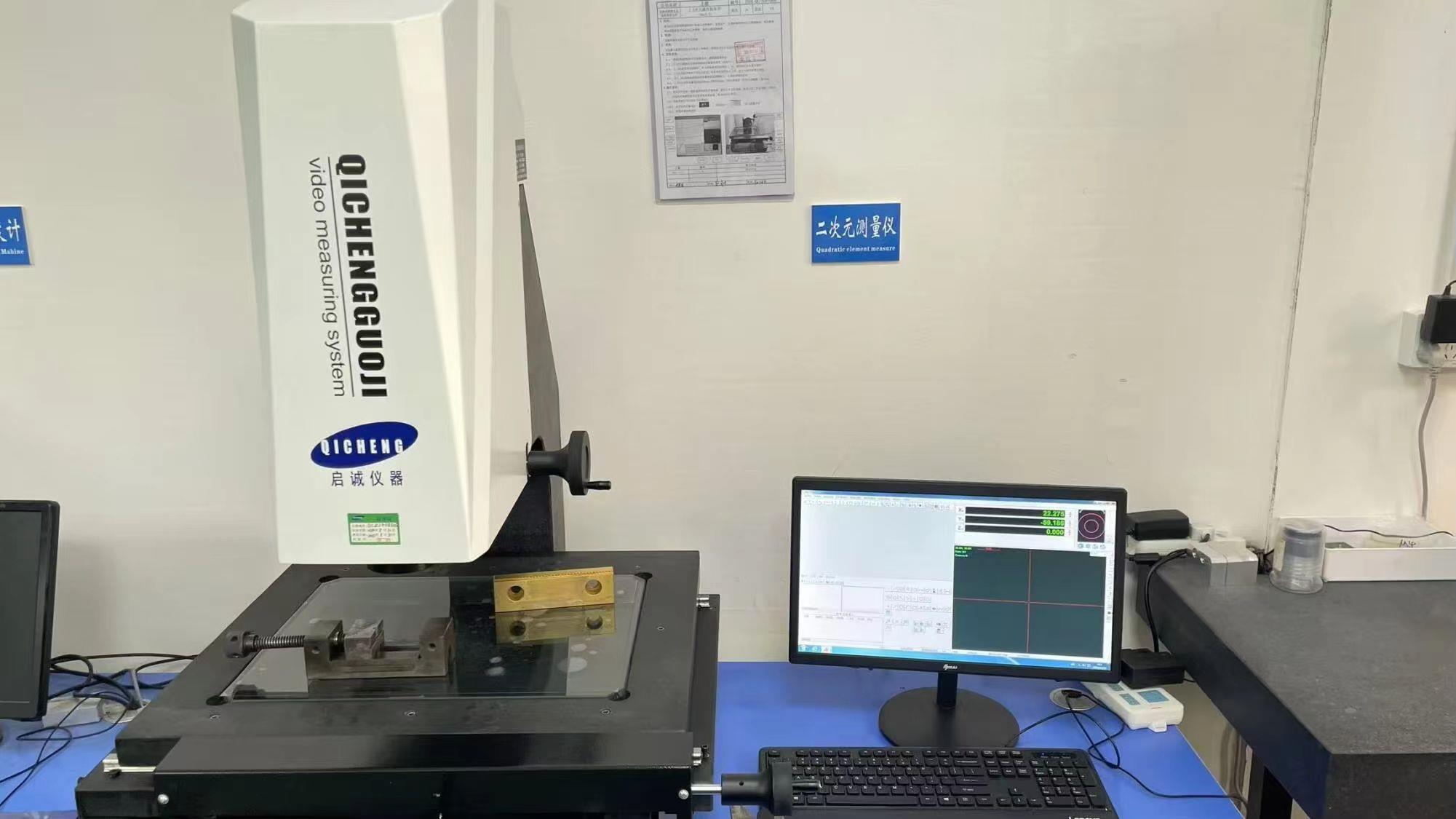
Two-Dimensional Image Measuring Instrument
2D Image Measurement
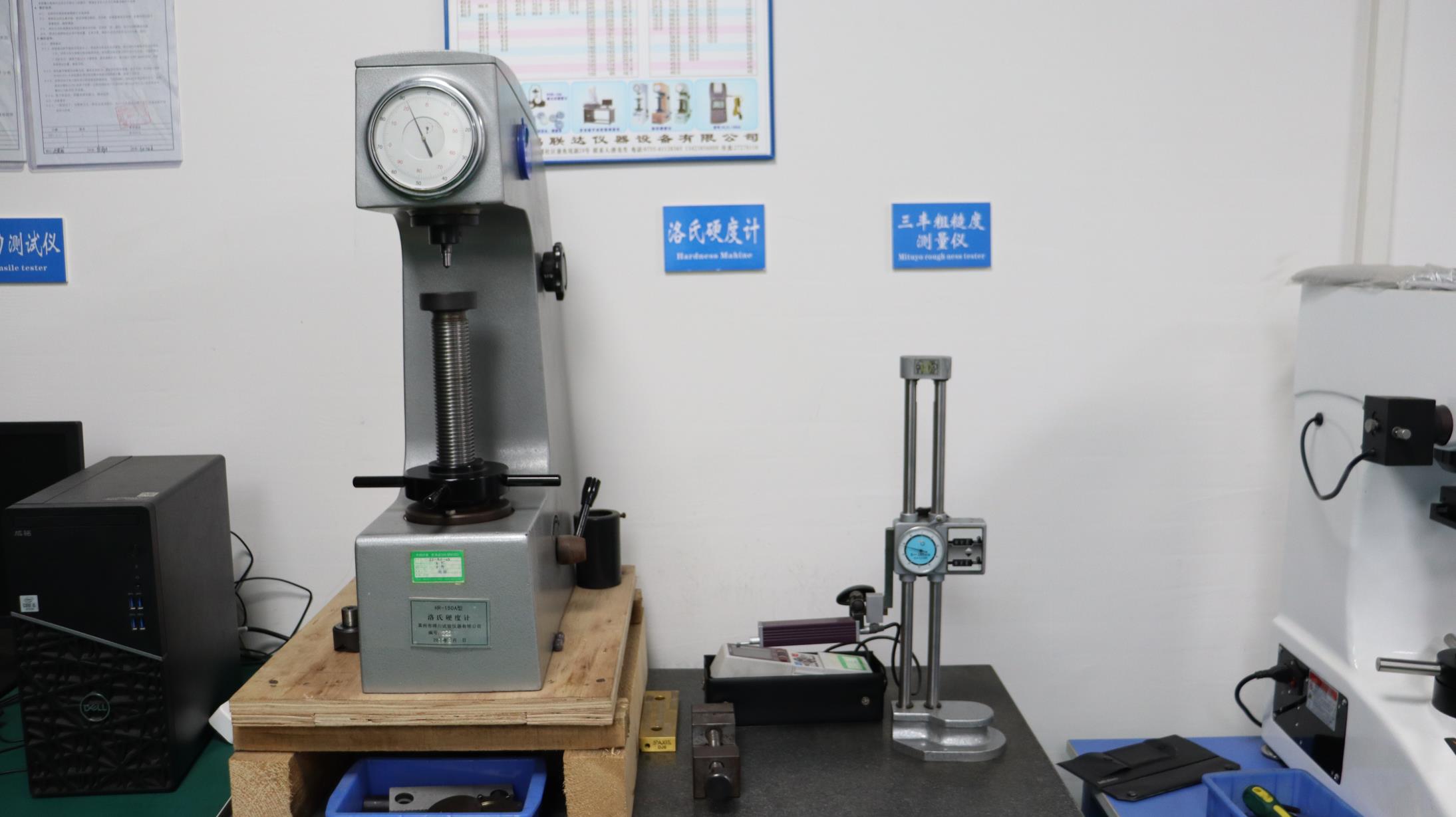
Rockwell Hardness Tester
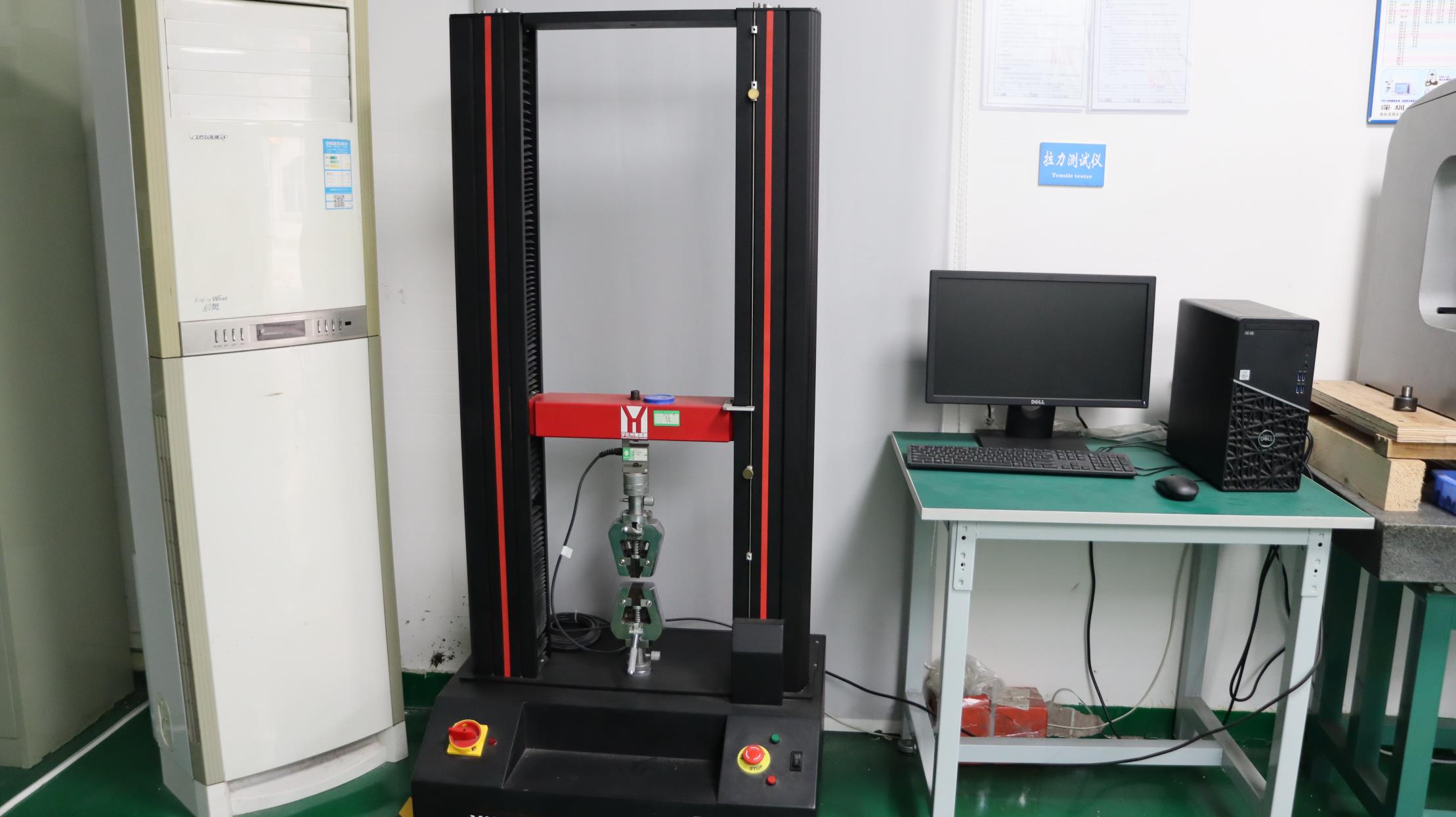
Tensiometer
Tensiometer (Tensile Tester)
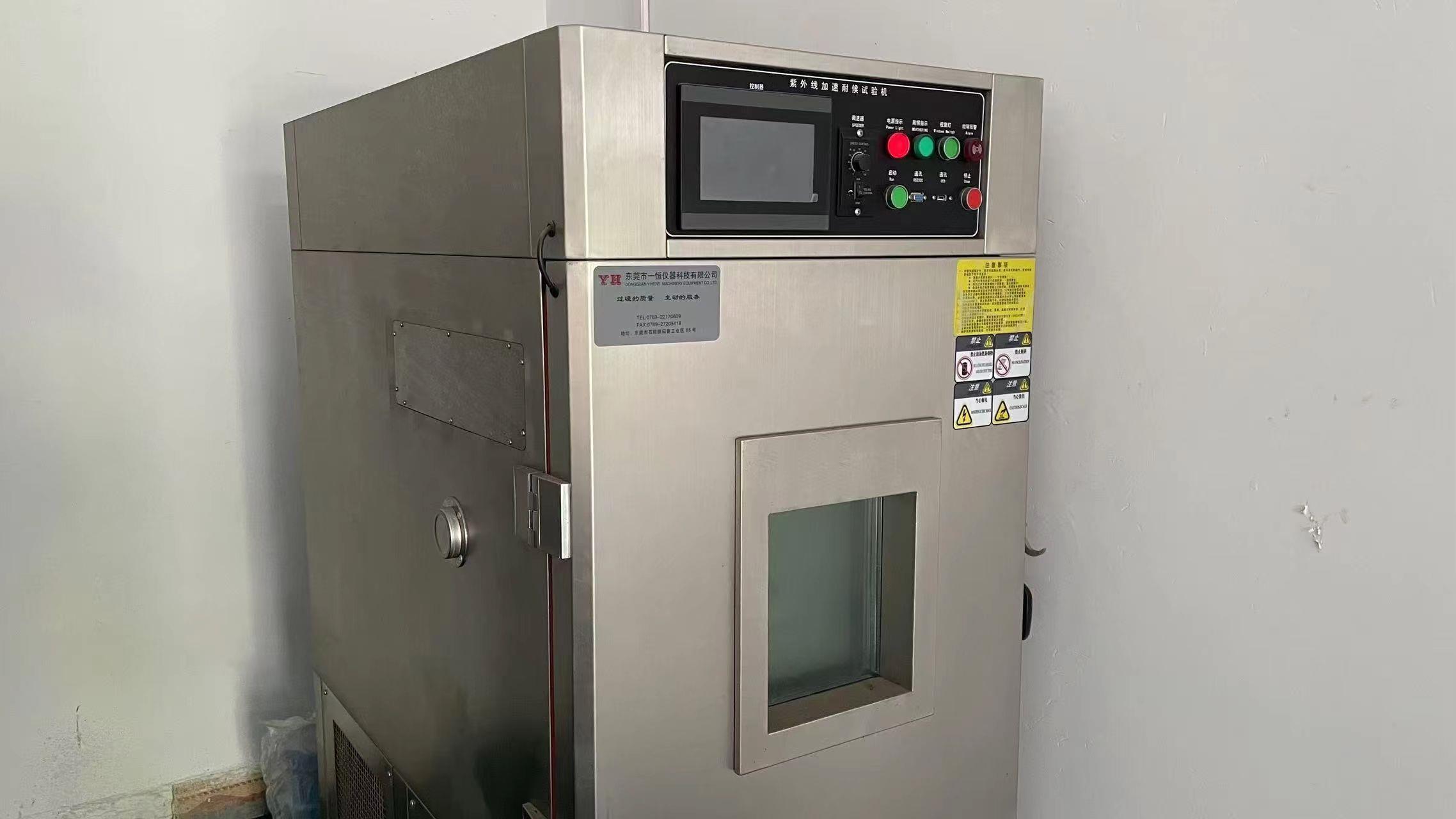
Ultraviolet accelerated weathering tester
UV Accelerated Weathering
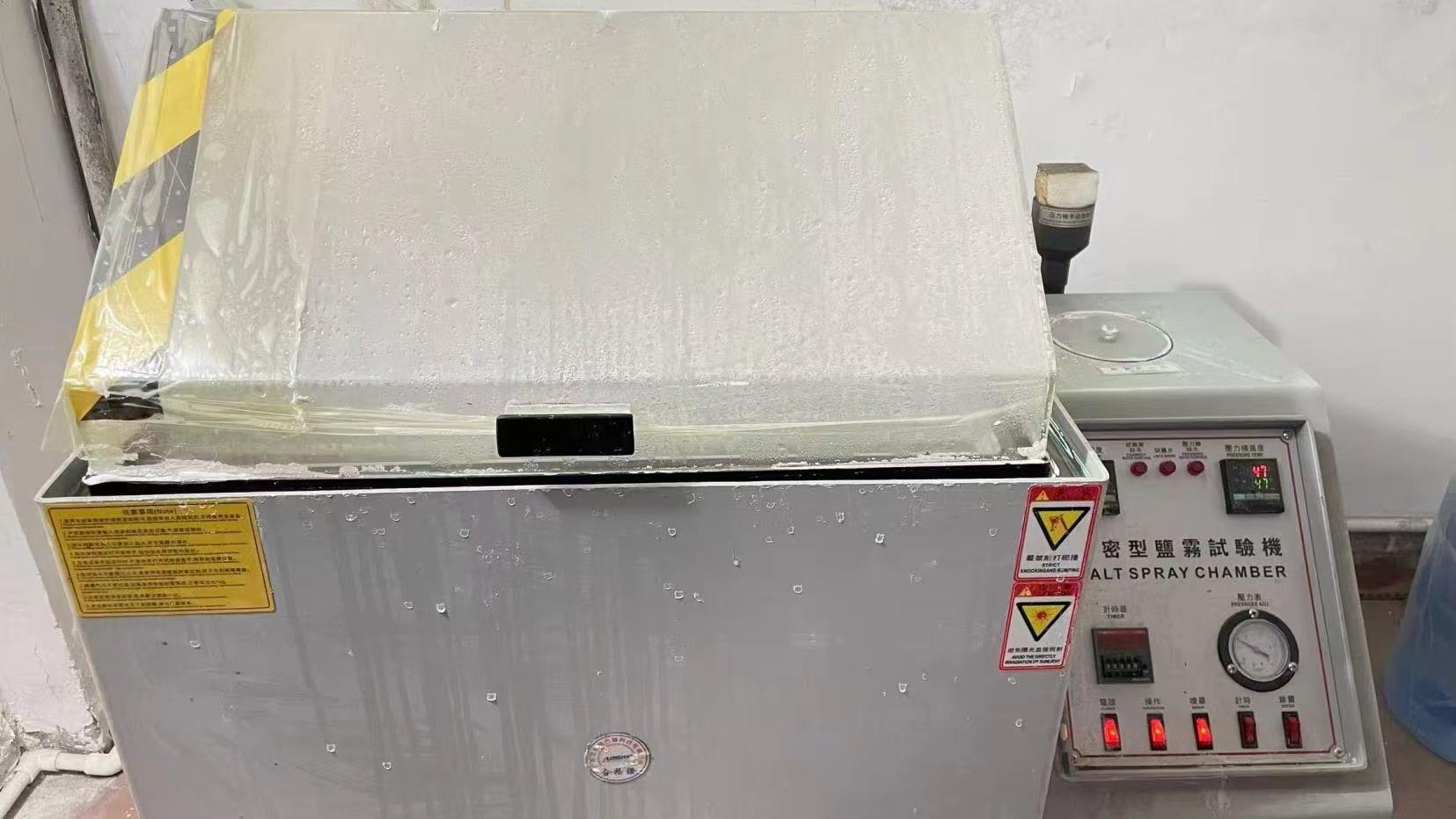
Salt Spray Tester
Salt Spray Corrosion Tester
Direct Reading Spectrograph
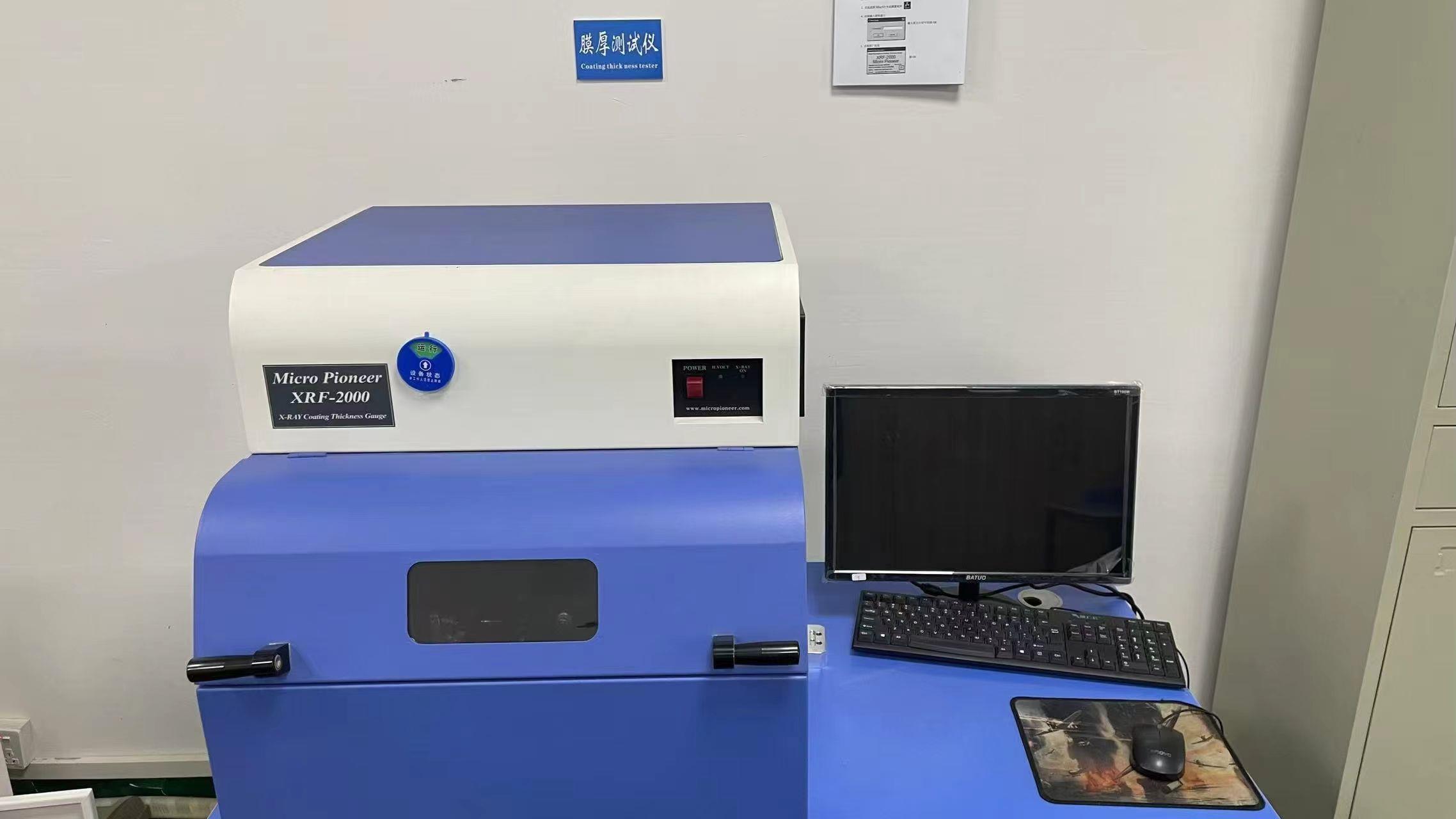
Coating Thickness Tester

Macro Industry Solutions & Localized Application Scenarios

How Yuhuan Zizel addresses complex global braking challenges across diverse light and commercial vehicle platforms.

1. Commercial Fleet Logistics and Heavy Duty Performance

Heavy-duty trucks (e.g., Mitsubishi, Renault, Volvo platforms) operating in long-haul logistics generate significant thermal energy. Conventional brake components can suffer from heat fade, where friction levels drop.

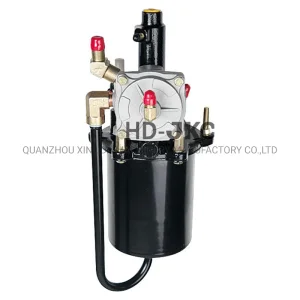
Our macro solution features dynamically balanced truck brake drums and air boosters designed for quick pressure changes. By optimizing the gray cast iron microstructures (HT250/HT300) in our drums, we improve heat dissipation, ensuring consistent braking performance for heavy vehicles descending steep grades.

2. Passenger Car Calibration and Noise Minimization

For passenger cars, such as Hyundai and Toyota, noise, vibration, and harshness (NVH) are critical concerns. Our range of caliper guide pins, return springs, and rubber-coated noise shims are designed to minimize micro-vibrations between the pad and the caliper piston.

Our guide pins feature close tolerances and specialized surface plating to prevent binding. This ensures uniform wear across both pads and helps eliminate low-frequency brake groan.

3. Off-Road and Harsh Environmental Applications

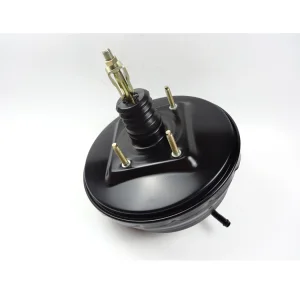
Off-road passenger vehicles, like the Toyota Land Cruiser HZJ80, and construction trucks require extra protection from dust, moisture, and mud. Our power brake boosters and caliper brackets are treated with anti-corrosion powders and passivating coatings. They are salt spray tested for over 240 hours to ensure they resist environmental degradation in demanding construction and off-road applications.

Future Trends in Brake Compatibility Engineering

The automotive industry is evolving rapidly, and brake engineering is adapting to three major developments:

  • Electric Vehicle (EV) Integration: EVs rely heavily on regenerative braking, which changes the thermal profile of the hydraulic system. Because hydraulic brakes are used less frequently, components are more susceptible to corrosion from moisture buildup. Protecting calipers, pistons, and guide pins with high-grade coatings is now essential.
  • Lightweight Materials: There is a strong industry push to reduce unsprung weight to improve fuel economy and battery range. Advanced cast iron alloys and hybrid brackets are being developed to reduce weight while maintaining overall strength.
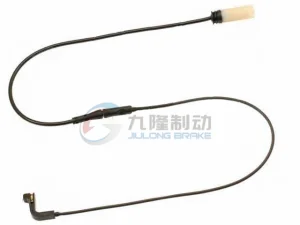
  • Smart Brake Wear Monitoring: As autonomous driving technology advances, real-time feedback is required. Standard wear sensors are evolving into smart sensors that can predict remaining pad life based on wear rates, temperature changes, and driving habits.

Global Procurement & Supply Chain Risk Management

Purchasing automotive components internationally requires careful quality control and logistics management. Global buyers must evaluate:

  1. Standard Certifications: Ensure the factory is certified to IATF 16949:2016. This standard is crucial for automotive suppliers, as it governs defect prevention, waste reduction, and supply chain consistency.
  2. Material Traceability: Verify that raw materials are tested using a Direct Reading Spectrograph to confirm the chemical composition before casting or machining.
  3. Testing Verification: Check that suppliers perform essential tests, such as CMM inspections, Rockwell/Vickers hardness tests, and salt spray testing, to verify component durability.

Brake Compatibility & Sourcing FAQ

Answers to common technical and logistics questions from procurement managers and engineers.

Q: Why is IATF 16949:2016 certification critical for brake compatibility manufacturers?
A: IATF 16949:2016 is the global quality management standard for the automotive industry. It goes beyond ISO 9001 by requiring strict process controls, product safety assessments, and risk analysis (FMEA). For critical parts like brakes, this certification ensures consistent quality and helps prevent production defects.
Q: How do SAE J1401 and DOT standards apply to brake hoses?
A: SAE J1401 and DOT (FMVSS 106) specify the performance requirements for hydraulic brake hoses. These standards test for burst strength, volumetric expansion under pressure, ozone resistance, and coupling tensile strength. PTFE and Kevlar braided hoses must meet these requirements to perform safely under high pressures.
Q: What is the difference between HT250 and HT300 cast iron for caliper brackets?
A: HT250 offers a tensile strength of 250 MPa, providing a good balance of machinability, thermal conductivity, and structural strength. HT300 has a higher tensile strength of 300 MPa and offers greater resistance to wear and deformation, making it ideal for heavy commercial vehicle applications that handle higher mechanical loads.
Q: What causes caliper guide pins to bind, and how does your design prevent it?
A: Caliper guide pins can bind due to corrosion, dirt entry, or using lubricants that damage the rubber boots. We prevent this by precision grinding the pins to a smooth finish, applying corrosion-resistant platings, and supplying high-grade rubber seals that withstand chemical exposure and ozone aging.
Q: How does Yuhuan Zizel verify the dimensional accuracy of complex castings?
A: We use a Coordinate Measuring Machine (CMM) and 2D image measuring instruments to check critical dimensions. These systems allow us to measure tight tolerances down to the micron level, ensuring that caliper brackets, boosters, and guide pins fit properly on their matching vehicle platforms.