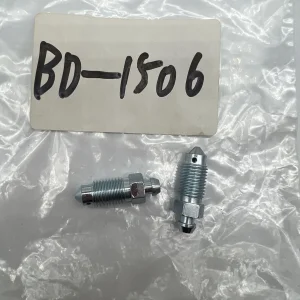
Premium components manufactured for precise OE replacement and robust commercial grade configurations.
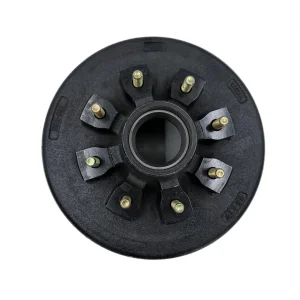
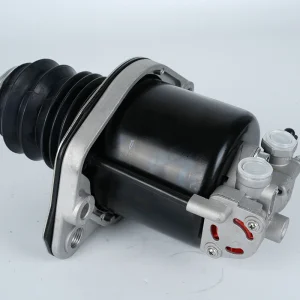
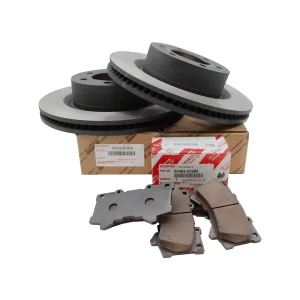
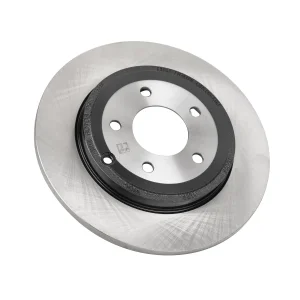
Strategically anchored in Yuhuan, Zhejiang, China—one of the global epicenters of precision automotive component manufacturing—Yuhuan Zizel Auto Co., Ltd. stands as a premier enterprise in manufacturing safety-critical brake and wheel end components. Guided by the core tenets of "Customer First, Quality First, Service First," we specialize in the comprehensive lifecycle of automotive braking parts, spanning advanced research & development, state-of-the-art CNC machining, scientific testing, and worldwide distribution.
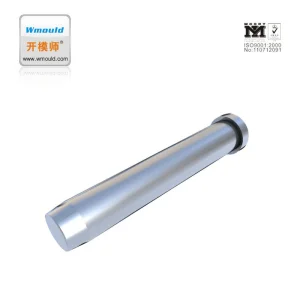
Our core manufacturing focus encompasses custom repair and calibration assemblies for both disc brake assemblies and drum brakes. We engineer critical wear components—including premium pistons, precision-ground guide bolts, heat-treated return springs, stainless steel cushion clips, and high-resiliency rubber seals—engineered to perform flawlessly under high thermal loads. Beyond the caliper, our metallurgical expertise extends to wheel axle components such as high-tensile wheel bolts, mounting nuts, high-pressure oil connectors, sliding shafts, and high-durability piston rings designed for light-duty passenger vehicles and heavy-duty commercial fleets.
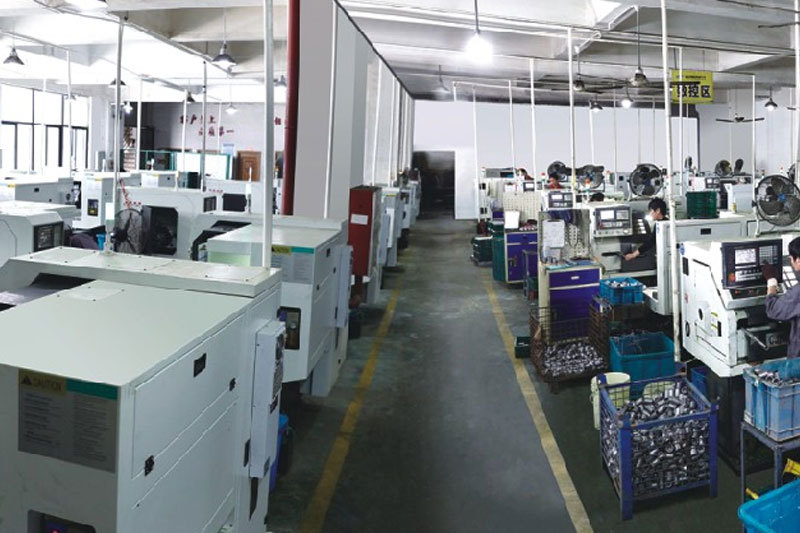
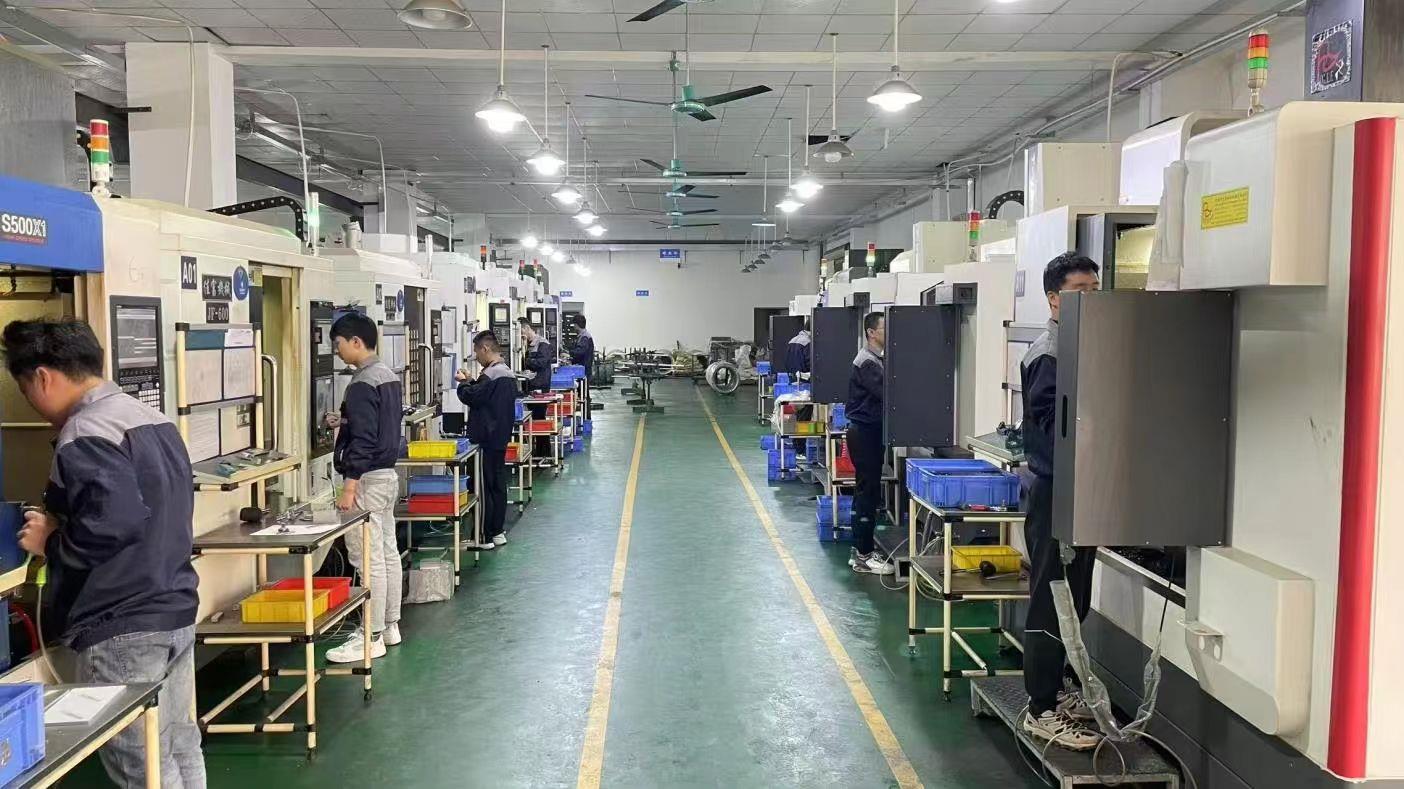
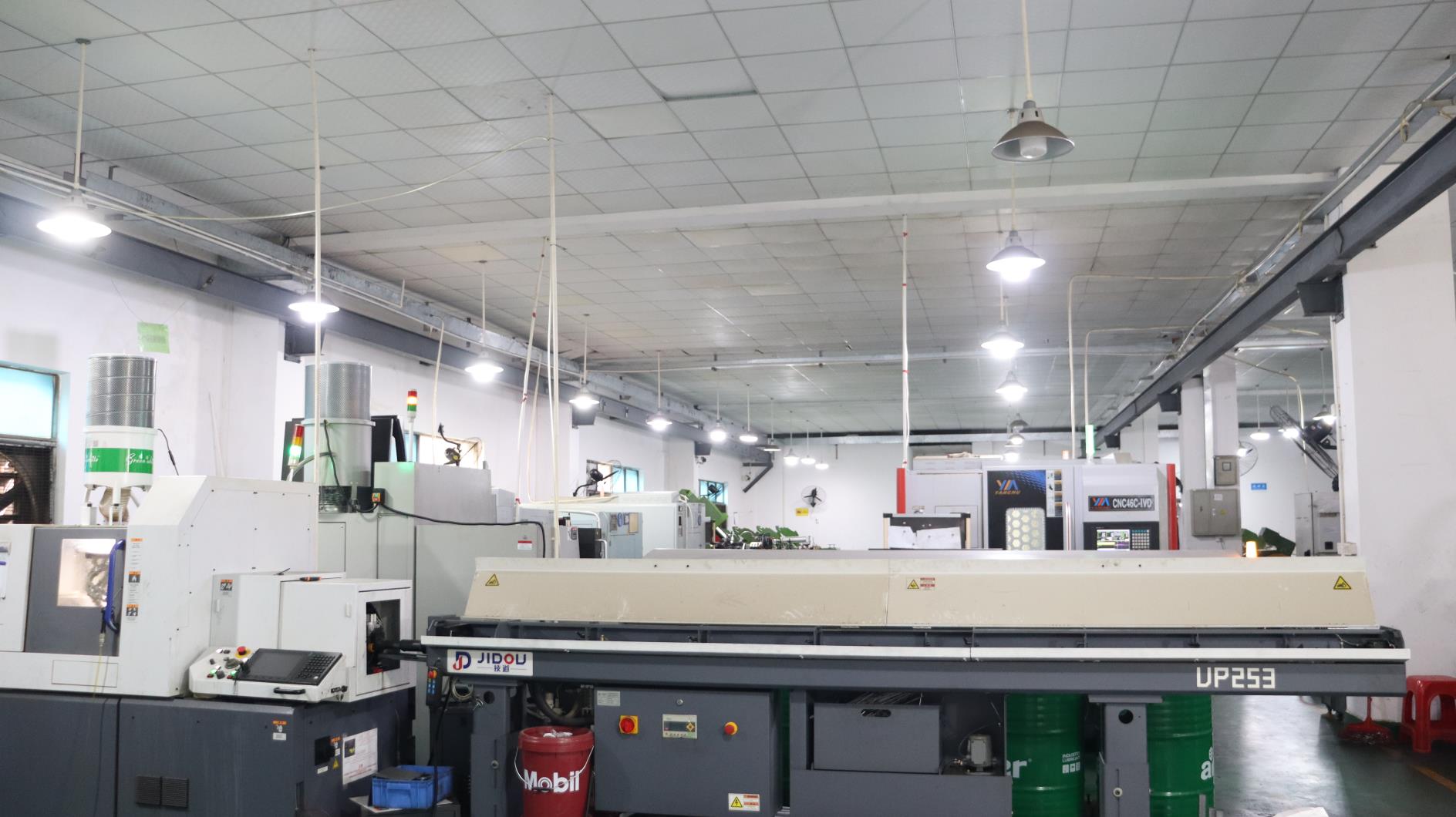
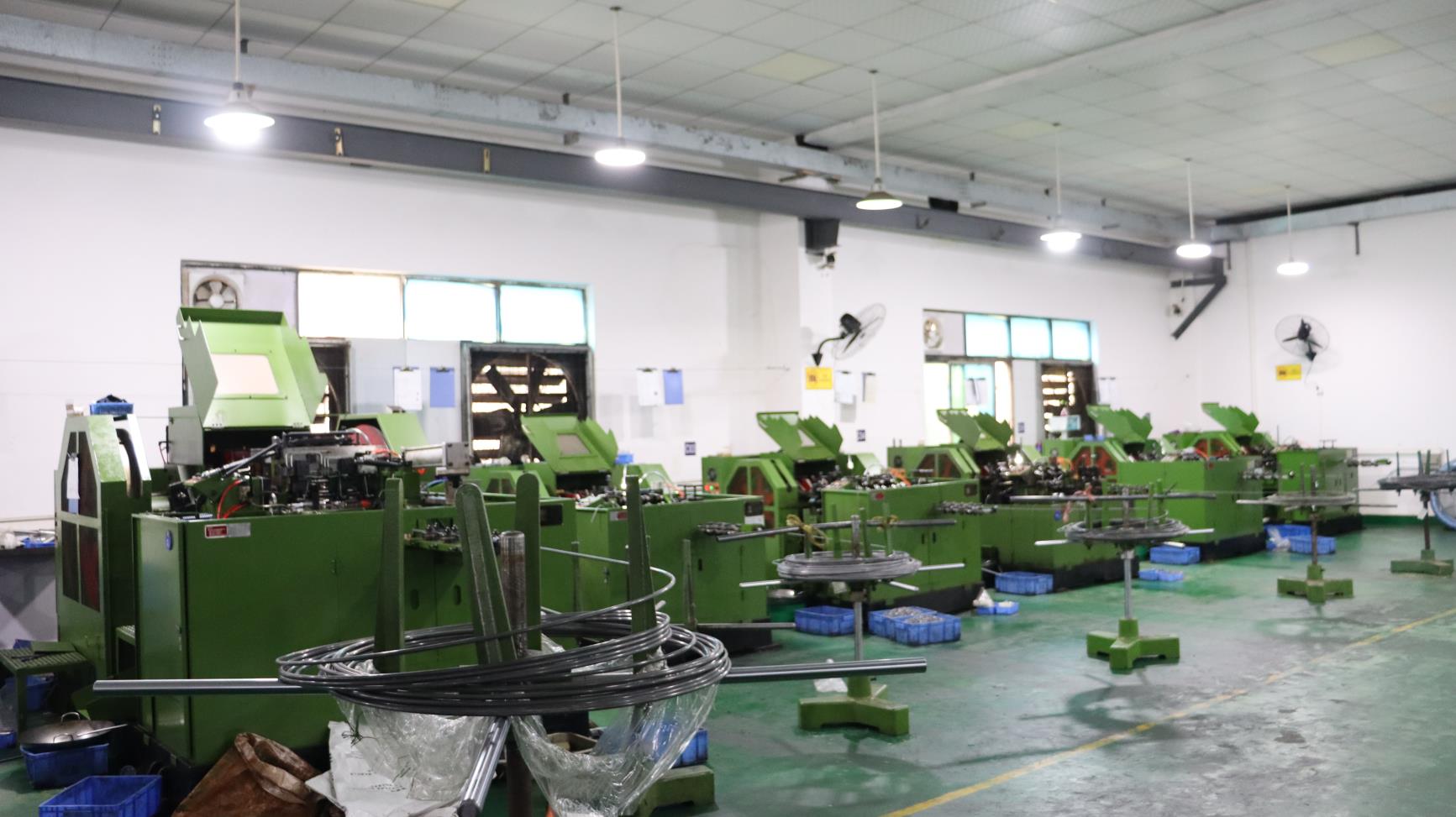
Yuhuan Zizel Auto Co., Ltd. Manufacturing Facility
When choosing an OEM/ODM manufacturing partner for safety-critical systems, global purchasers evaluate supply chain resilience, cost structures, and technical capability. China's automotive industrial clusters—specifically located in areas like Zhejiang—provide unmatched systemic advantages that cannot be replicated elsewhere.
"Industrial clustering in Yuhuan allows for immediate collaboration between raw material foundries, heat-treatment facilities, surface coating plants, and high-precision machining centers. This proximity slashes product development lead times and enables rapid iteration of customized braking components."
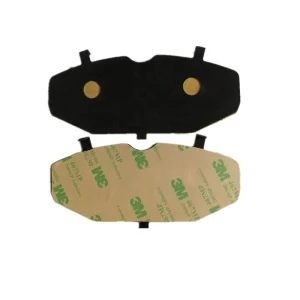
The geographical integration of the automotive supply chain in China reduces transport overheads, ensures reliable raw material sourcing, and standardizes processing steps. Whether sourcing specialized steel alloys, EPDM compounds for seals, or complex anti-noise shims with proprietary 3M adhesive backings, our local ecosystem supports agile sourcing. This ensures that custom calipers, brackets, and guide pins progress from design to mass production with minimal delay.
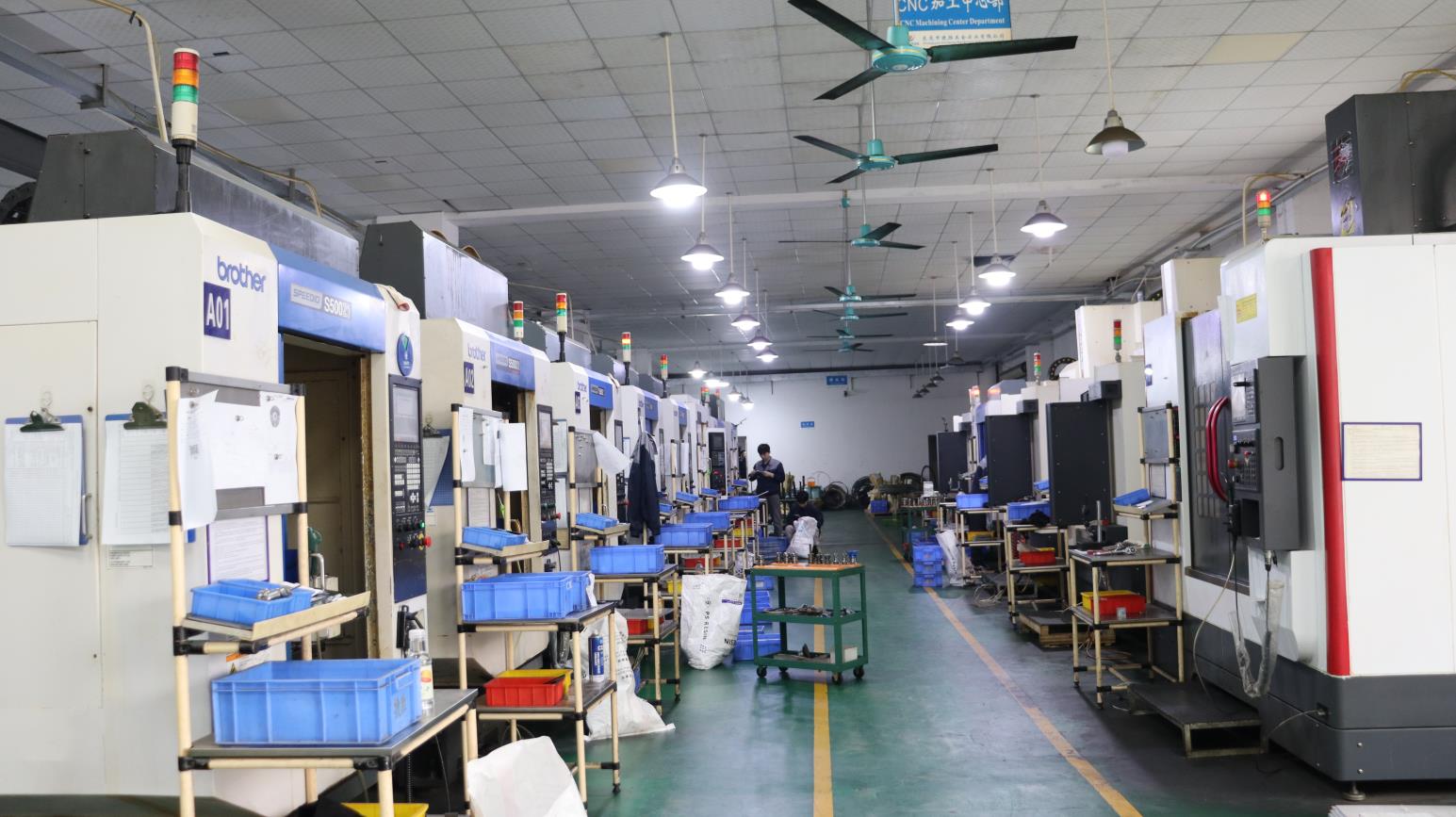
Chinese brake factories have graduated from simple contract manufacturing to utilizing advanced technologies like multi-axis CNC mills, automated coordinate measuring machines (CMM), and automated coating lines. Our manufacturing leverages scientific management paradigms, ensuring high accuracy, minimal tolerances, and reliable batch repeatability across production runs.
Through manufacturing optimization, automated processes, and localized vertical integration, Zizel optimizes raw material usage and reduces energy footprints. These operational efficiencies translate to cost-effective solutions for international partners, while fully adhering to stringent IATF 16949 safety thresholds.
IATF 16949 Certified Production
Aftermarket Defect Rate (PPM)
Vehicle Applications Covered
Advanced CNC & Machining Units
Analyzing key technology shifts, material advancements, and modern challenges in high-efficiency braking.
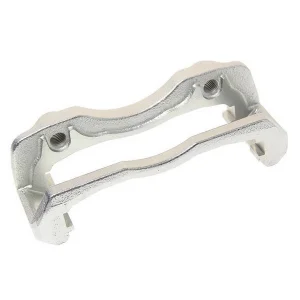
Reducing unsprung mass is crucial for extending EV driving ranges and optimizing fuel economy in internal combustion engines. We utilize advanced casting methodologies and high-tensile lightweight bracket alloys, maintaining critical structural shear strength under heavy thermal stresses.
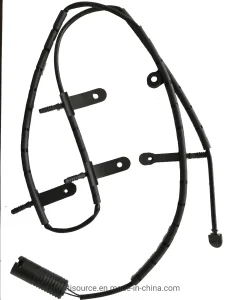
With autonomous driving and ADAS taking center stage, predictive maintenance is essential. We design and manufacture electronic wear sensors embedded within brake pads. These sensors feed real-time thickness data directly to the vehicle ECM, preventing rotor damage.
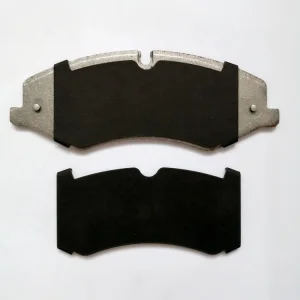
Modern consumers demand quiet performance. Through sophisticated engineering of multi-layered anti-noise shims, including vulcanized rubber coatings and woven steel structures, our components decouple micro-vibrations, preventing annoying squeal and squeak harmonics.
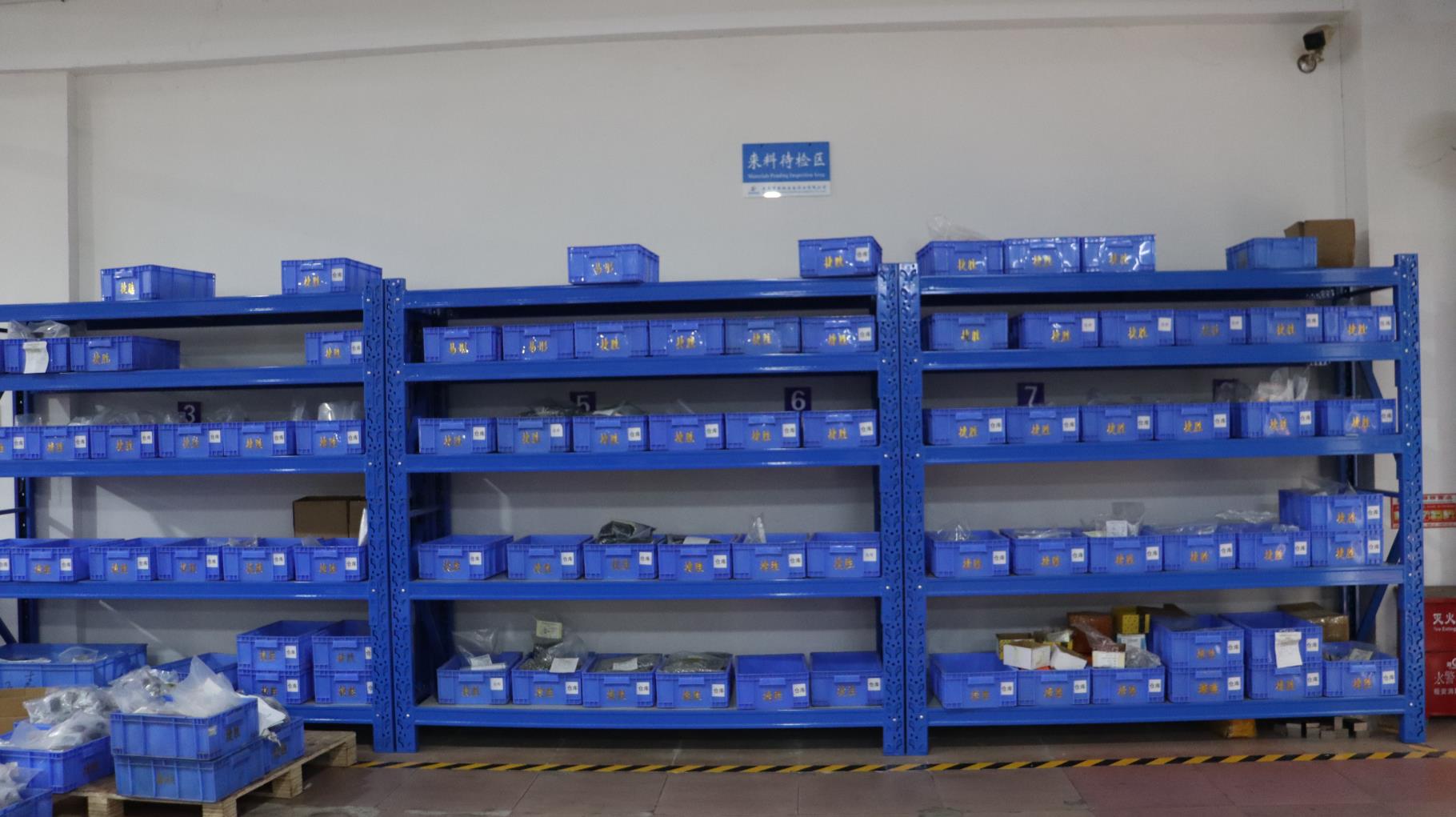
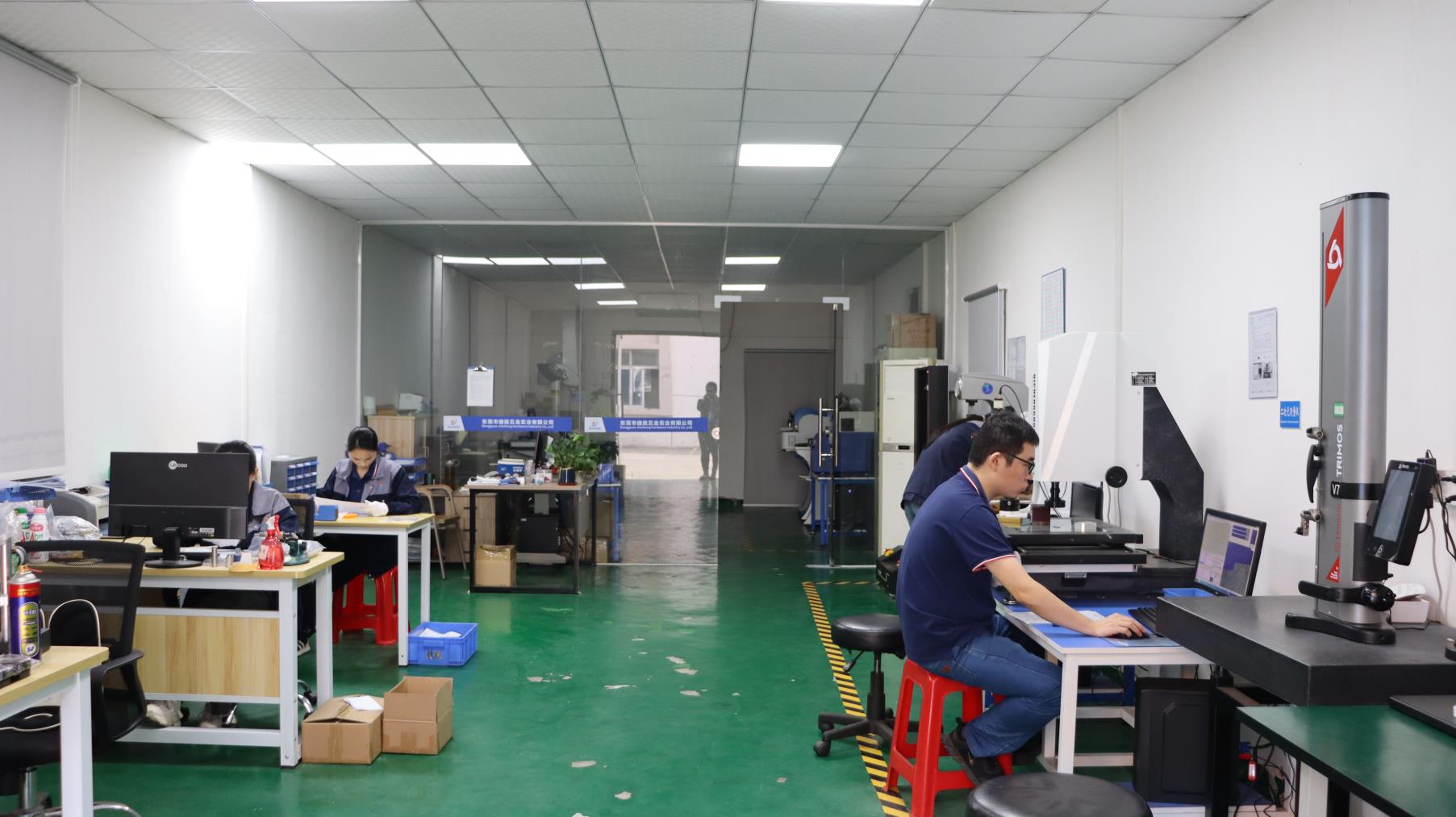
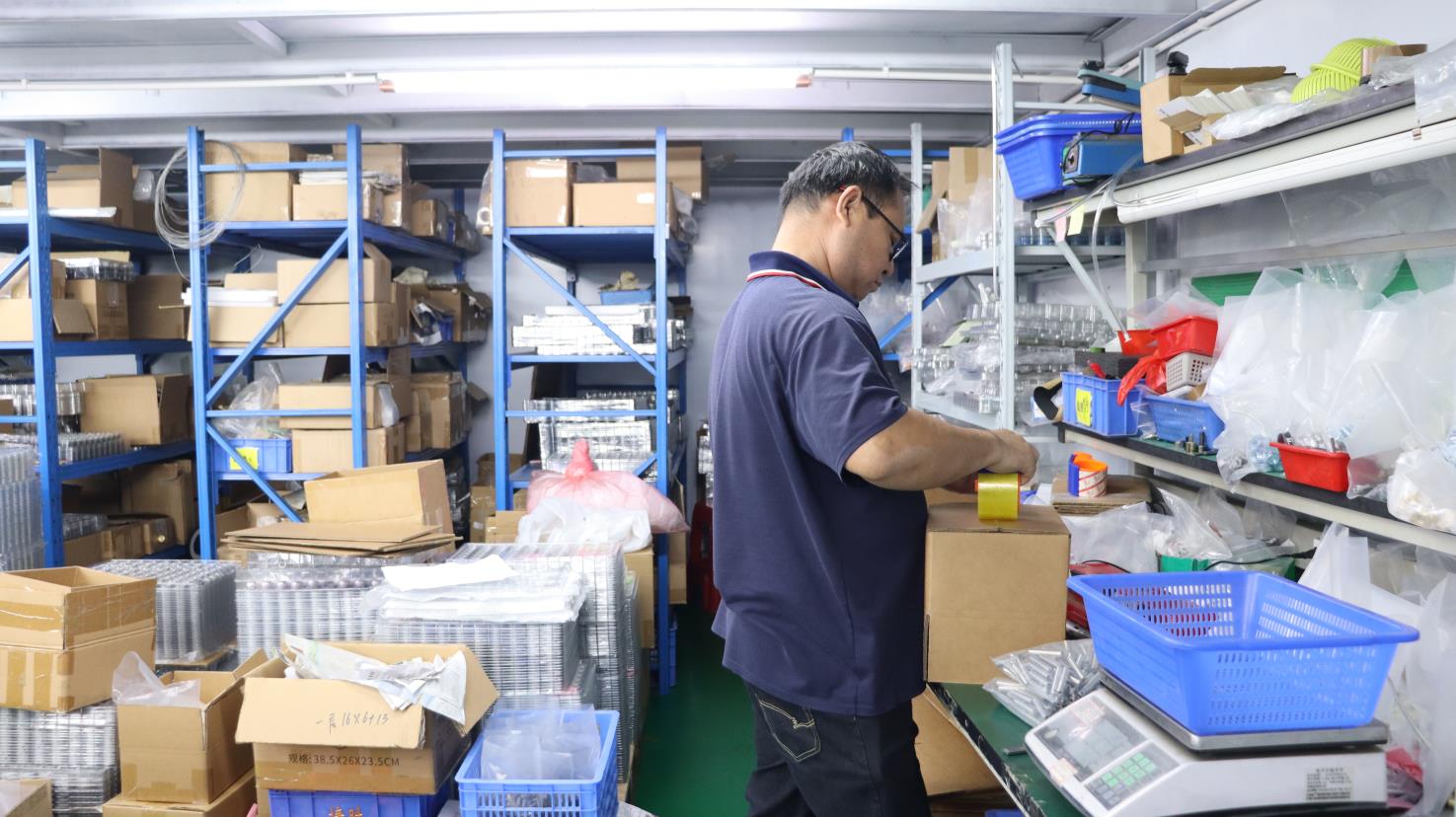
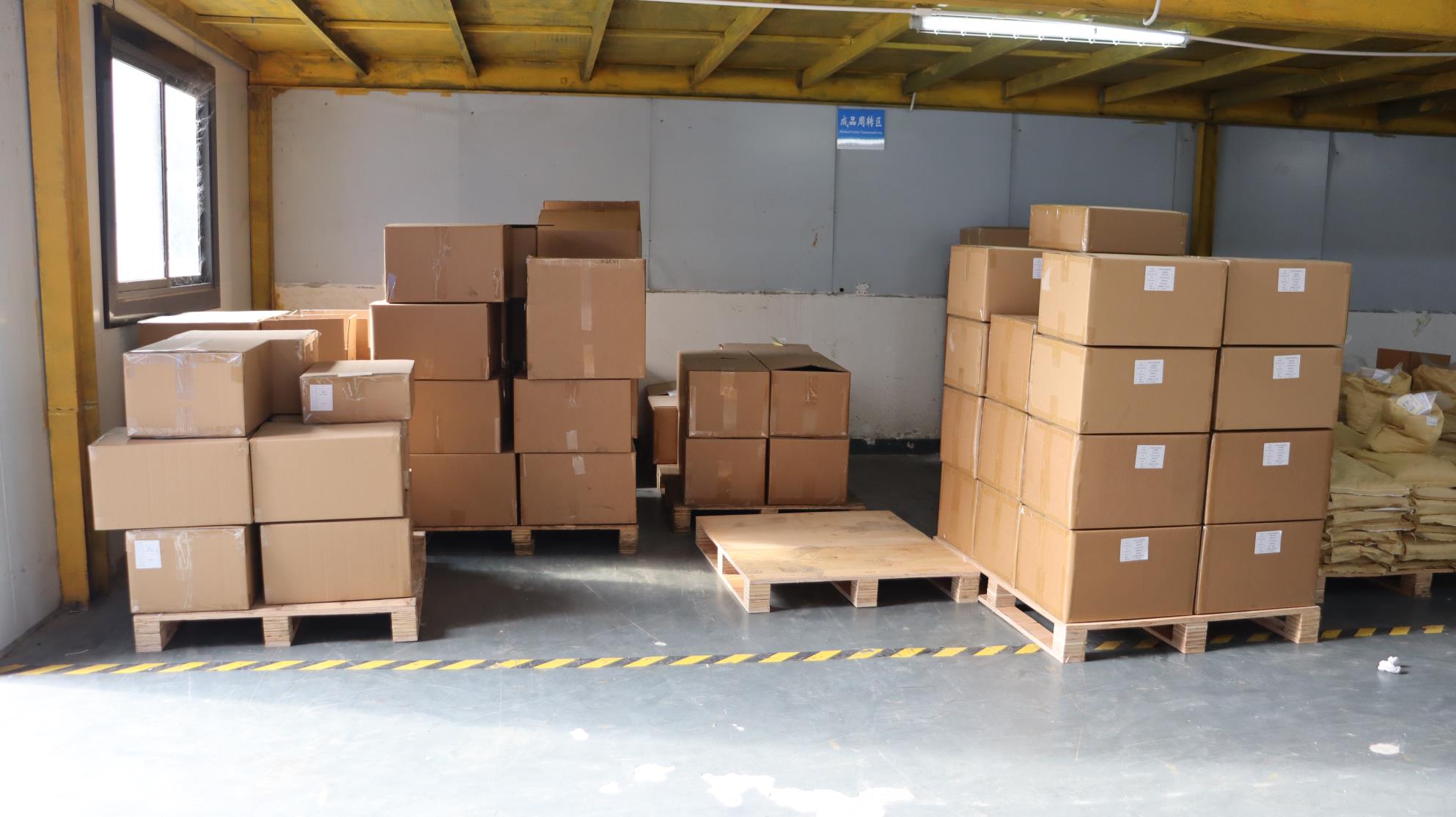
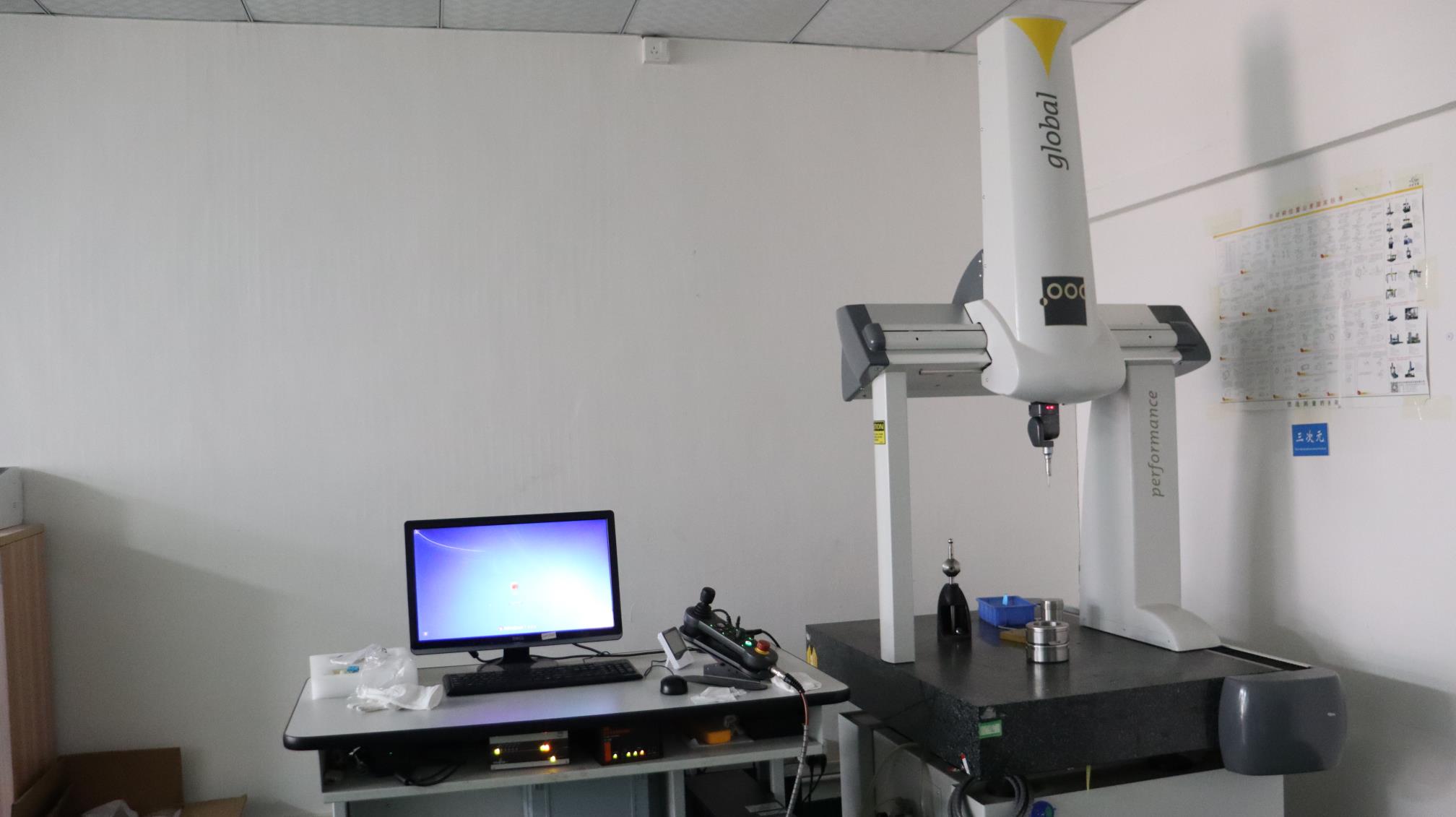
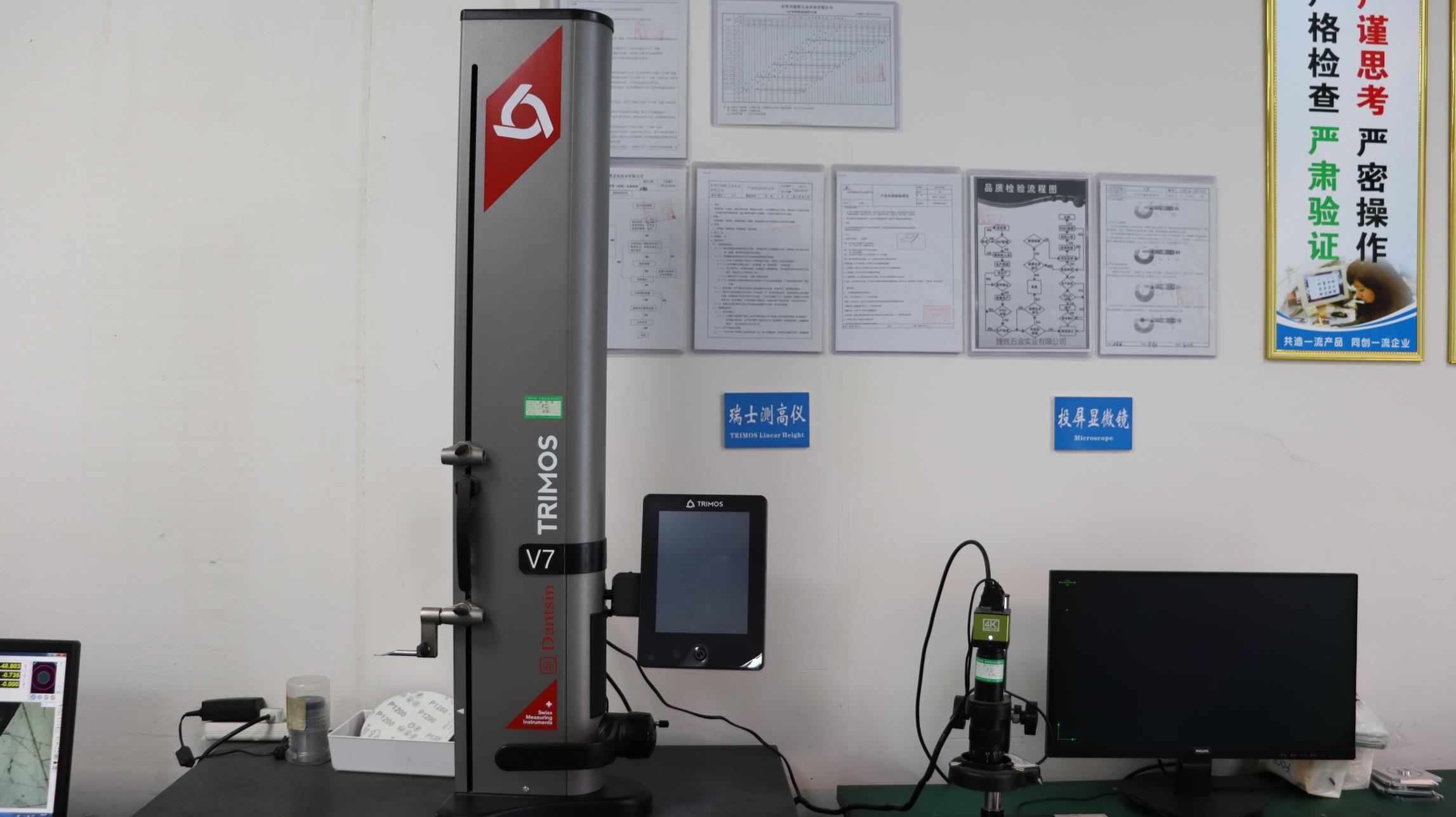
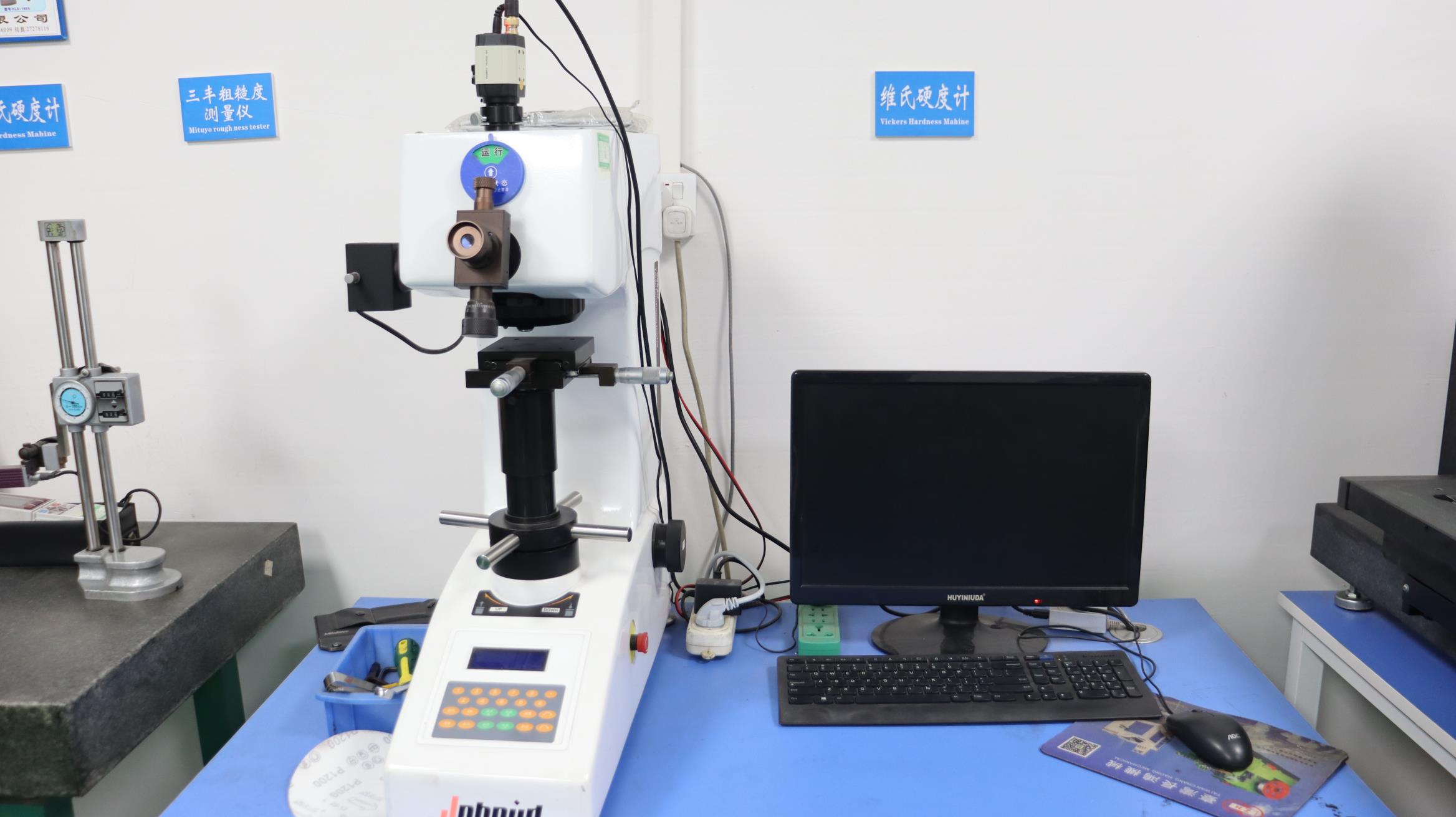
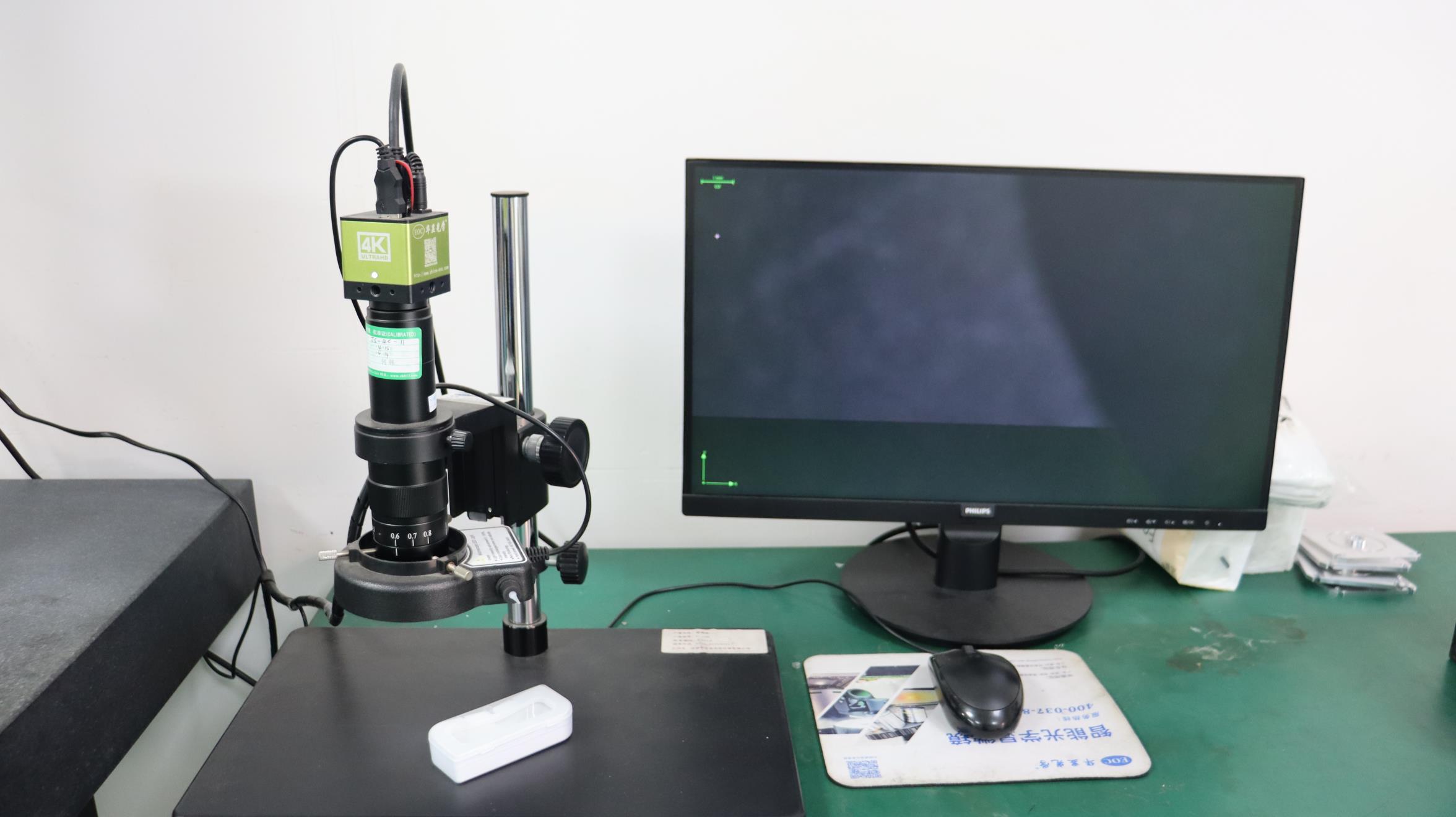
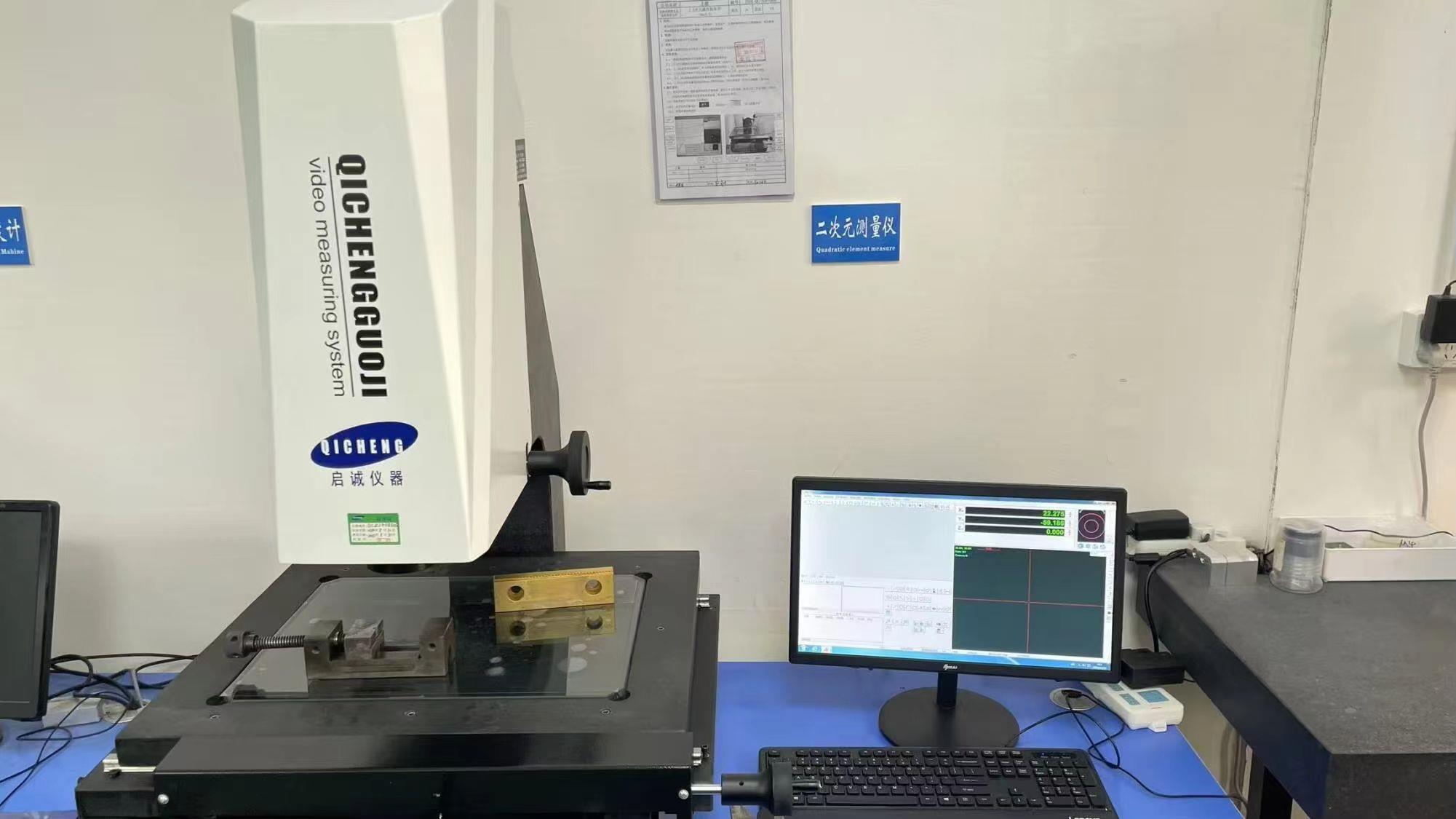
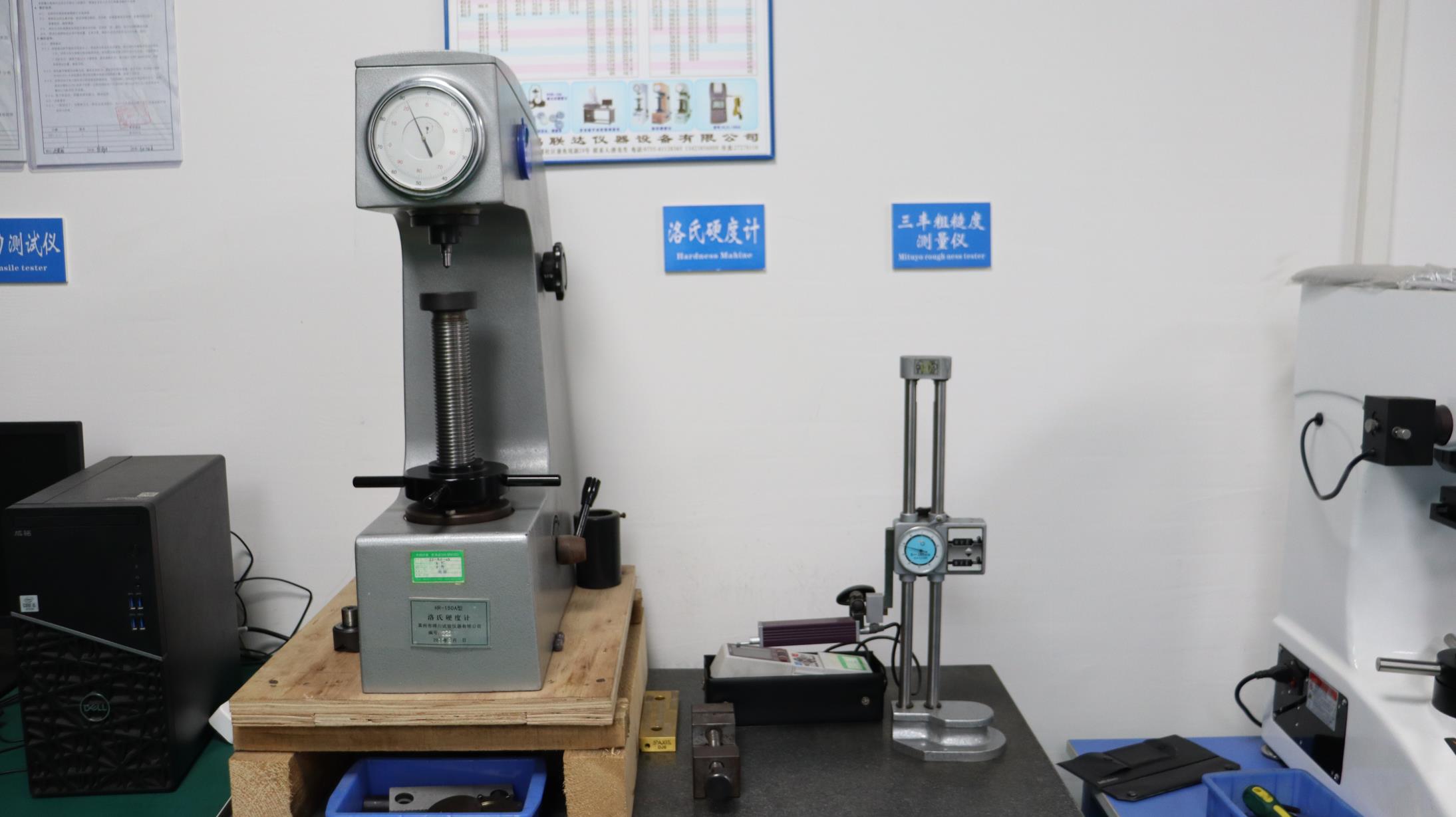
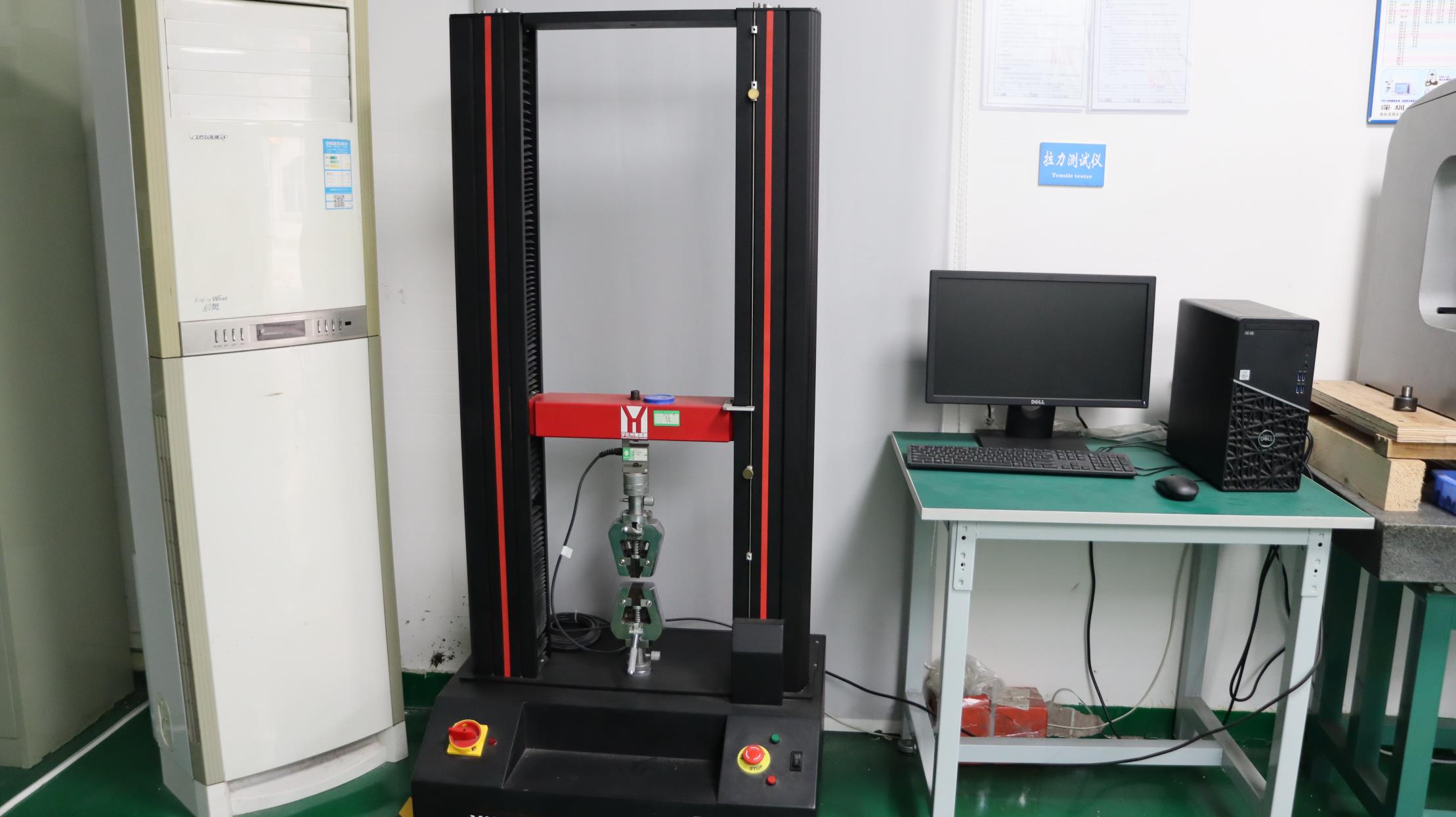
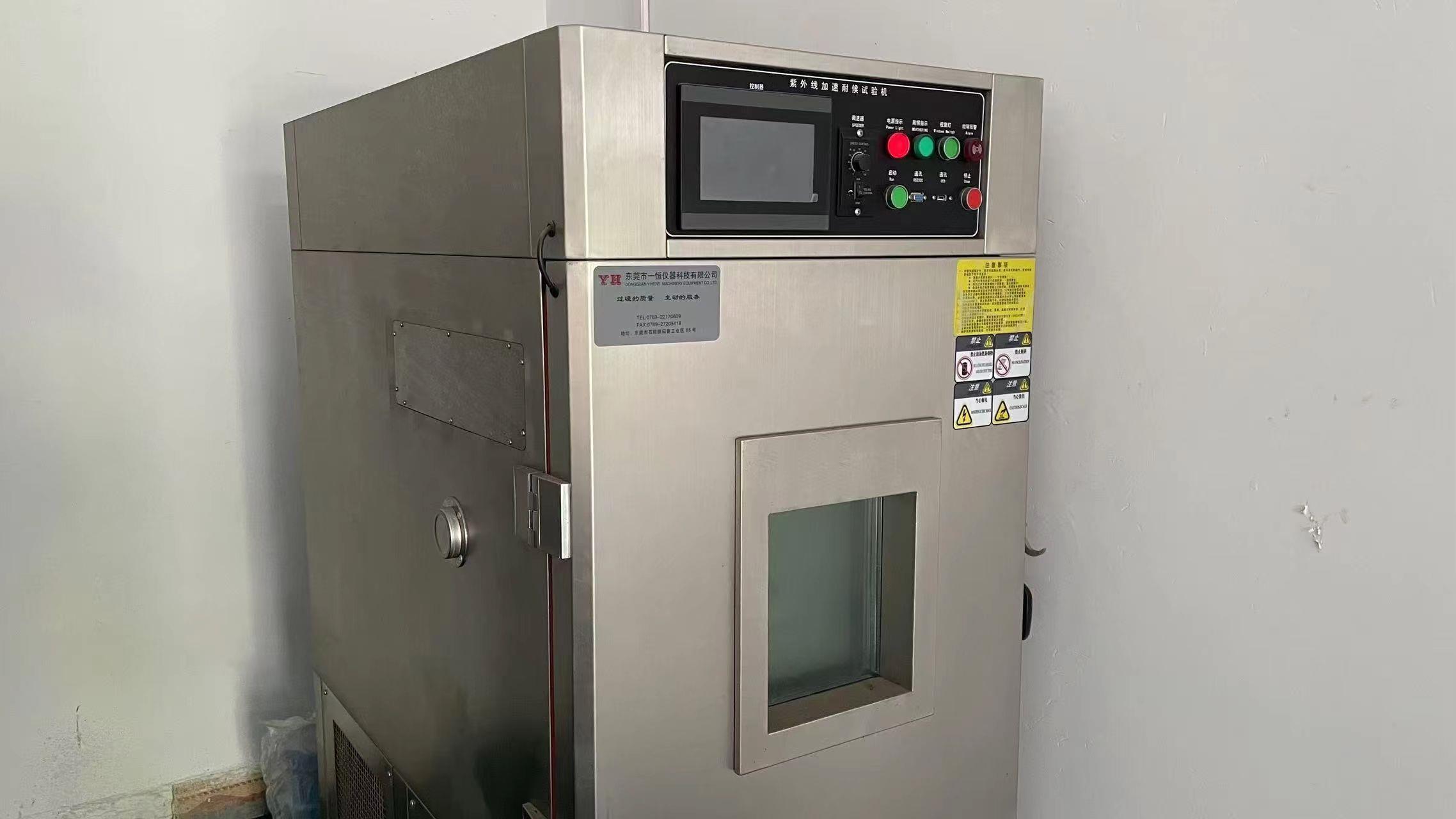
Our complete manufacturing pipeline, featuring cutting-edge precision tooling and material testing equipment.
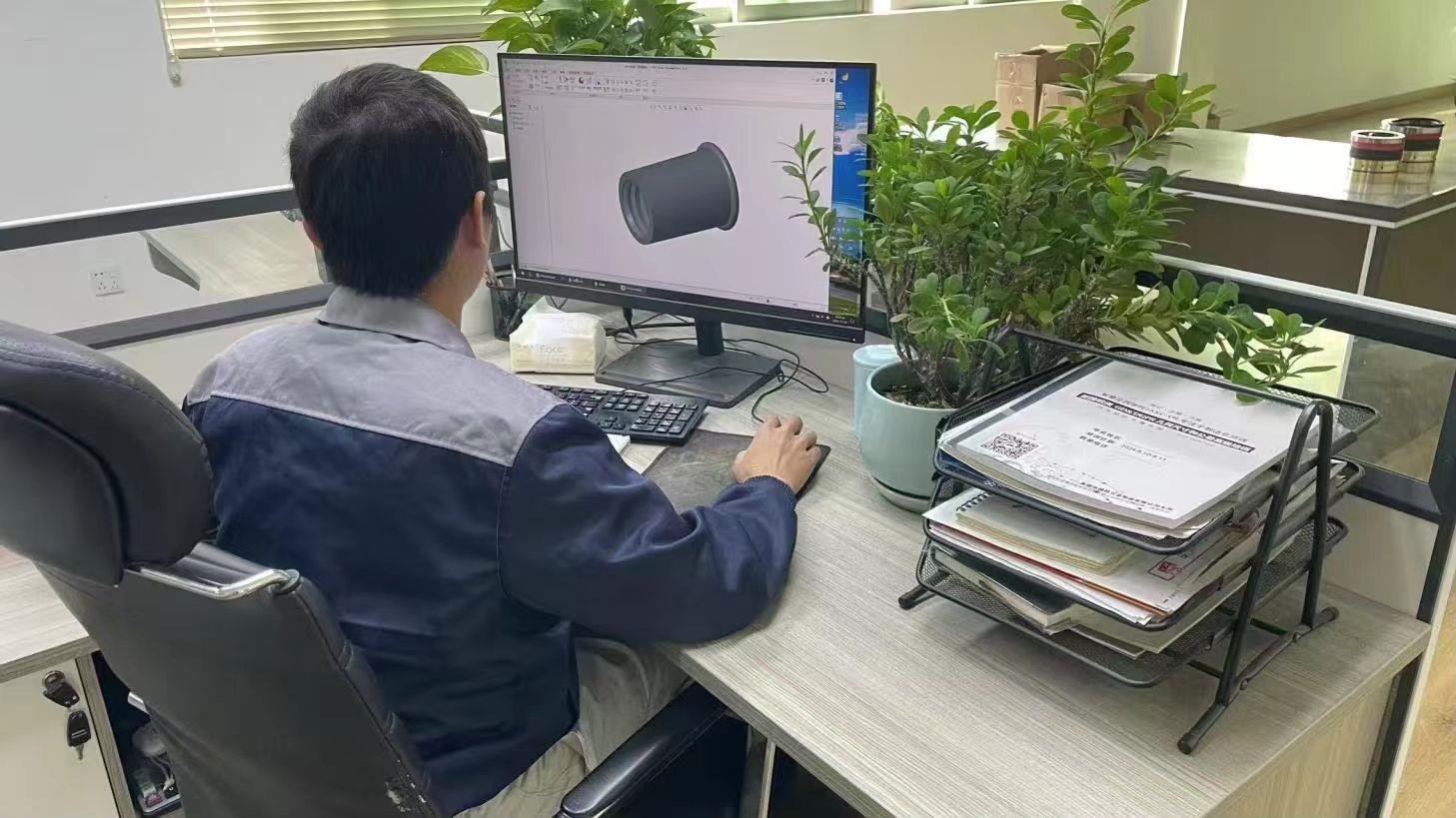
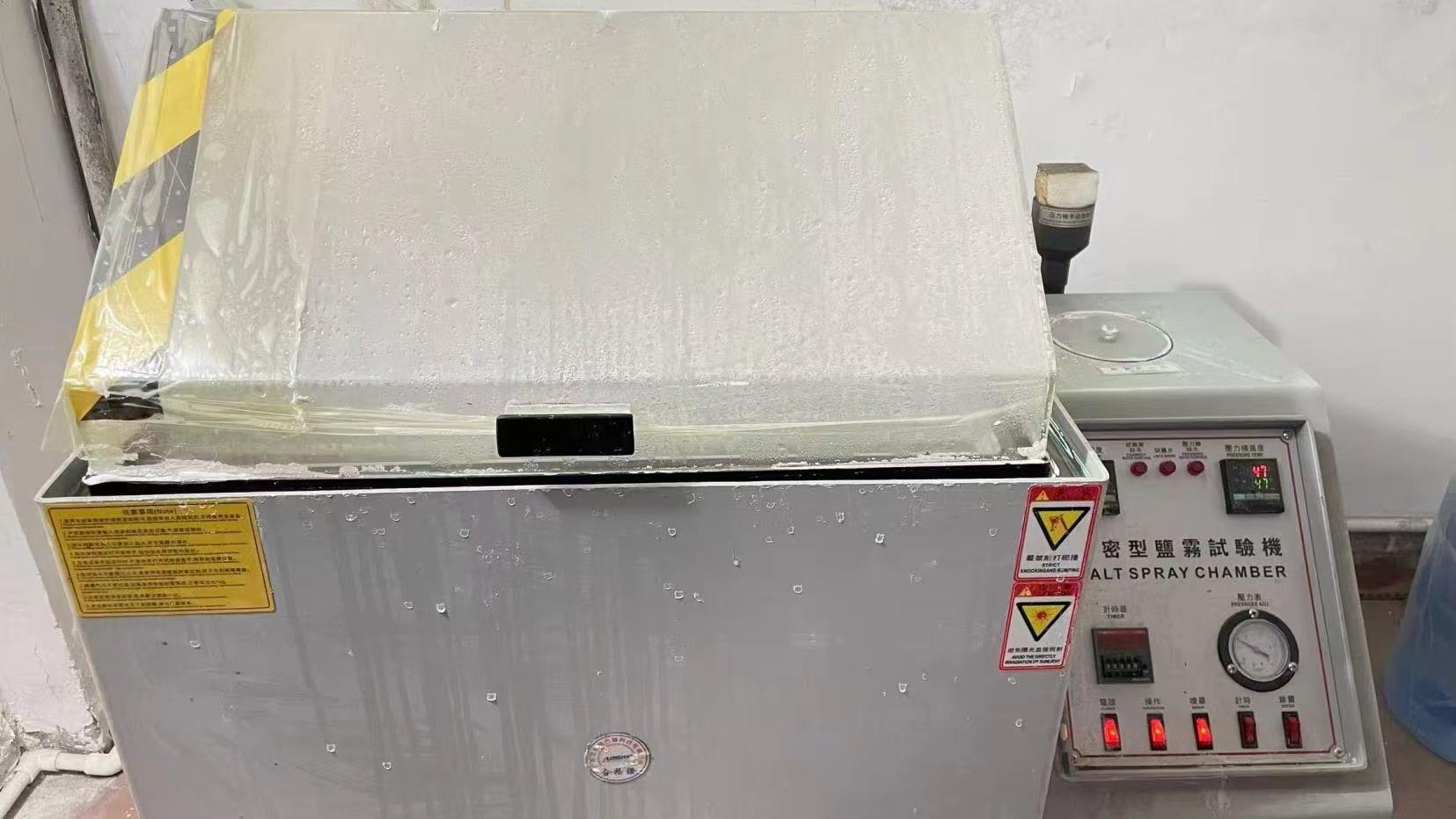
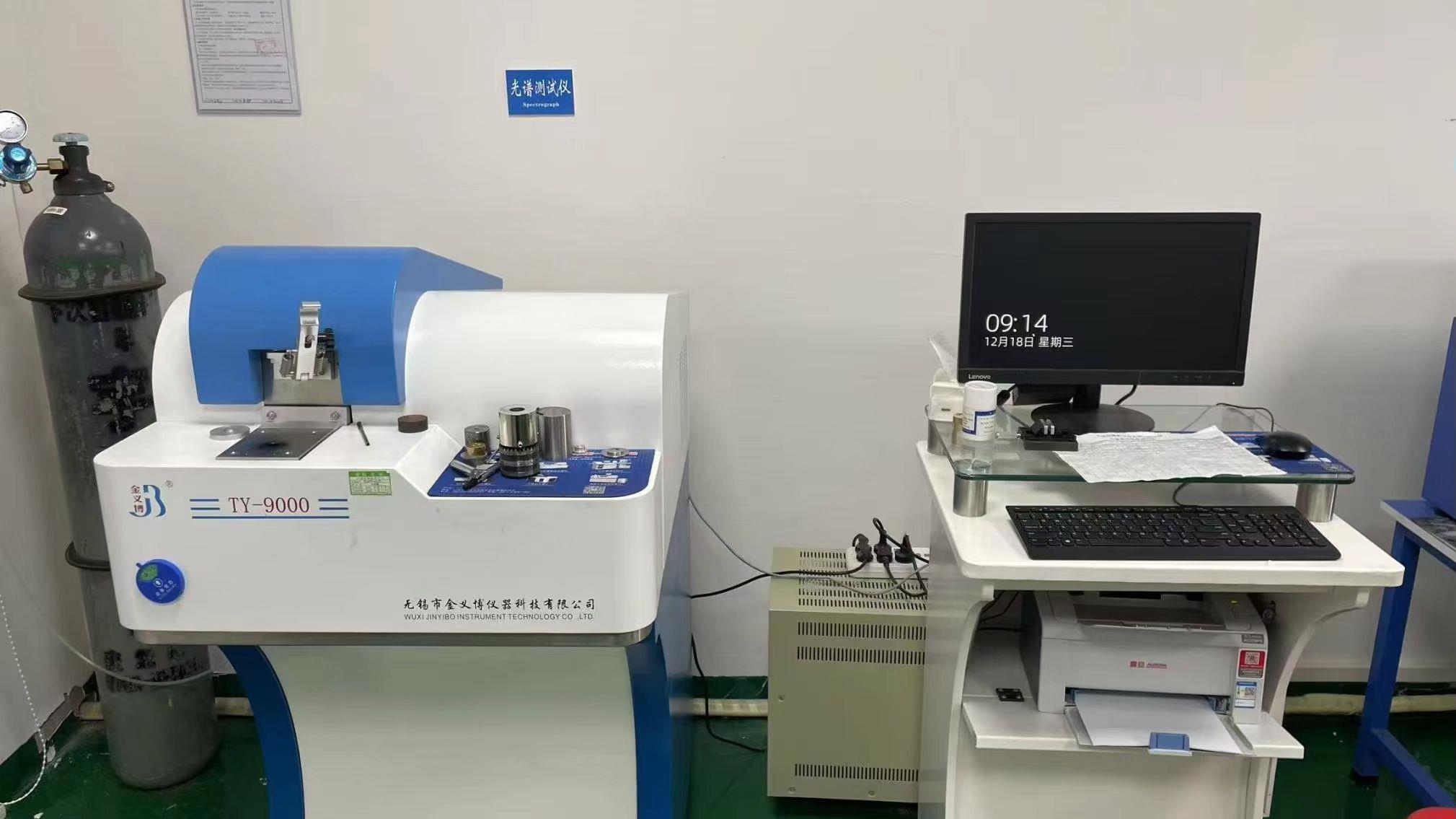
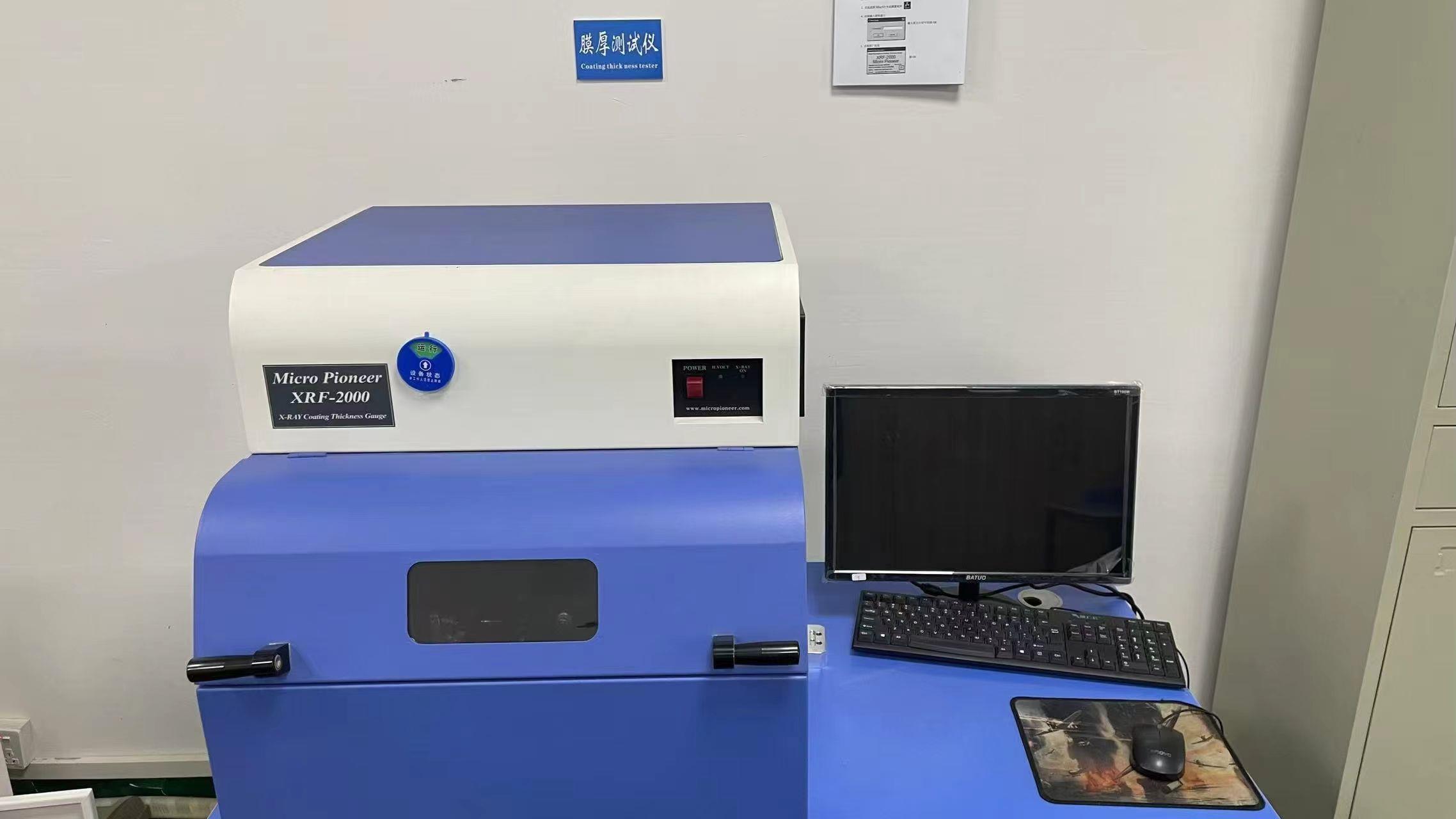
Managing automotive components on a global scale involves balancing logistics, material quality, and engineering support. Below are the key solutions we provide to address standard purchasing issues.
Using our Direct Reading Spectrograph and Vickers Hardness Tester, every batch of cast iron, stainless steel, or high-tensile carbon steel is verified against structural specifications before machining. Traceable material test reports are archived and accessible for all OEM orders.
Road chemicals and salt exposure compromise brake system lifespan. We use environmental testing machines, like our Salt Spray Tester and UV Accelerated Weathering Tester, to benchmark anti-corrosion surface treatments (including zinc plating, e-coating, and Geomet coatings). This testing ensures that critical moving parts like sliding pins and pistons resist binding and seizing over their service life.
Modern high-pressure hydraulic calipers demand tight seals. Using 2D image sensors, high-precision CMM, and digital height gauges, we ensure that caliper bores, piston walls, and guide pin channels are machined to exact tolerances, preventing fluid leaks and ensuring consistent pressure transmission.
Expert insights on quality standards, manufacturing processes, and technical parameters for procurement agents.
Select wear-indicator components, sealing pins, and replacement brake components for international applications.
 Zizel Auto