Precision-engineered braking components designed for maximum thermal dissipation, hydraulic efficiency, and long-term durability across global fleets.
An authoritative analysis of critical supply chains, engineering requirements, and manufacturing frameworks transforming modern braking networks.
The contemporary automotive safety segment is experiencing a significant paradigm shift. Modern braking systems are no longer evaluated solely on mechanical stopping distance; instead, they are key nodes in complex vehicular dynamics systems. With the rapid electrification of passenger cars and heavy-duty logistics fleets, original equipment manufacturers (OEMs) and aftermarket distributors face challenging requirements.
For strategic procurement officers, navigating the landscape of the top 10 brake technology exporters requires balancing engineering quality, global standards compliance, and supply chain resilience. Suppliers must demonstrate clear metallurgical control, precision friction formulation, and absolute compliance with modern safety standard specifications.
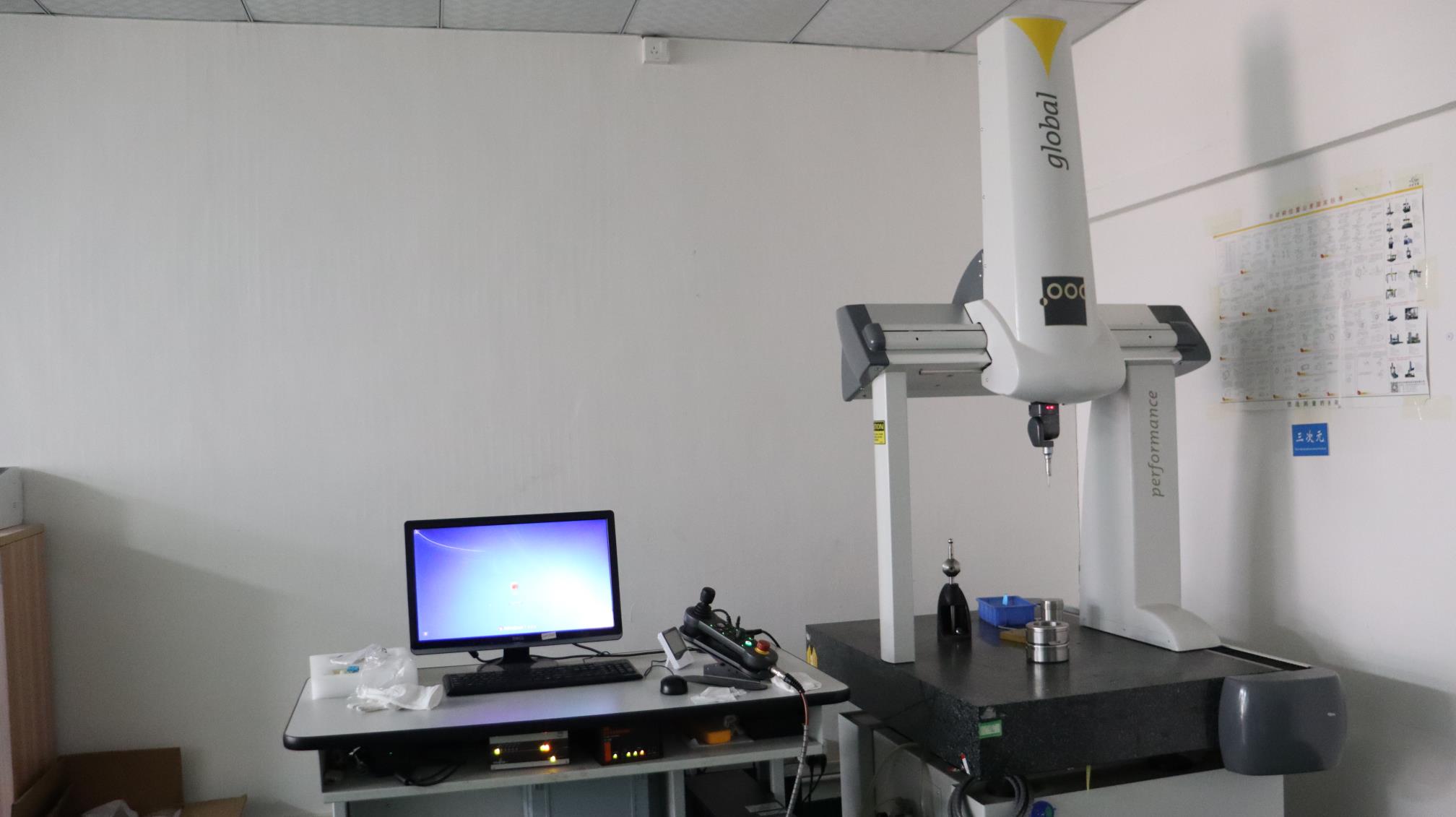
Evaluating potential global manufacturing partners requires looking beyond unit pricing. Authoritative suppliers demonstrate total transparency by validating their processes using Coordinate Measuring Machines (CMM), optical spectroscopy, and dynamic shear testing.
The integration of Electronic Stability Control (ESC), regenerative braking in battery electric vehicles (BEVs), and advanced brake-by-wire setups requires ultra-precise components. Exporters are shifting focus from simple casting to precision machining of electronic caliper housings and sensor-equipped wear components.
Regulatory frameworks like the Euro 7 emissions standards target non-exhaust particulate emissions. Brake pad manufacturers are developing low-dust, copper-free ceramic and organic friction materials to reduce micro-particulate environmental pollution while maintaining high thermal thresholds.
Global commerce mandates adherence to strict international certifications. Modern brake component manufacturers must operate within IATF 16949:2016 and ISO 9001:2015 management frameworks, ensuring trace-documented production runs and minimal batch variation.
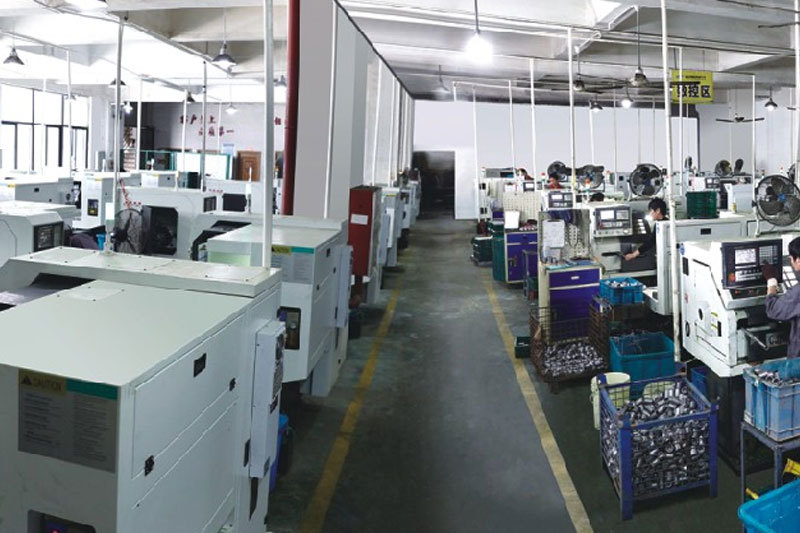
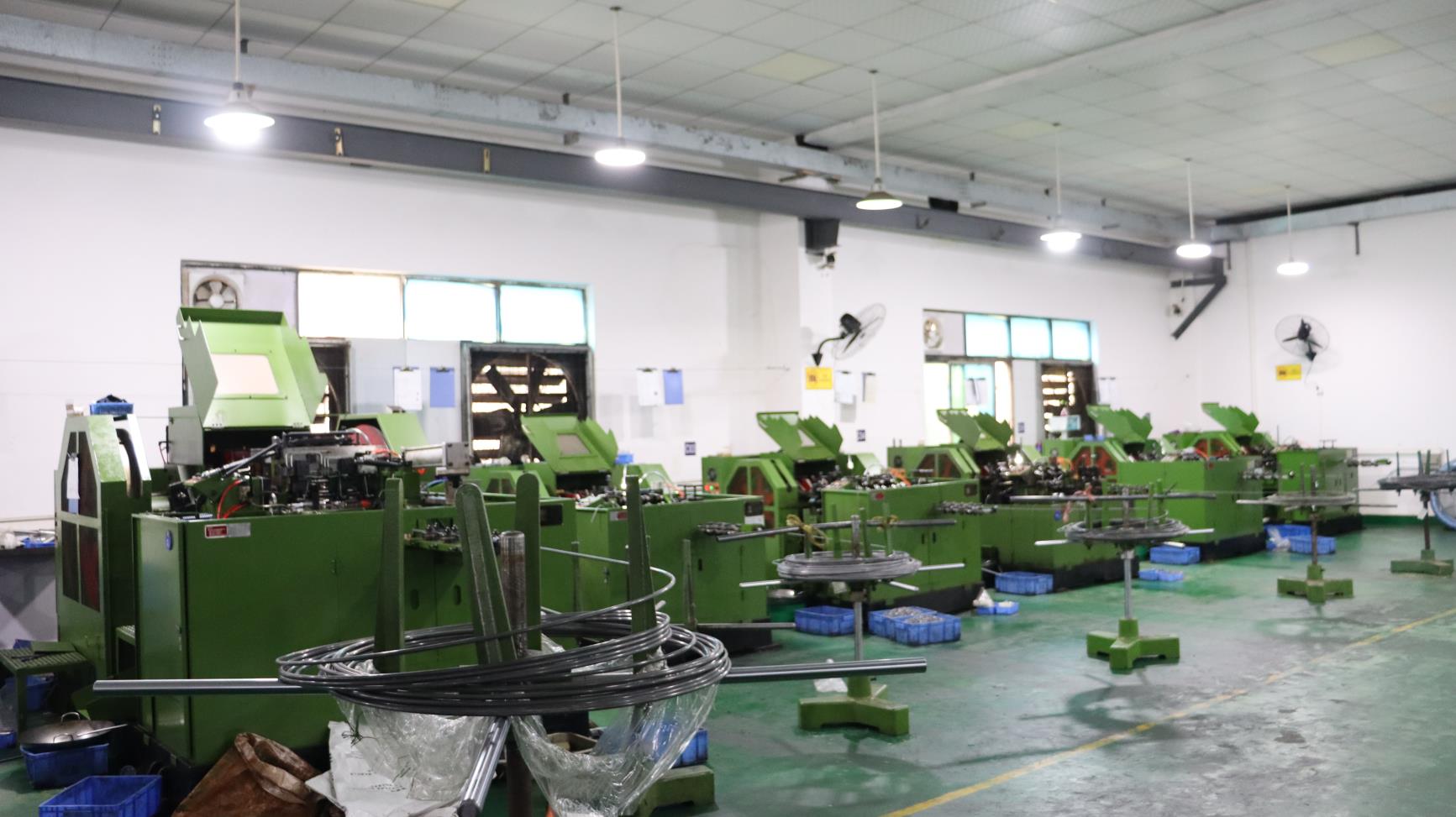
Strategically situated in Yuhuan, Zhejiang, China—one of the world's most significant automotive component manufacturing clusters—Yuhuan Zizel Auto Co., Ltd. has established itself as an innovative manufacturer of safety-critical braking solutions. The geographic concentration of the Yuhuan industrial cluster offers a highly integrated supply chain network, allowing Zizel to manage all production phases from raw material selection to precision machining and final validation under one unified system.
By implementing a "Factory 4.0" approach, Zizel combines advanced automated machining centers, modern metrology tools, and data-driven quality control. This operational model delivers notable advantages for global B2B procurement partners, including reduced production lead times, structural cost optimizations, and consistent quality that matches or exceeds OEM specifications.
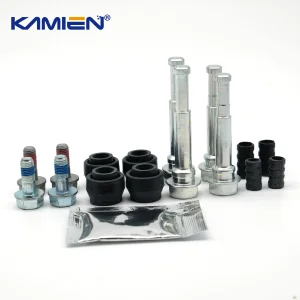
Zizel's product range covers critical brake and axle assemblies. From precision-machined pistons, guide bolts, noise-reducing cushion clips, and high-performance rubber seals, to robust wheel axle components including high-strength bolts, sliding shafts, and piston rings, Zizel ensures stable operation for light-duty and commercial transport applications.
A visual tour of Zizel's manufacturing pipeline, showing our capability to scale production while maintaining tight engineering tolerances.
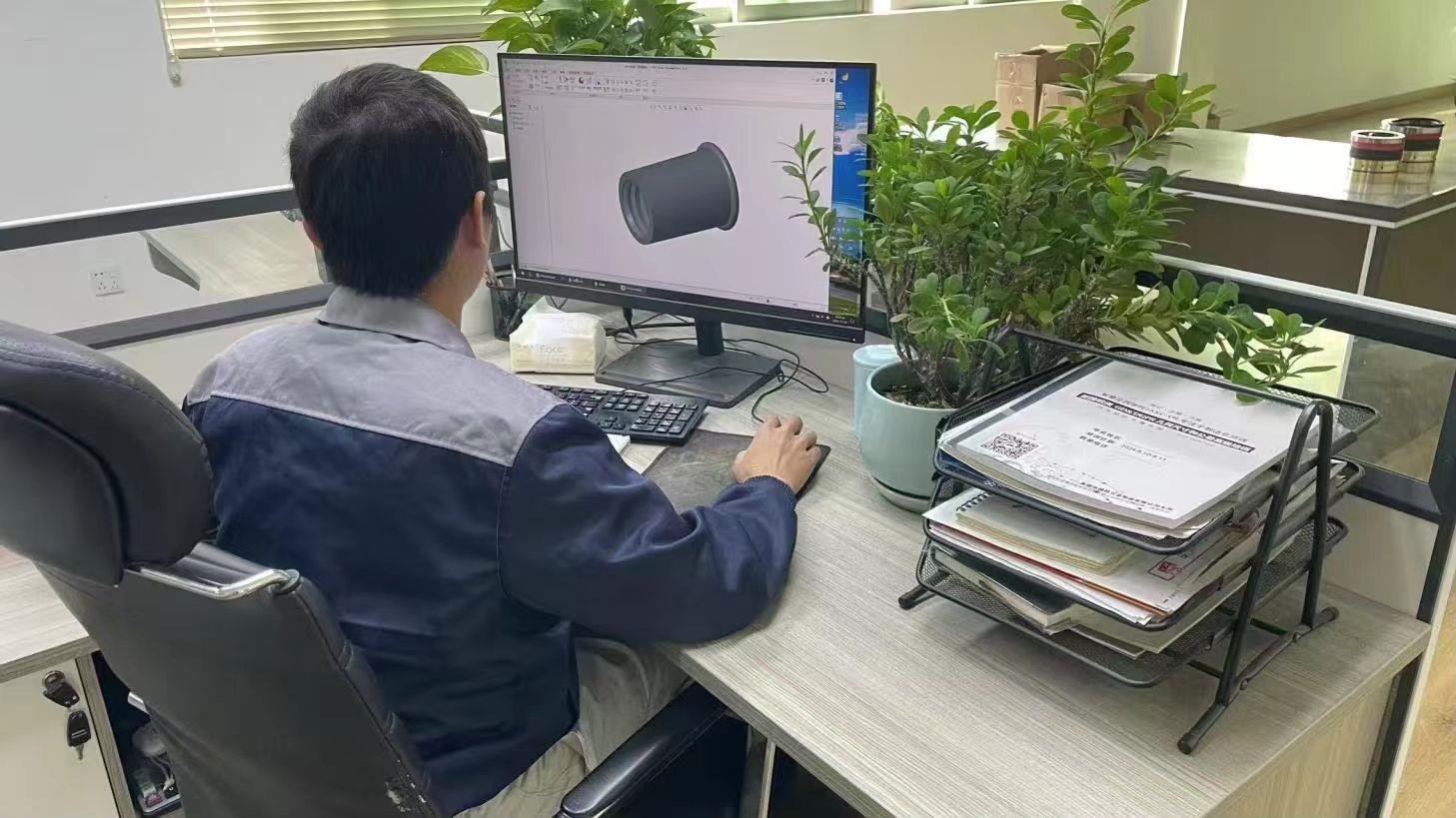
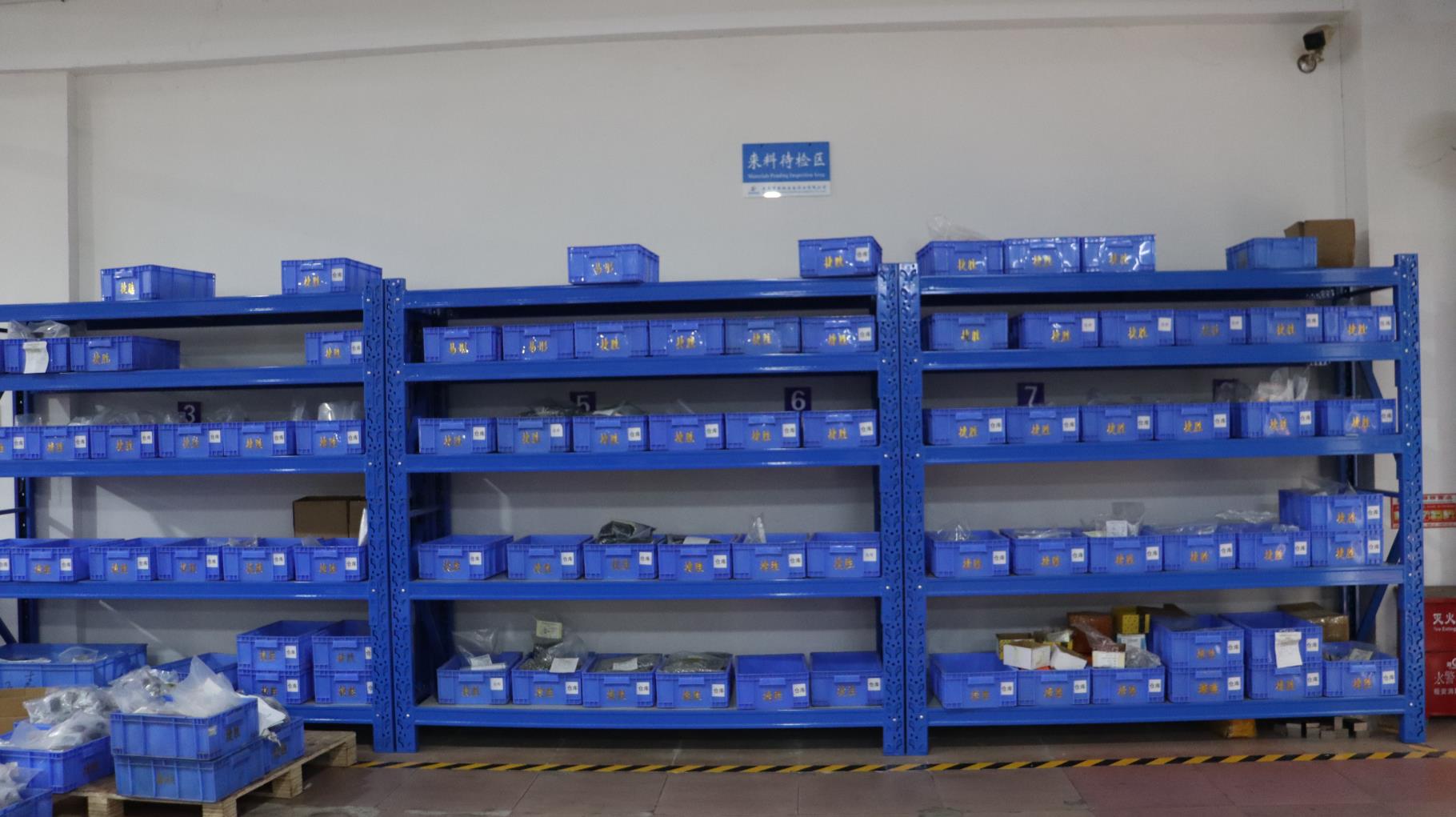
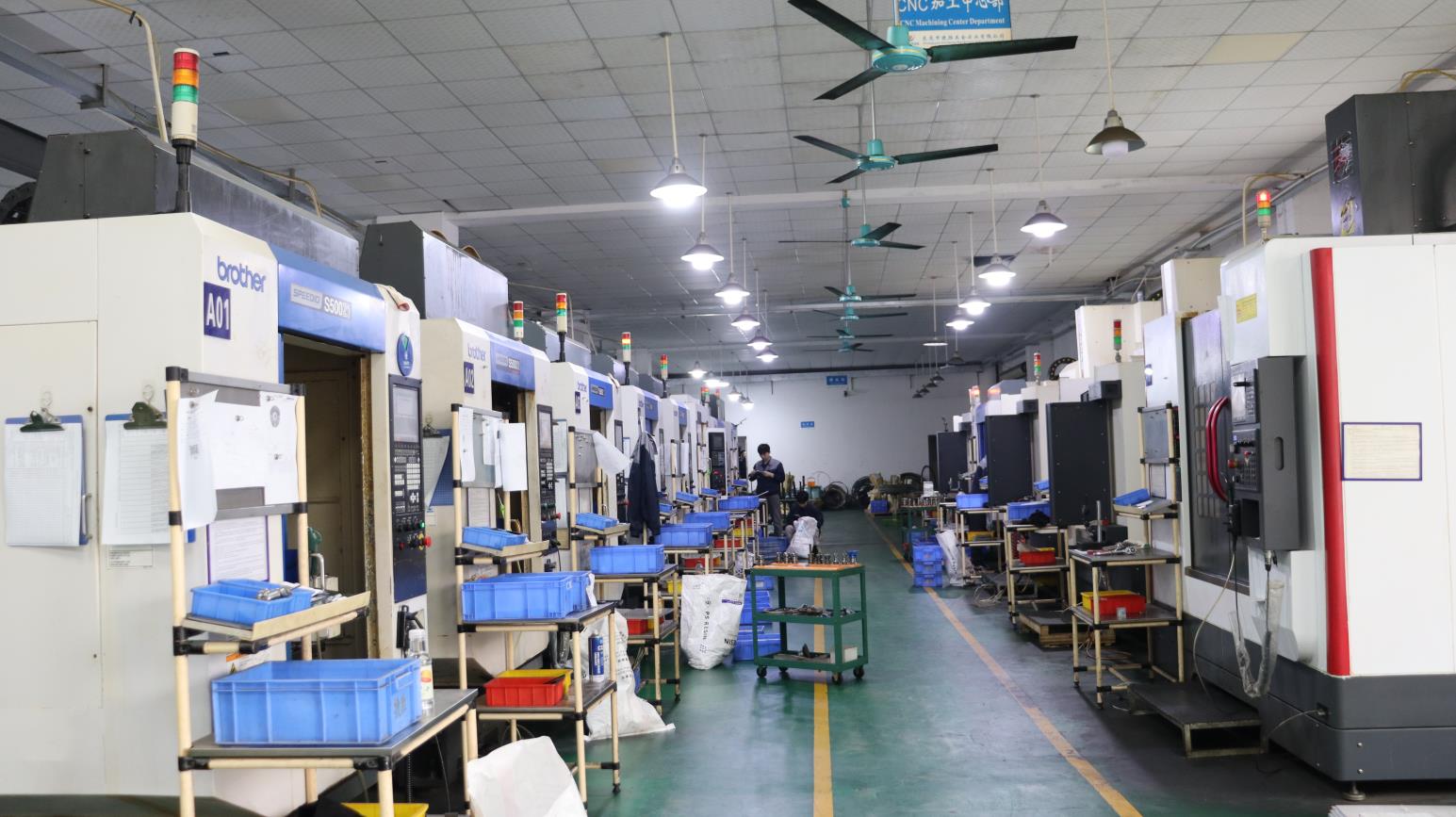
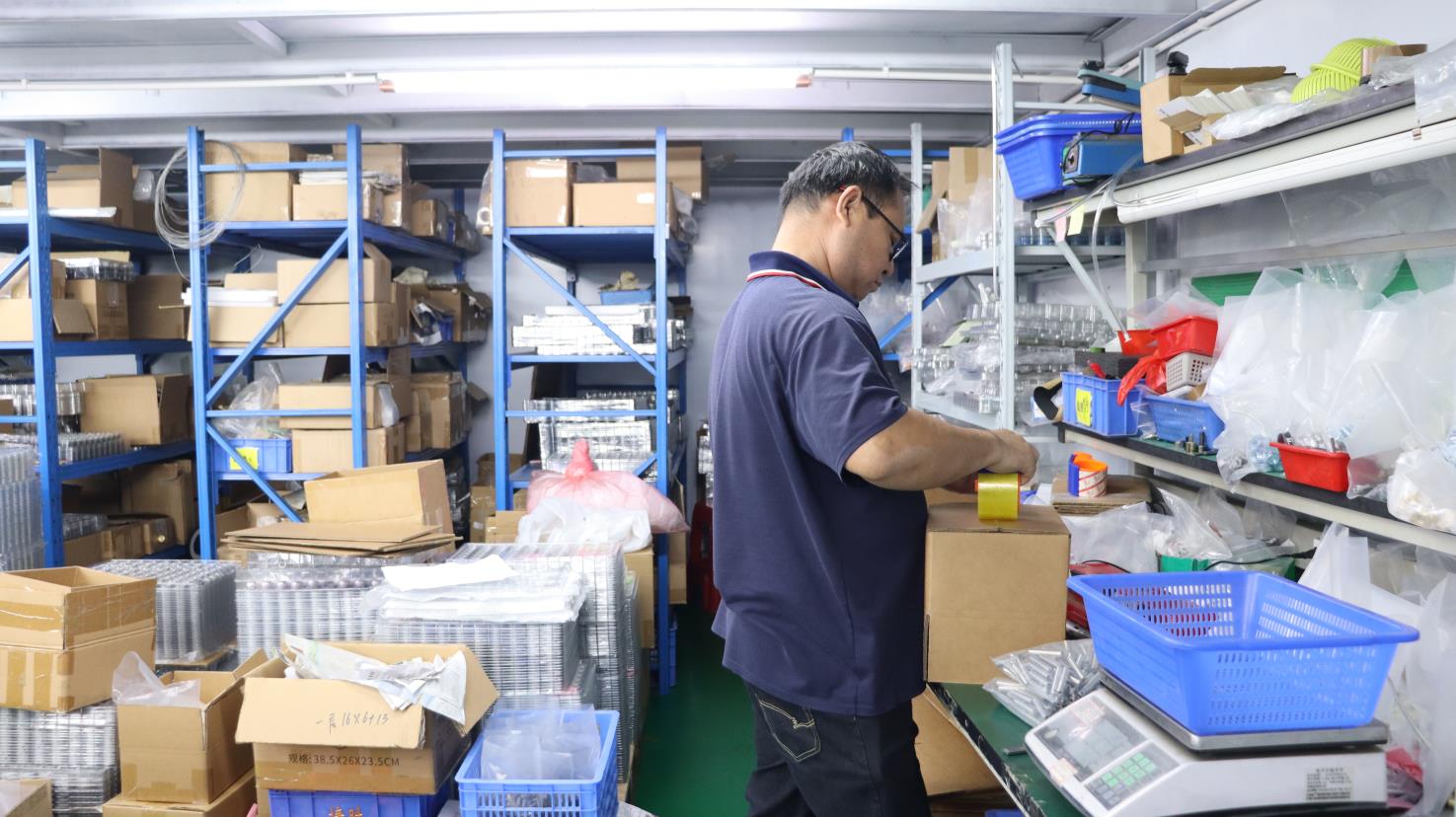
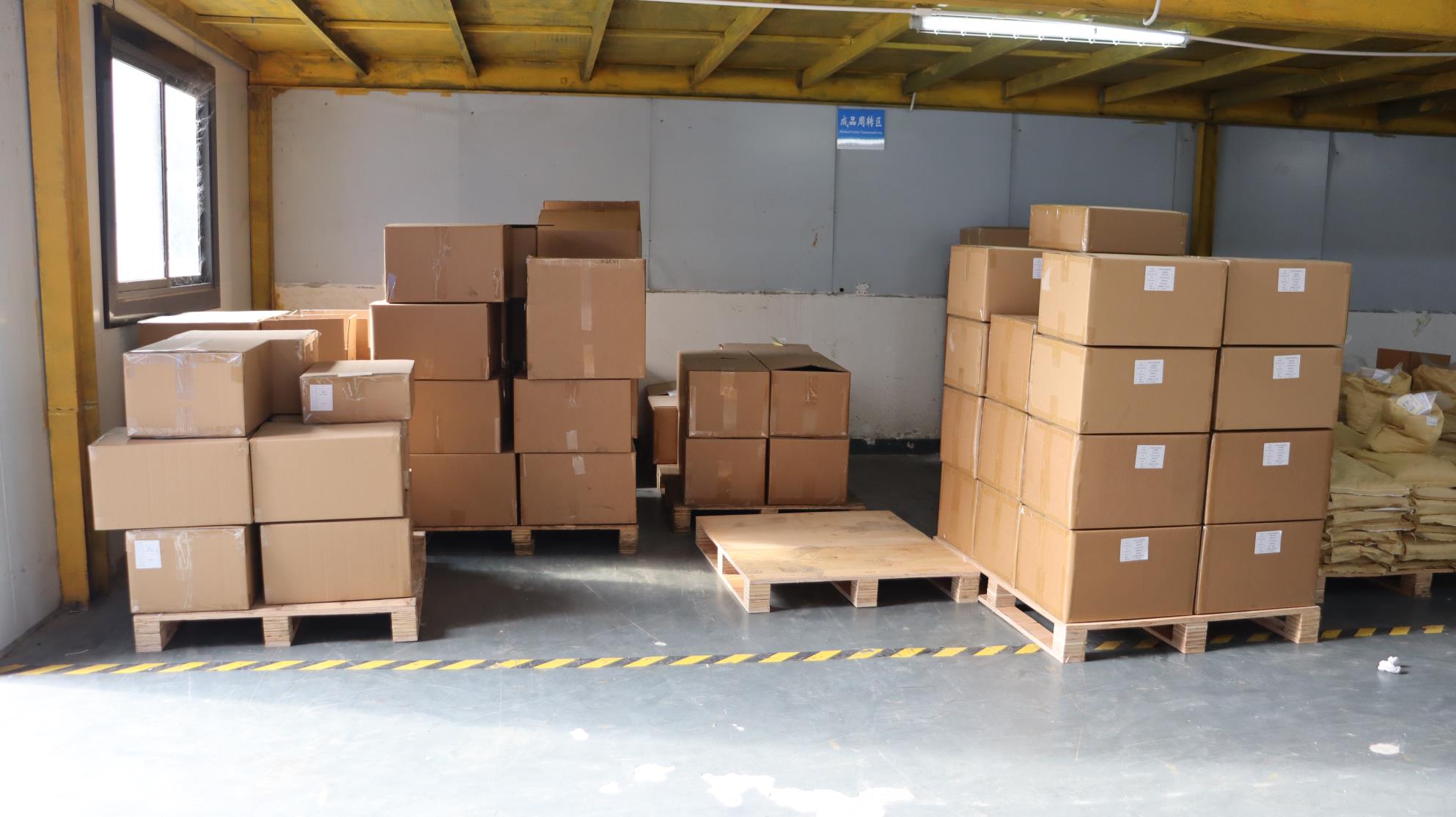
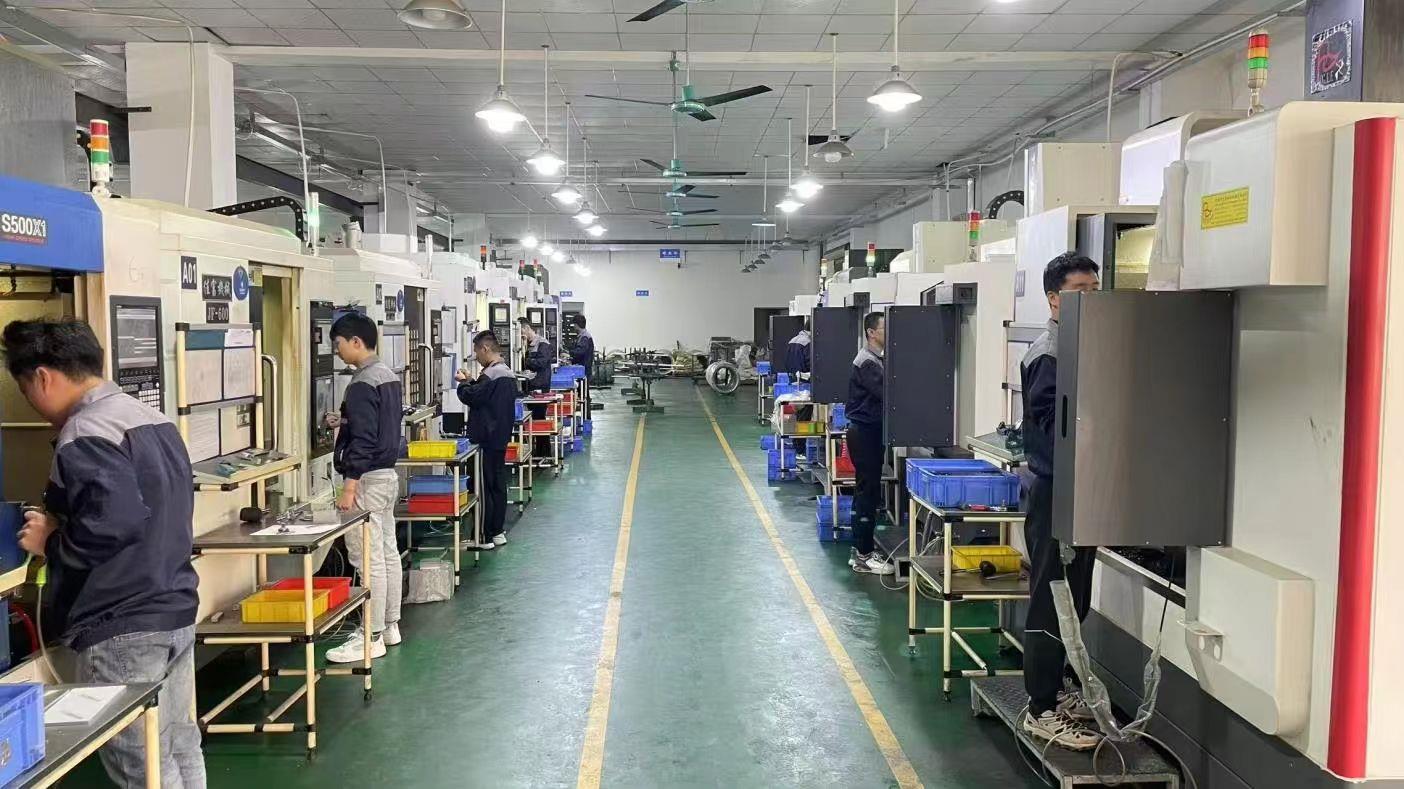
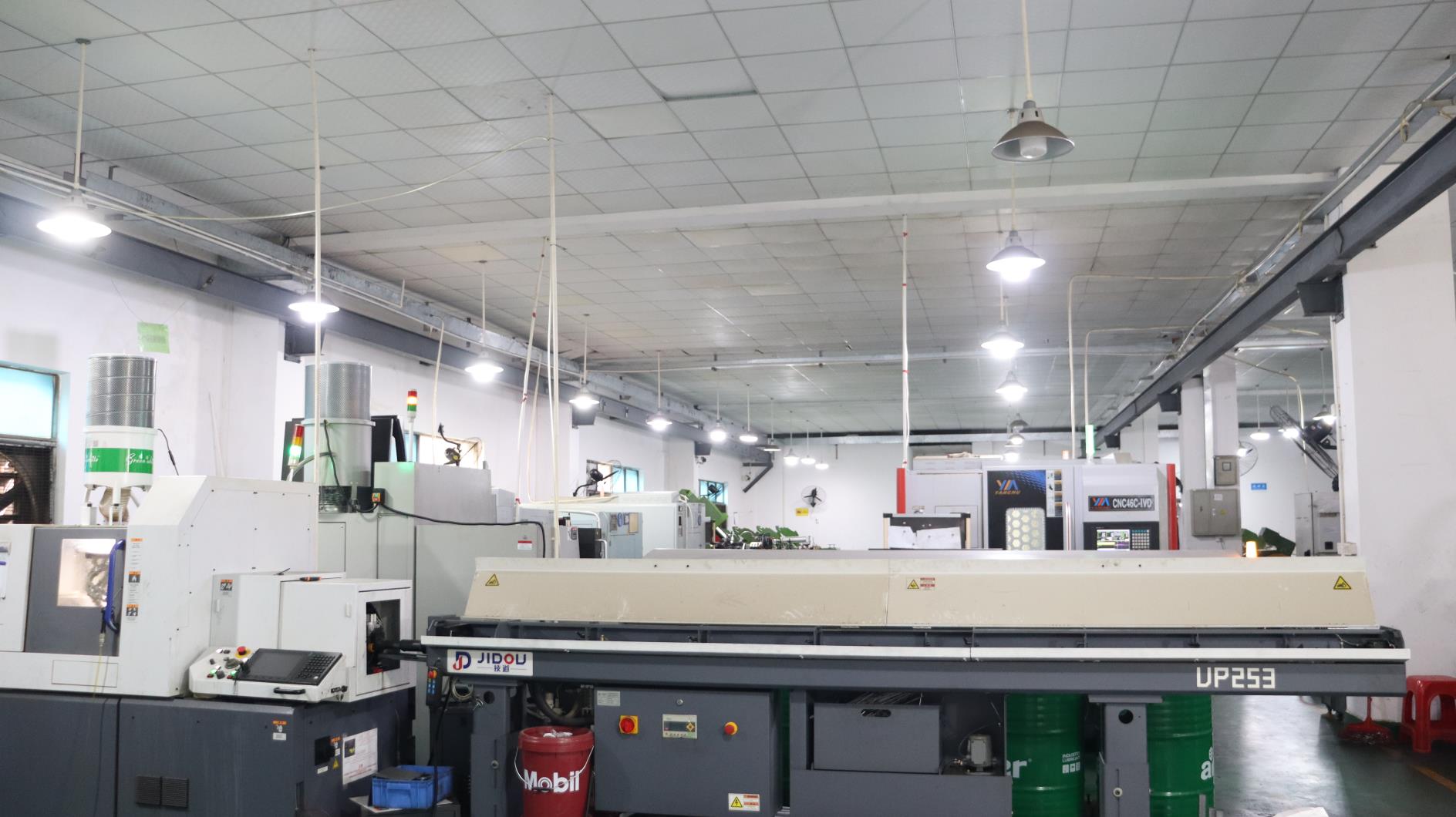
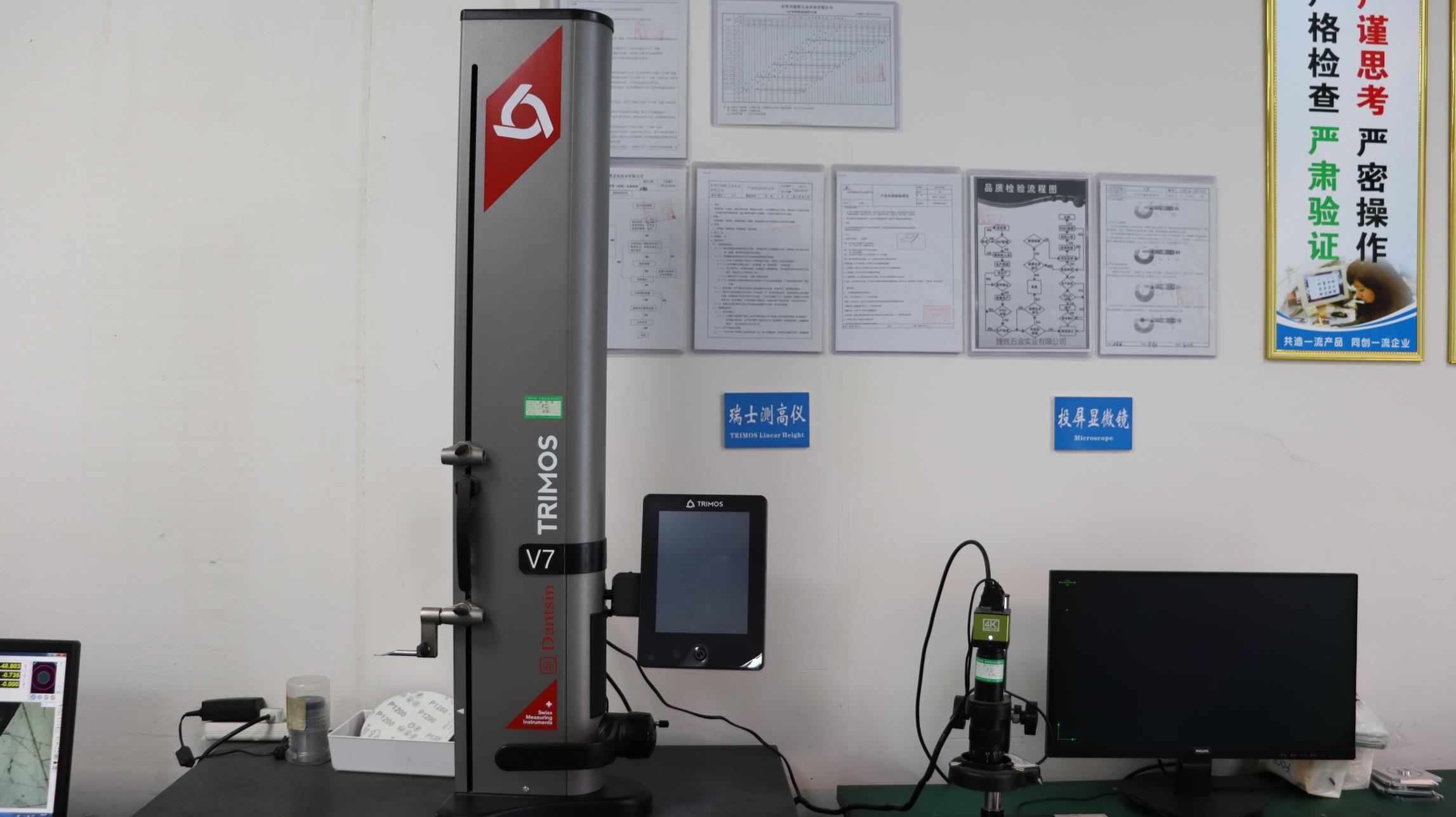
To ensure safety-critical components function under extreme pressure, we test and verify all chemical and structural properties in our own labs.
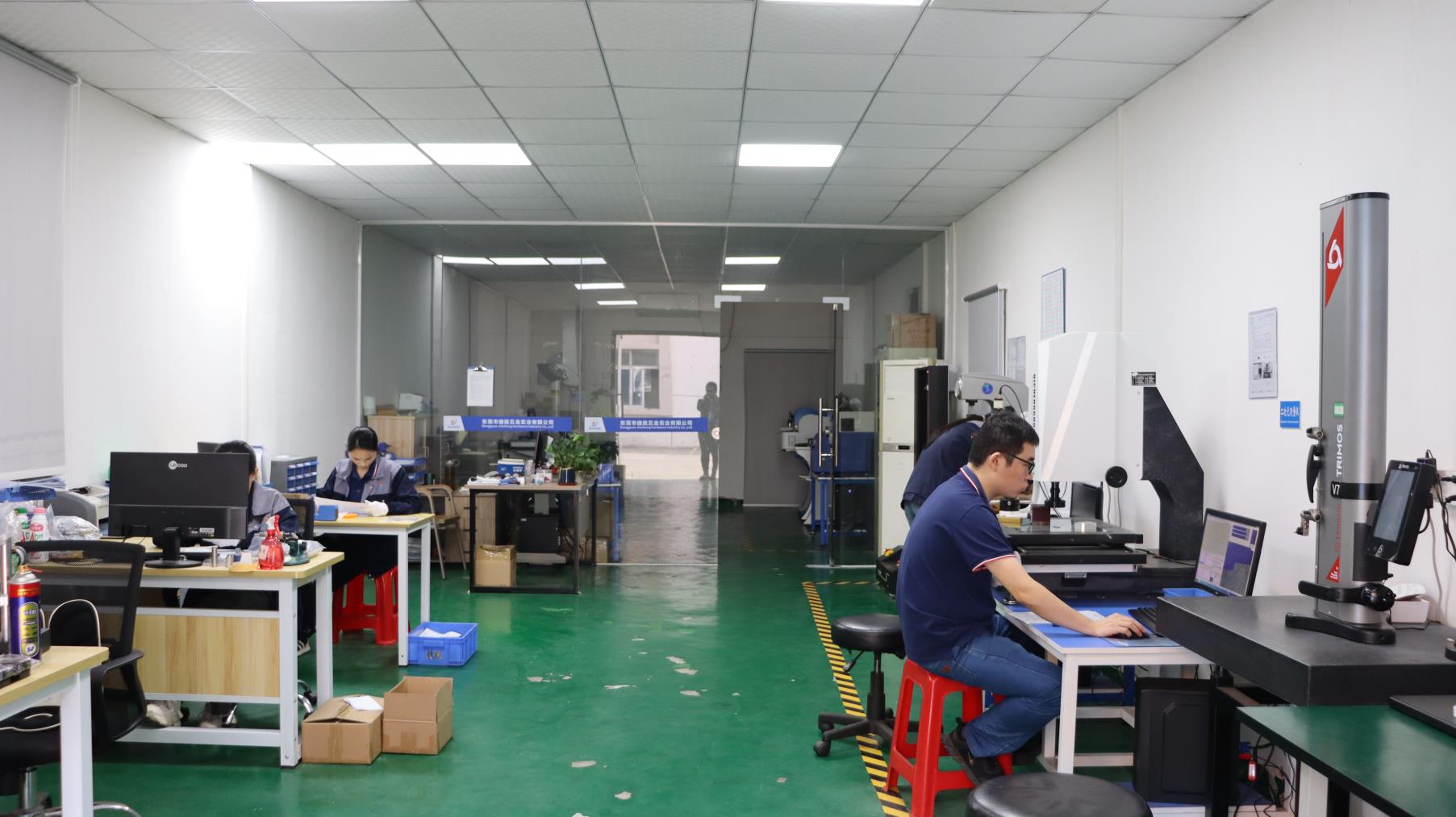
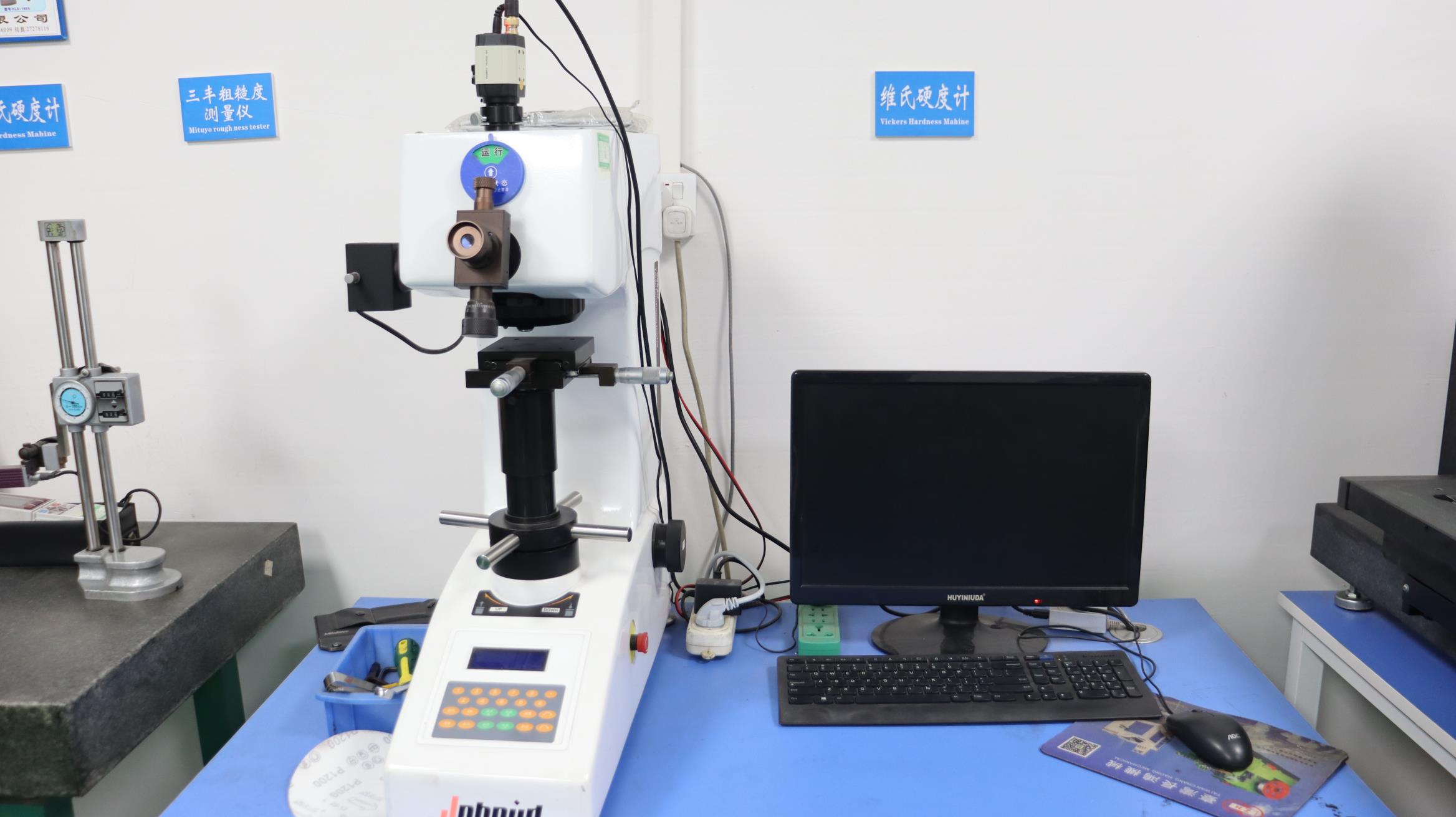
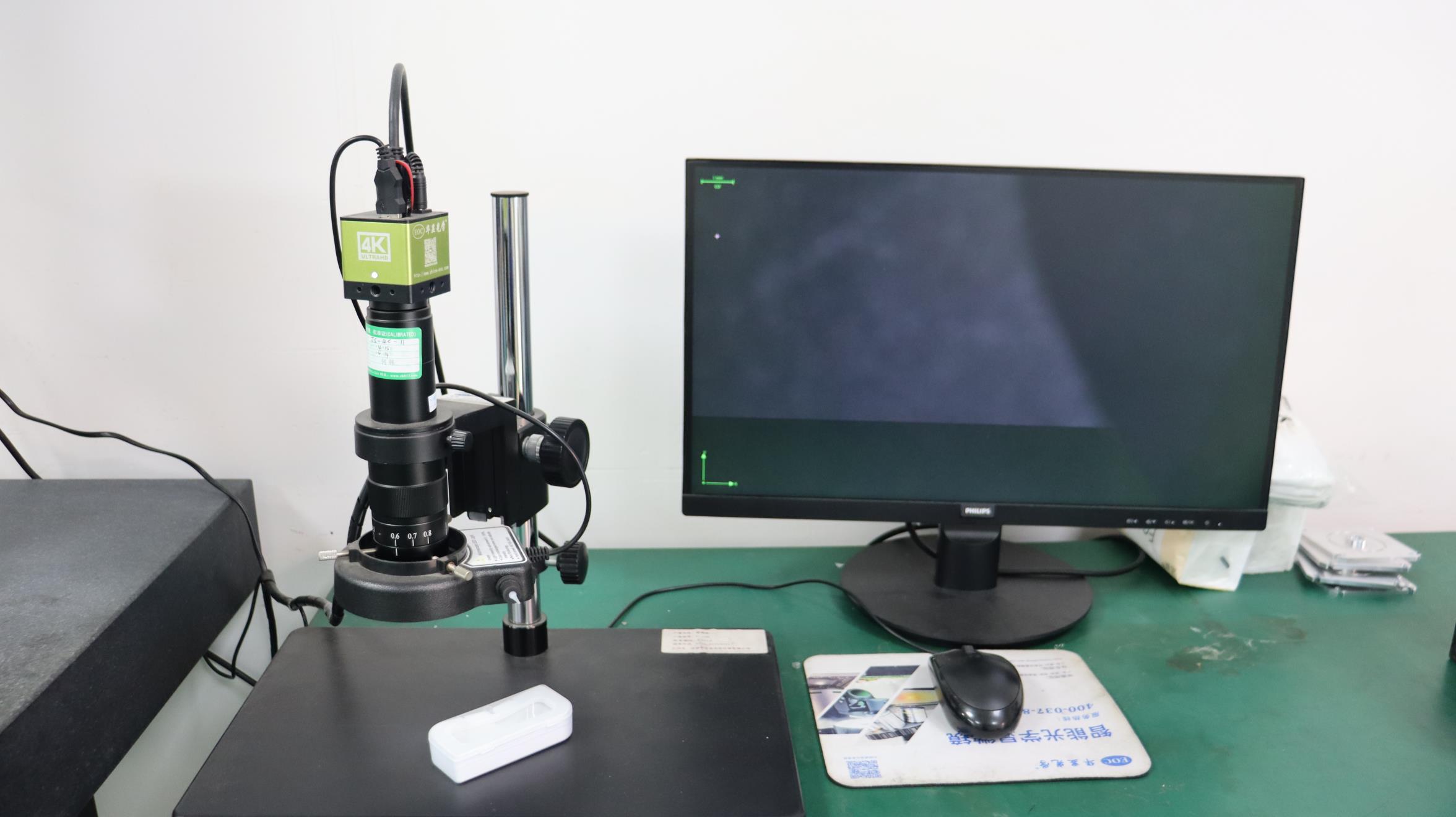
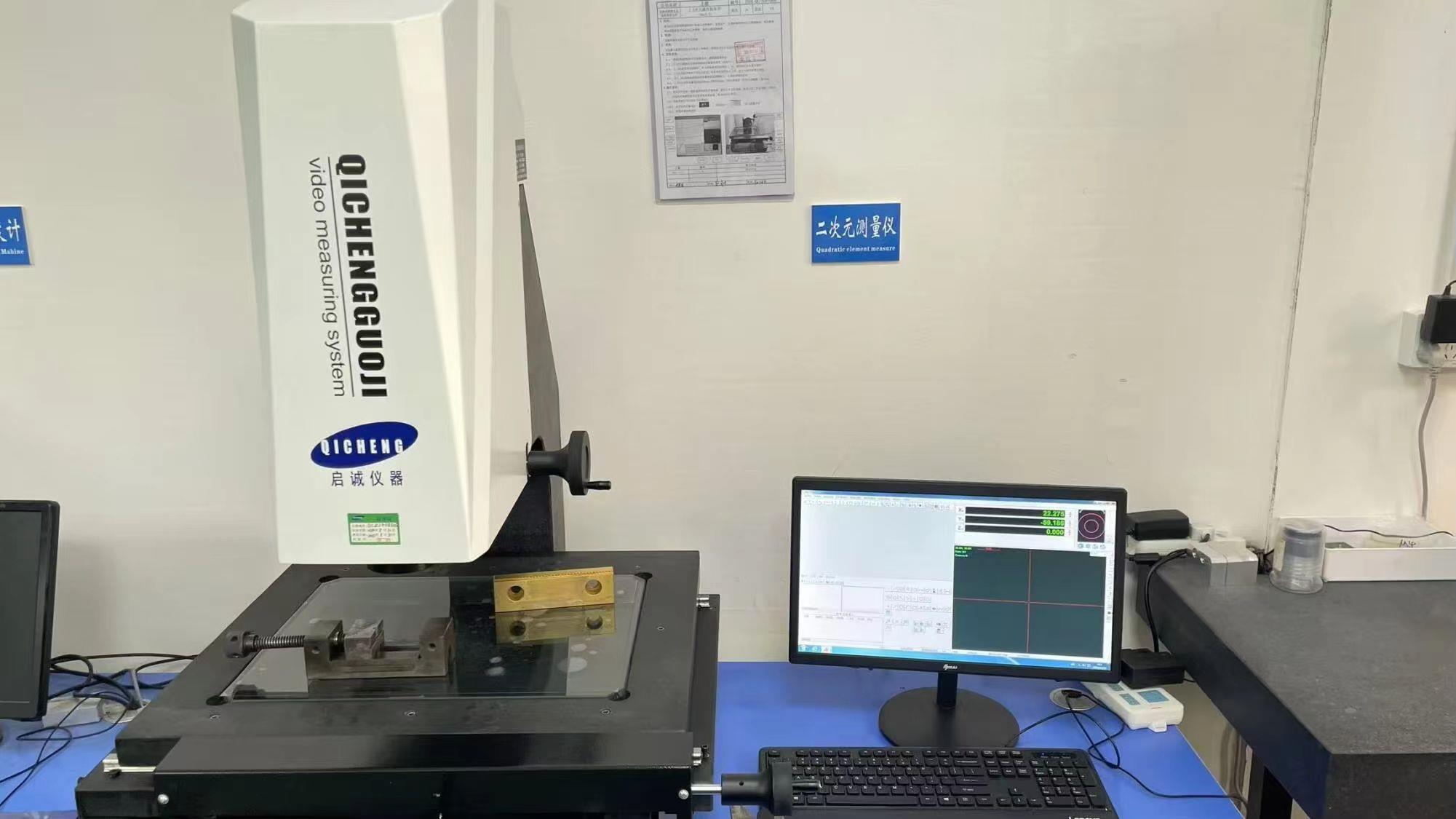
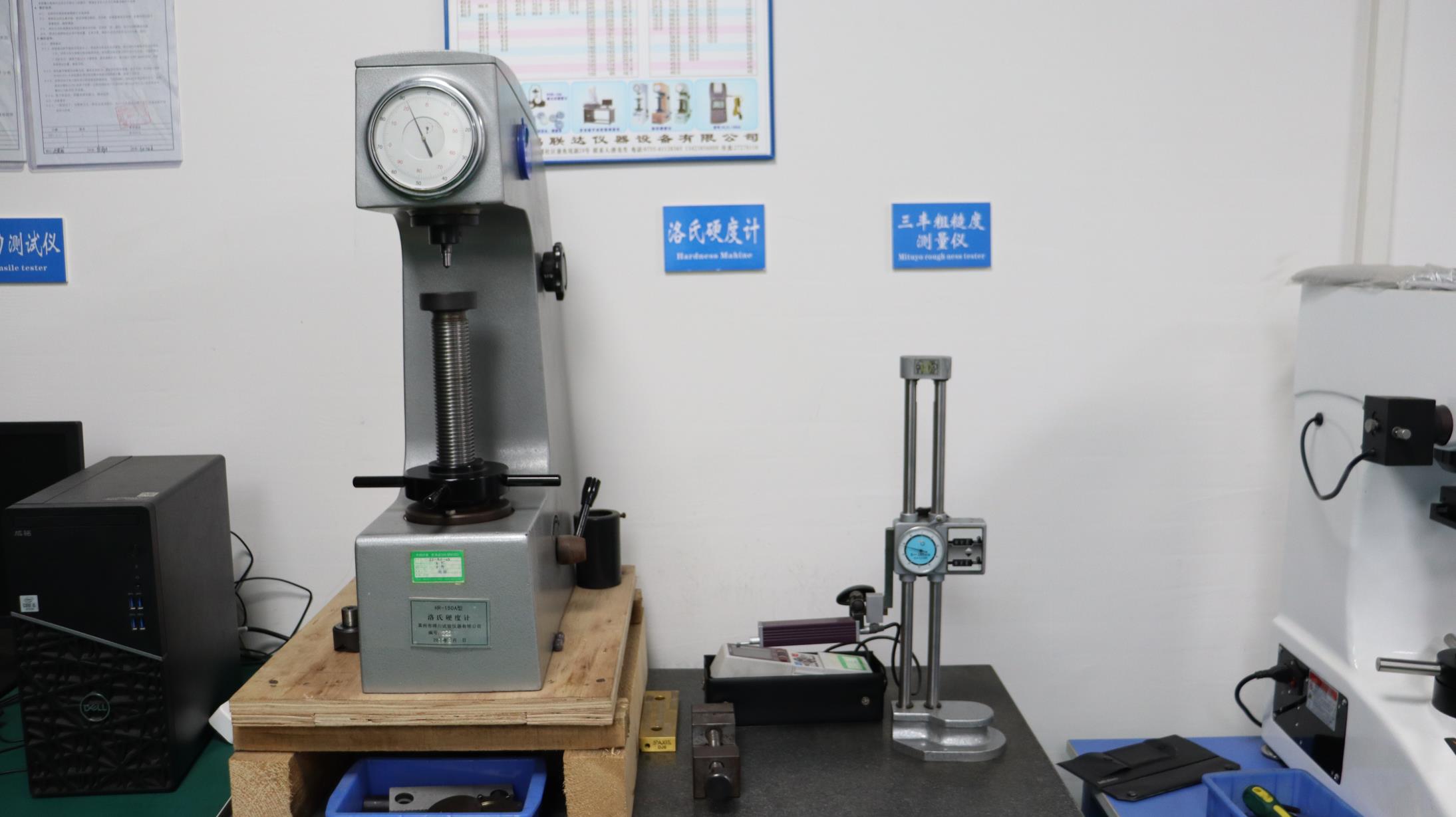
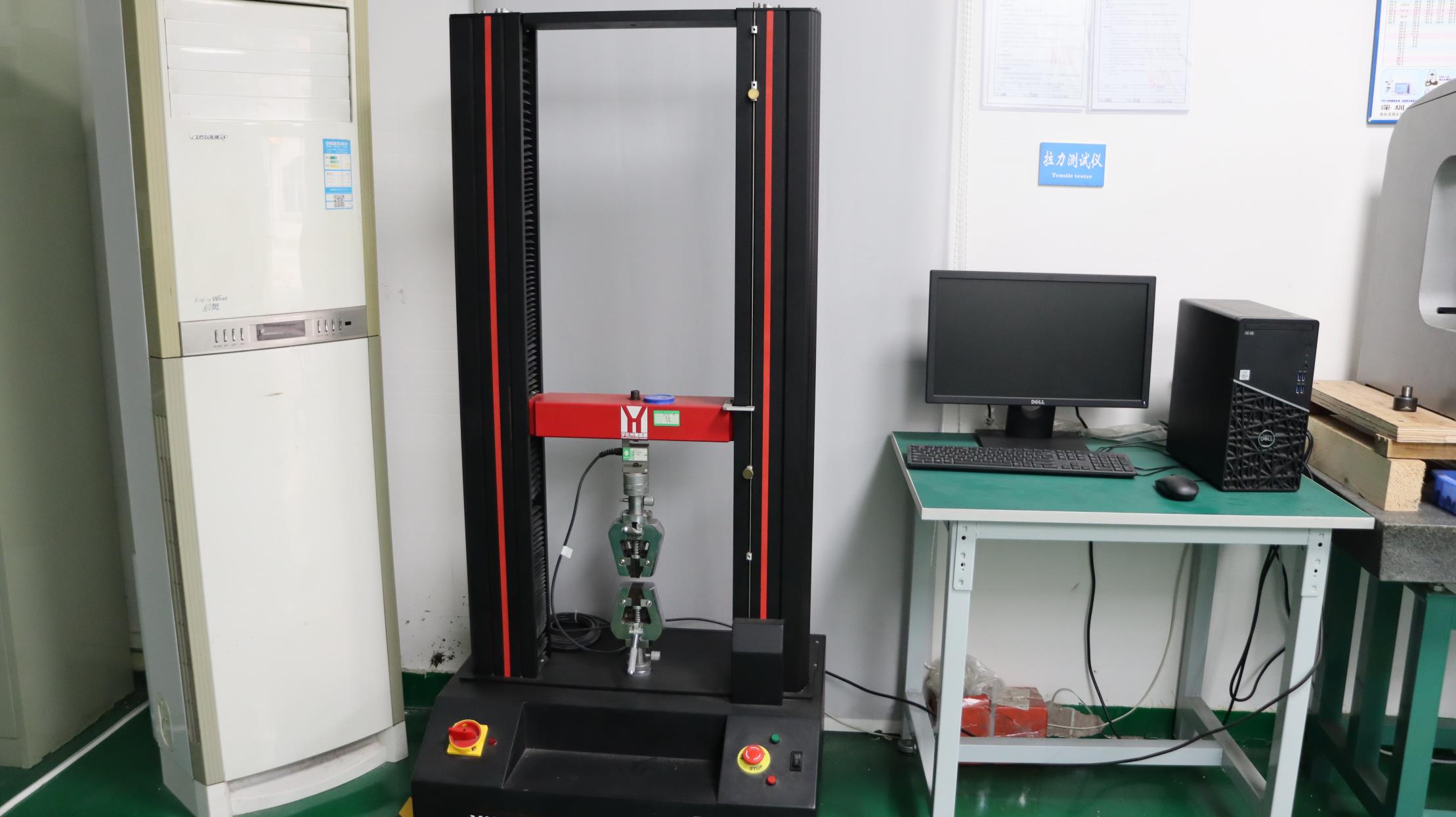
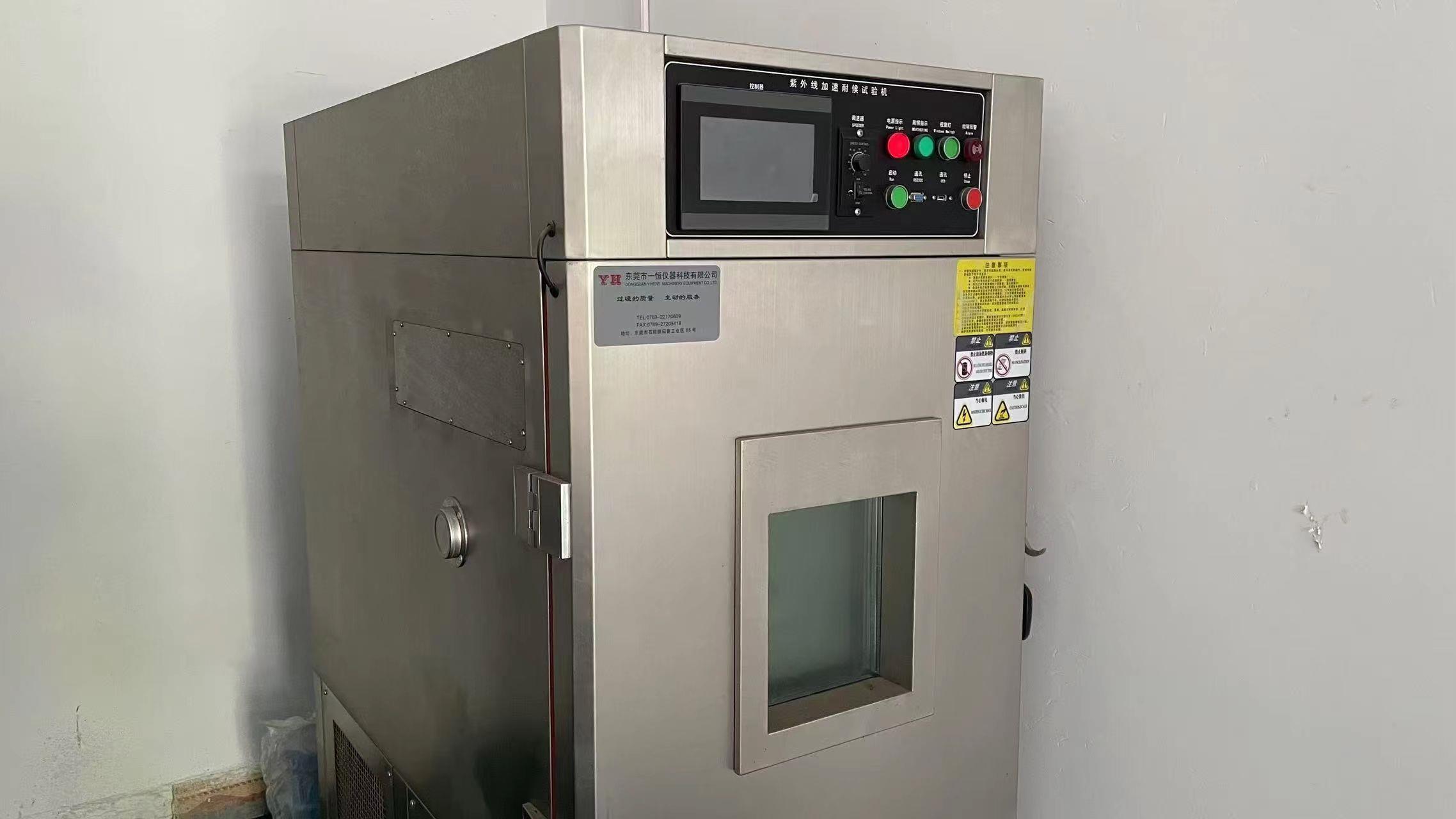
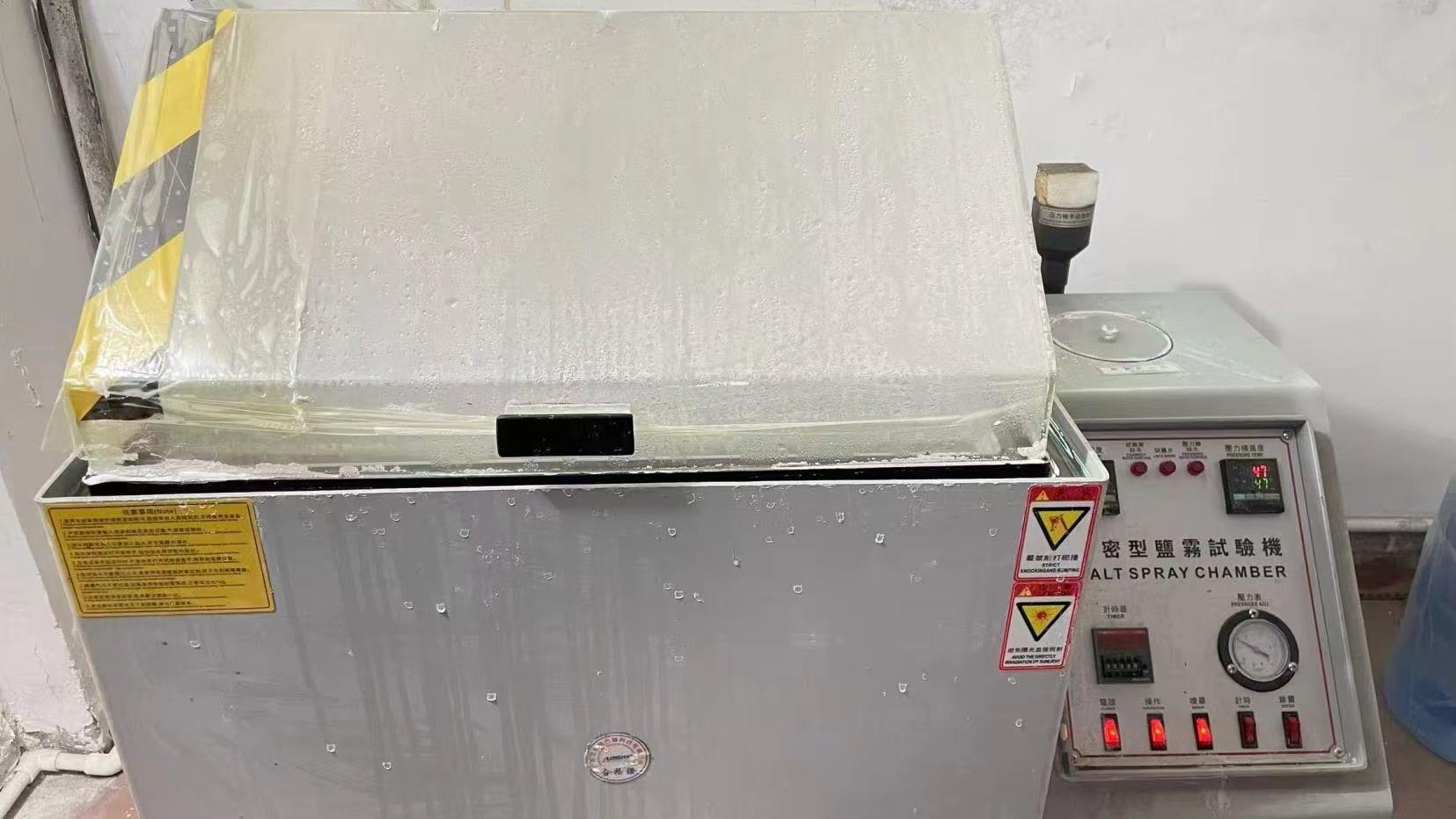
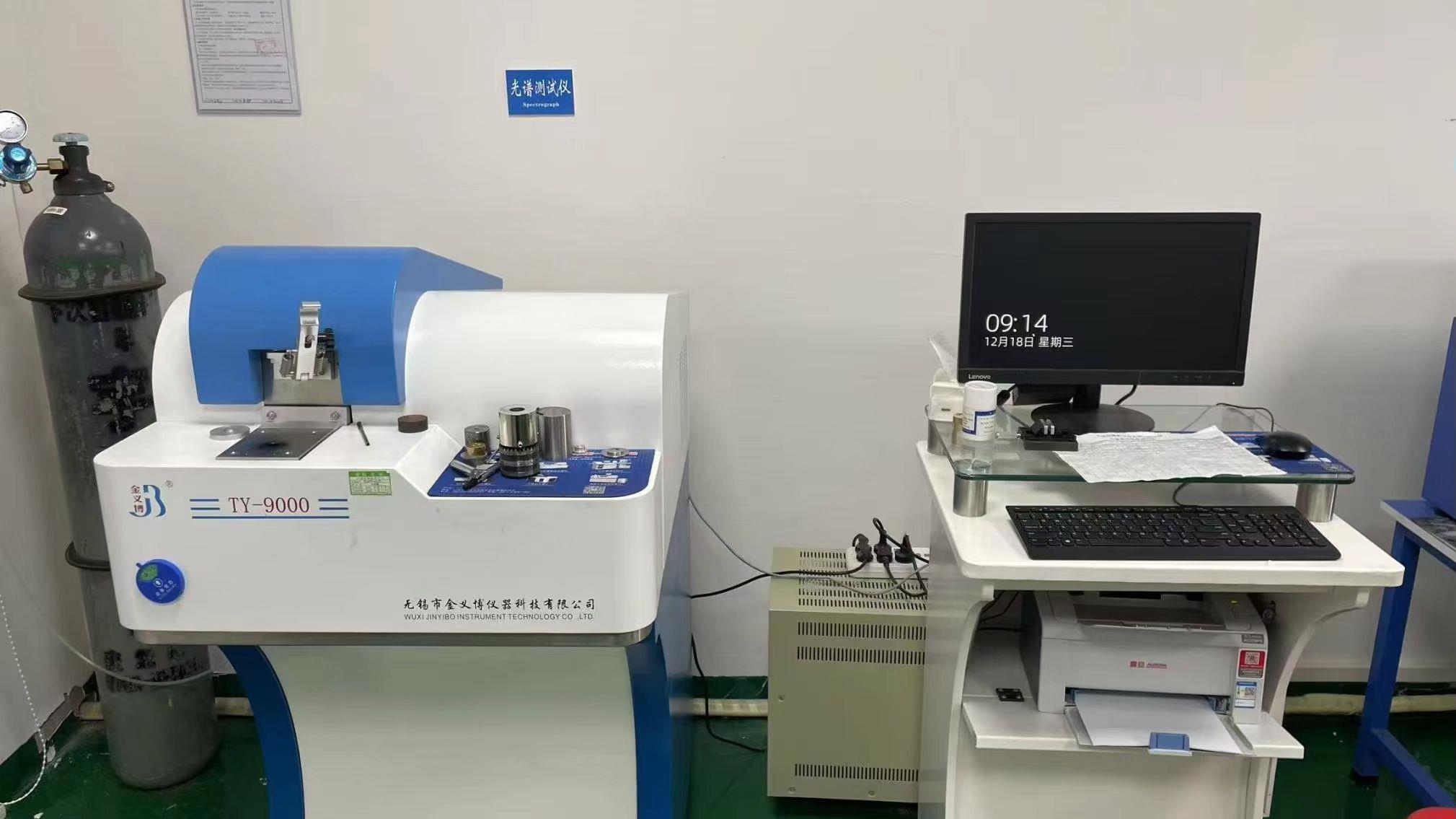
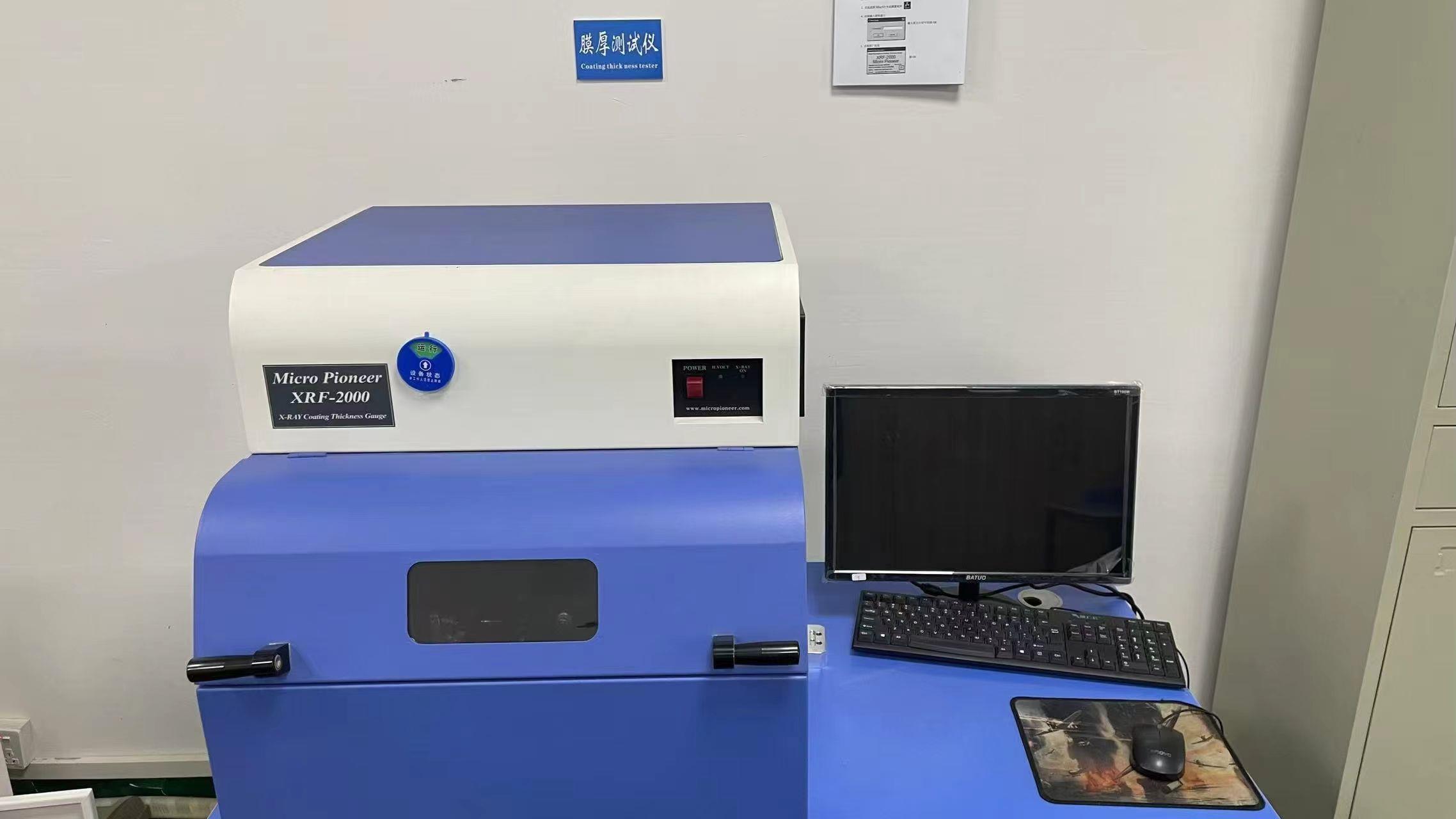
Key criteria for procurement engineers managing safety-critical automotive component supply chains.
High-quality brake rotors and drums rely on precise metallurgy. The standard material for these components is gray cast iron (specifically meeting GG20 or GG25 standards). When sourcing from global exporters, technical managers must verify that the supplier's gray iron contains a well-distributed flake graphite pattern (typically Type A, size 3 to 5 according to ASTM A247 standards). This specific structure is crucial for optimal thermal conductivity, damping capacity, and crack resistance during thermal shock. In contrast, low-grade alternatives often feature uneven graphite distribution, increasing the risk of thermal deformation and brake judder under high heat.
Under highway operating conditions, even small dimensional variations can lead to significant vibrations and pedal pulsations. High-quality brake rotors are machined to strict runout limits—often under 0.05 mm—and maintain thickness variations within 0.01 mm. Furthermore, dynamic balancing is critical for heavy-duty commercial vehicle brake drums and rotors. Exporters should utilize automated, state-of-the-art balancing equipment to ensure residual unbalance remains well within ISO 1940 G6.3 limits, preventing premature bearing failure and uneven pad wear.
Brake assemblies are continually exposed to harsh environmental factors, including road salt, moisture, and extreme temperature cycles. Leading manufacturers apply specialized surface treatments such as Dacromet coating, zinc-plate passivation, or high-temperature geometry paints. These coatings must withstand extended testing periods in salt spray chambers (exceeding 240 hours of continuous exposure according to ASTM B117 standards) without showing signs of red rust, protecting the structural integrity of mounting holes, cooling vents, and adjustment mechanisms.
A brake caliper is only as reliable as its protective seals. The rubber boots and internal piston seals keep dust, moisture, and contaminants away from sliding surfaces, while retaining hydraulic pressure. To prevent premature aging, these elastomeric components must undergo accelerated weathering testing, including exposure to high ozone concentrations and ultraviolet light. This verification ensures the rubber remains flexible, crack-free, and operational across temperatures ranging from -40°C up to 150°C.
Understanding how specialized braking systems are optimized for different operational environments, vehicles, and duties.
Focuses on noise suppression, low brake dust generation, and seamless integration with regenerative braking systems. Calipers must support electronic parking brake (EPB) actuators, while rotors require high thermal stability to handle the increased weight of hybrid and electric battery packs.
Designed for long-haul trucks, buses, and trailers. These assemblies feature heavy-duty, dynamically balanced brake drums and thick brake shoes. They must handle high continuous thermal loads without fading during extended downhills, while resisting structural fatigue under heavy payloads.
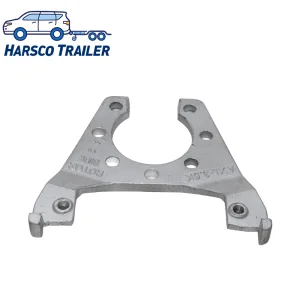
Tailored for construction machinery, municipal utility vehicles, and defense equipment. These systems often operate in dusty, muddy, or corrosive environments, requiring sealed multi-piston calipers, high-strength caliper brackets, and advanced corrosion-resistant coatings.
Direct, technically detailed answers to common inquiries from global automotive buyers and procurement teams.
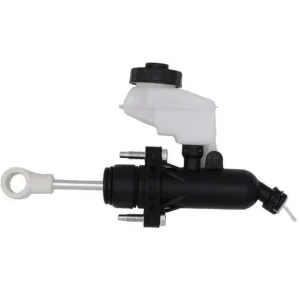
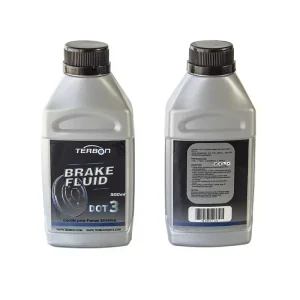
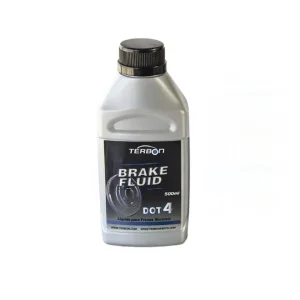
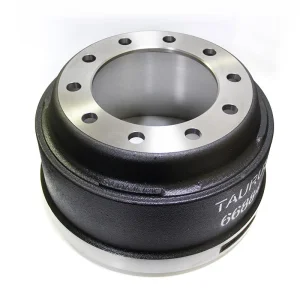
Explore our range of heavy-duty friction materials, brake cylinders, specialized calipers, and DOT-certified hydraulic fluids.
 Zizel Auto