Zizel Auto
Calgary Industrial & Commercial Landscape
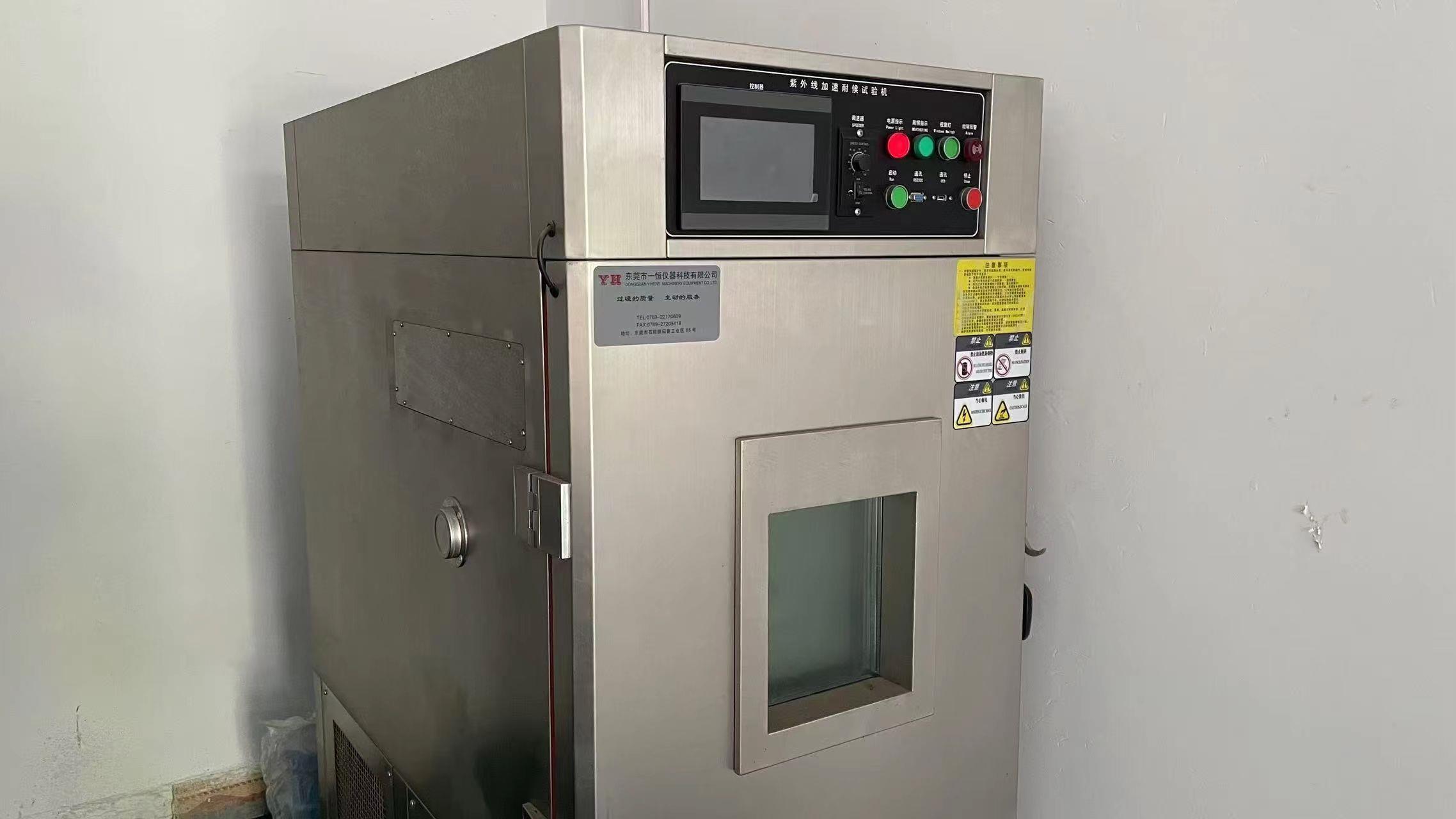
Calgary, Alberta stands as a primary inland logistics hub for Western Canada. Positioned at the intersection of the Trans-Canada Highway and the CANAMEX Corridor, Calgary operates dynamic municipal, transport, and energy-sector fleets. The atmospheric demands of the Calgary region—marked by severe sub-zero winter temperatures reaching down to -40°C and the aggressive application of chemical de-icing agents like sodium chloride and calcium chloride on the roads—place extreme stress on light-duty, heavy-duty, and commercial braking systems.
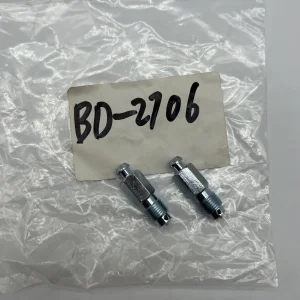
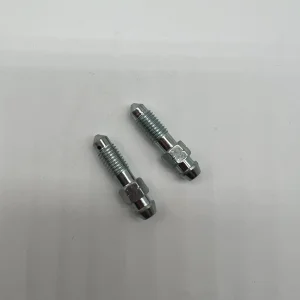
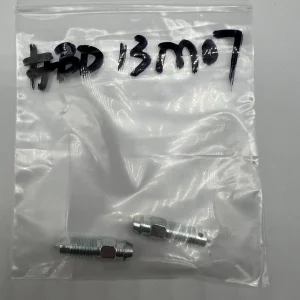
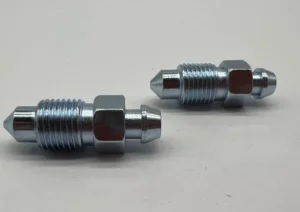
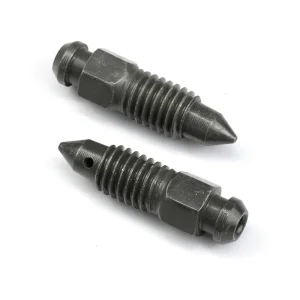
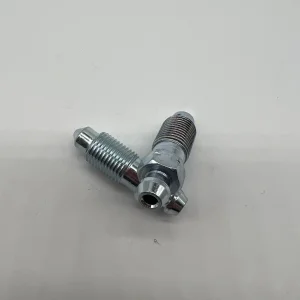
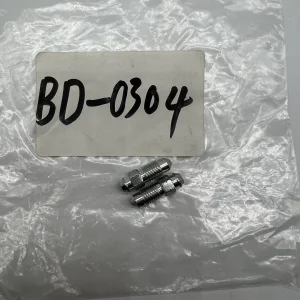
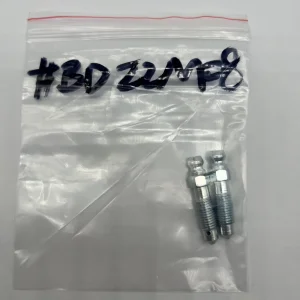
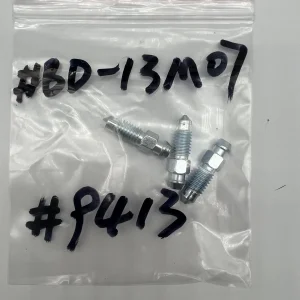
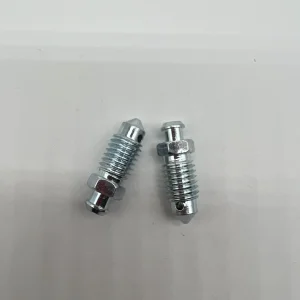
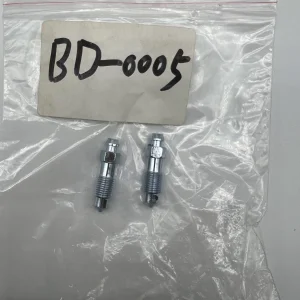
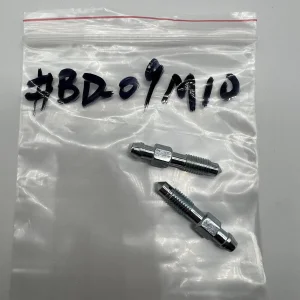
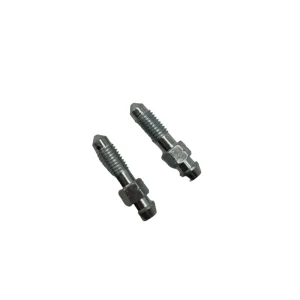
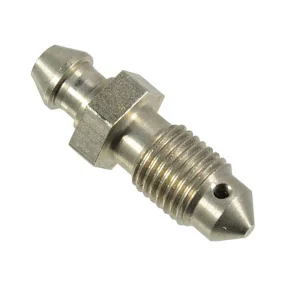
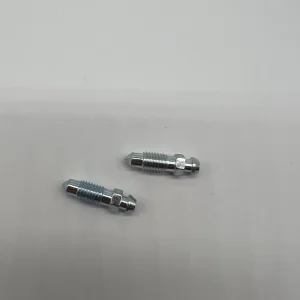
In hydraulic braking mechanisms, the brake bleeder screw plays a vital safety role. It serves as the primary gateway to evacuate air pockets, moisture, and contaminated hydraulic fluid from the caliper housing. If a bleeder screw corrodes, seizes, or suffers thread deformation, it risks compromising the sealing seat, causing fluid leaks or caliper failure. Local distributors, fleet managers, and industrial workshops across Alberta demand precision-engineered, corrosion-resistant bleeder screws designed to withstand thermal cycling and high-salinity exposure without seizing.
- Thermal Cycling: Fluctuations from dry summer heat (+30°C) to extreme winter cold (-40°C).
- Chemical Attack: Prolonged contact with road salts and liquid brines accelerating galvanic and pitting corrosion.
- High Mechanical Load: Constant vibration from mountain highways and heavy logistics transport routes.
Global Procurement & Compliance Standards
Automotive parts procurement specialists, industrial distributors, and tier-one brake assembly manufacturers require high-volume production capabilities coupled with strict adherence to international quality standards. The procurement of safety-critical hydraulic brake line fittings requires strict adherence to international quality management systems.
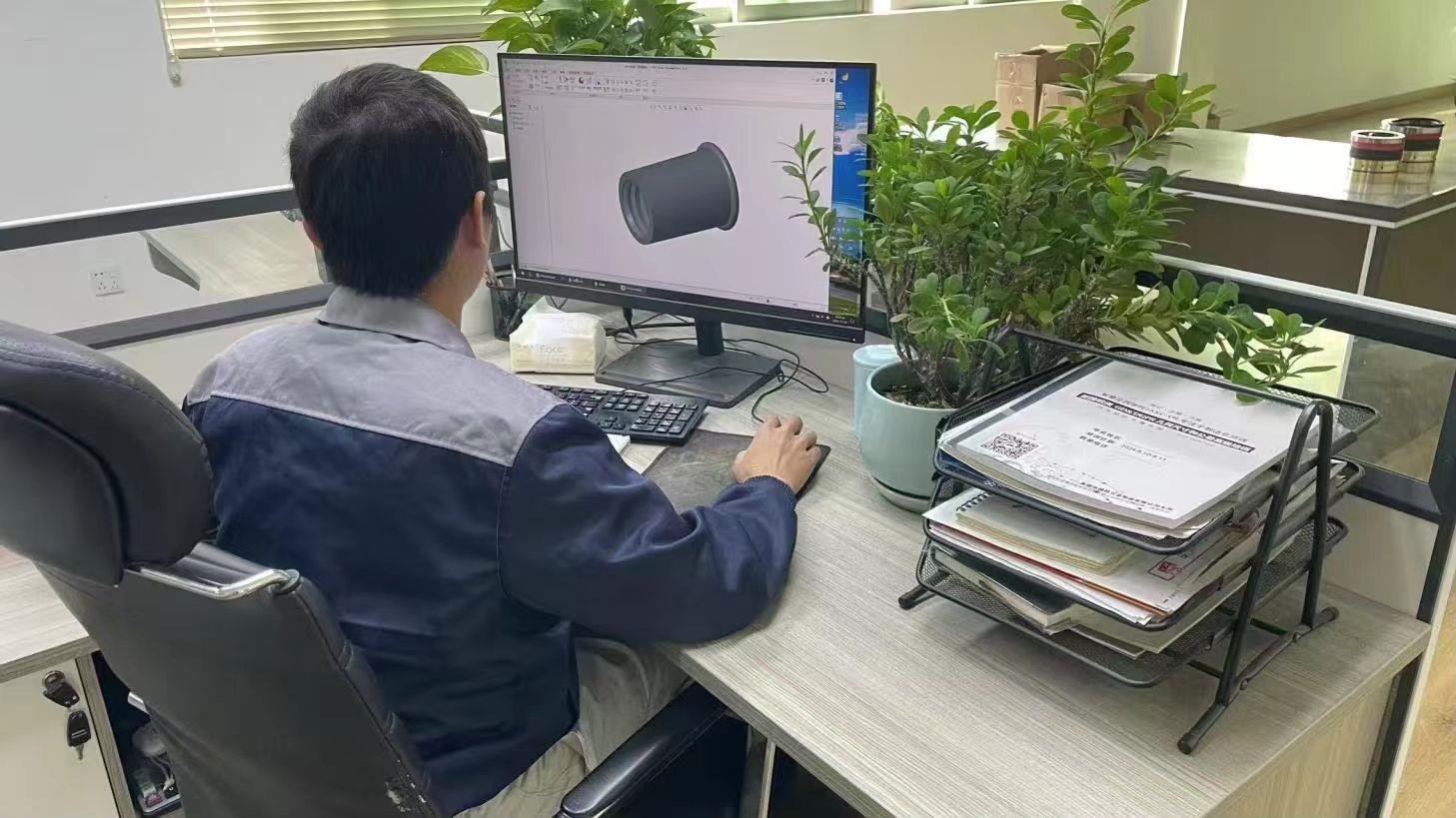
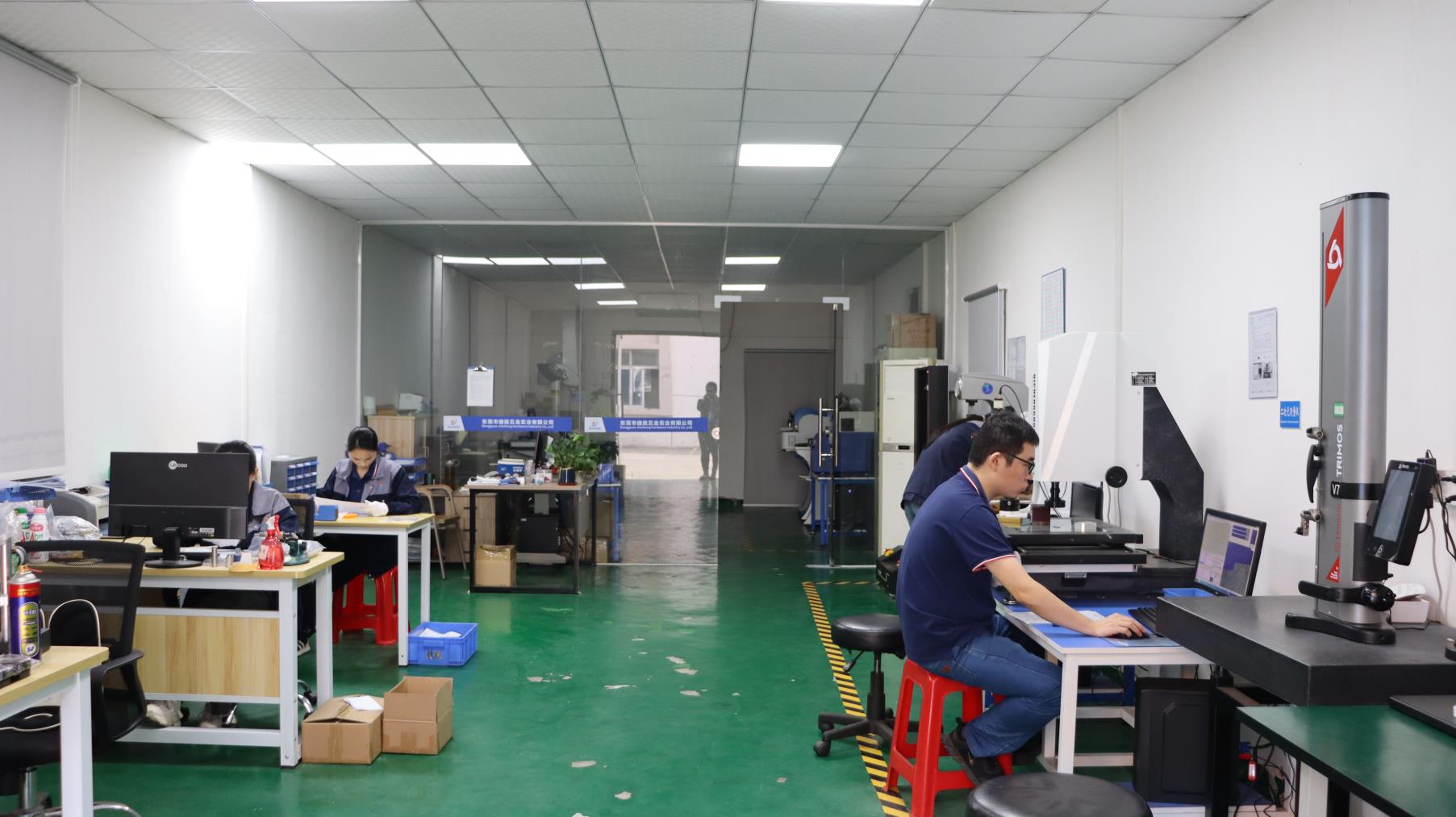
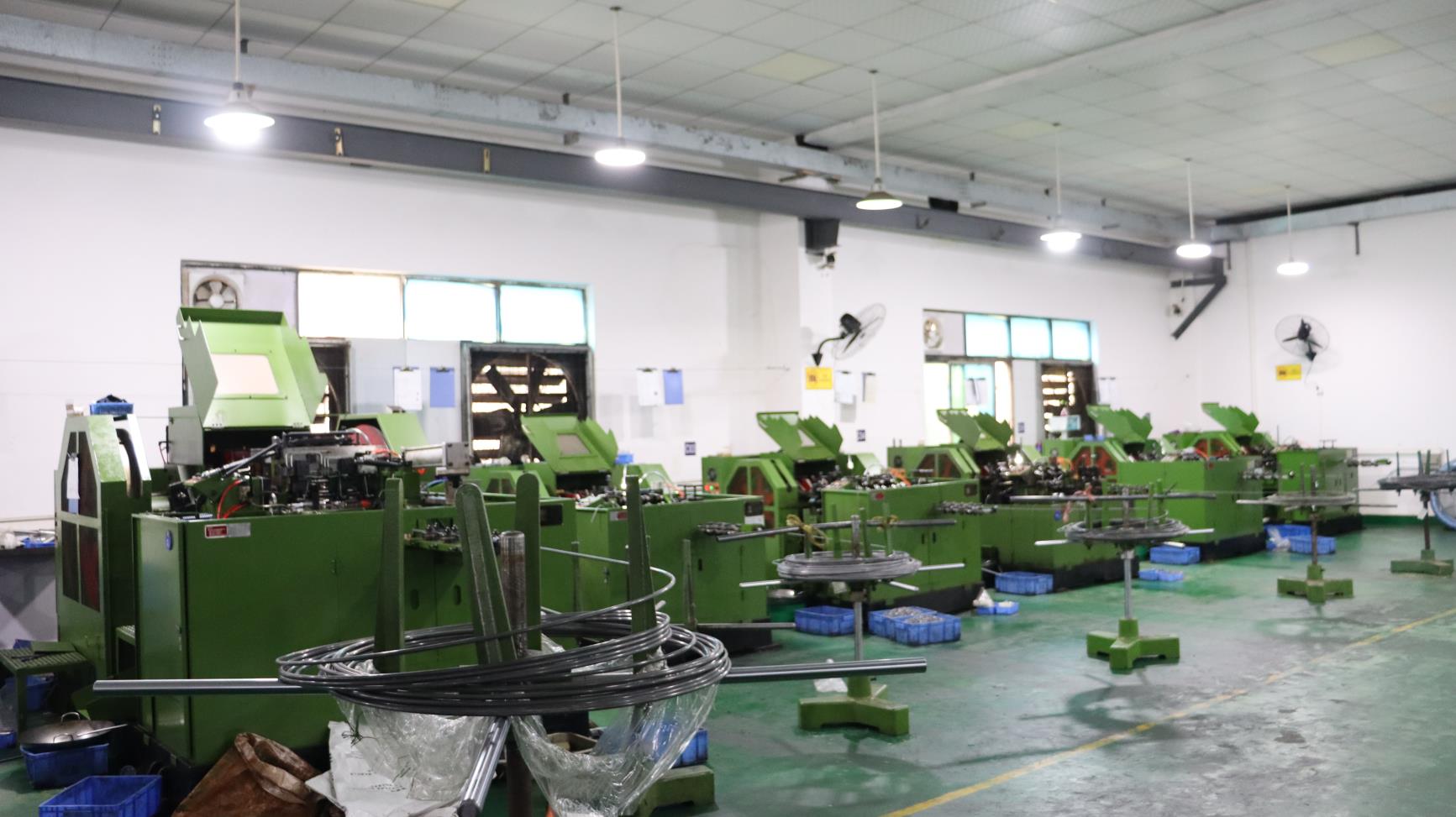
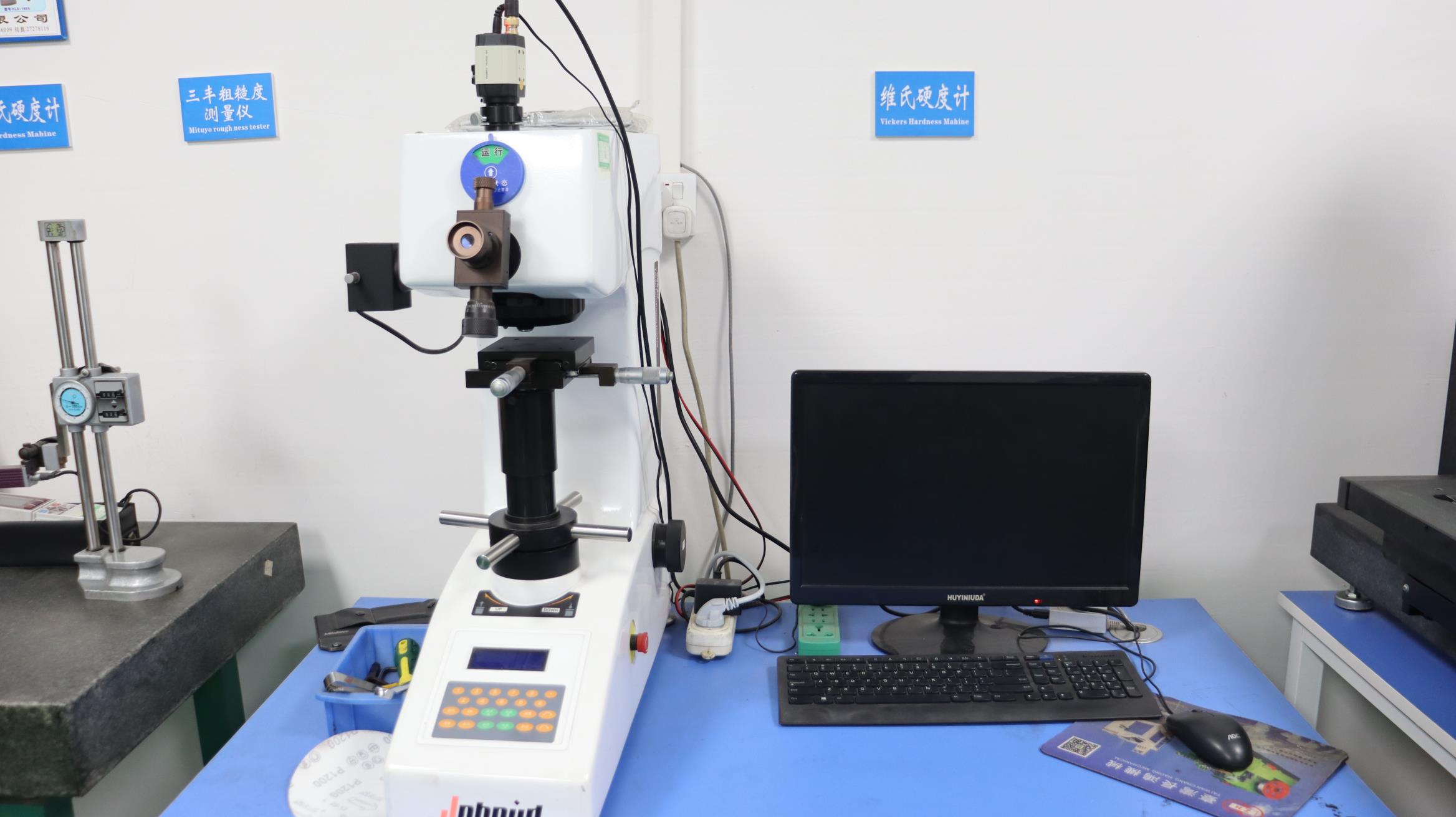
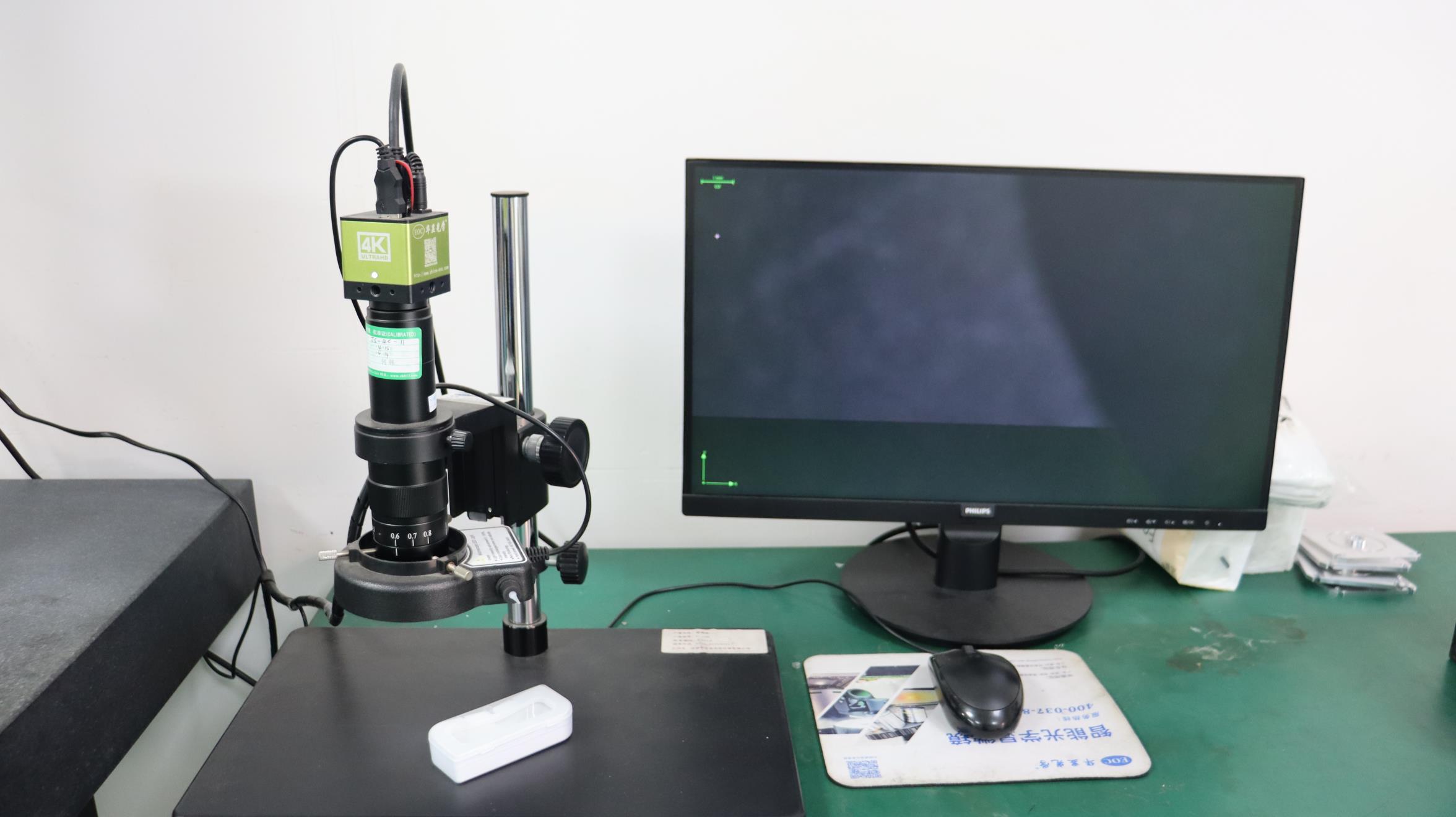
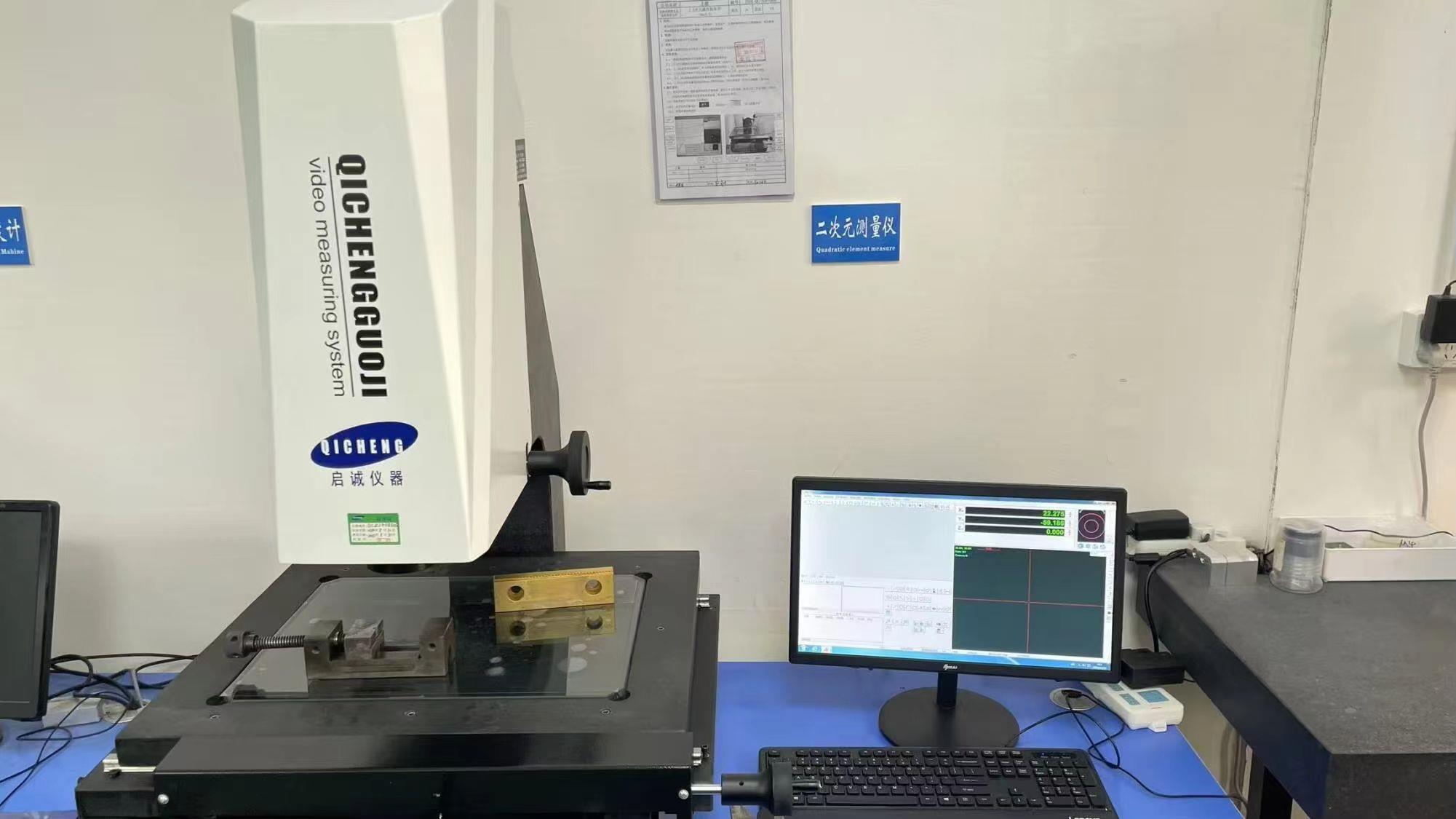
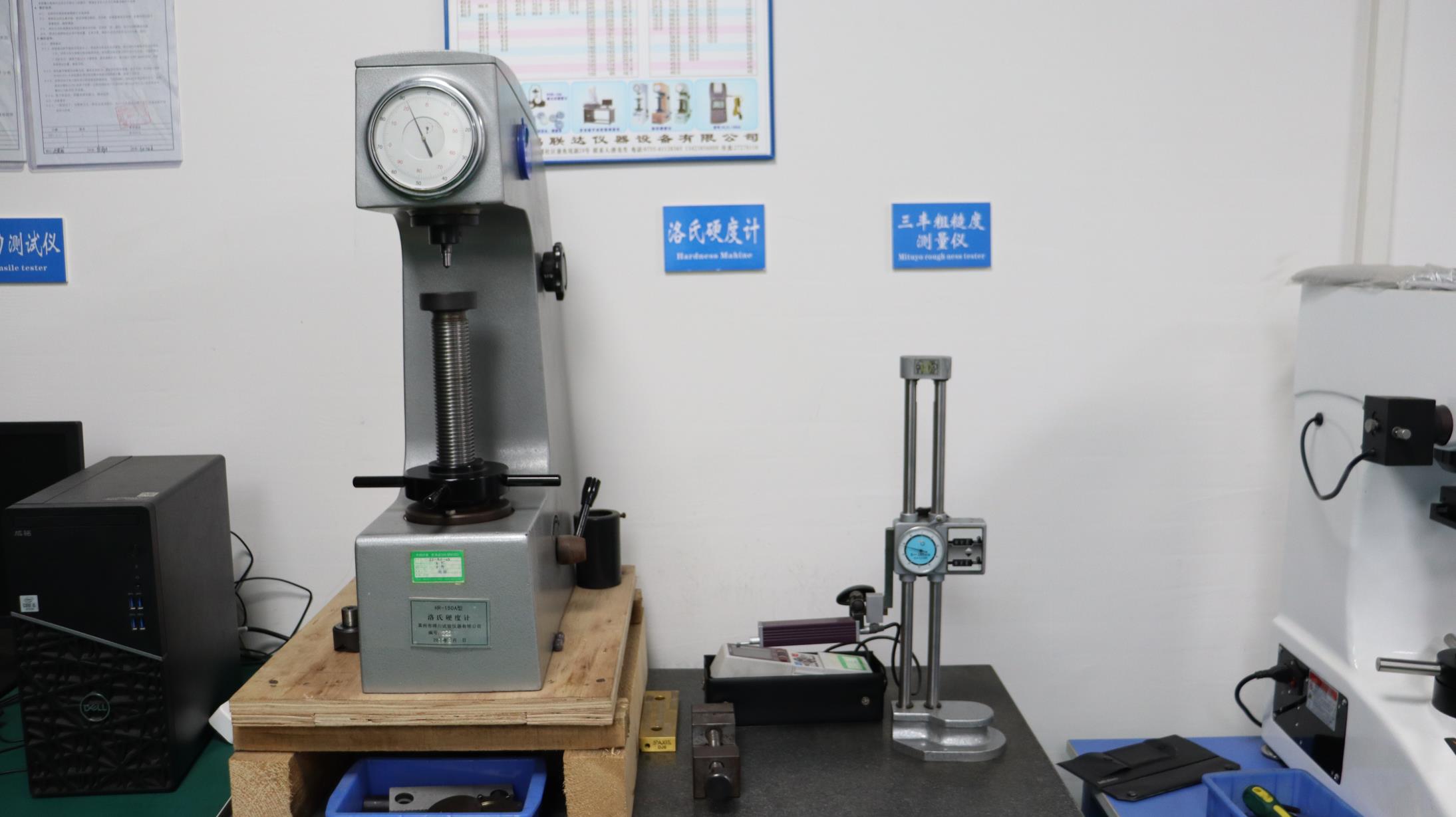
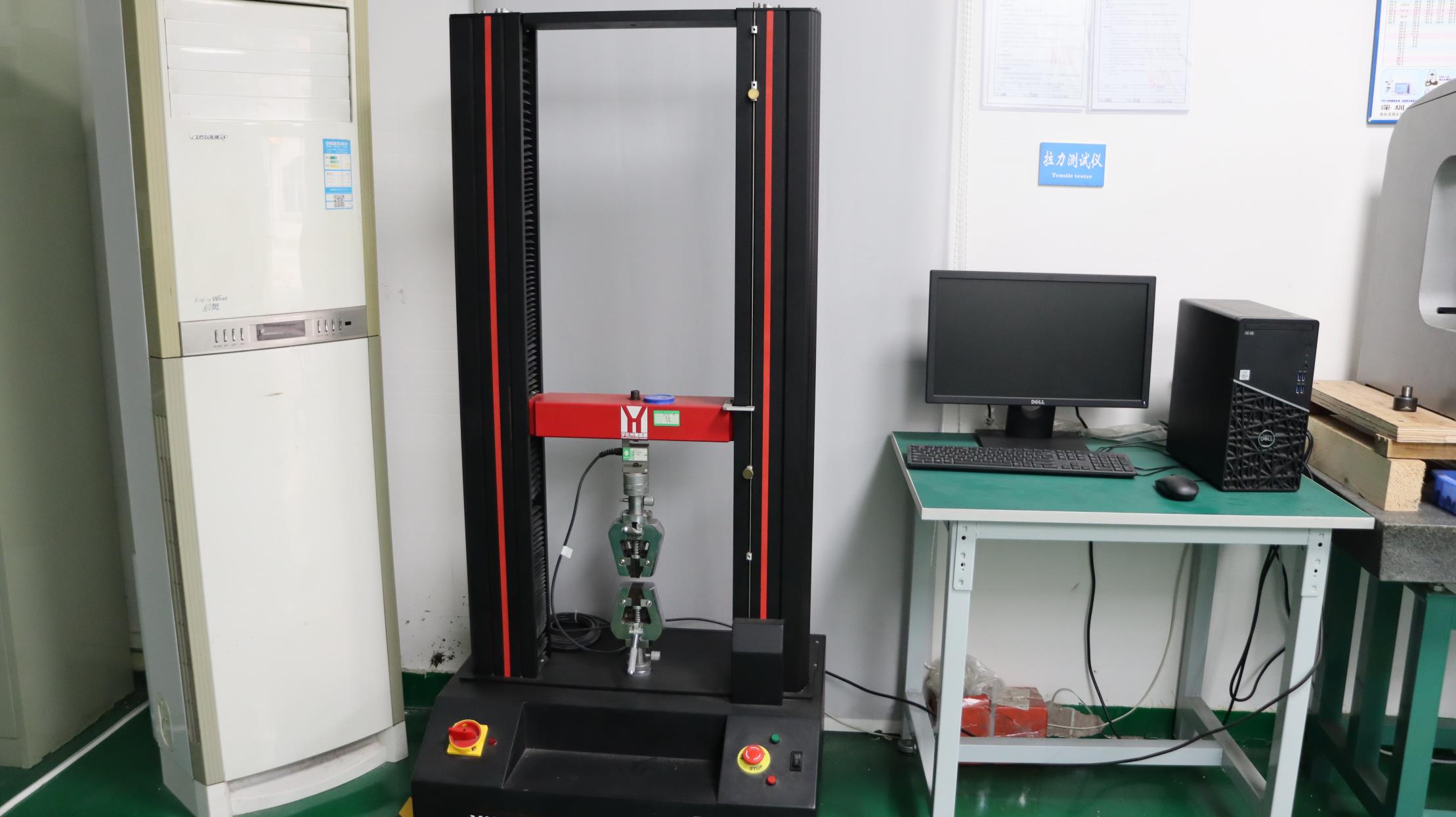
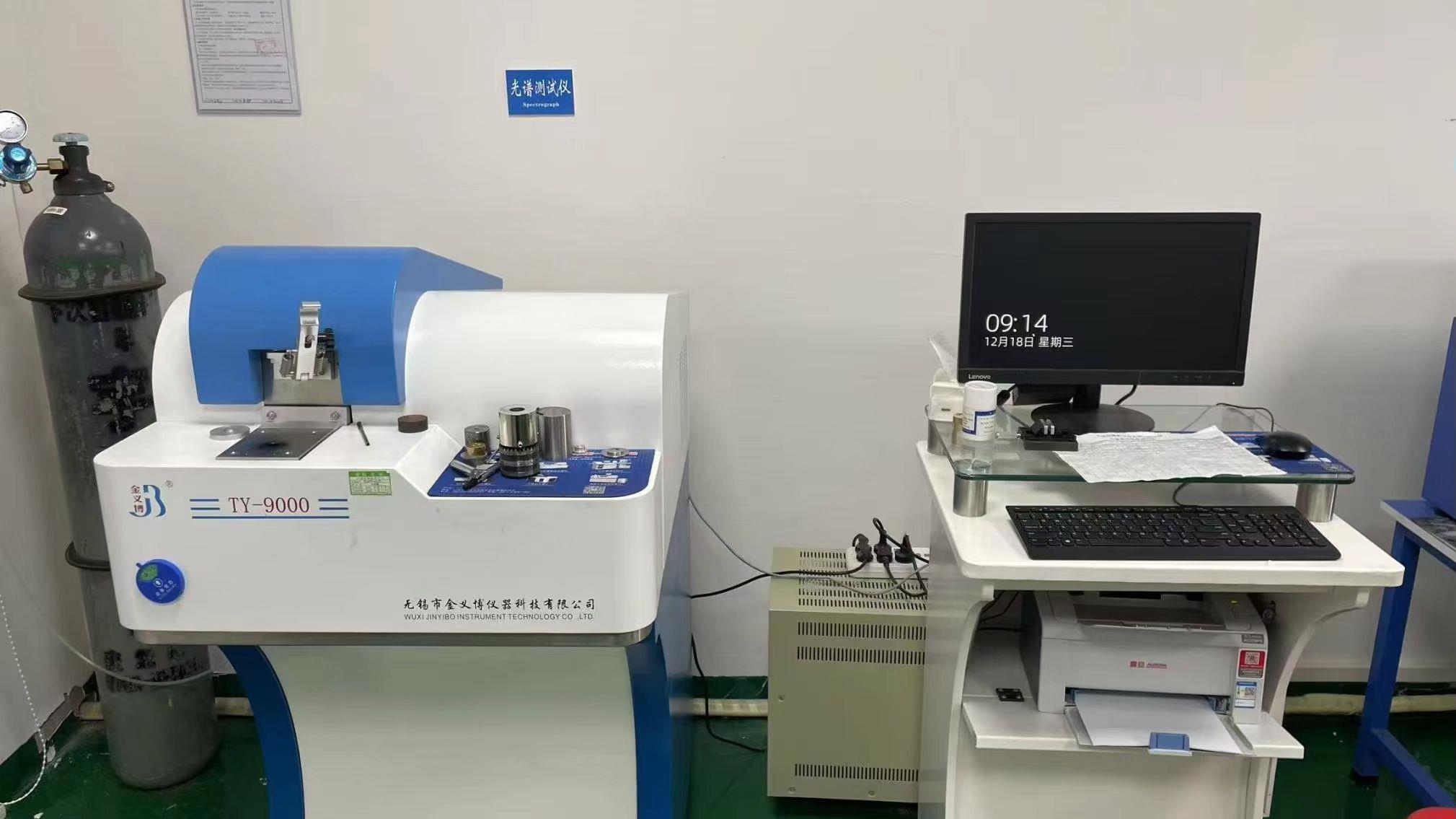
At the foundation of this process lies the IATF 16949:2016 and ISO 9001:2015 certifications. These frameworks demand a structured approach to risk mitigation, design validation, manufacturing consistency, and zero-defect initiatives. A premier manufacturer must verify material integrity from the raw steel rod to the finished surface treatment, ensuring precise thread pitch, fluid channel roundness, and seat angle consistency.
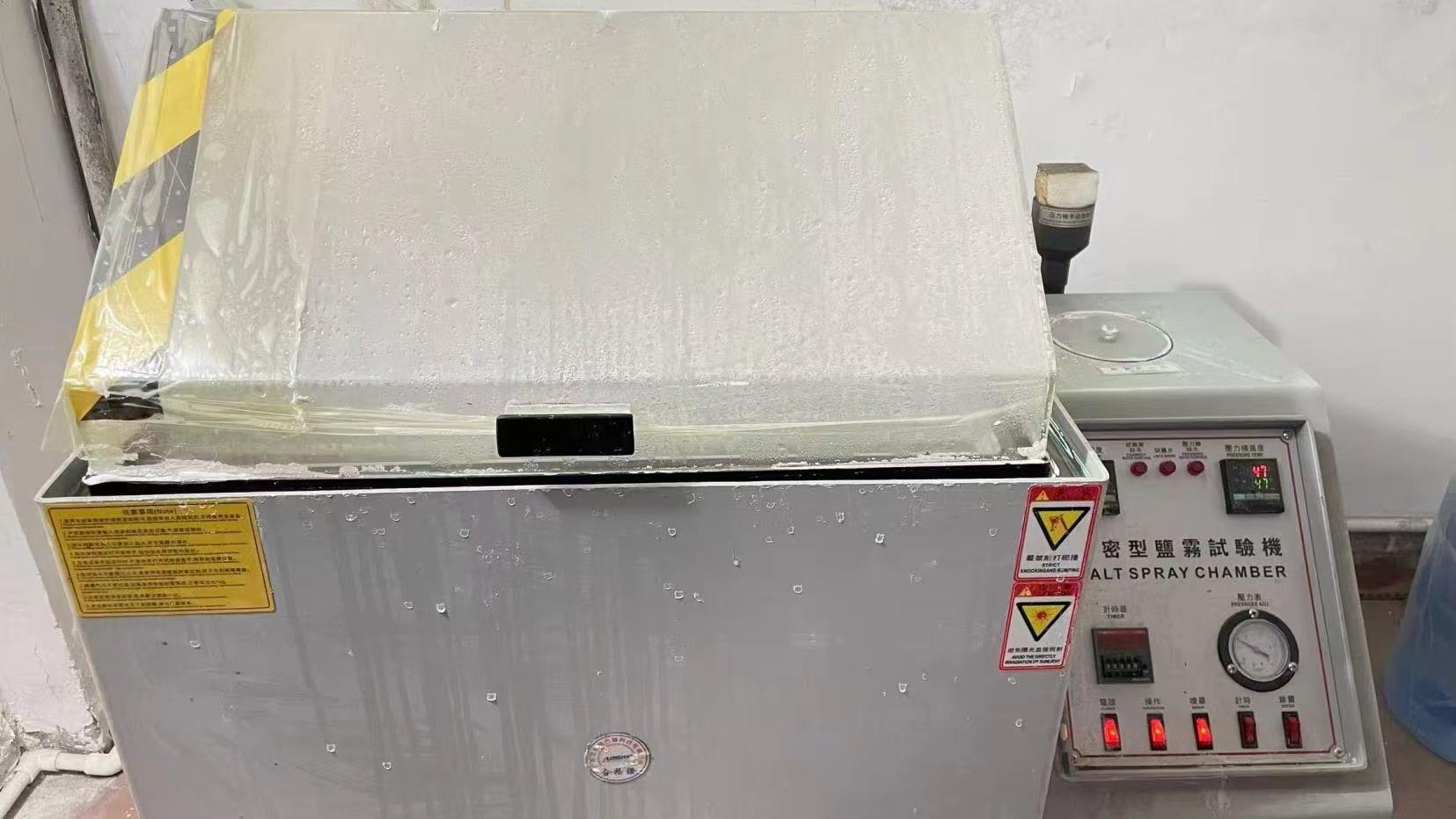
For Calgary and North American procurement managers, ensuring product quality requires strict compliance with ASTM B117 salt spray testing. High-quality carbon steel screws must withstand a minimum of 240 hours of neutral salt spray testing before showing signs of red rust, while premium zinc-nickel alloy plated screws or high-grade stainless steel options exceed 1,000 hours of exposure, ensuring long-term durability in cold-weather regions.
Macro Industry Solutions & Technical Roadmap
Materials Science & Alloys
Transitioning from standard carbon steels to ultra-resilient SUS 304 and SUS 316 stainless steels, and utilizing advanced heat treatment processes to achieve optimal hardness values without sacrificing shear strength under torque.
Electroplating Innovation
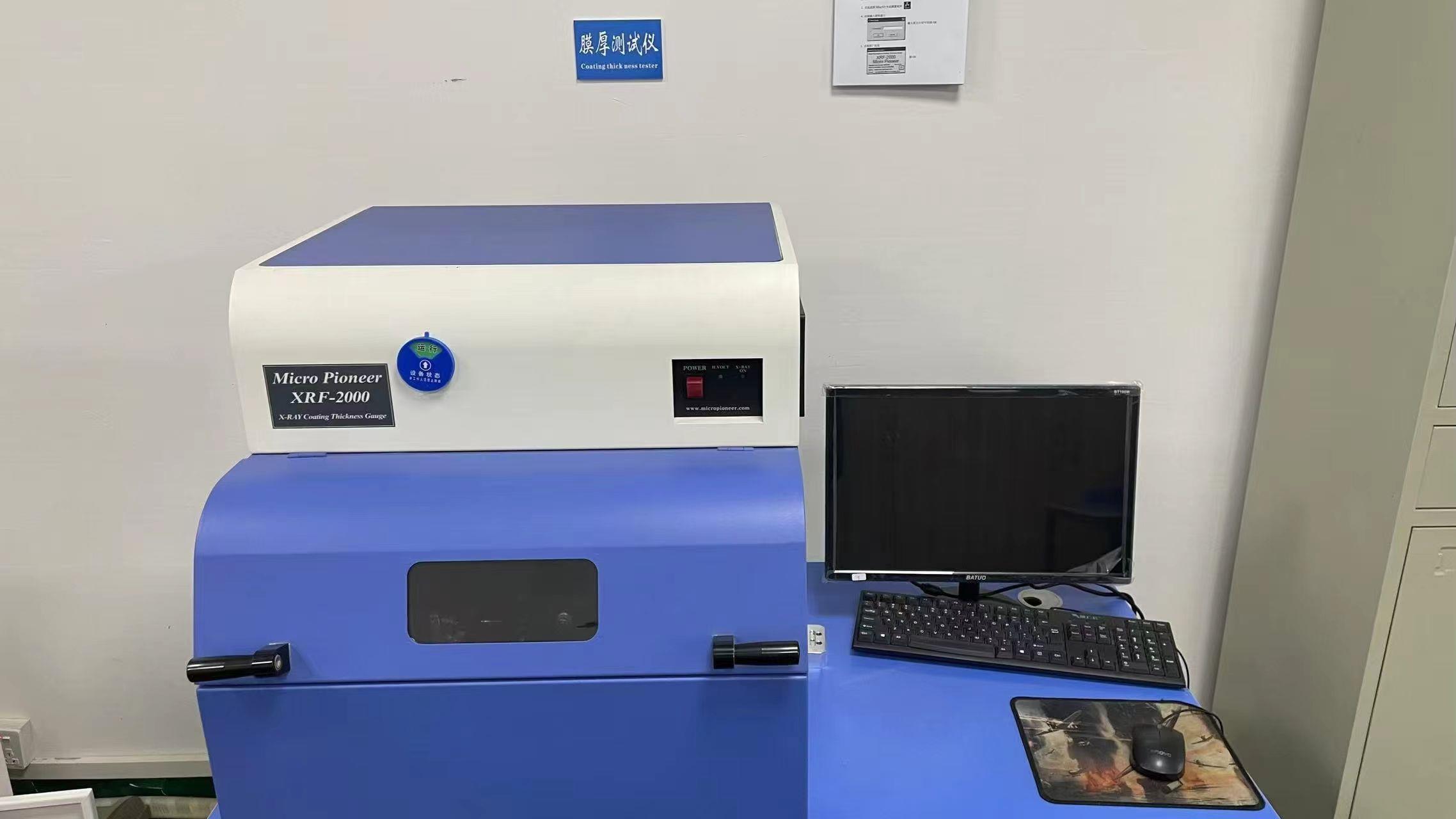
Deploying environmentally compliant, hexavalent chromium-free zinc-nickel coatings (Zn-Ni) and specialized Geomet® and Dacromet® coatings. This delivers outstanding salt spray performance and helps prevent thread galling.
CNC Precision Machining
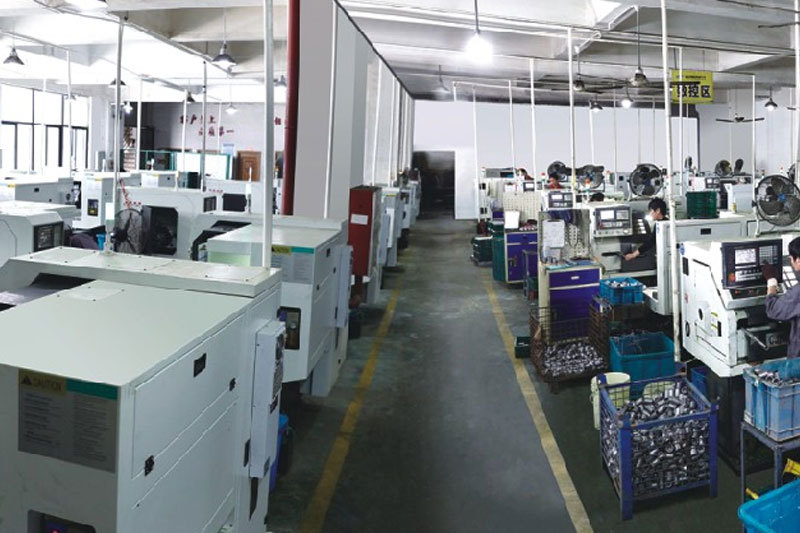
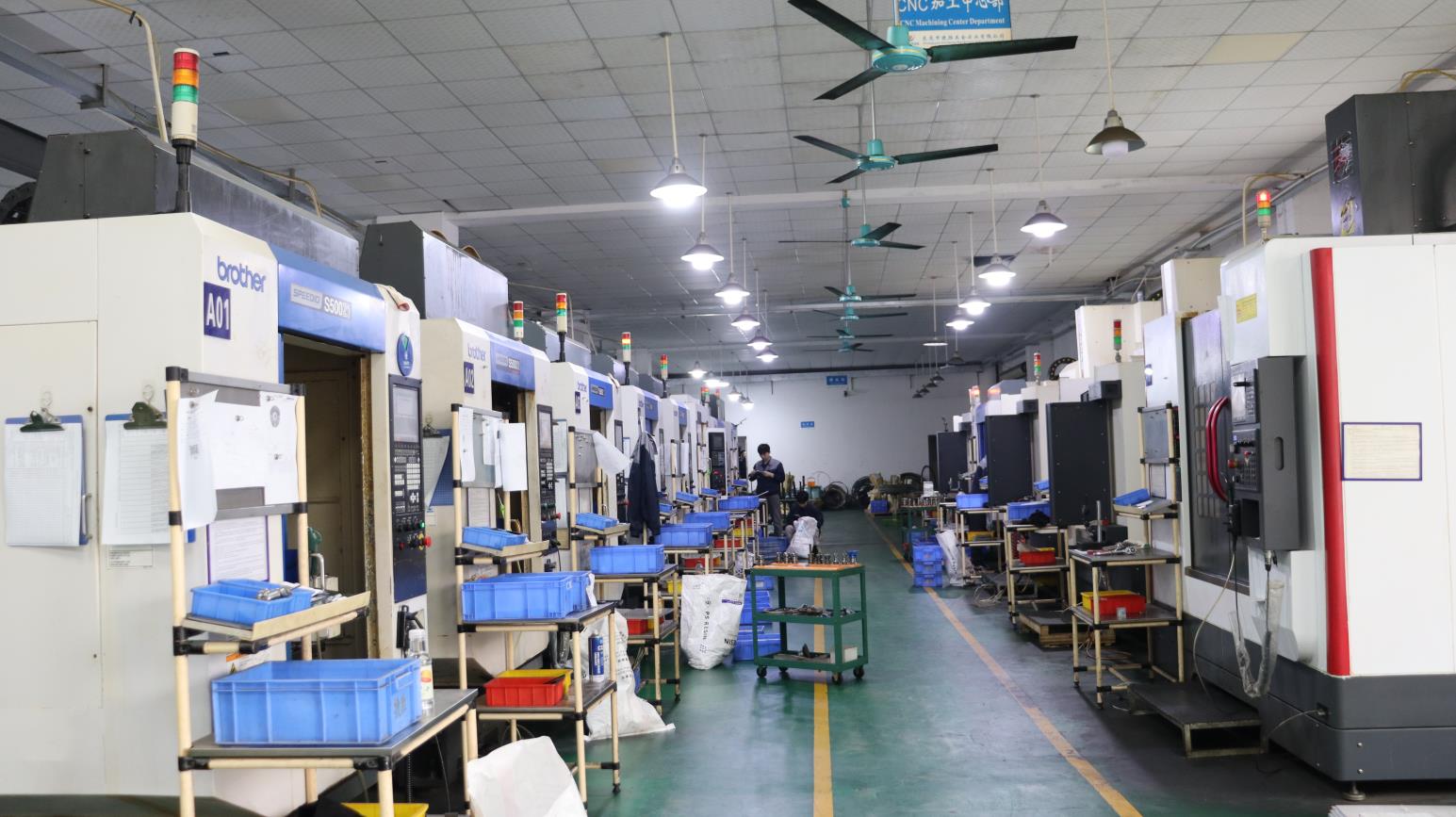
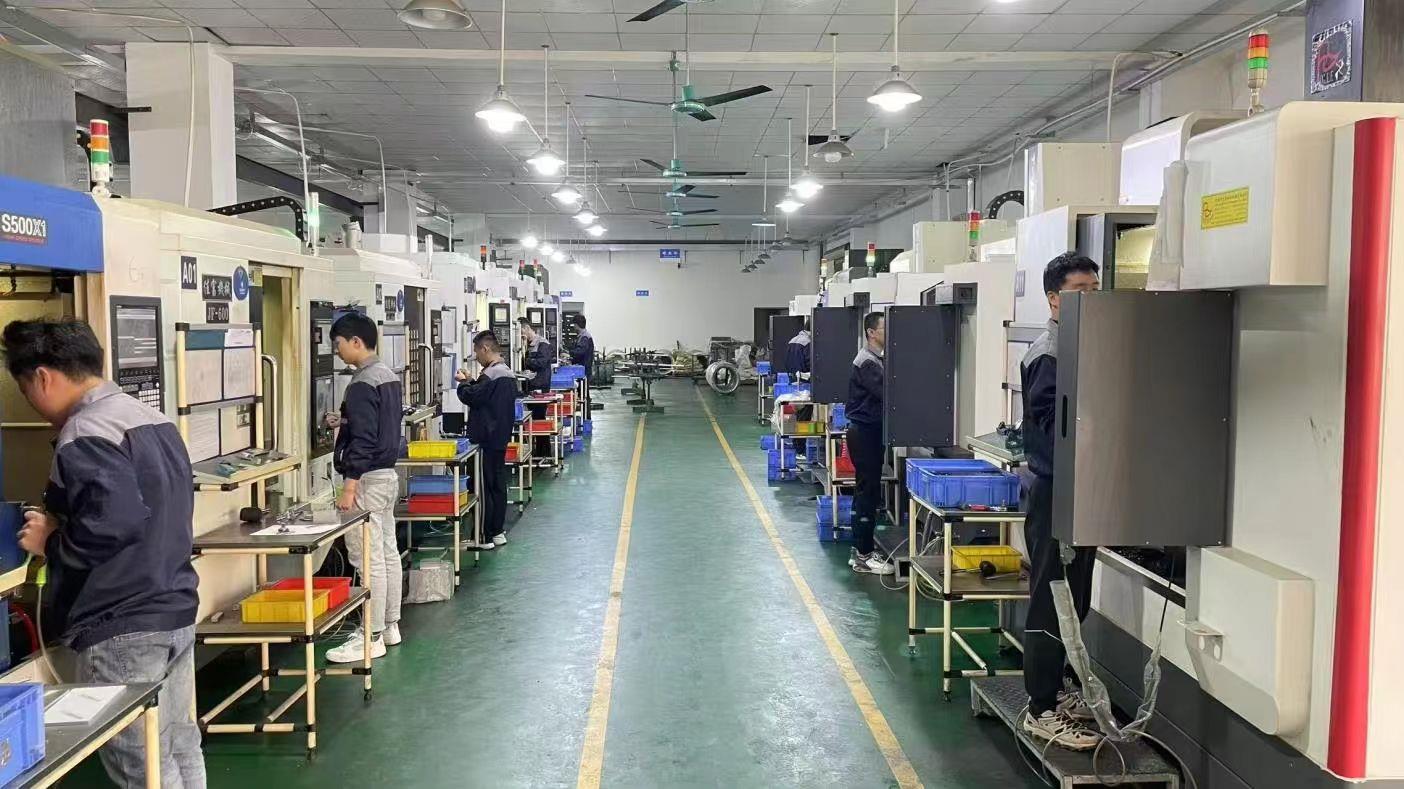
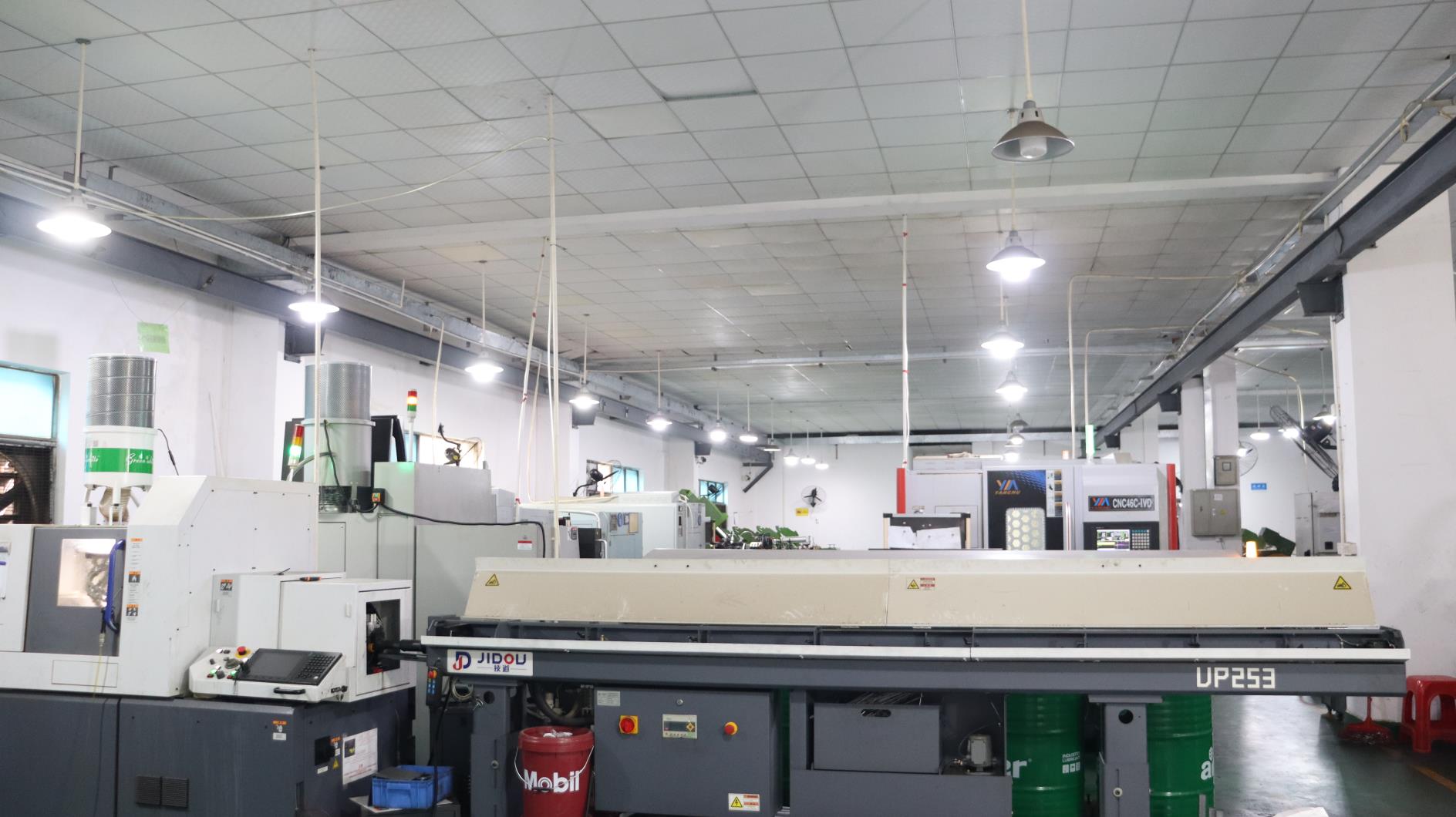
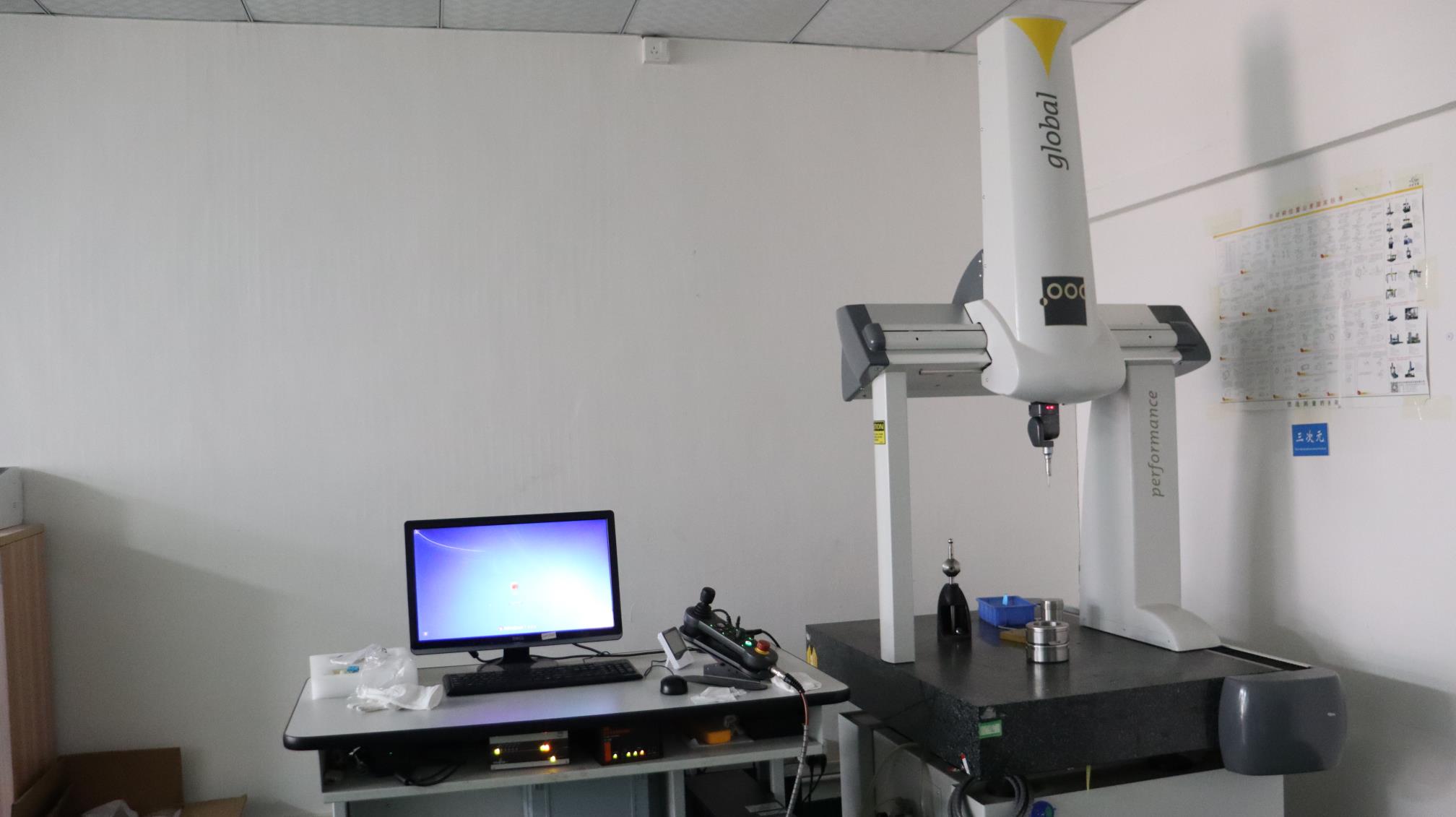
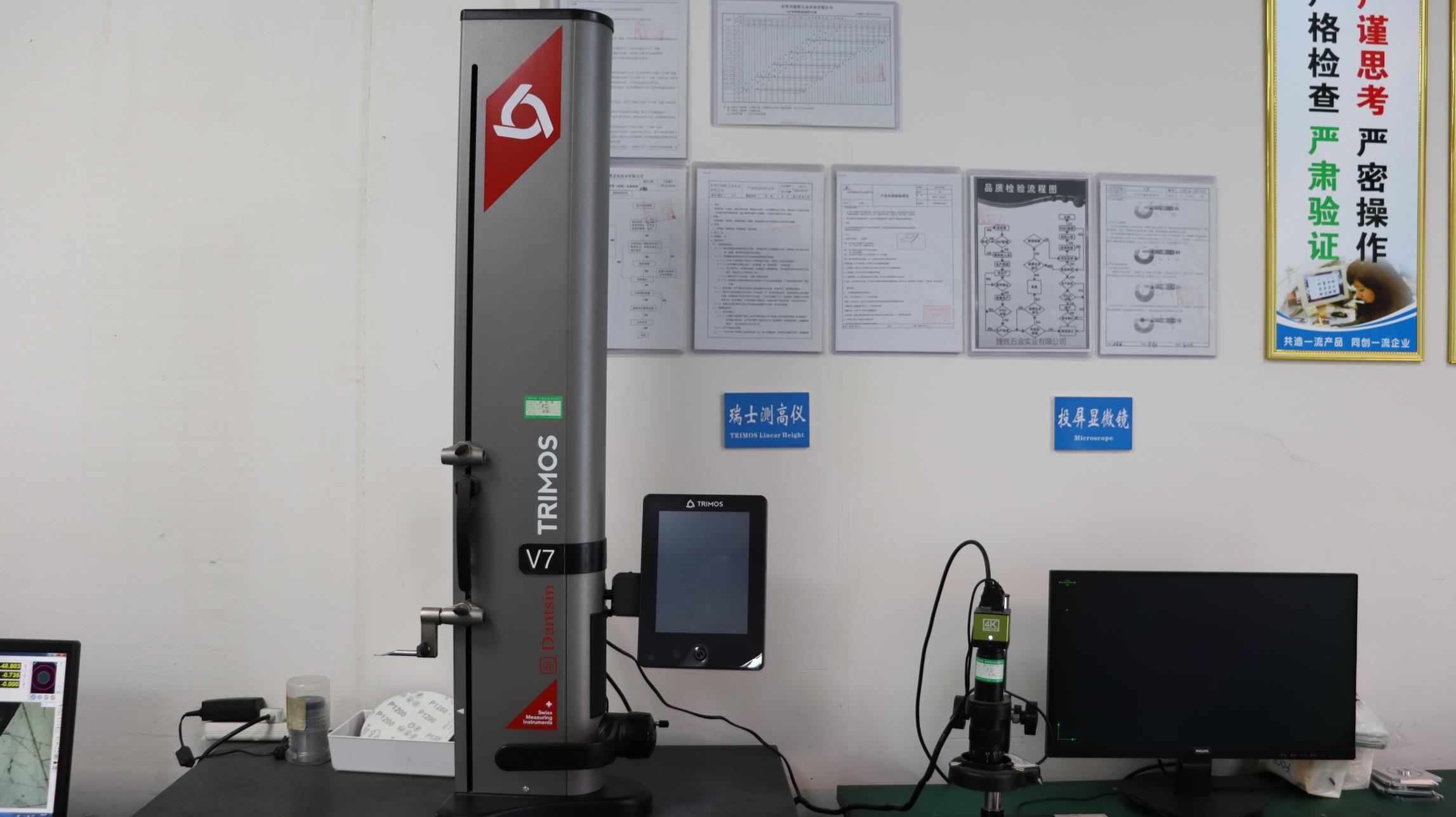
Implementing multi-spindle CNC turning centers with automated visual inspection systems. This technology checks thread profile integrity, concentricity, and internal fluid duct diameters to micron-level accuracy.