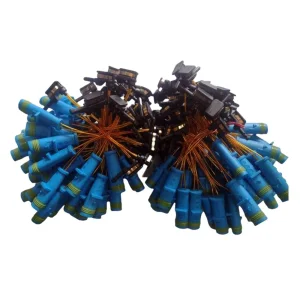
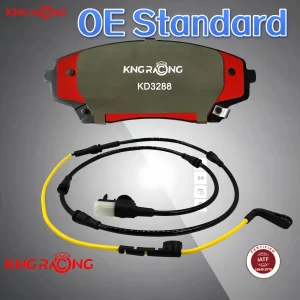
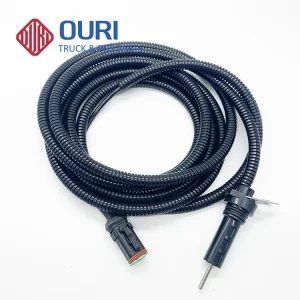
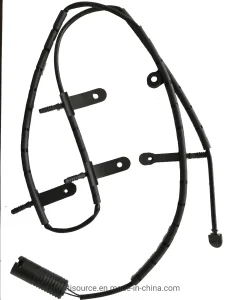
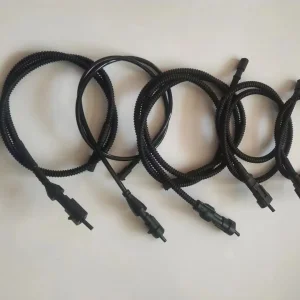
Engineered to handle extreme Australian heat profiles, these heavy-duty and light-passenger electronic wear indicators provide millisecond response times and direct-fit compatibility.
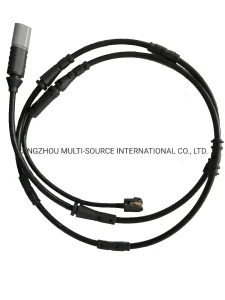
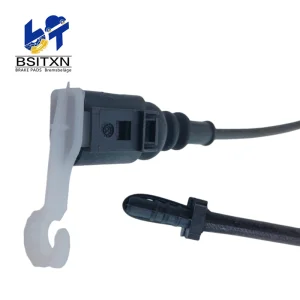
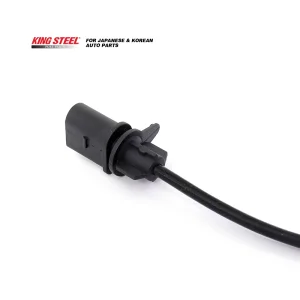
The Australian automotive aftermarket, particularly within Queensland and the bustling Greater Brisbane region, requires specialized wear sensor technologies capable of withstanding distinct environmental stresses. As the logistics gateway connecting the Port of Brisbane to the industrial corridors of the Darling Downs and the mining basins further north, vehicles operating in this region face unique microclimates and heavy structural demands.
Brake pad wear sensors, while simple in principal, operate on the frontline of vehicle safety telemetry. High ambient Brisbane summer temperatures (often exceeding 40°C in stop-and-go highway traffic along the Bruce and Gateway Motorways) push braking system interfaces past 600°C. In such conditions, standard plastic sensor housings crumble, causing false dashboard alerts or, worse, failure to trigger warning lights when friction linings wear thin. Suppliers serving the Brisbane market must source units with thermosetting, high-density polymer matrices that keep electrical paths intact through torrential wet seasons and coastal saline air.
Cheap imported aftermarket components rely on basic Nylon-66 housings which rapidly hydrodegrade when exposed to Queensland's high relative humidity and sudden flash-flooding. Yuhuan Zizel Auto Co., Ltd. counters these failures by building sensors using Glass-Fiber Reinforced Polyphenylene Sulfide (PPS+GF40) or premium Liquid Crystal Polymers (LCP). These engineered polymers display zero moisture absorption, maintain flexural modulus at extreme operating windows, and offer high chemical resistance to caustic wheel-cleaning agents and brake fluids.
Integrating high-reliability sensors prevents localized rotor scoring. By warning logistics managers of pad replacement requirements exactly at the 2mm friction margin, average fleet maintenance overhead across commercial networks in Queensland decreases by up to 18.4% annually.
Modern sensors in our lineup are calibrated with precision resistance values to interface seamlessly with telematics platforms (e.g., Geotab, Teletrac Navman), allowing depot coordinators at the Port of Brisbane to track fleet brake degradation in real-time.
Understanding the material tolerances and engineering differences required to prevent sensor failure in high-humidity, high-heat environments like Southeast Queensland.
| Feature / Metric | Standard Aftermarket Sensors | Yuhuan Zizel Heavy-Duty QLD Grade | Impact on Brisbane Fleets |
|---|---|---|---|
| Housing Material | Unreinforced Nylon-66 / ABS | Polyphenylene Sulfide (PPS + 40% GF) | No thermal softening at 260°C continuous load. |
| Terminal Pin Plating | Tin Plated Brass / Copper Alloys | Gold-flushed / High-Purity Silver Clad | Prevents micro-galvanic corrosion from coastal humidity. |
| Cable Insulation | Standard PVC / Polyurethane (PU) | Teflon (PTFE) / Cross-linked Silicone Rubber | High resistance to abrasion, road debris, and salt sprays. |
| Resistance Calibration | +/- 15% tolerance range | Within +/- 2% strict tolerance values | Zero false triggers or dashboard alerts on ECU check. |
| IP Rating | IP65 (Splash Resistant Only) | IP69K (High Pressure Water Jet Protection) | Survives sub-tropical deluge and deep puddle crossings. |
Premium replacement options configured to match OE specifications for high-demand German passenger vehicles and continental logistics trucks.
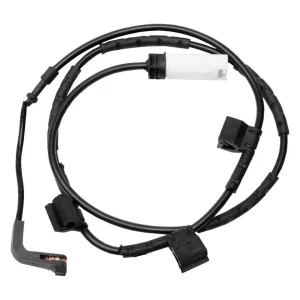
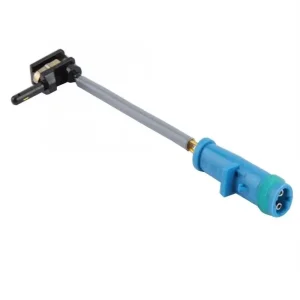
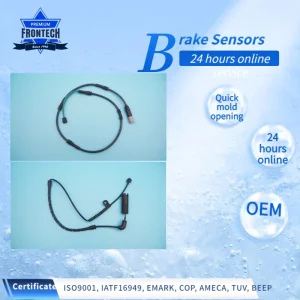
Strategically situated in Yuhuan, Zhejiang, China—one of the largest global automotive parts manufacturing hubs—Yuhuan Zizel Auto Co., Ltd. operates as a verified market leader in research, development, and international export of safety-critical braking components. By maintaining ISO 9001:2015 and IATF 16949:2016 management standards, we guarantee that every sensor dispatched to the Brisbane market satisfies the stringent safety requirements expected by global logistics and passenger networks.
We specialized in producing premium-grade repair equipment, pistons, guide bolts, springs, cushion clips, and rubber seals for both disc and drum configurations. Beyond wear sensors, our high-grade steel wheel axle components, sliding shafts, and fasteners serve light-duty utility vehicles, trucks, and high-capacity earthmovers. Our mission remains simple: offering unmatched reliability, competitive wholesale cost metrics, and reliable logistics support straight to ports in Brisbane, Sydney, and Melbourne.
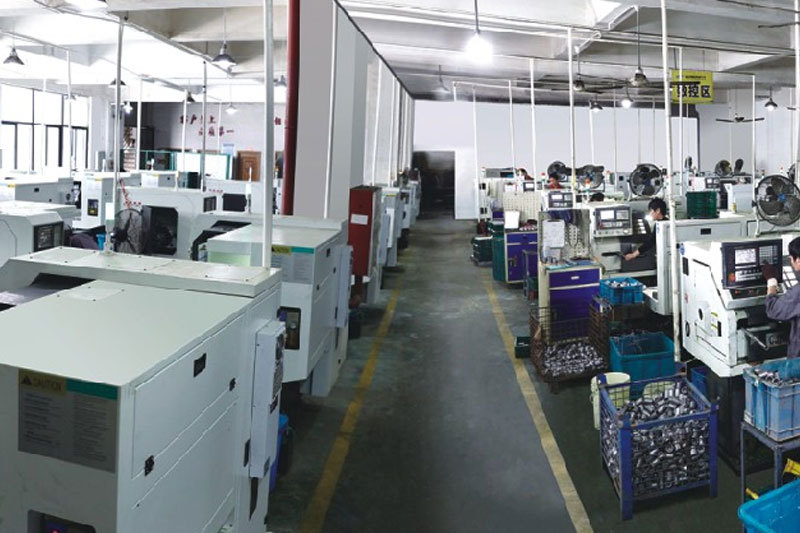
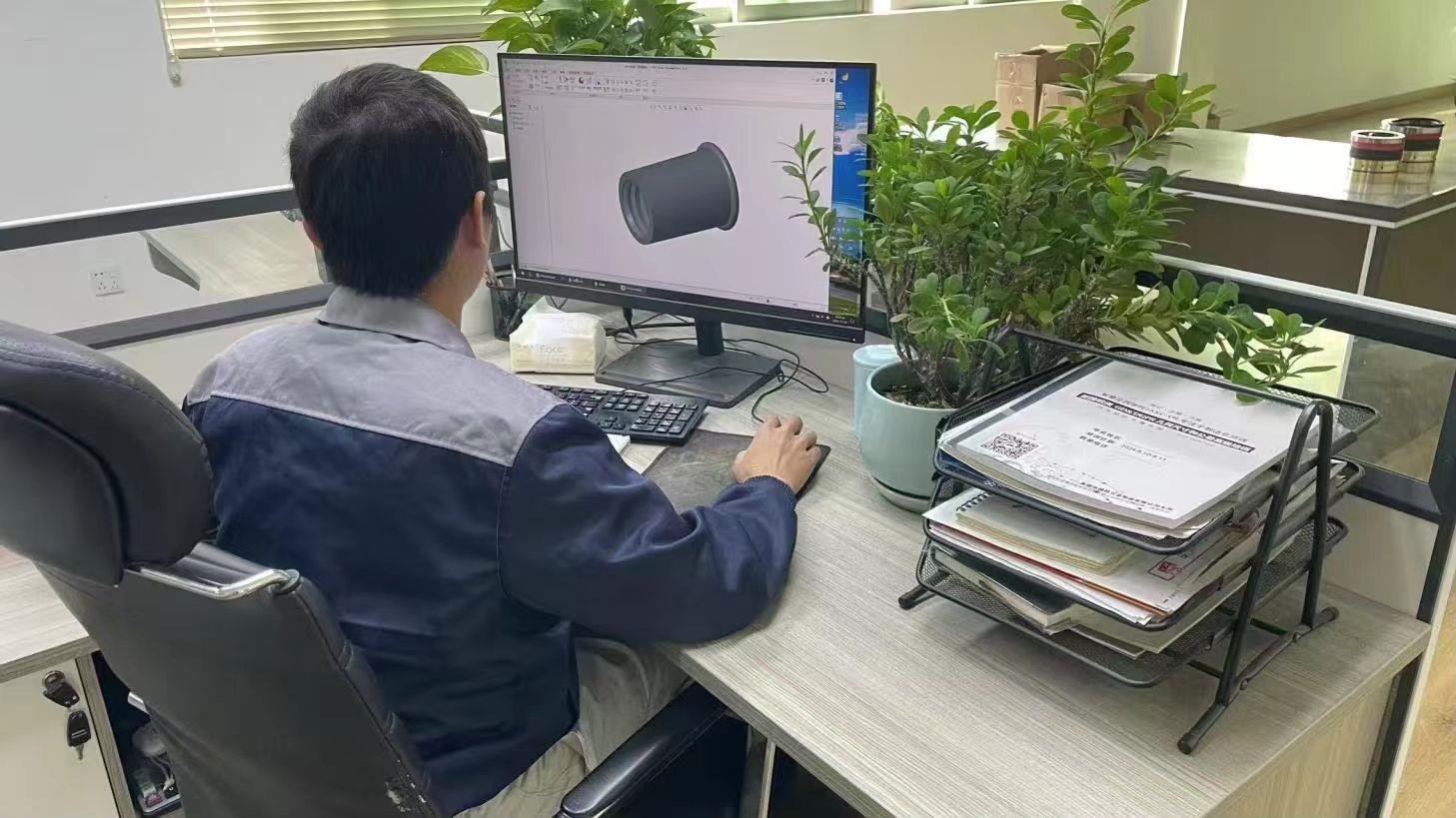
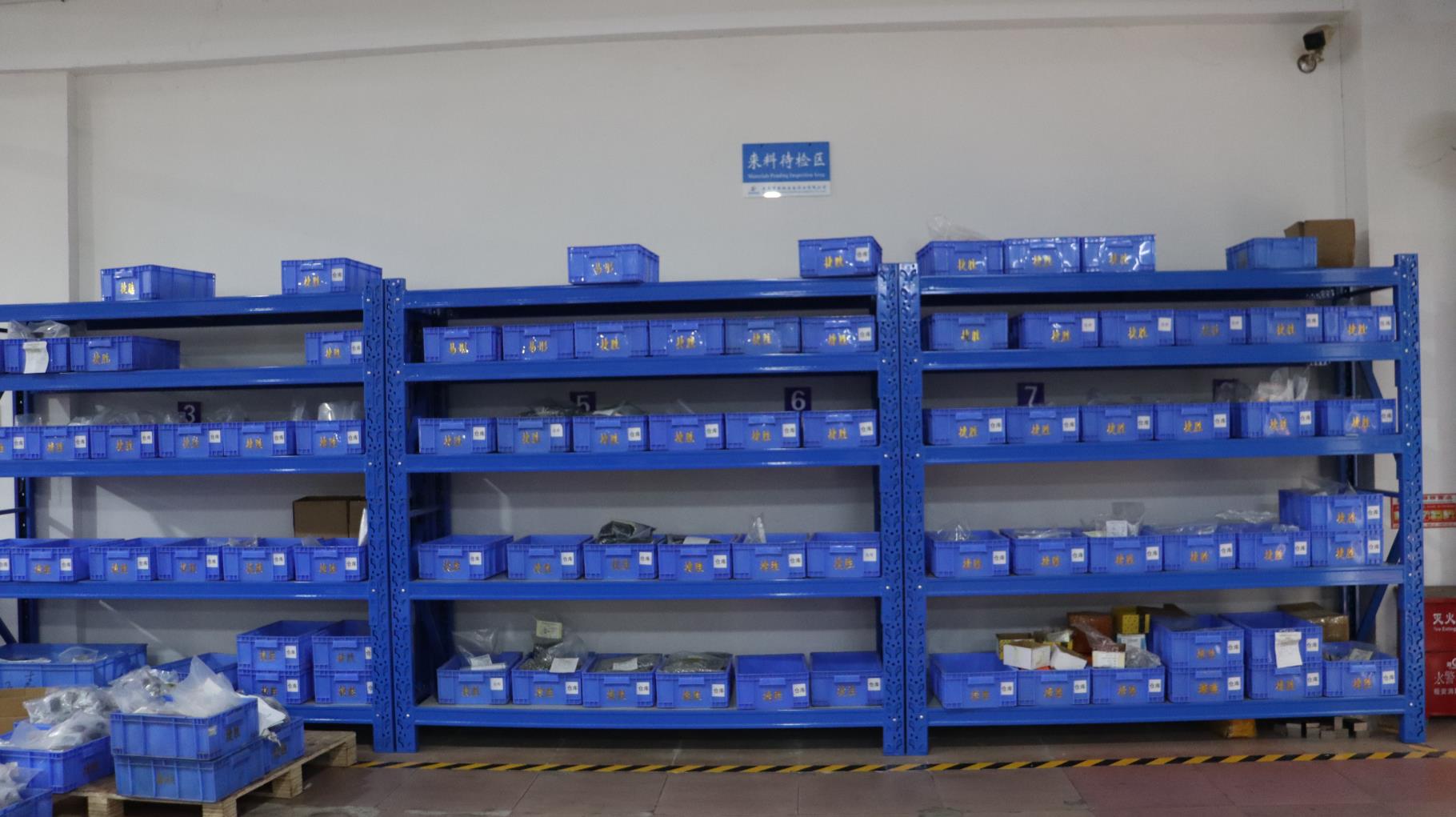
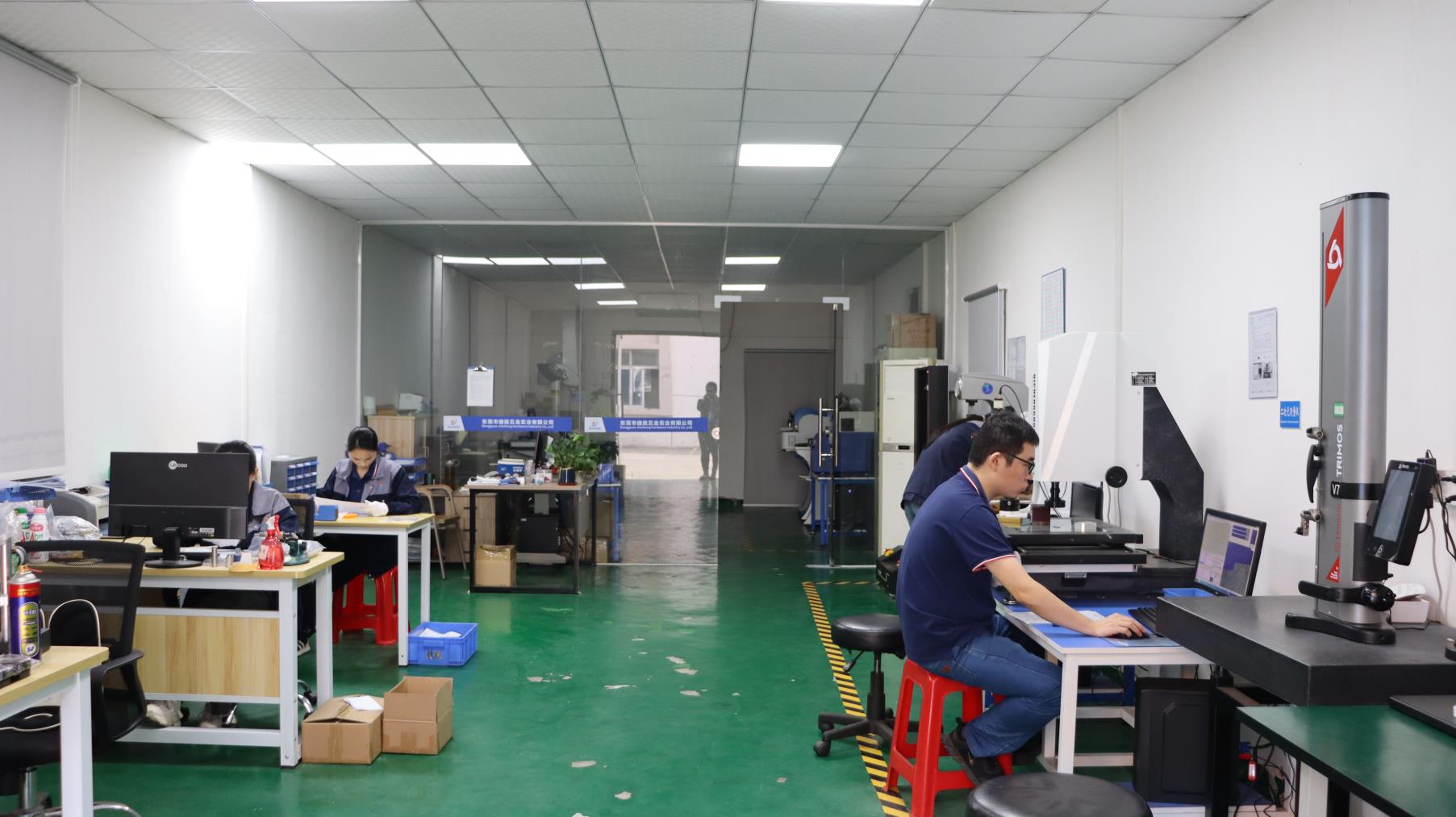
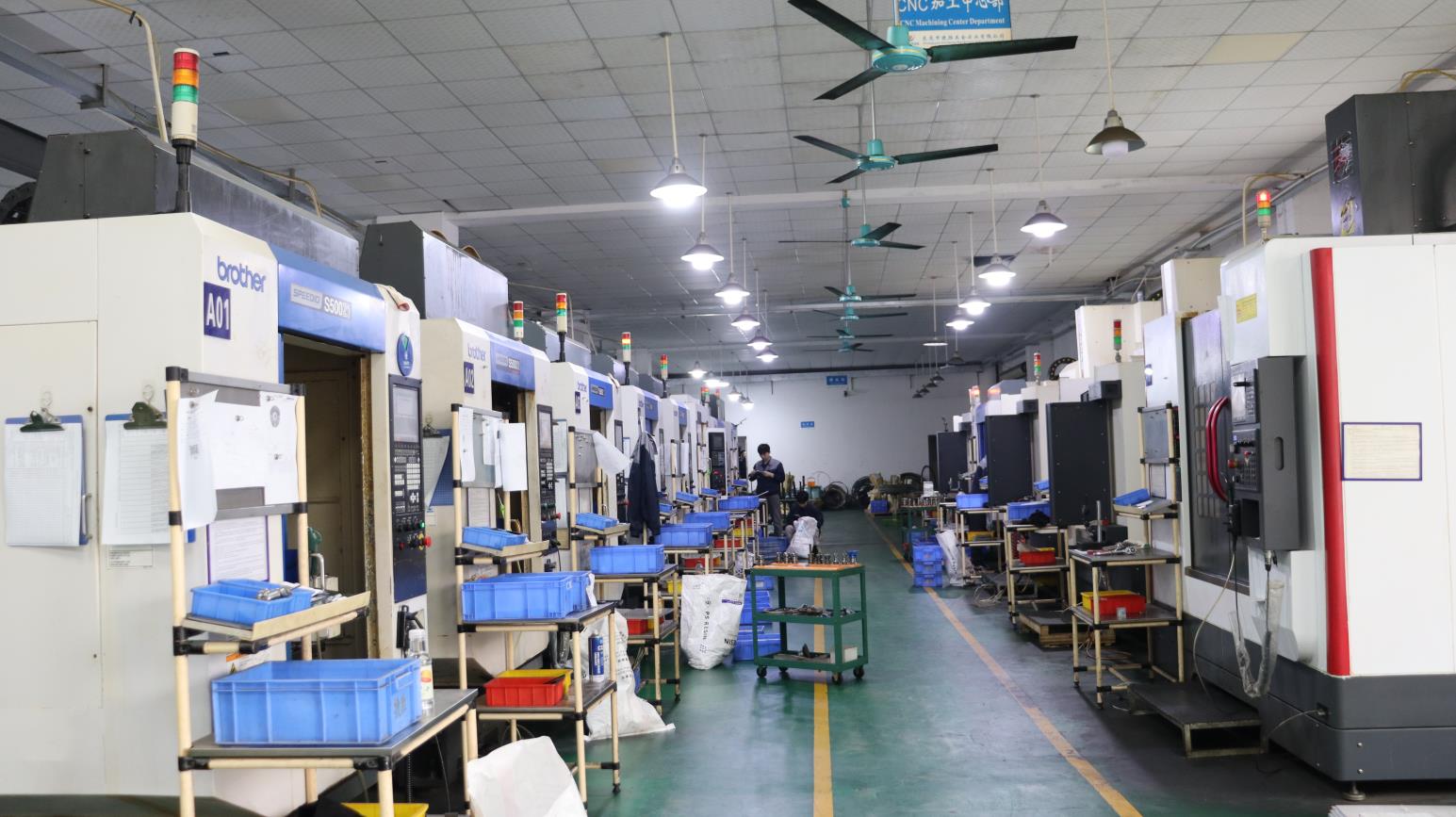
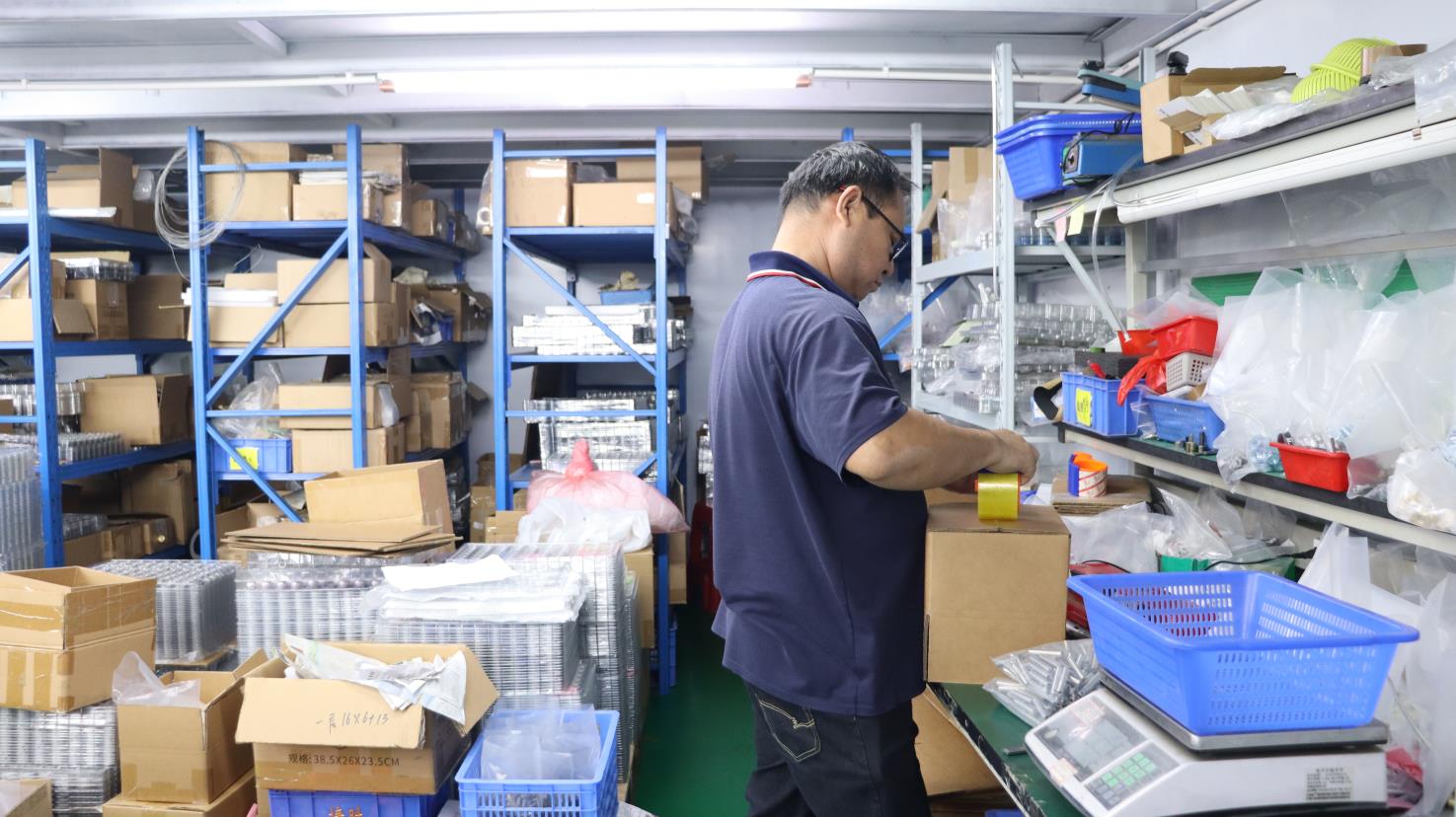
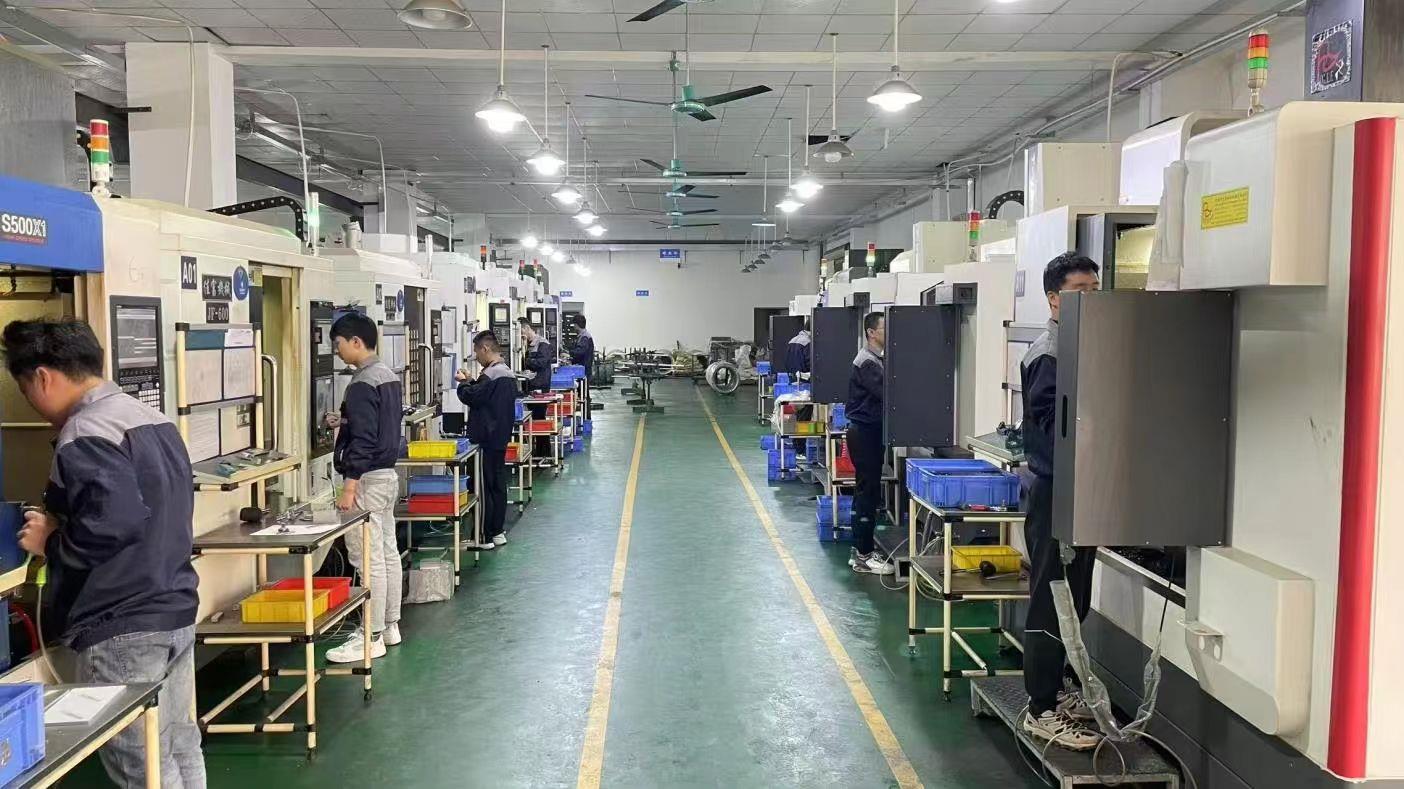
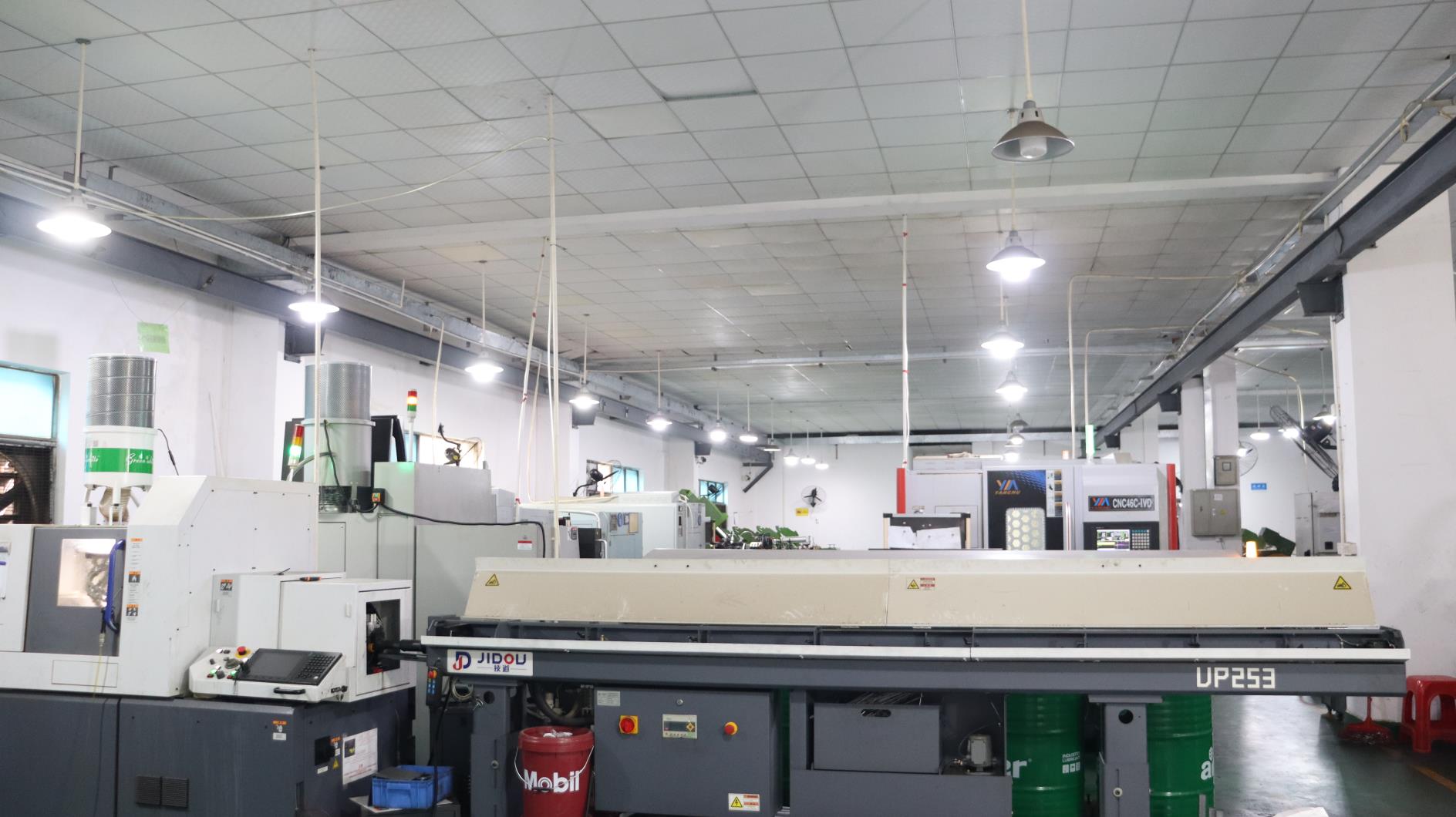
We operate advanced testing and engineering platforms to assure dimensional consistency, material density, and mechanical performance limits are held within micron tolerances.
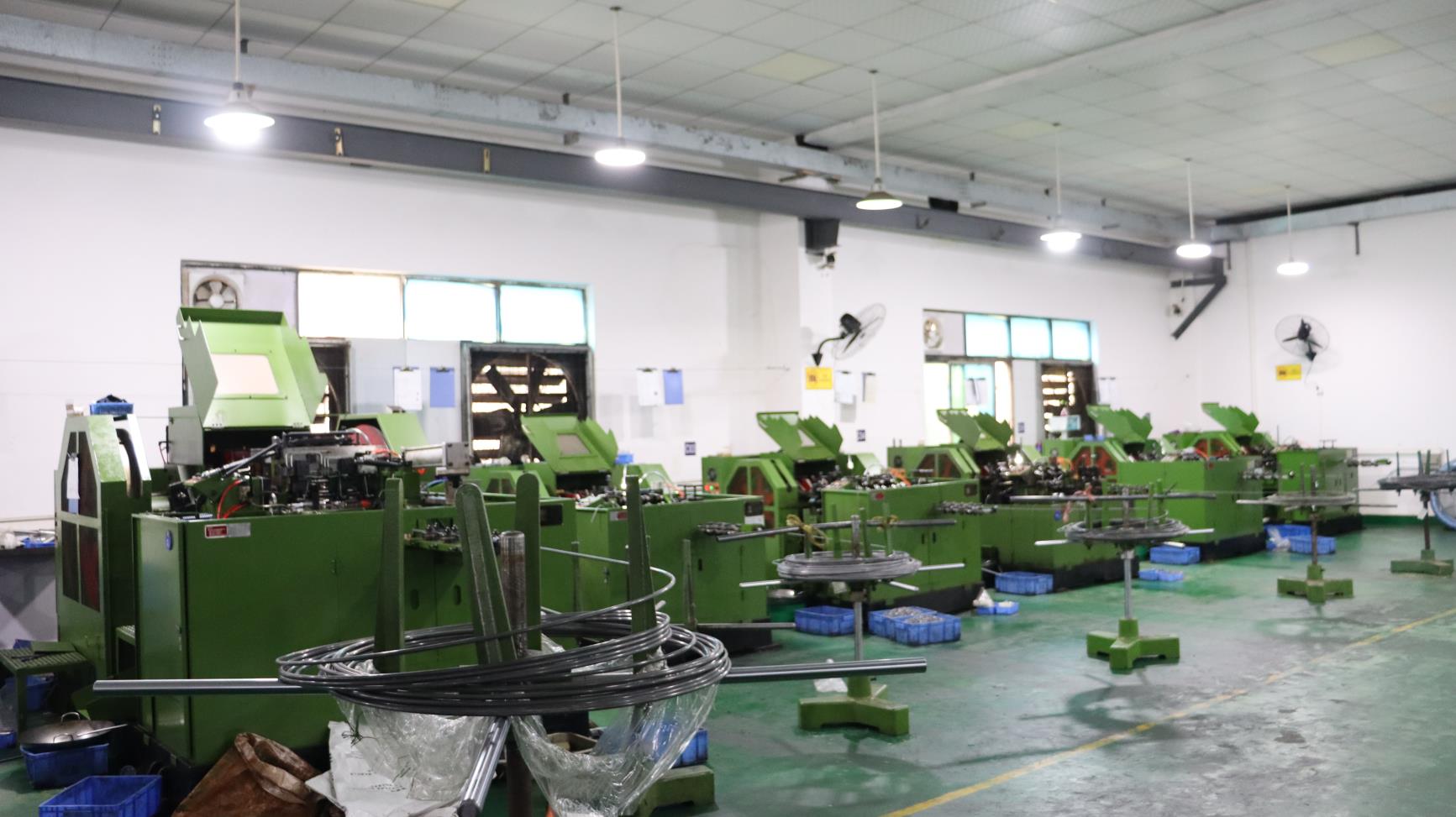
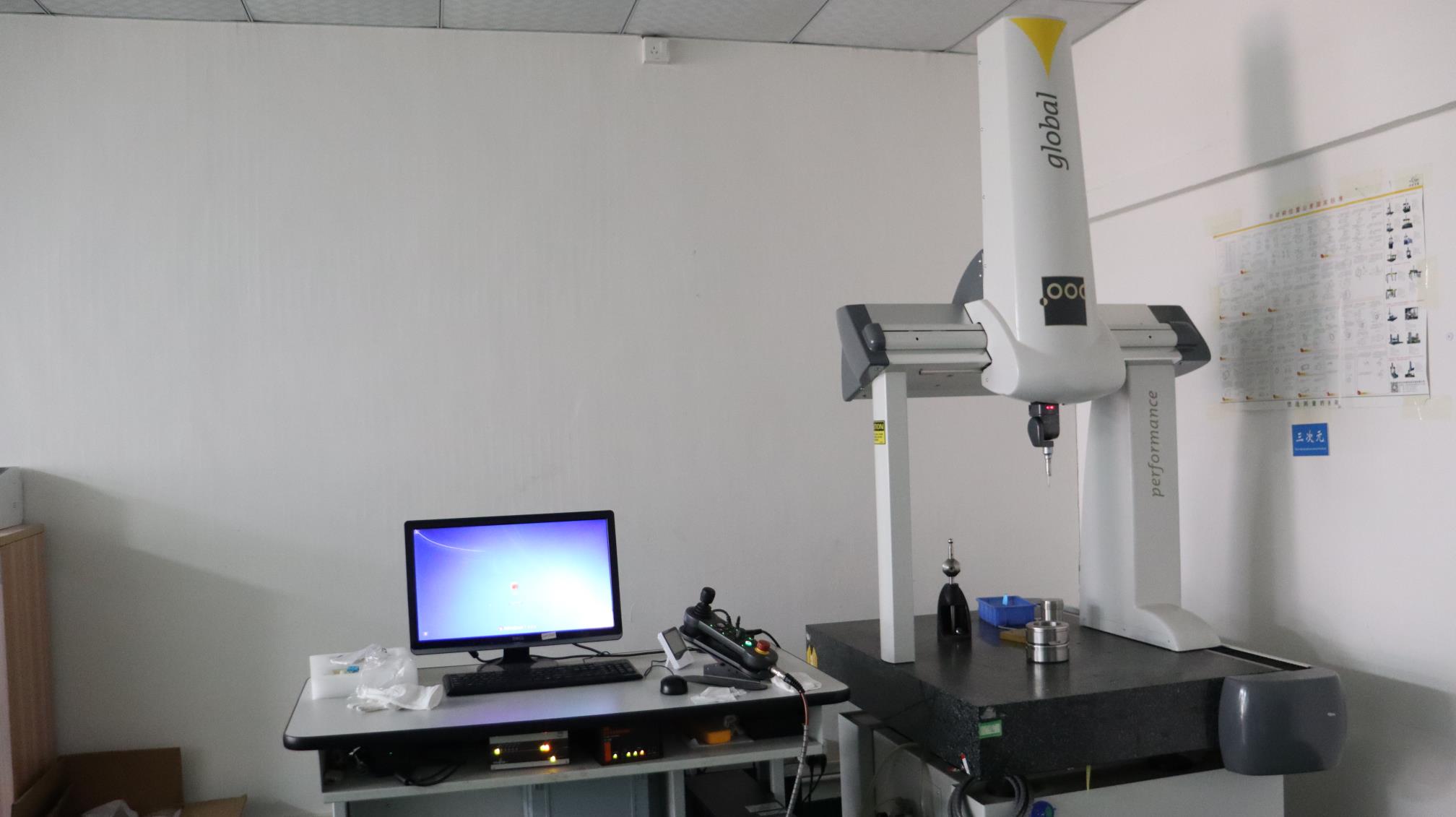
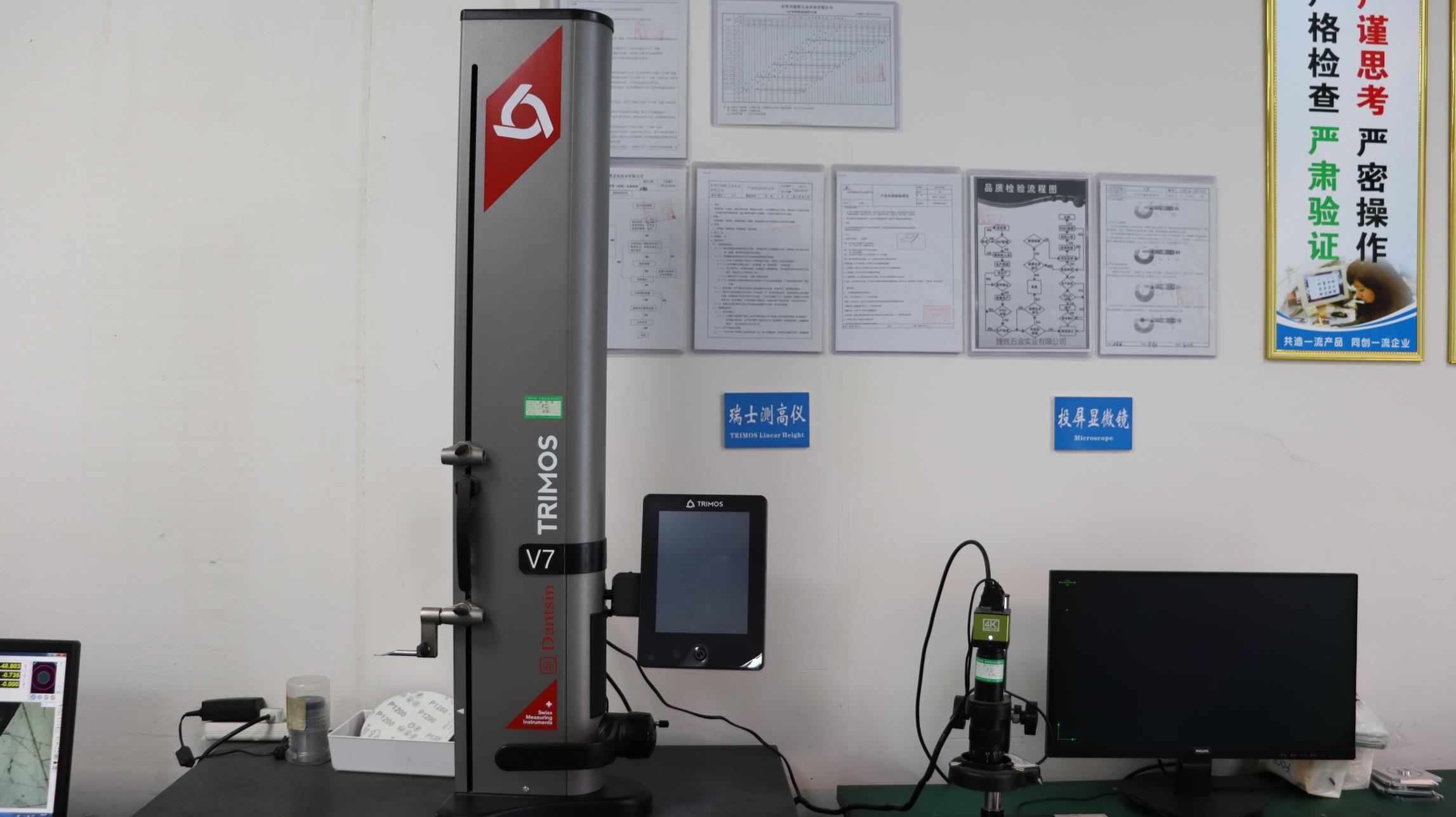
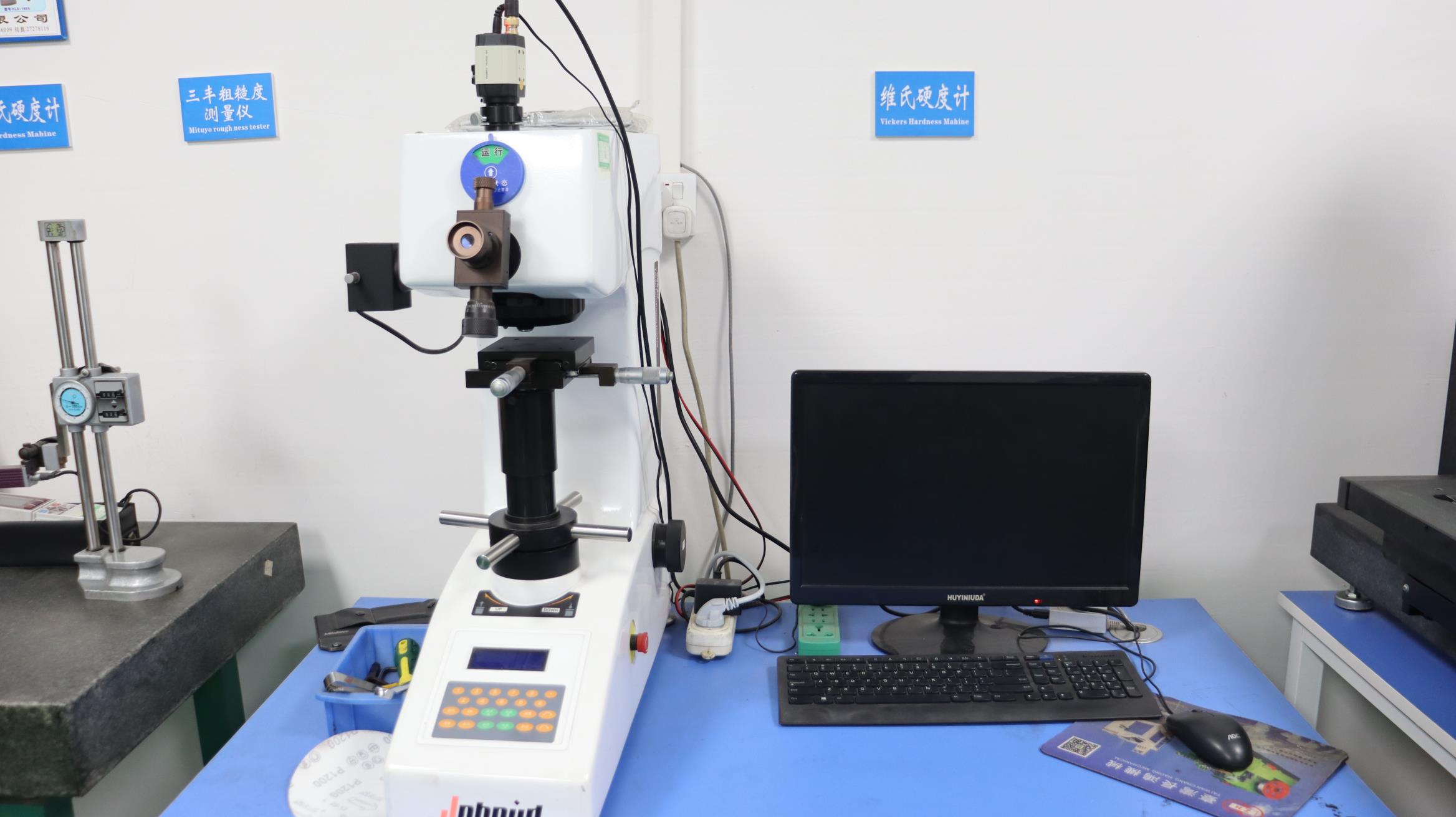
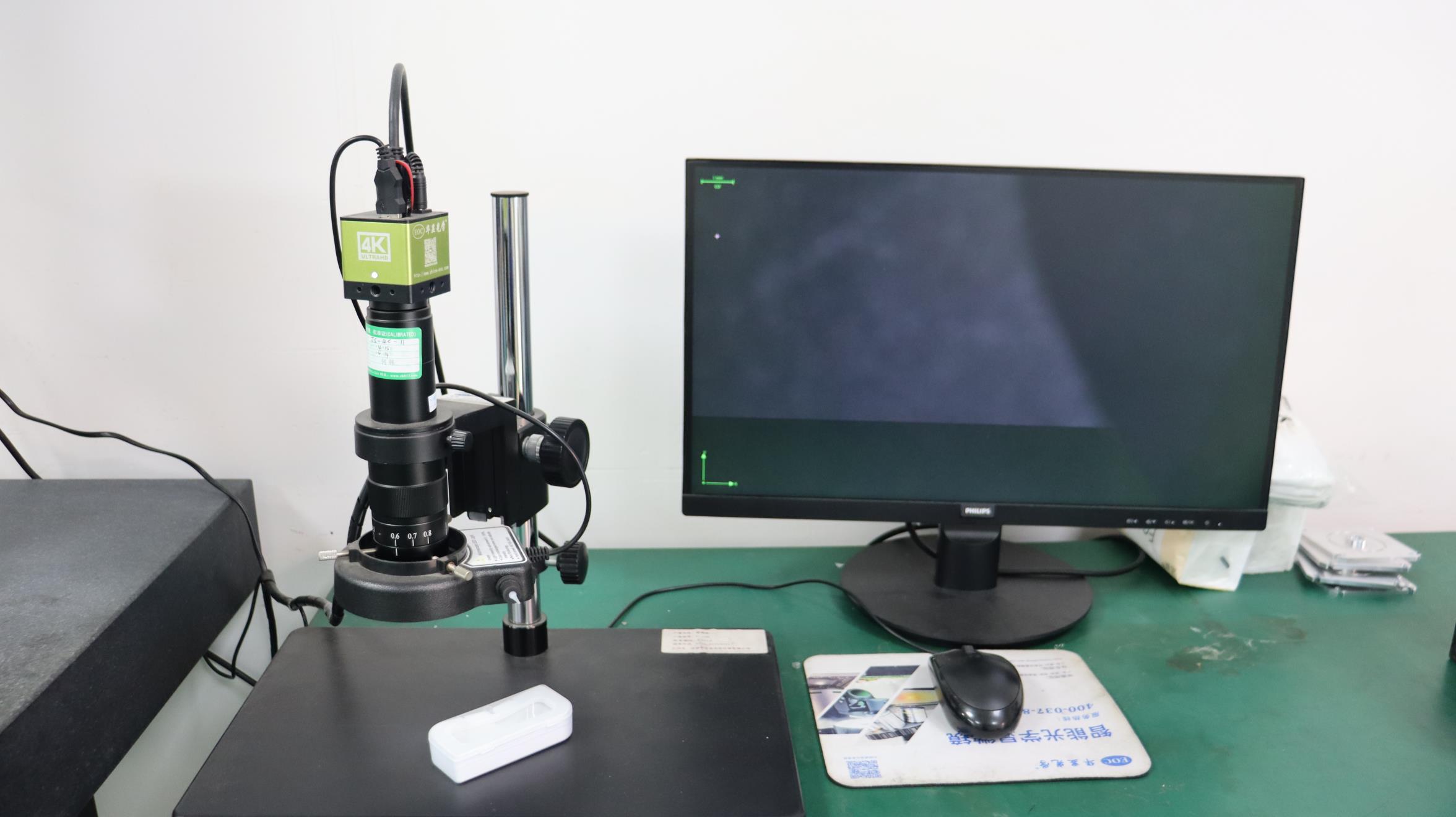
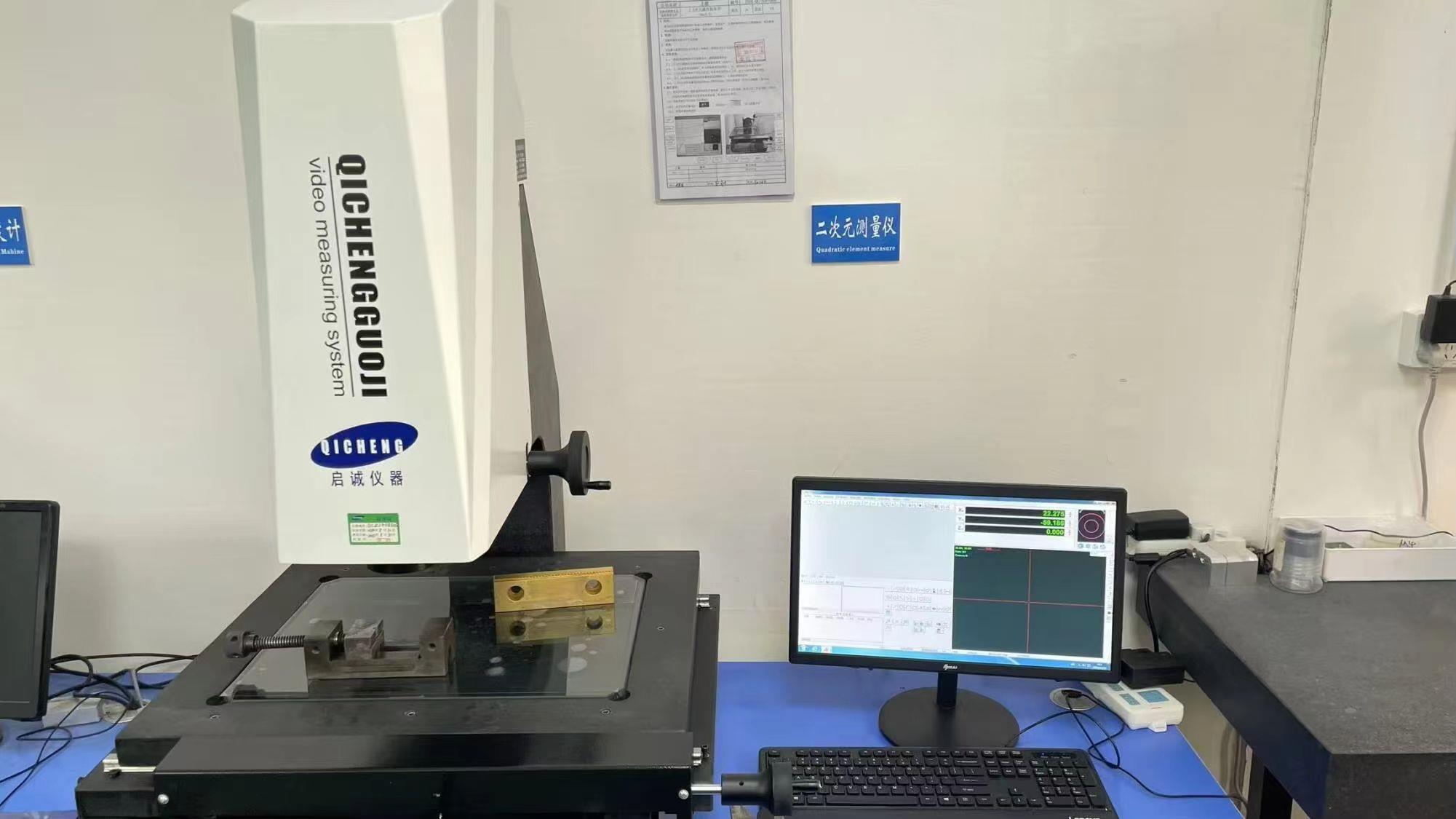
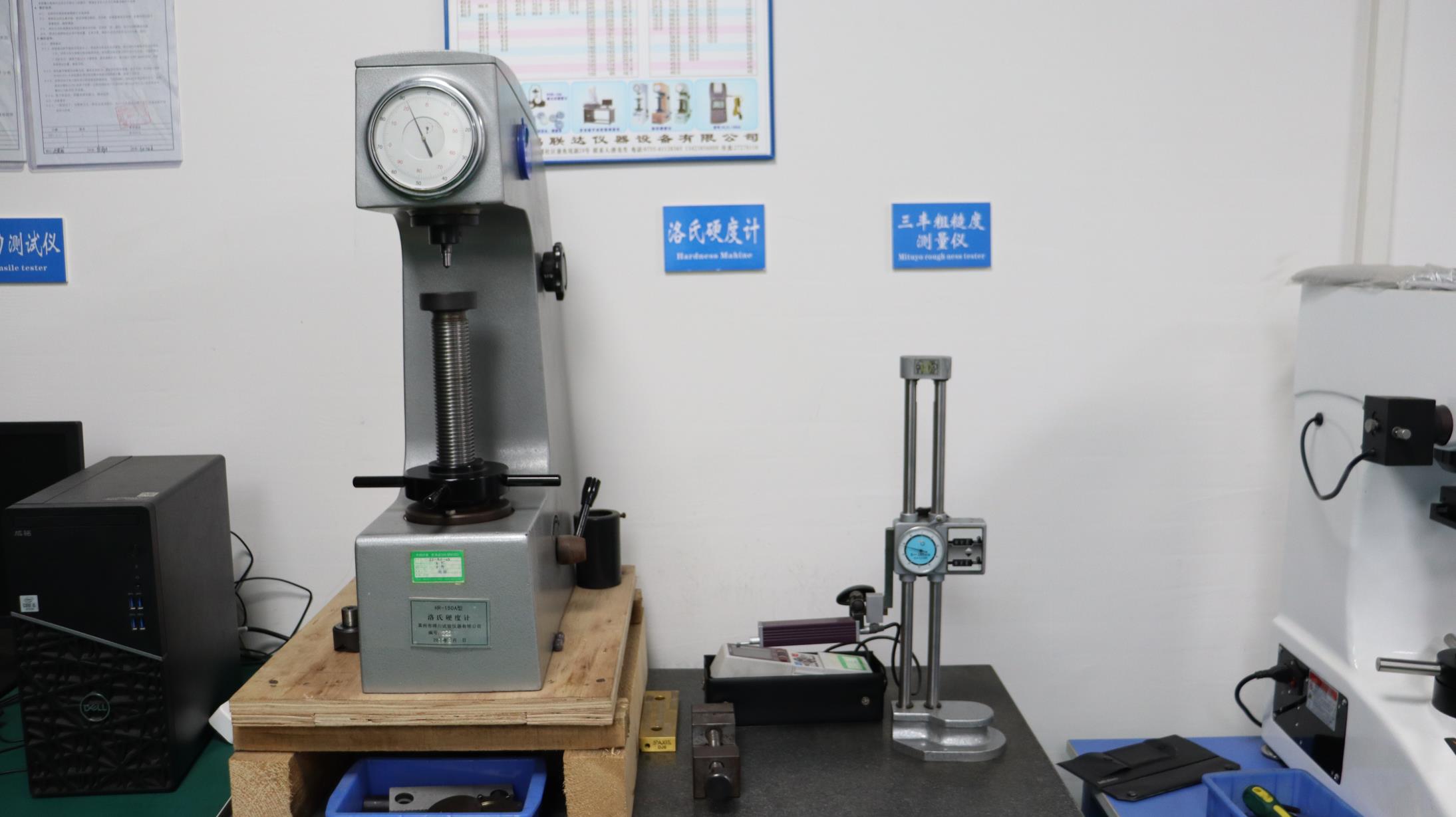
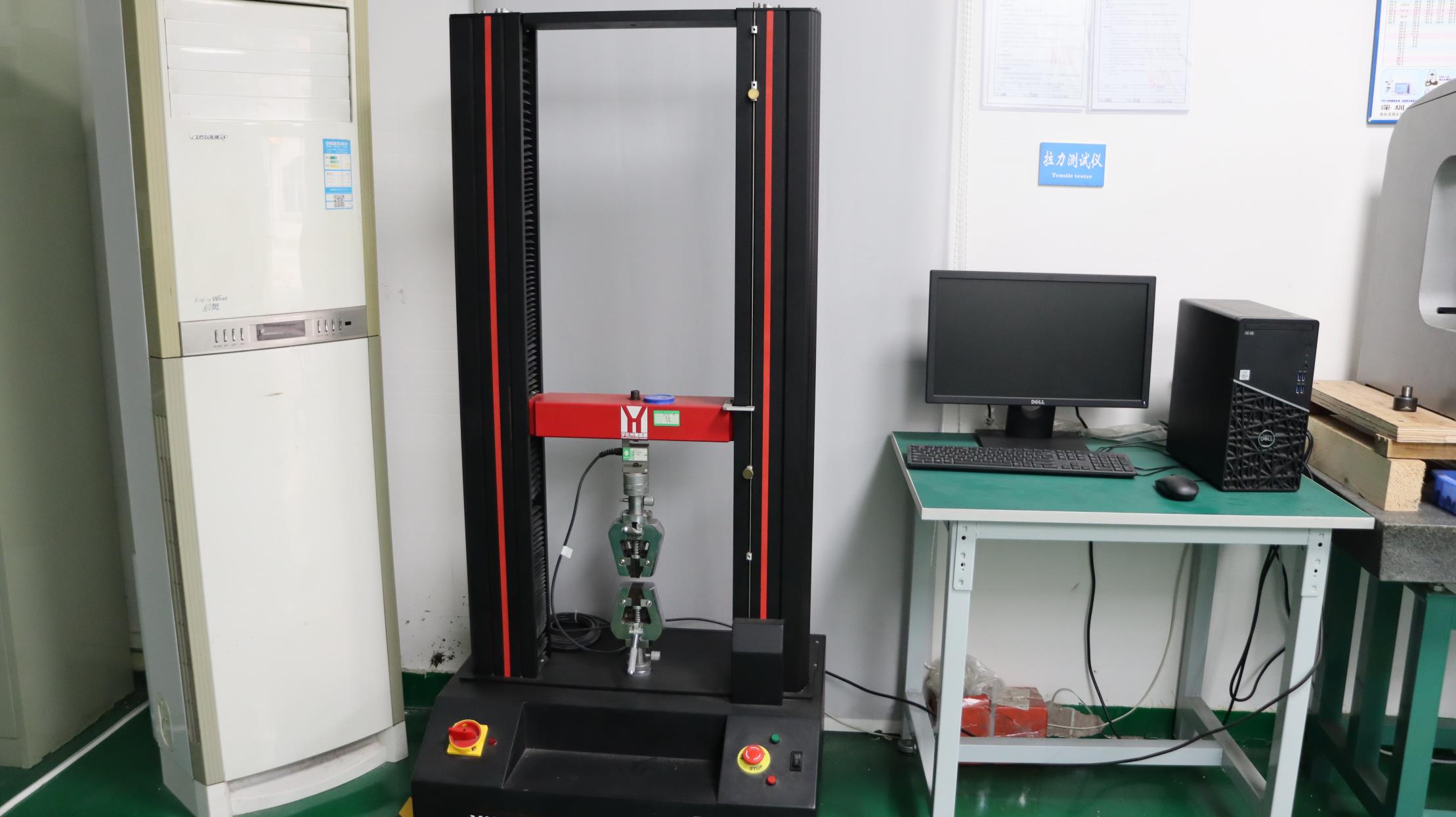
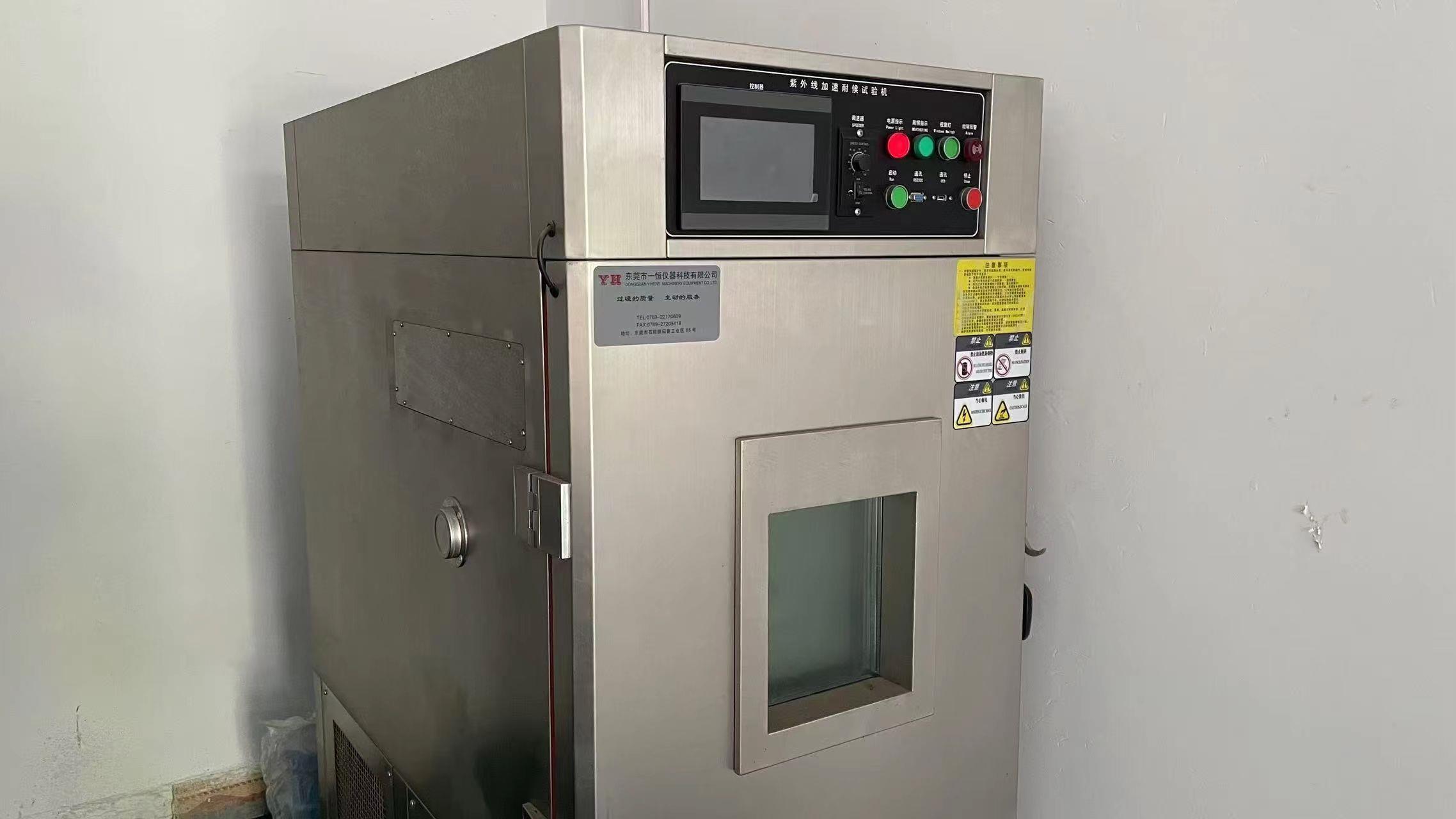
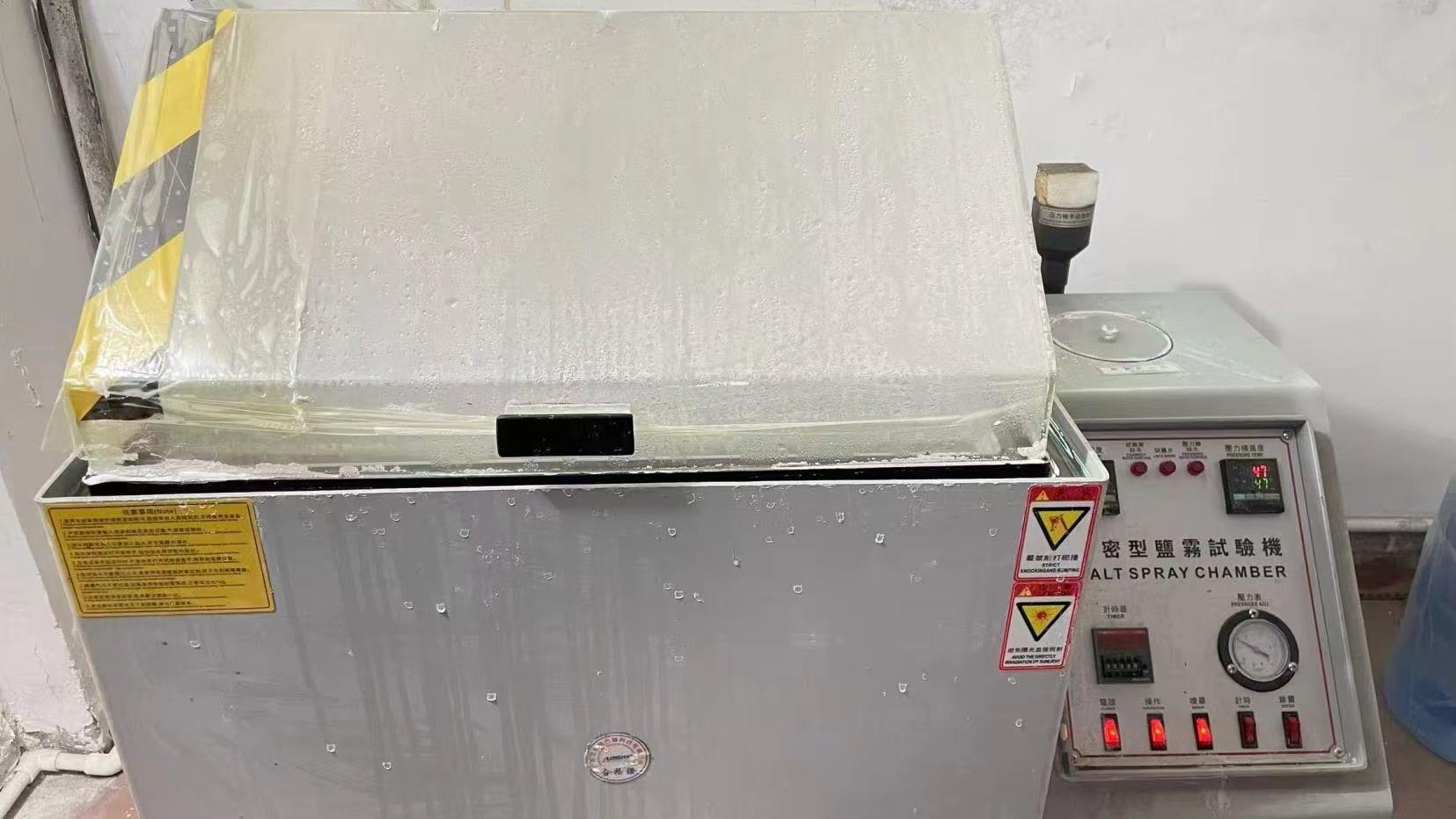
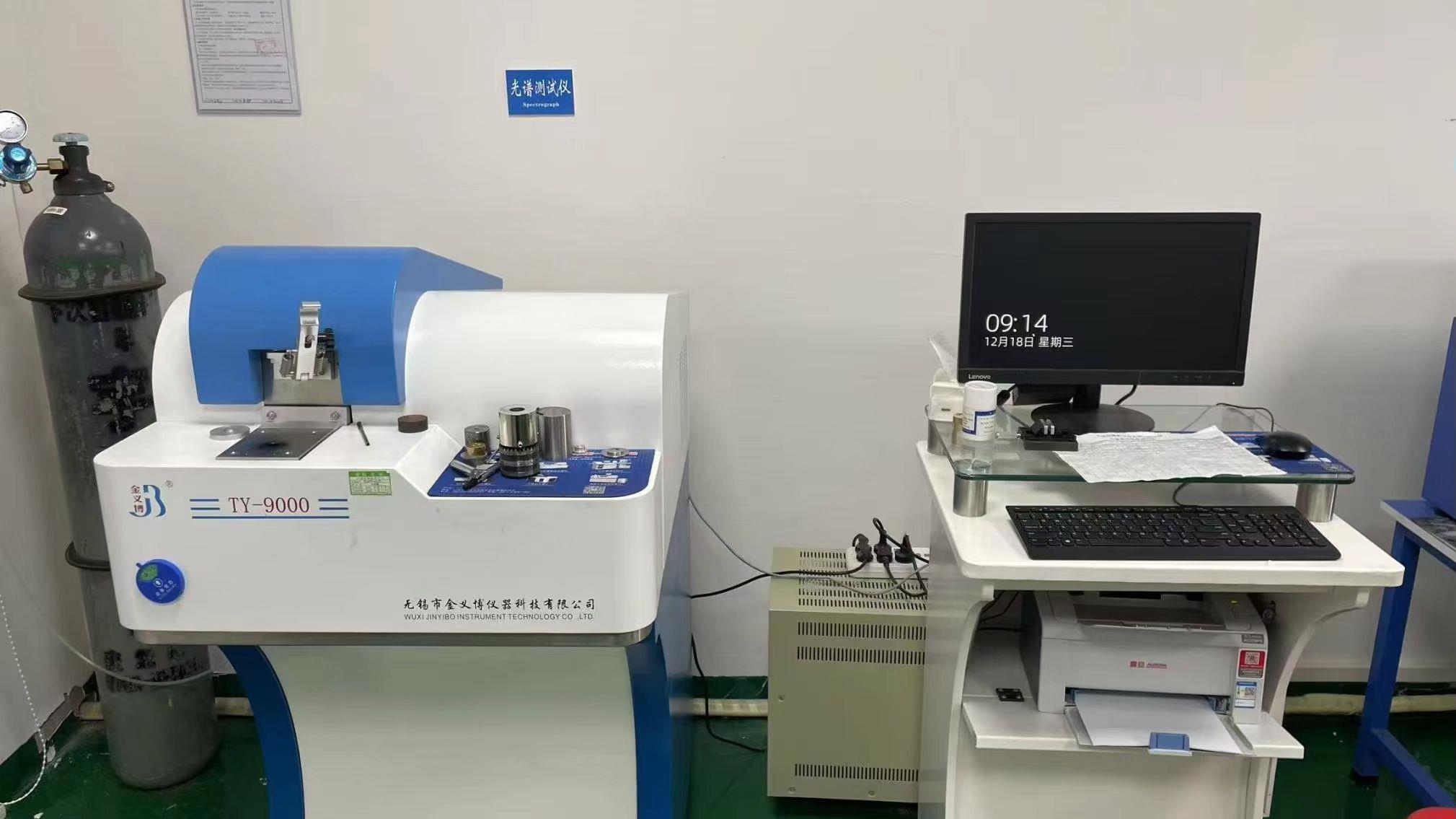
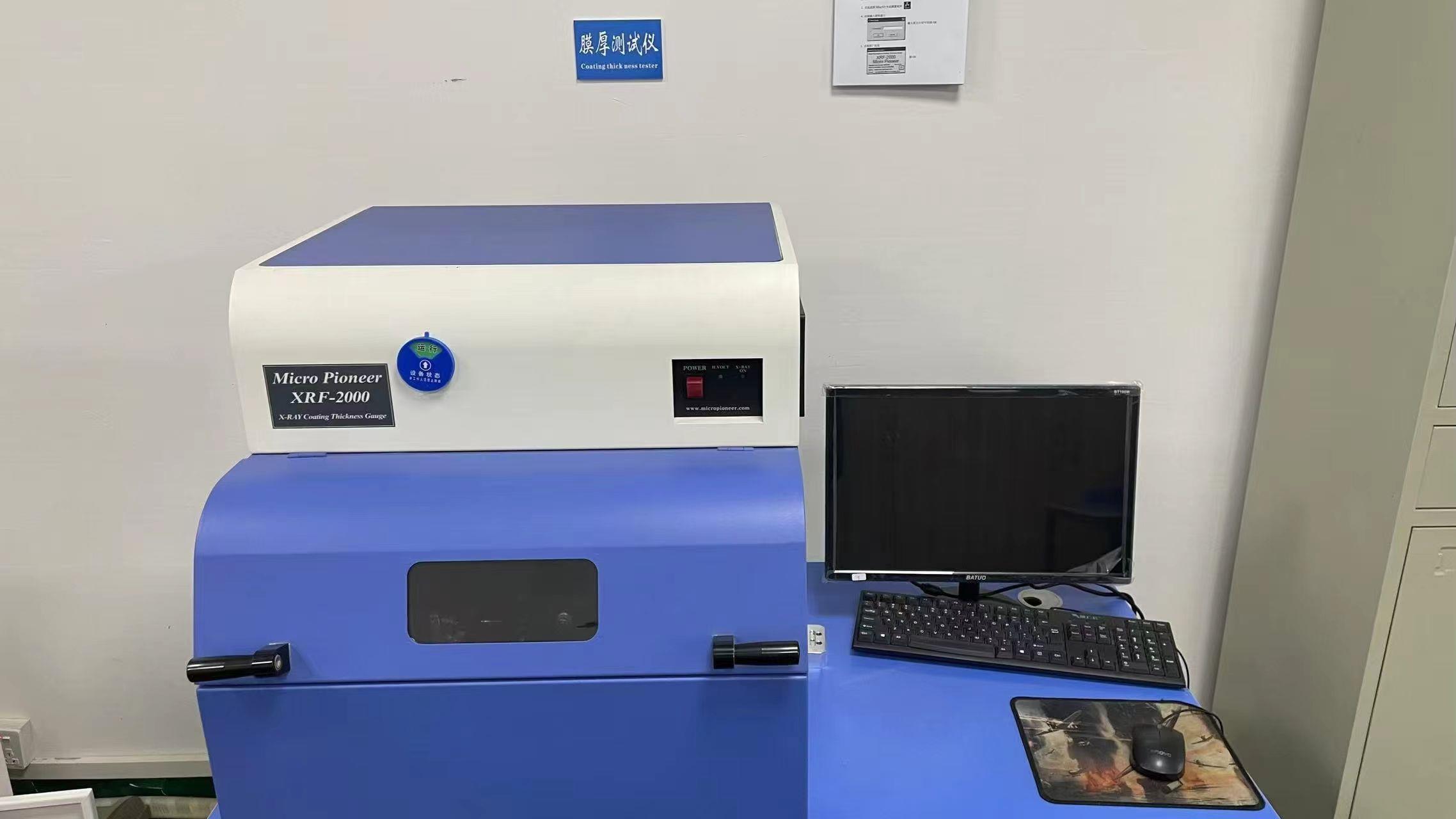
We are steering the global industry toward next-generation brake sensor technology. While standard binary (make-or-break loop) electronic sensors remain the standard for cost-sensitive aftermarket replacements, premium commercial and electric vehicles (EVs) are migrating toward two-stage and continuous resistance telemetry.
Our research and development pipeline focuses on high-precision contact sensors that do not merely signal when a pad has run down, but communicate continuous wear metrics (e.g., 80%, 50%, 20% remaining lining) to onboard computers. This advance helps local Brisbane distributors offer superior inventory value to heavy fleet networks, eliminating emergency workshop time through scheduled maintenance planning.
Furthermore, local environmental compliance is central to our future planning. Australia's commitment to vehicle safety reforms and emission reductions means brake friction materials must adapt. Our components are certified to contain zero toxic heavy metal particulates (copper-free compliance formats), shielding the delicate waterways surrounding Greater Brisbane (including the Brisbane River and Moreton Bay) from runoff contamination.
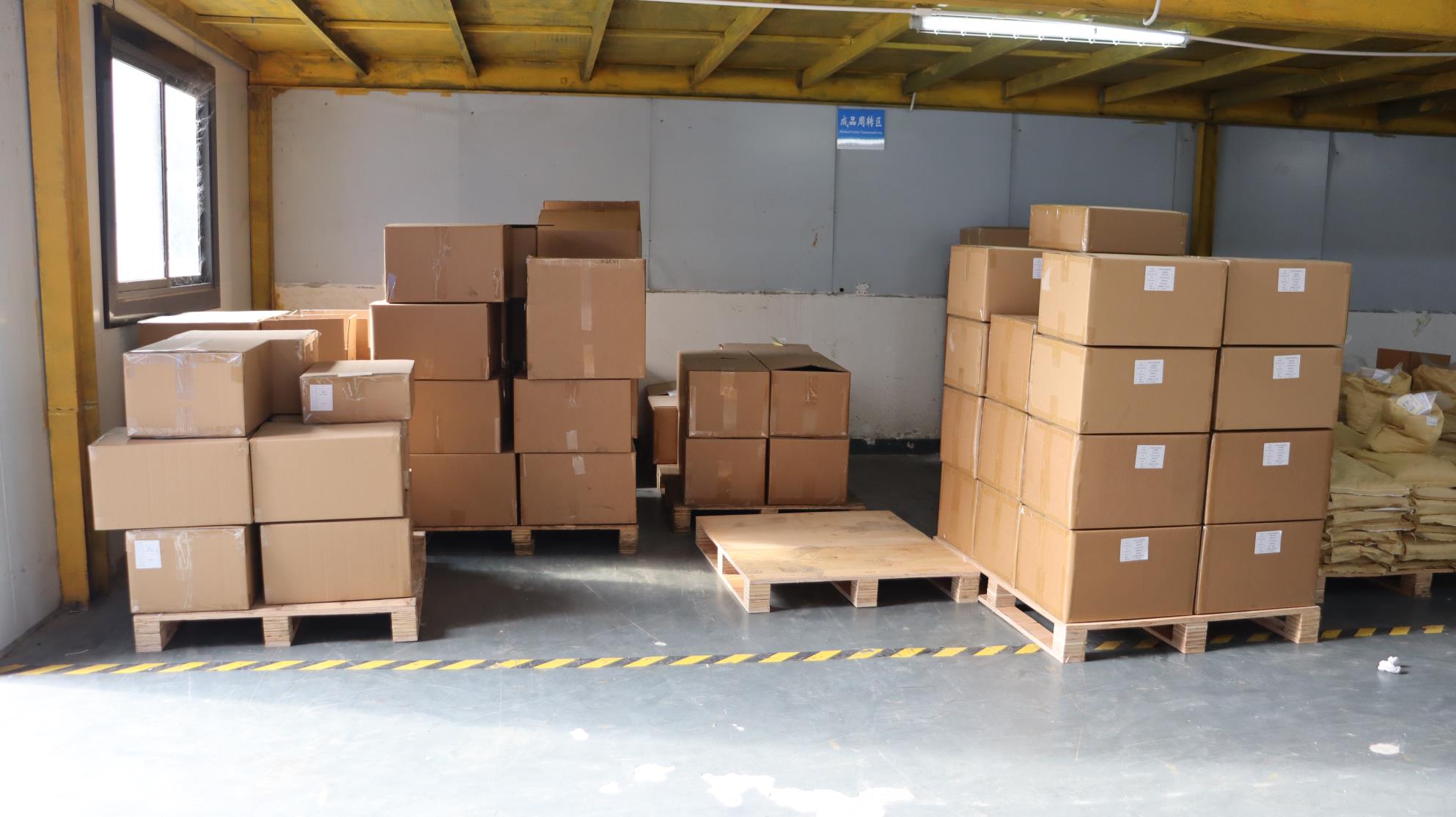
With global maritime shipping loops seeing persistent schedule challenges, Zizel has optimized manufacturing cycles in our Zhejiang hub. We offer wholesale buyers and distributors in the Brisbane region a seamless logistics corridor:
Always replace the electronic sensor during every brake pad change. Reusing worn sensors, even if they appear undamaged, risks fatigue failure of the plastic clips and subsequent damage to the vehicle's electronic wiring loom.
Find answers to common technical, logistics, and material-science inquiries regarding importing and distributing brake wear sensors in Queensland.
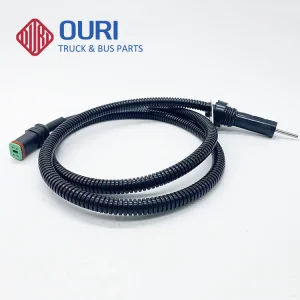
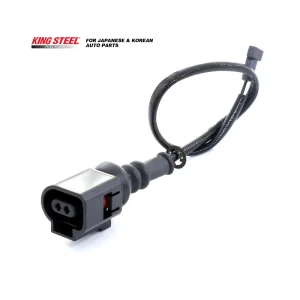
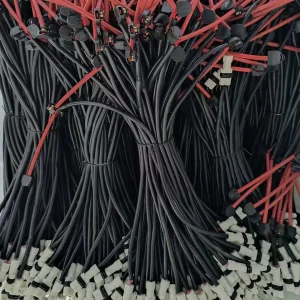
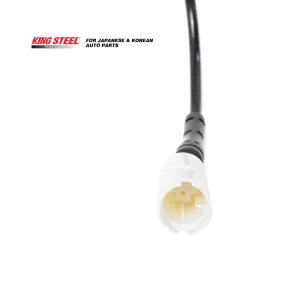
Browse our core inventory. We provide direct-fit replacements for passenger vehicles, performance sports coupes, and heavy transport machinery.
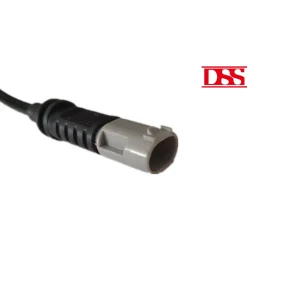
Consult with our lead application engineers to acquire certified automotive sensors optimized for regional Australian thermal and chemical stresses. We support OEM design configurations and bulk contract fulfillment.
Send Inquiry Now Zizel Auto